
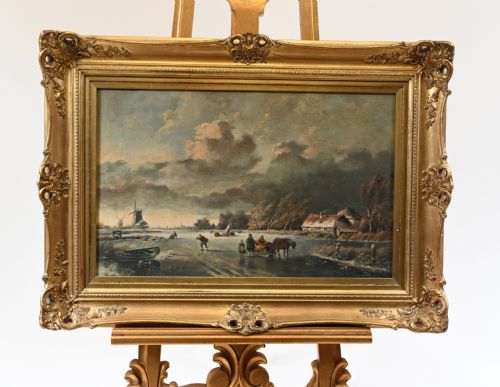


Antique Winter Scene Art
These antique winter scene art pieces capture frost, snow and frozen rivers through oils, watercolours and glass.
Antique Winter Scene Art
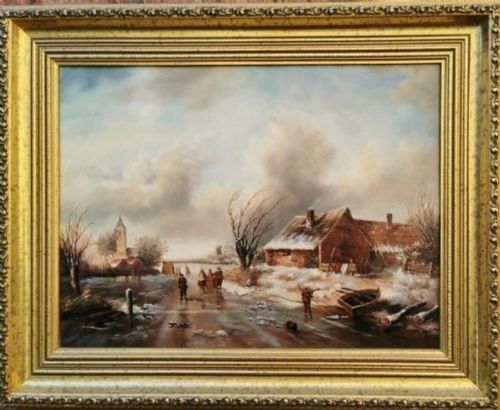
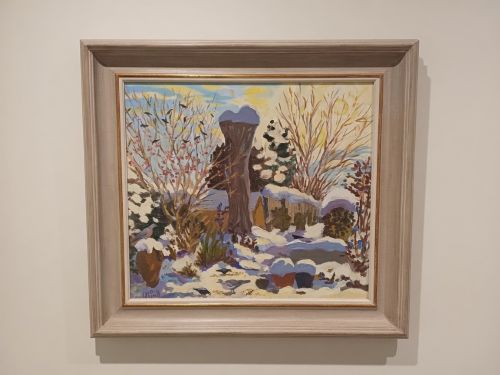
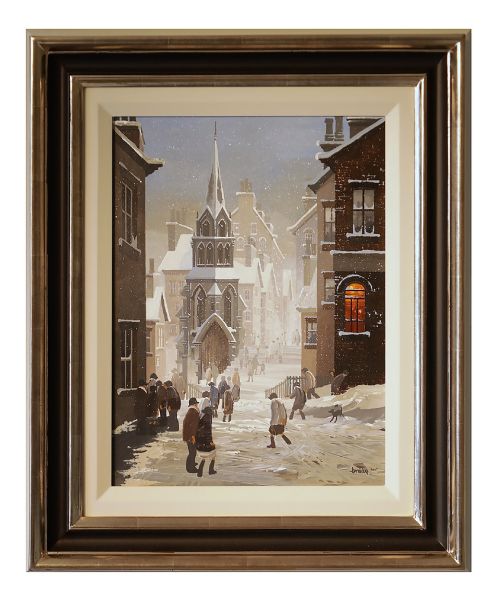
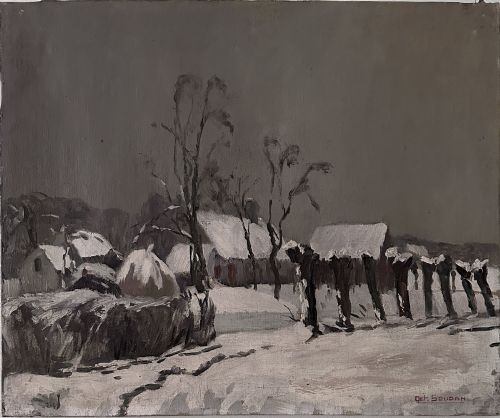
When you search for antique winter scene art, you encounter oil paintings, watercolours, and gouache works depicting snowy landscapes, frozen rivers, and cold urban streets. The selection leans heavily toward oil paintings on canvas and board alongside delicate works on paper from the nineteenth and twentieth centuries.
The subjects range from Dutch style frozen canals and rural sheep droving scenes to bustling city streets and stagecoaches caught in snowstorms. Most pieces originate from British, Dutch and French artists working across various periods up to the mid-twentieth century.
Beyond traditional paintings, the selection includes decorative glass vases, leaded windows and Japanese scroll paintings sharing the same wintry theme. These diverse objects reflect how different makers interpreted cold weather and snow across media.
Materials and technique
Artists built these works using oil paint applied to canvas, wood panels, or heavy paper, often layering pigments to build up the heavy texture of snow. Watercolours and gouache on paper capture lighter, more translucent winter light, while pastel provides soft atmospheric effects in cityscapes.
Glass pieces utilise enamelling techniques fired onto vessels or stained glass panels, fixing the wintry landscape permanently into the material. Frames typically consist of wood, frequently decorated with gilt finishes to complement the artwork within.
Several artists clearly spent too long painting freezing stagecoaches while wishing they were indoors by a fire.
Judging quality
Quality rests upon the artist's ability to render the specific quality of cold light and the weight of snow through brushwork or pigment handling. Works by listed artists who captured atmospheric conditions with precision stand apart from standard decorative pieces.
The cohesion of the composition and the condition of the canvas, paper, or glass dictate the overall standard of the piece. Well preserved original frames and clear artist signatures or attribution further elevate the standing of an individual work.
T Bergman·Gaston Cornil·Ernest Uden·John Smith Atherton·Legras·Arthur Winter Shaw·Herbert Royle·John Charles Maggs·W Tatton Winter·Pieter Cornelis Steenhouwer·John Ritchie·John Richard Worsdale·Ludwig Hermann·Daum·Louis Smets·Anthonij Anton Mauve·George Augustus Williams·Eveline Lance·Matthew Hale
The Antique Winter Scene Art Glossary
- Oil paint
- A slow drying medium made by mixing pigments with oils such as linseed, allowing artists to create rich textures and deep tones. It dominates the painted works in this selection.
- Watercolour
- A paint consisting of pigment suspended in a water soluble vehicle, applied to paper to achieve translucent washes of colour. It often defines delicate winter light.
- Gouache
- An opaque water-based paint that includes a white pigment filler, yielding solid areas of colour and sharp highlights on paper. Artists used it alongside watercolour for snowy contrast.
- Gilt
- A thin layer of gold leaf or gold paint applied to wooden frames or decorative objects. It provides a warm border that contrasts with cool winter colours.
- Leaded glass
- Pieces of glass joined together with lead cording to form windows or decorative panels, sometimes incorporating painted details. It allowed artists to depict winter scenes through translucent coloured panes.
Antique Winter Scene Art: Frequently Asked Questions
What periods do these pieces cover?
The works span from the nineteenth century through various decades of the twentieth century, capturing shifting artistic approaches to landscape painting.
Most items date from the Victorian era up to the mid-twentieth century, reflecting diverse regional styles including British Impressionism and the Dutch School.
How should I care for these paintings?
Keep works on canvas and paper away from direct sunlight and damp environments to prevent fading and material degradation.
Glass items and framed paintings require stable indoor temperatures to protect both the artwork and its historical mounting.
Are all these works signed by artists?
Many pieces feature visible signatures or distinct attributions to known painters, printmakers, and decorative workshops.
Unsigned works are generally attributed through stylistic evidence, period materials, and documentary records associated with the maker.
What subjects appear most frequently?
Snowy rural landscapes, frozen lakes with skaters, and stagecoaches navigating winter weather form the core subjects.
Urban street scenes, mountain pastures, and coastal quays during cold weather also appear across the selection of paintings and decorative items.