

Antique Wing Back Chair
An antique wing back chair offers draught-excluding comfort and classic proportions, drawing you in with its sheltering sides.
Antique Wing Back Chair
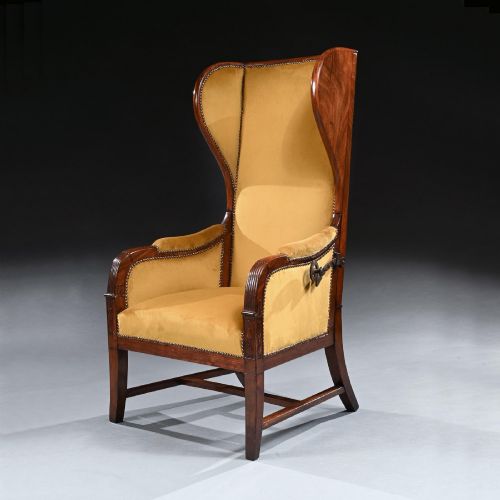
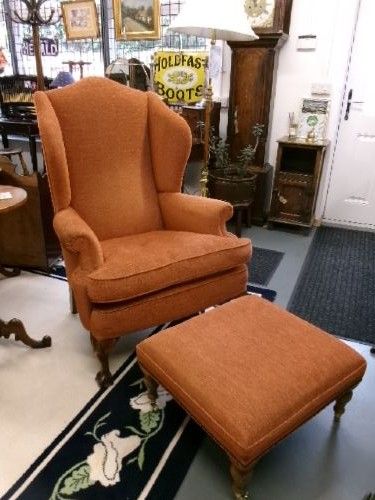
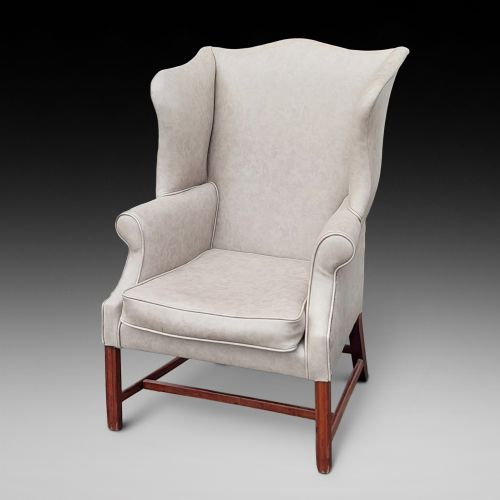
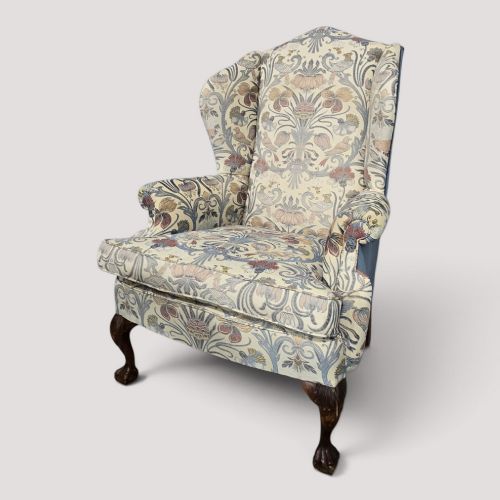
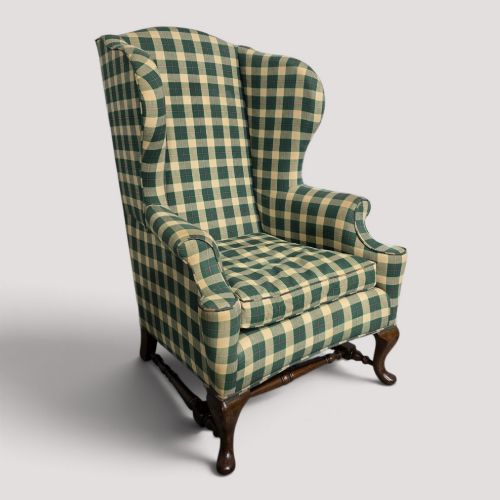
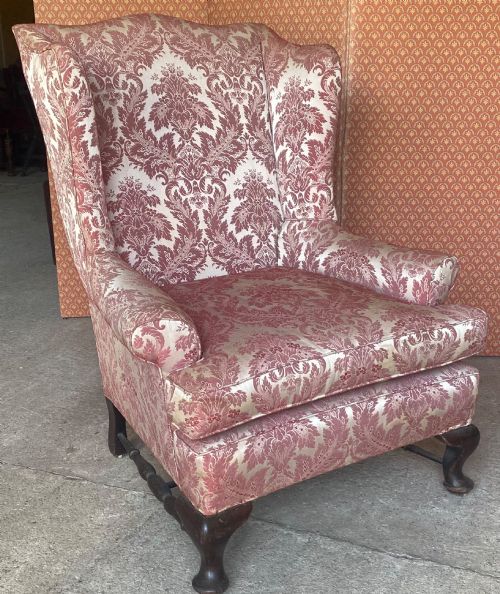
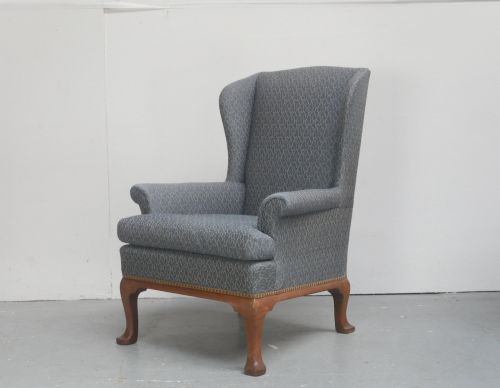
The antique wing back chair is an upholstered armchair featuring projecting side panels designed originally to shield the sitter from draughts near a fireplace. These seating forms range from compact library models to generous fireside chairs designed for deep repose.
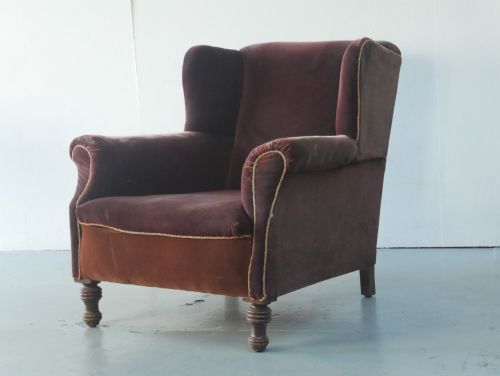
Buyers browsing this selection encounter pieces spanning several eras, with nineteenth-century examples and twentieth-century revivals appearing most frequently alongside eighteenth-century originals. Common manifestations include mahogany, oak, and walnut frames upholstered in leather, velvet, or fabric.
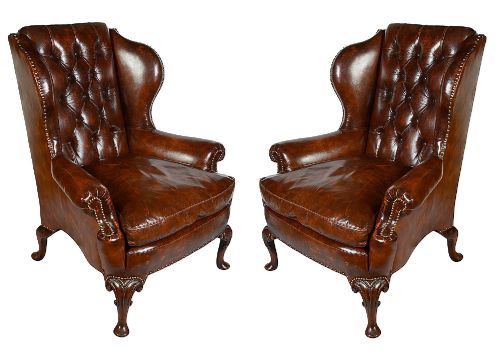
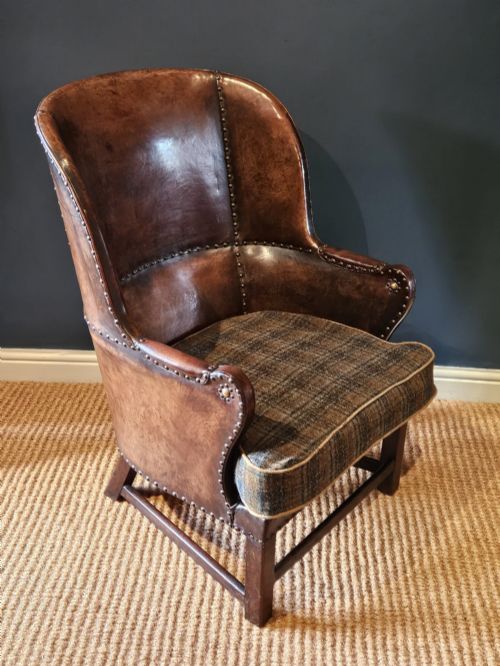
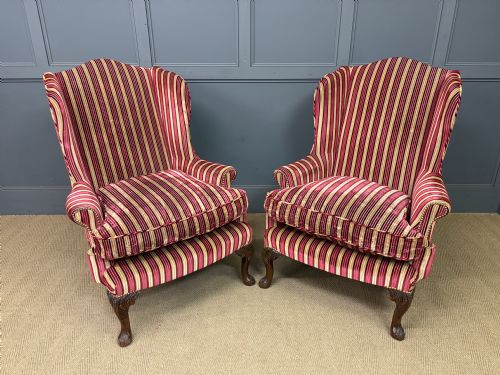
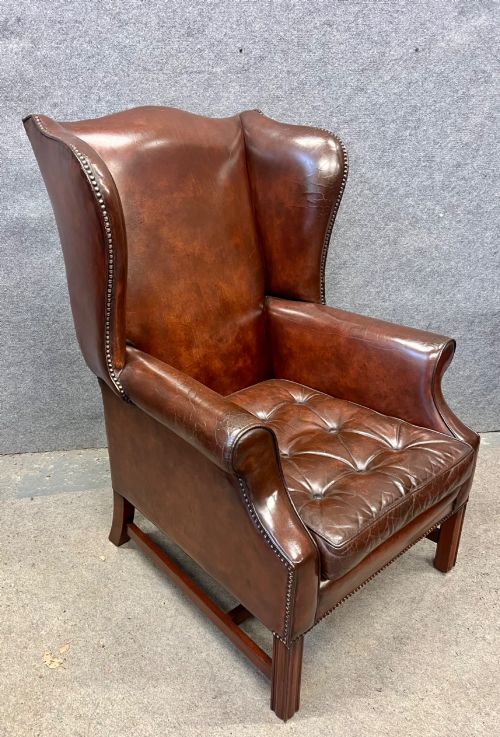
The inventory encompasses distinct variants such as the timber-framed lambing chair and the buttoned leather library armchair. Alongside single armchairs, matching pairs and occasional footstools surface within the listings.
Materials and construction methods
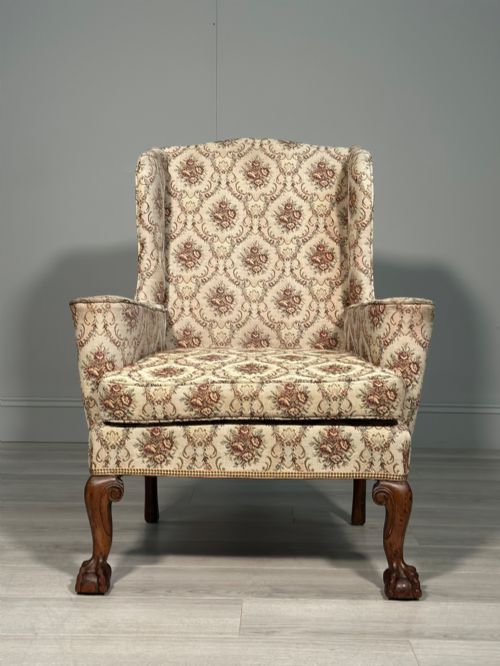
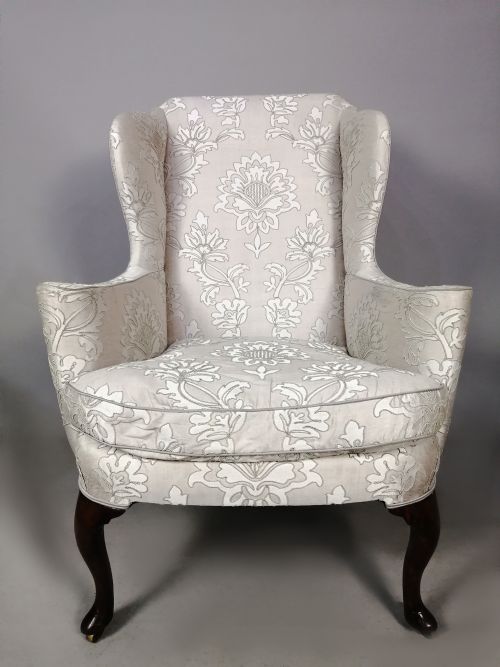
Frames are constructed from sturdy hardwoods such as mahogany, oak, and walnut, often shaped with cabriole legs or straight supports. Joinery relies on traditional techniques to bear the weight of the heavy upholstered body.
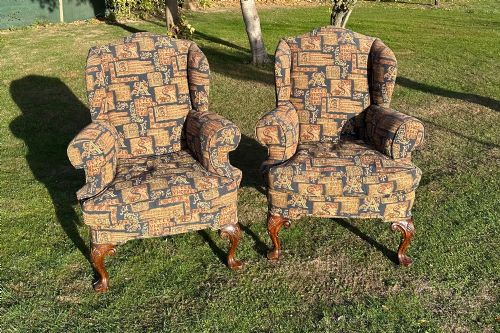
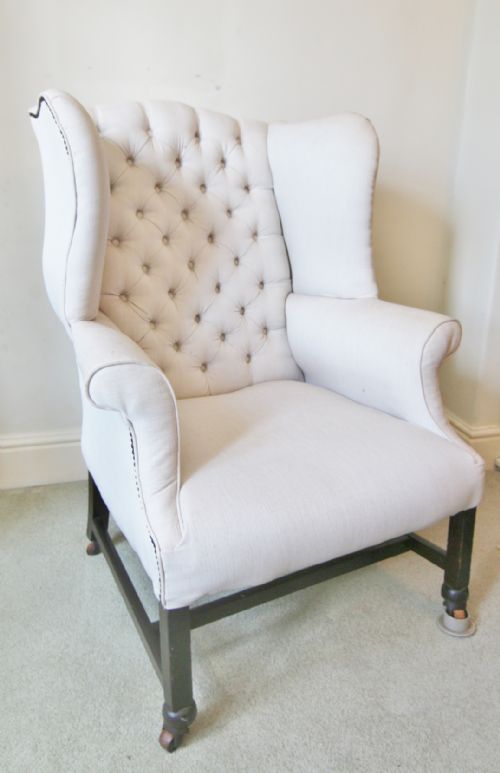
Upholstery incorporates materials like leather, chenille twill, velvet, and calico, frequently secured with deep buttoning or embossed detailing. Feather filling provides softness to the seat cushions, while brass tacks occasionally finish the edges of the hide.
Antique Wing Back Chair Retail Price Guide 2026
Typical asking prices for wing back chair among the pieces listed under this phrase on Sellingantiques today, from the lower quarter to the upper quarter. They describe what is for sale here now, not the wider market.
The listings feature seating from the Georgian, Victorian, and Edwardian eras, alongside twentieth-century revival pieces made from mahogany, oak, and walnut.
Distinguishing quality across examples
The calibre of a piece rests upon the crispness of the timber carving and the integrity of the underlying frame construction. Heavier scale and substantial proportions generally denote more ambitious commissions intended for principal rooms.
The choice of covering material and the fidelity of revival styles dictate visual success. Original leather patination or carefully executed period upholstery elevates the overall coherence of the chair.
The Antique Wing Back Chair Glossary
- Cabriole leg
- A furniture leg that curves out and then in, mimicking an animal's limb. This form appears frequently on eighteenth-century and revival seating.
- Button back
- An upholstery technique where buttons are pulled deep into the padding to create a diamond pattern. It secures the stuffing while adding texture.
- Lambing chair
- A vernacular wooden armchair featuring high solid sides and an enclosed seat, traditionally used in farmhouses. Examples sometimes incorporate small drawers beneath the seat.
- Chesterfield
- A large upholstered seating form characterised by arms and back of the same height. This term describes substantial padded furniture within the selection.
Antique Wing Back Chair: Frequently Asked Questions
What is a wing back chair?
A wing back chair is a seated furniture form featuring projecting flaps on the upper sides of the backrest. These wings were originally conceived to trap heat from a hearth and block cold air currents in draughty rooms.
Over time, the design evolved from a practical utility into a staple of formal and country house interiors. The high back and sheltering sides continue to provide a private, enclosed sitting experience.
How do I date an antique wing chair?
Dating relies upon examining the timber species, leg architecture, and construction underneath the upholstery. Eighteenth-century pieces typically display native hardwoods like oak or walnut with hand-shaped framing, whereas later revivals often utilise mahogany.
Secondary indicators include the presence of traditional stuffing materials and fastening methods. Comparing the leg style to established furniture periods helps narrow down the decade of manufacture.
Where should I place a wing chair?
These chairs suit living rooms, studies, and bedrooms where their substantial silhouette can anchor a corner. Placing one beside a fireplace or reading lamp honours the original functional purpose of the design.
Because the high back creates a strong visual presence, positioning the chair away from narrow walkways allows the wings and arm proportions to be appreciated fully.
Are these chairs comfortable for daily use?
Many examples are designed with deep seating and supportive feather filling intended for prolonged sitting. The high back offers full head and neck support, making them popular for reading or relaxing.
Comfort levels vary depending on the firmness of the internal padding and the type of upholstery material used. Leather surfaces offer a different tactile experience compared to soft fabric or velvet coverings.