




Antique Wine Tub
An antique wine tub brings centuries of hospitality into a room, serving as a striking vessel for bottles, plants, or ice.
Antique Wine Tub
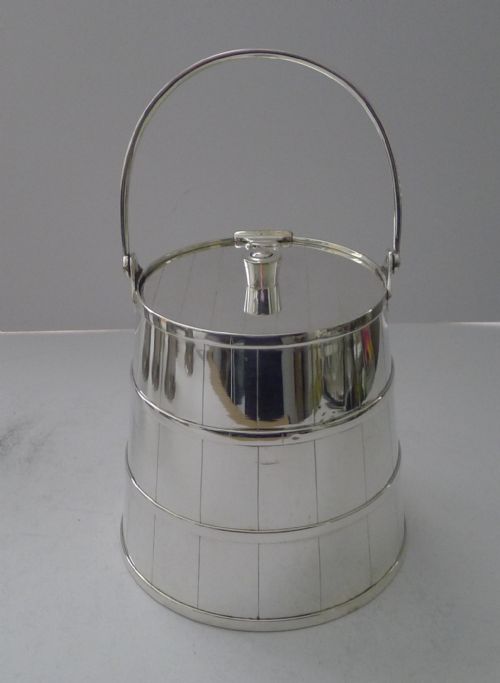
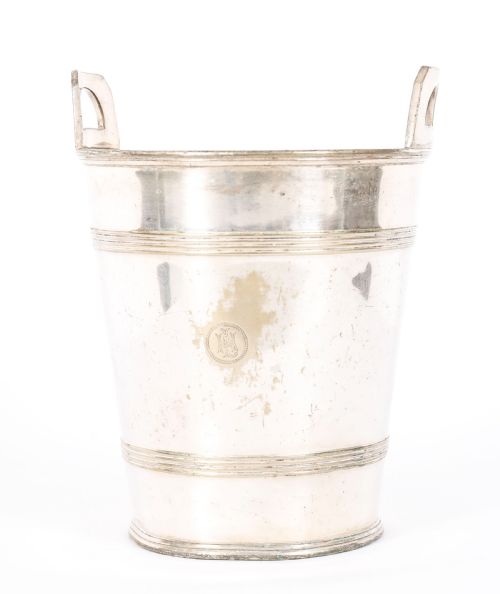
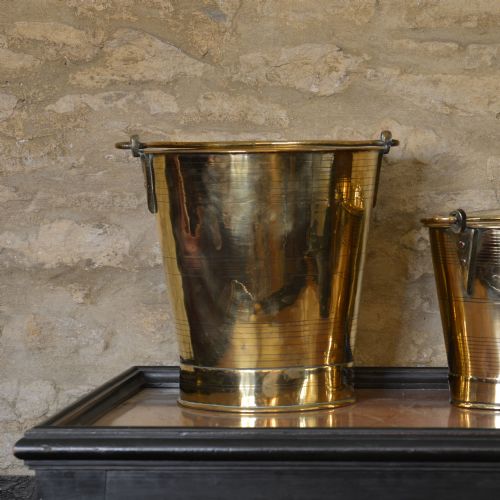
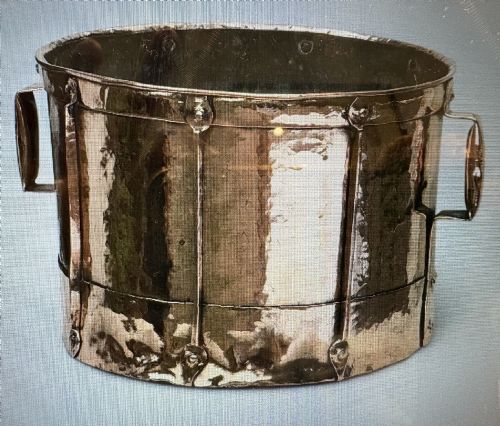
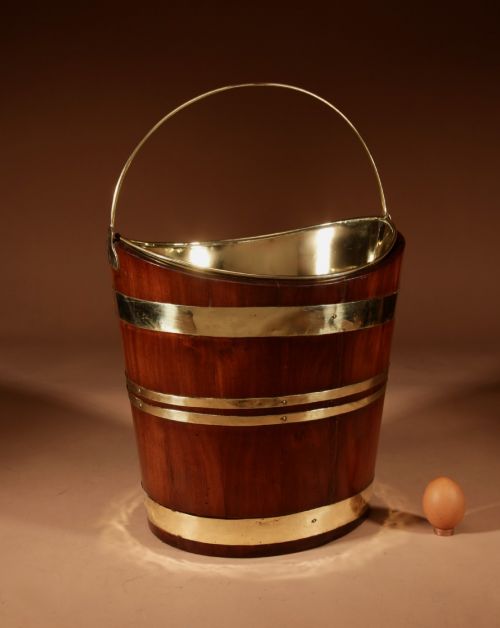
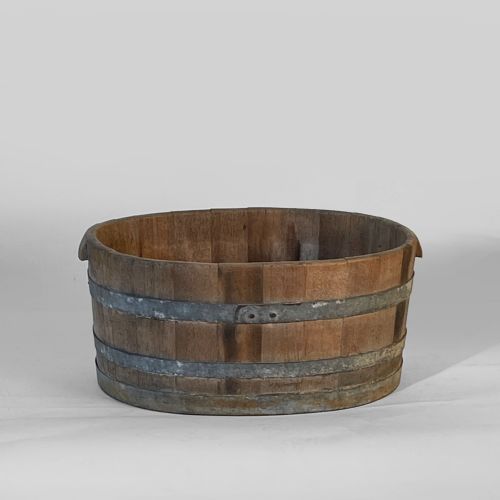
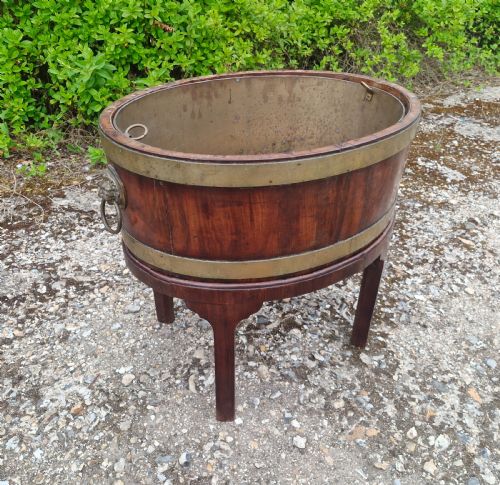
An antique wine tub encompasses a range of traditional vessels designed for chilling bottles, holding ice, or displaying plants. When exploring this category, a buyer encounters forms that range from formal timber cellarettes to robust metal buckets and rustic copper vessels.
The pieces appearing in this selection draw from periods spanning the eighteenth century through the early twentieth century. Georgian and Regency examples often present refined cabinetwork, while nineteenth-century items lean toward heavy metal construction or coopered stave work.
Makers and craftsmen adapted these vessels for various domestic duties, leading to overlapping forms functioning as wine coolers, jardinières, and ice buckets. The surviving examples reflect the changing social rituals of dining and entertaining across different eras.
Materials and construction methods
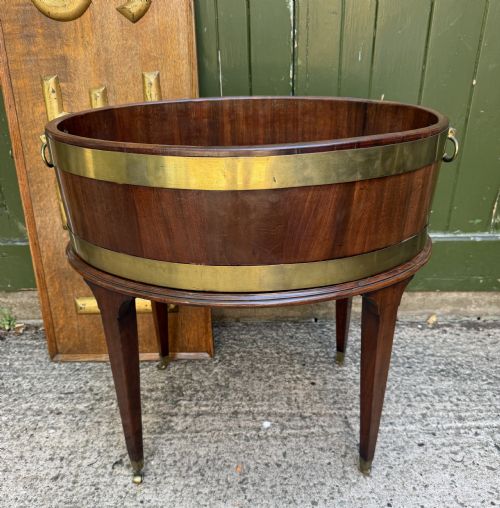
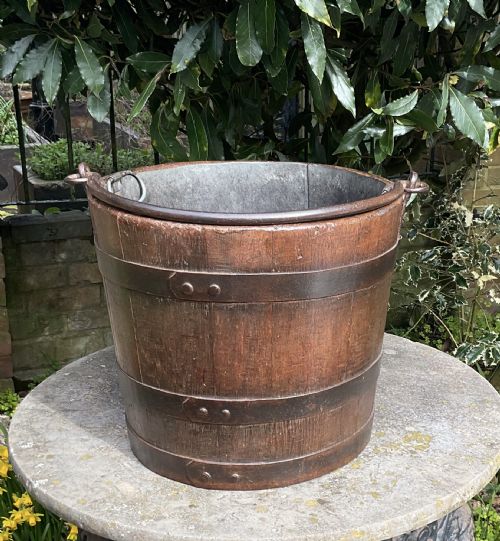
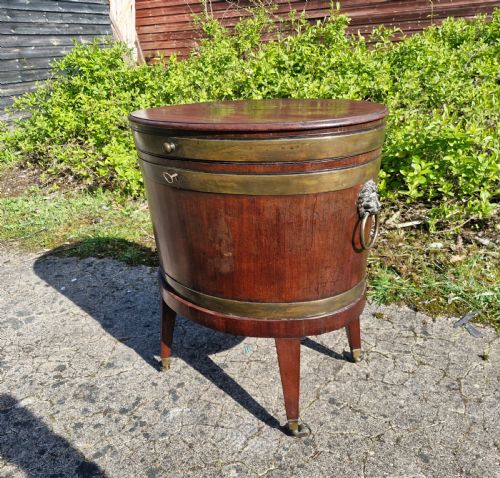
Cabinetmakers utilised rich timber such as mahogany, oak, and walnut, often constructing bodies with vertical staves bound by brass bands in the manner of traditional coopering. These wooden vessels frequently incorporated metal liners or lead linings to contain melting ice and moisture.
Metalworkers hammered and shaped sheet copper, brass, and iron to create robust containers, sometimes finishing them with silver plate for formal dining settings. Structural elements like drop handles, paw feet, and stands were cast and applied to enhance both utility and appearance.
Distinctions in quality and execution
Quality rests upon the integrity of the materials and the precision of the construction, whether evaluating the tightness of coopered wooden staves or the weight of cast brass mounts. Superior examples retain their original liners, stands, and hardware rather than relying on later replacements.
The refinement of surface detail separates standard utility pieces from exceptional items, showing in crisp brass binding, well-figured timber grain, or hand-hammered metalwork. Balance in proportions and fidelity to period design dictate the standing of each piece.
Hutton Sheffield·Elkington·Lister and Co·Christofle
The Antique Wine Tub Glossary
- Cellarette
- A freestanding lockable box or container used to store wine bottles near the dining table. They frequently stand on legs or short feet and date primarily from the Georgian and Regency periods.
- Coopered
- Built from narrow wooden staves fitted tightly together and secured with exterior metal hoops or bands. This technique derives from barrel-making and provides waterproof strength.
- Jardinière
- An ornamental pot or stand designed to hold growing plants or flowers. These vessels often share forms with wine coolers and ice buckets.
- Tea stove
- A small heating appliance or container used to keep water warm for tea, occasionally sharing forms with period metal vessels.
- Ferrat
- A traditional French measuring or holding vessel, typically fashioned from heavy copper with distinctive riveted seams. They date across the nineteenth century.
Antique Wine Tub: Frequently Asked Questions
How were antique wine tubs originally used?
These vessels stood in dining rooms to hold bottles alongside ice and water during extended meals. Servants would draw bottles from the tub as needed throughout the evening.
Over time, many of these containers transitioned into service as planters or decorative display pieces within grand interiors.
Can these vessels still hold ice and bottles?
Many wooden examples rely on original metal liners or added waterproof inserts to manage melting ice safely. Checking the interior condition confirms whether a piece remains suitable for active use.
Unlined wooden vessels risk timber shrinkage or staining if exposed to direct moisture for prolonged periods.
How do I distinguish a cellarette from a wine cooler?
Cellarettes generally take the form of enclosed boxes with hinged lids, sometimes fitted with locks to secure valuable vintages. Wine coolers often feature open tops designed for direct access to iced bottles.
Both forms frequently share similar brass-bound mahogany construction and dating.
What maintenance do copper and brass tubs require?
Metal surfaces benefit from occasional gentle cleaning to maintain their finish without stripping away natural age patina. Avoiding harsh abrasive polishes preserves the original texture of the metal.
Keeping the interior dry prevents oxidation and protects any soldered seams from weakening.