




Antique Wine Bottle Box
An antique wine bottle box safely houses fine vintages, bringing robust Georgian proportion and rich timber grain directly into the dining room.
Antique Wine Bottle Box
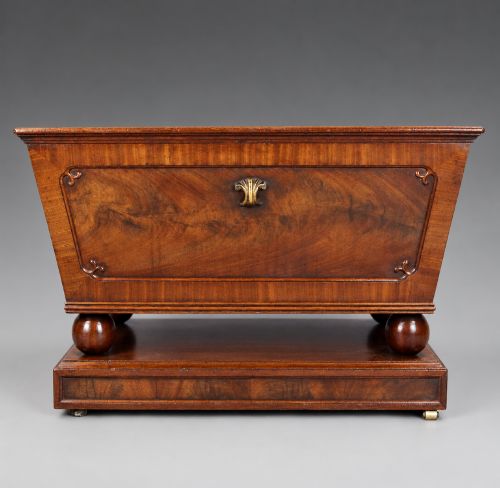
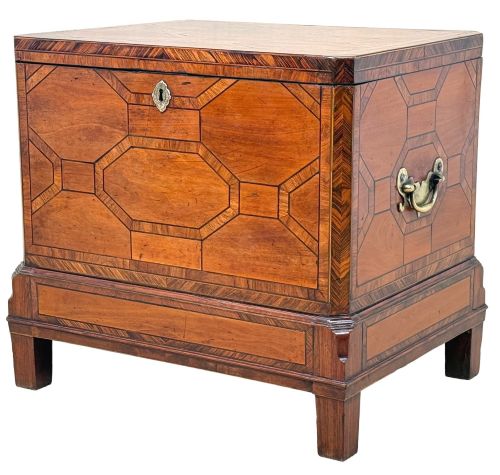
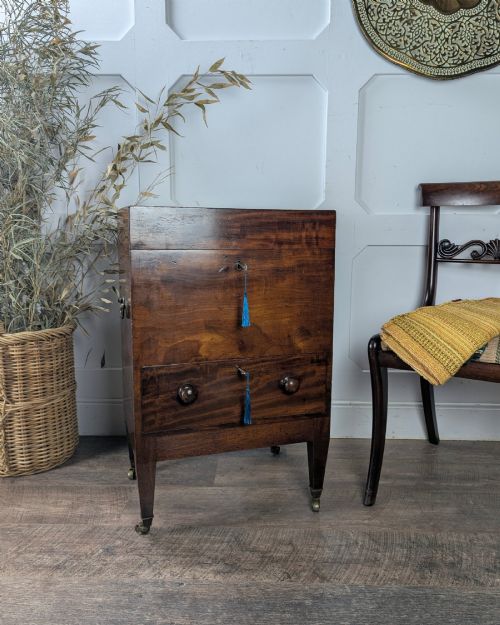
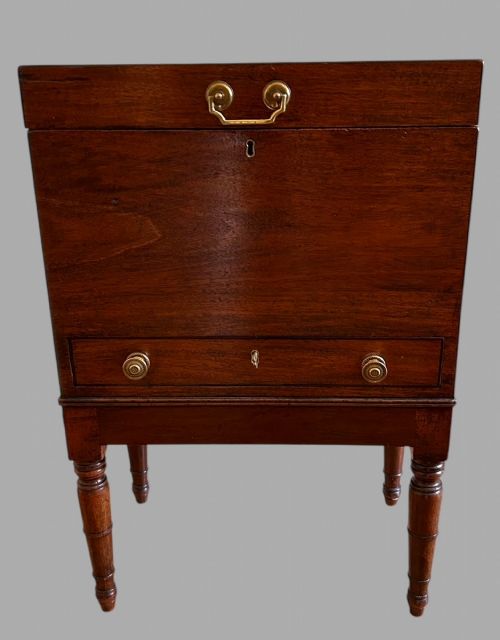
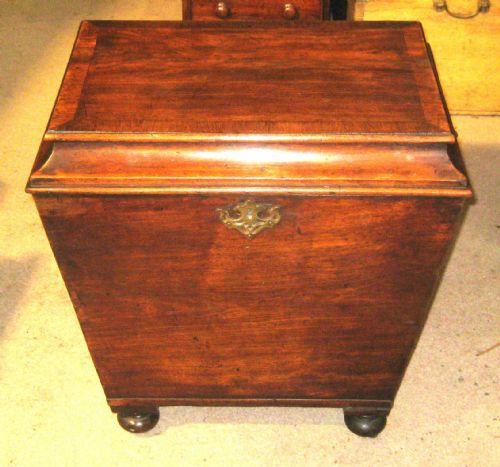
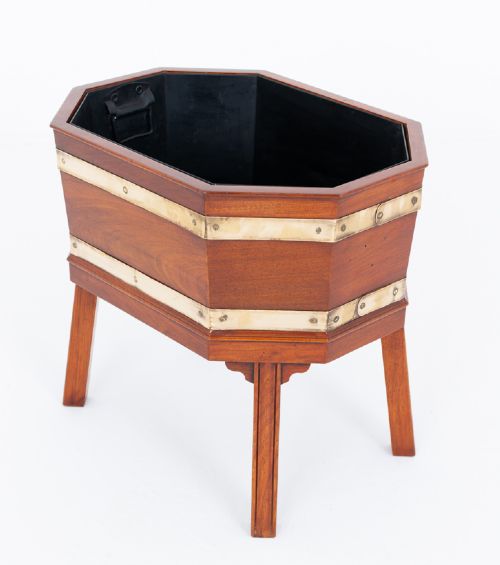
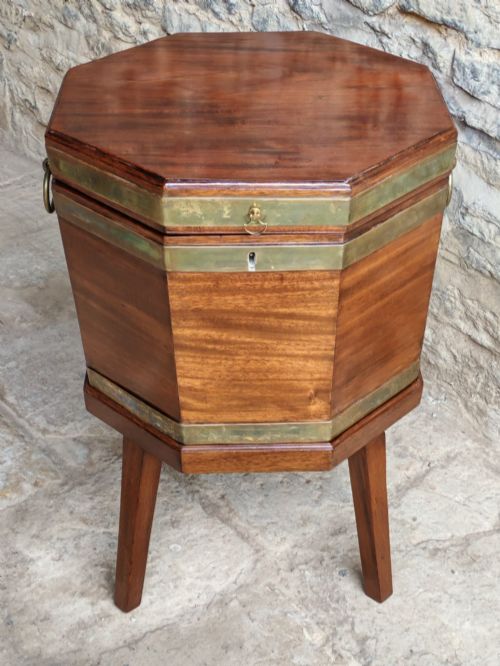
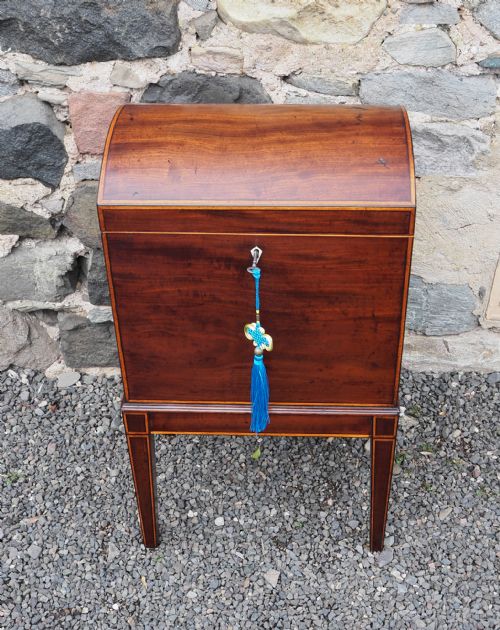
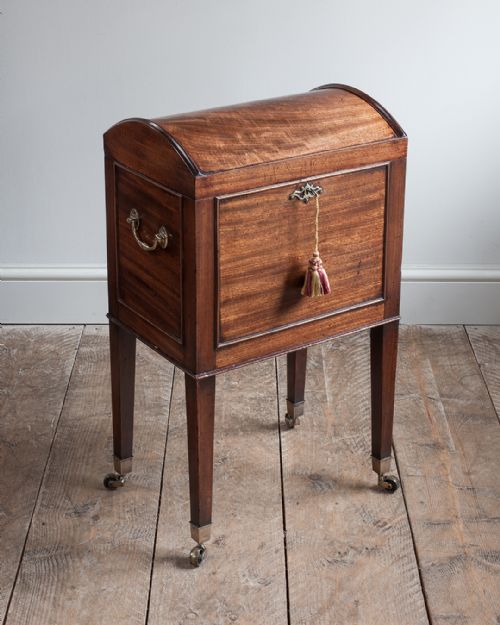
An antique wine bottle box encompasses substantial cellarettes, freestanding coolers, and fitted presentation cases designed to hold multiple bottles securely. Buyers searching this phrase typically encounter robust timber receptacles dating from the eighteenth and nineteenth centuries, often formed in rectangular or sarcophagus shapes.
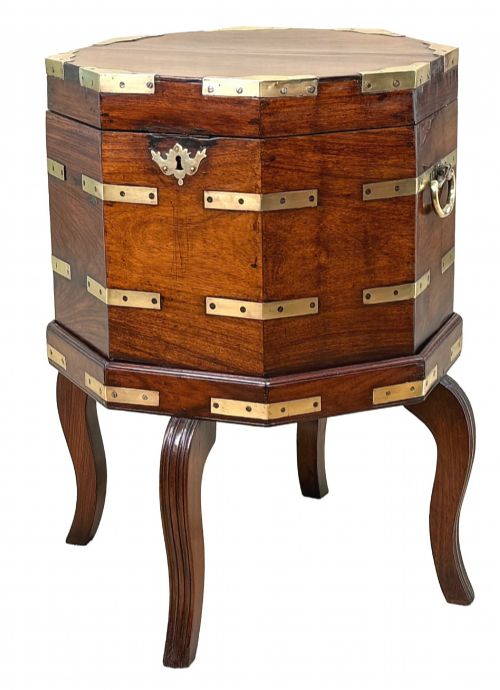
The assortment on this page spans distinct periods including the Georgian era, the Regency period, and later Edwardian interpretations. Forms range from octagonal box cellarettes and brass-bound oval vessels to specialised champagne magnum cases and segmented bottle carriers.
Many examples emerge in solid mahogany or flame mahogany veneer, supplemented by occasional instances of pollard oak, satinwood, and walnut. These vessels often rest on bracket feet, turned legs, or recessed castors for mobility within formal dining spaces.
Materials and construction methods
Cabinet makers relied heavily on dense tropical hardwoods, utilising solid mahogany and flame mahogany veneers to achieve deep figure and rich patination. Structural framing frequently incorporated secondary timbers such as oak, while decorative highlights involved boxwood inlay and ebonised wood details.
Metal components played a critical structural and decorative role, with heavy brass bands, drop handles, and cast rim mounts securing the timber bodies. Interior divisions were often lined with lead or divided into distinct bottle compartments to handle moisture and weight.
Primary materials recorded across current items include solid mahogany, flame mahogany veneer, pollard oak, satinwood, and brass.
Distinctions in craftsmanship and design
Quality rests upon the selection of timber grain, where highly figured flame mahogany or pollard oak elevates a piece above plain stock. Superior examples display meticulous joinery, balanced proportions, and original brass hardware that integrates harmoniously with the timber.
The sophistication of the internal layout and the crispness of carved details, such as fluted borders or brass binding, dictate the standing of the work. Maker attribution or adherence to refined neoclassical design principles further separates standard utility pieces from exhibition grade objects.
Gillows of Lancaster and London·Whytock and Reid·Charles Heathcote Tatham
The Antique Wine Bottle Box Glossary
- Cellarette
- A lockable container or cabinet used to hold wine bottles near the dining table before service. These vessels often contained internal lead linings to hold ice and water.
- Sarcophagus
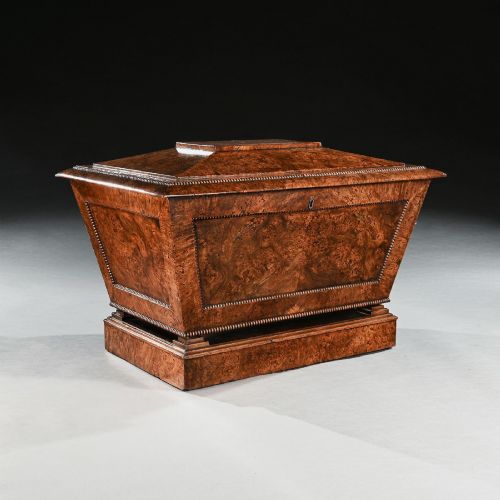
- A monumental box form featuring a steep gabled or rounded lid, popular during the Regency period. This shape draws inspiration from ancient stone tombs adapted for domestic dining furniture.
- Flame mahogany
- A distinct timber veneer cut from the branch junction of the mahogany tree, producing a swirling, flame-like pattern. Cabinet makers reserved this decorative grain for primary display surfaces.
- Patina
- The deep surface sheen and mellow colour developed by timber through age, handling, and regular polishing. Collectors value undisturbed patination as a sign of authenticity and proper care.
- Treen
- Small handmade wooden items produced for domestic utility. Examples include turned nutmeg graters shaped to resemble miniature wine bottles.
Antique Wine Bottle Box: Frequently Asked Questions
What is an antique wine bottle box?
An antique wine bottle box is a dedicated wooden container designed to store, cool, or transport multiple wine bottles safely. These pieces were essential dining room furnishings in large households before modern refrigeration.
They range from small tabletop carriers to heavy freestanding cellarettes lined with lead for chilling. Cabinet makers constructed them using dense hardwoods like mahogany and ornamented them with brass fittings.
How were these boxes used?
Servants kept these boxes near the dining table filled with ice and water to cool bottles before serving them to guests. The heavy lids helped maintain temperature, while internal partitions kept glass bottles from colliding.
Many boxes included secure locks so hosts could safely store expensive vintages away from household staff. After dinner, the boxes remained in the dining room as decorative furniture items.
How do I identify a Regency period piece?
Regency pieces often feature architectural forms inspired by classical antiquity, such as sarcophagus shapes with bold brass lion paw feet or heavy ring handles. Cabinet makers favoured dark, heavily figured timbers like flame mahogany and pollard oak during this era.
These boxes frequently incorporate crisp carved details like reeding, fluting, and brass inlay. The overall aesthetic prioritises symmetry, mass, and formal proportion over delicate ornamentation.
Where should I place a cellarette at home?
A large cellarette works well as a freestanding side table or a decorative base for plants and lamps in a living room or hallway. Their rich timber surfaces and brass mounts add warmth and historic character to traditional or contemporary interiors.
Smaller bottle carriers and boxes can sit comfortably on sideboards, desks, or accent tables. Keep wooden pieces away from direct heat sources and strong sunlight to protect the aged finish and timber grain.