
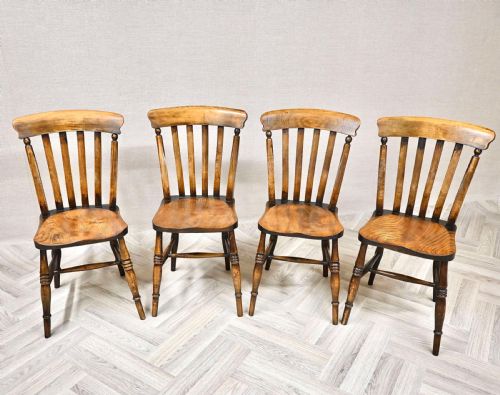
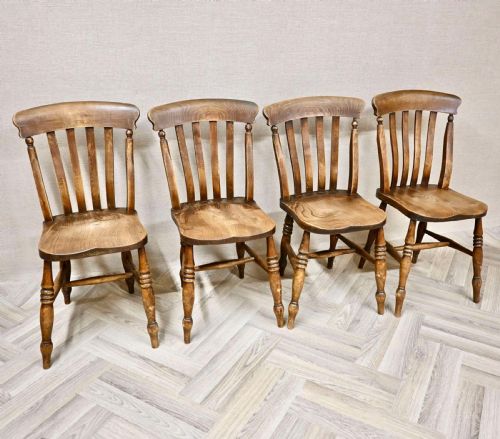
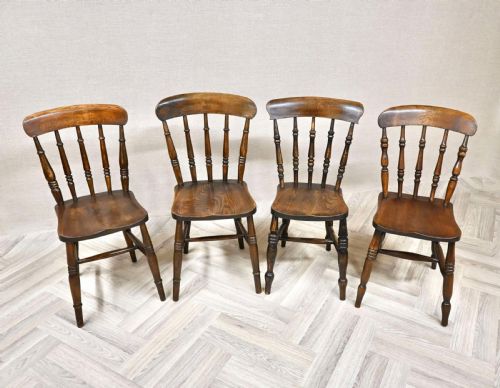

Antique Windsor Seat
An antique windsor seat offers sturdy regional craftsmanship and deep grained timber, built to endure generations of daily kitchen use.
Antique Windsor Seat
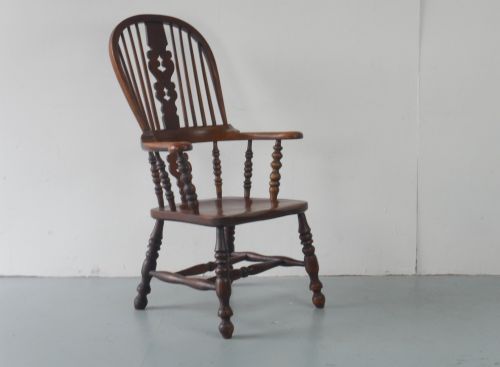
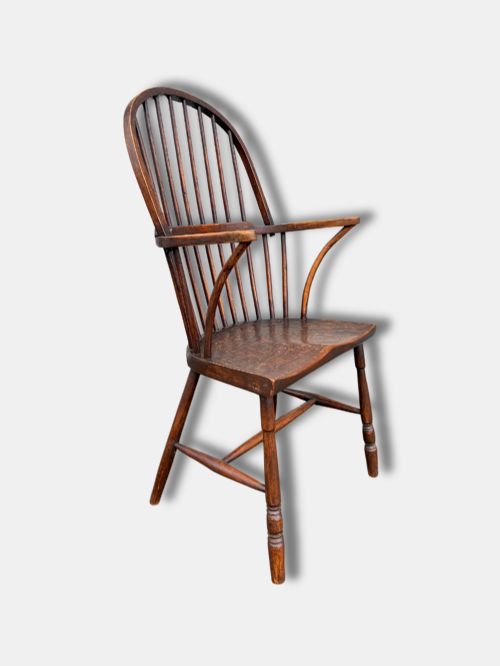
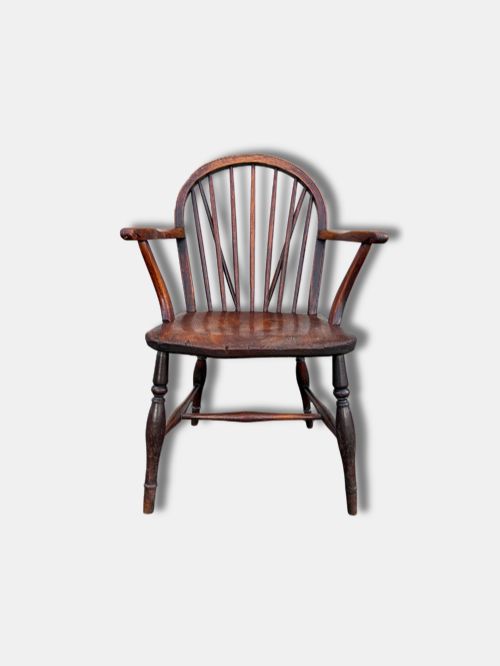
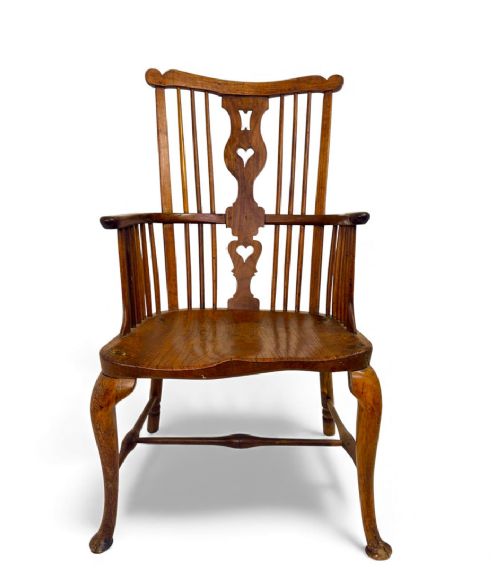
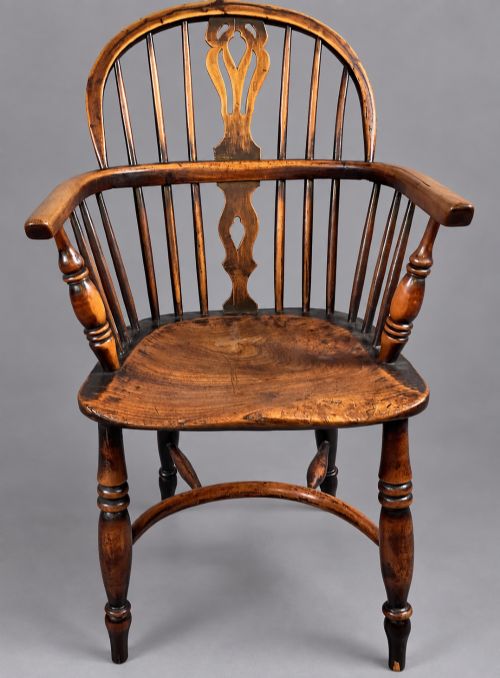
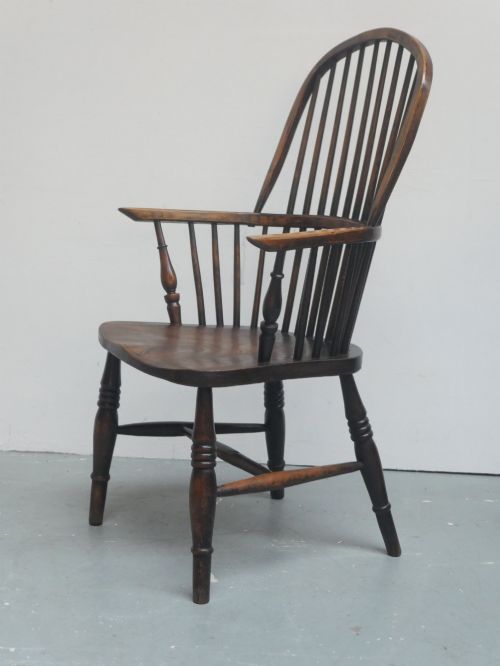
An antique windsor seat comprises robust wooden chairs, benches, and stools designed for practical farmhouse and kitchen use. These pieces trace their origins through the Georgian, Victorian, and Edwardian periods, utilising traditional regional woodworking methods.
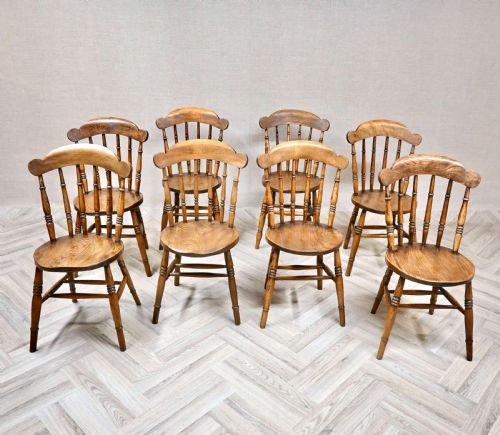
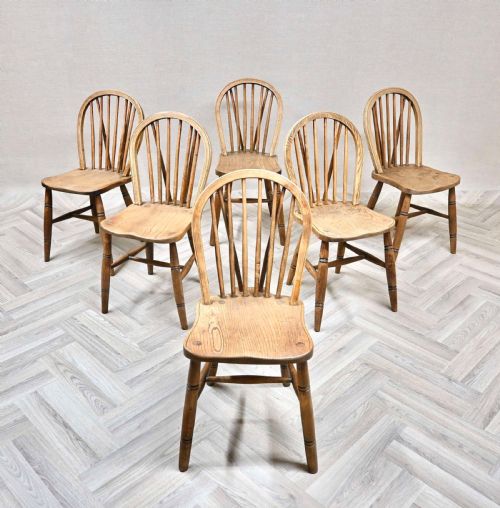
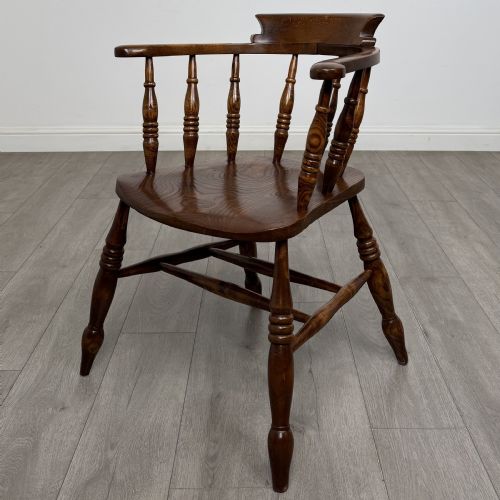
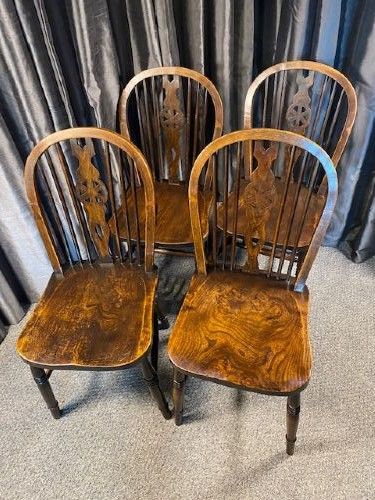
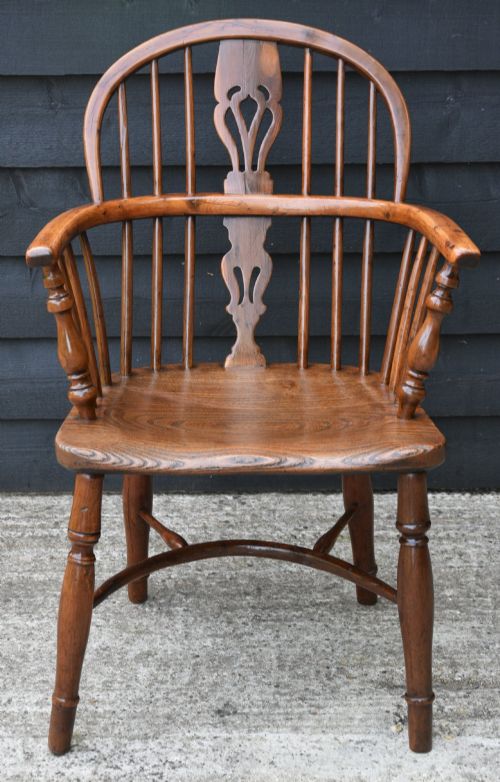
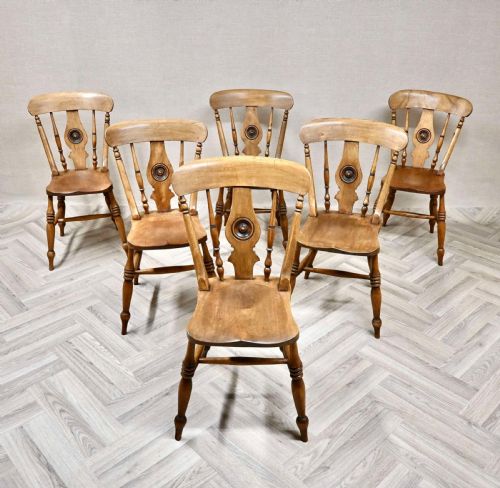
Armchairs, carvers, and dining chairs dominate the selection, alongside smaller children's chairs and occasional stools. High-back and low-back variants appear frequently across English country settings.
The characteristic construction involves a solid shaped wooden base into which legs and spindles are wedged and pegged directly. This defines the essential form of an antique windsor seat.
Materials and construction
Maker traditions relied on combining distinct woods for structural strength and visual contrast within a single piece. Elm provided a tough, non-splitting seat board, while ash, beech, or yew supplied flexible timber for steam-bent hoops and spindles.
Traditional construction dispensed with complex joinery, employing the Windsor method of boring tapered holes directly into the seat slab. Legs and back posts were secured from underneath with wedges to lock the components permanently in place.
Distinctions in quality
Quality rests upon the selection of timber and the sophistication of the turning work on the spindles and legs. Well-figured yew grain and deeply sculpted elm seat saddles elevate certain examples above standard utility seating.
Proportion and comfort dictate desirability, where generous arm bows and balanced comb or hoop backs reflect the maker's eye. Original surface patination and minimal structural timber replacement preserve the integrity of the piece.
The Antique Windsor Seat Glossary
- Comb back
- A Windsor chair design featuring a low back topped by a horizontal headboard supported by vertical spindles, resembling the teeth of a comb.
- Hoop back
- A continuous steam-bent rail that forms both the arms and the top bow of the chair in a single curved sweep.
- Smokers bow
- A low-backed armchair with a rounded continuous arm rail, commonly found in 19th-century domestic and commercial interiors.
- Saddle seat
- A solid timber seat base carved into a concave depression for ergonomic comfort during extended periods of sitting.
- Spindle
- A slender turned wooden rod used to fill the back frame and provide structural support between the seat and the arm bow.
Antique Windsor Seat: Frequently Asked Questions
How do I identify a genuine Windsor chair?
A genuine piece relies on the defining construction method where legs and back sticks insert directly into bored holes through a solid wooden seat.
Look for traditional combinations of native hardwoods such as elm seats paired with ash or beech spindles and underframes.
What woods were used for these seats?
Elm served as the primary choice for the solid seat board because its interlocking grain resisted splitting under heavy use.
Other native timbers like ash, beech, oak, and yew were utilised for the bentwood hoops, legs, and back spindles.
Are these chairs comfortable for daily use?
The saddle-shaped wooden seats were ergonomically carved by regional makers to provide surprising support during long hours at the dining table.
Adding loose squab cushions can further increase comfort for contemporary living spaces without altering the frame.
How do I date an antique Windsor chair?
Dating relies on observing stylistic markers, such as the transition from heavy 18th-century comb backs to Victorian wheelback and Gothic revival details.
Tool marks, timber shrinkage, and the type of turning on the legs also help indicate whether a piece originates from the Georgian era or later.