

Turned Leg Wooden Carver
Turned leg wooden carver armchairs combine sturdy domestic timbers with traditional joinery, offering a practical seat with supportive arms for daily use.
Turned Leg Wooden Carver
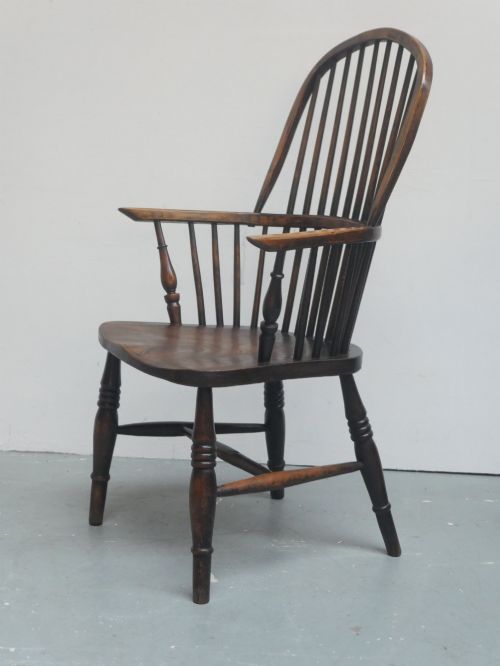
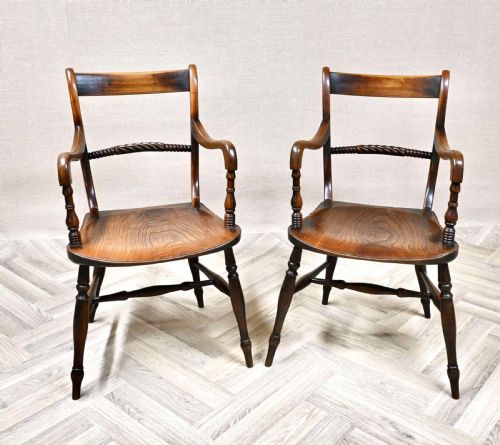
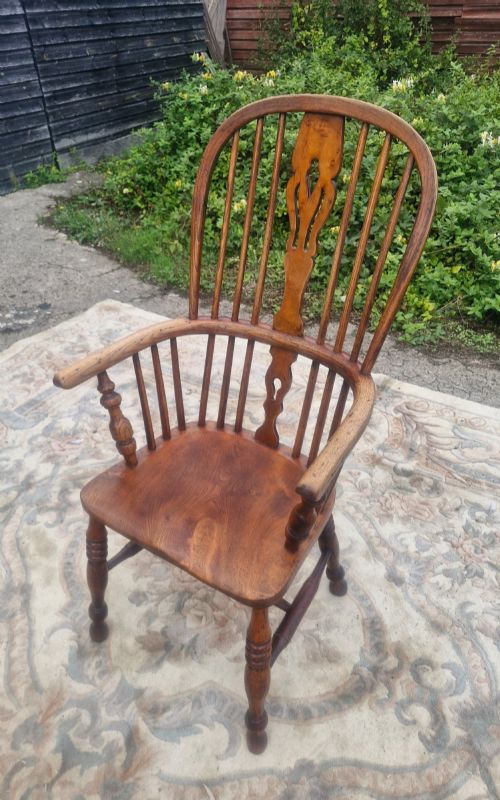
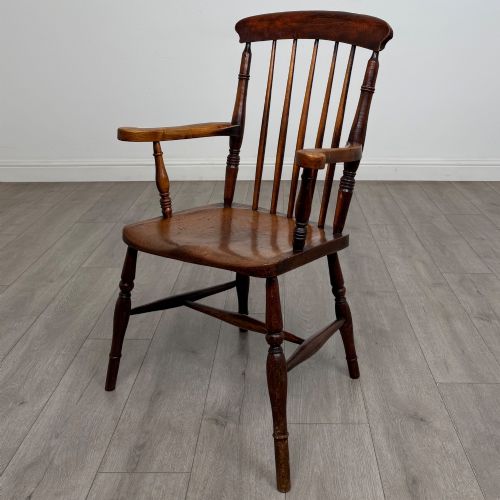
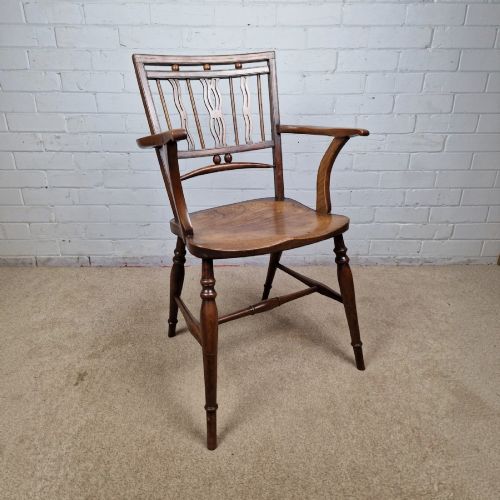
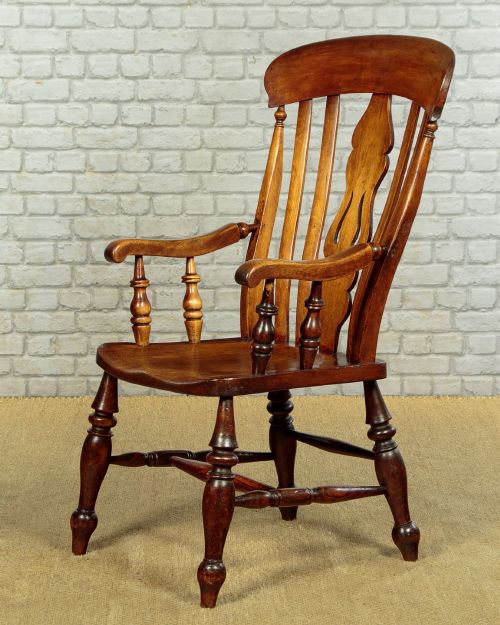
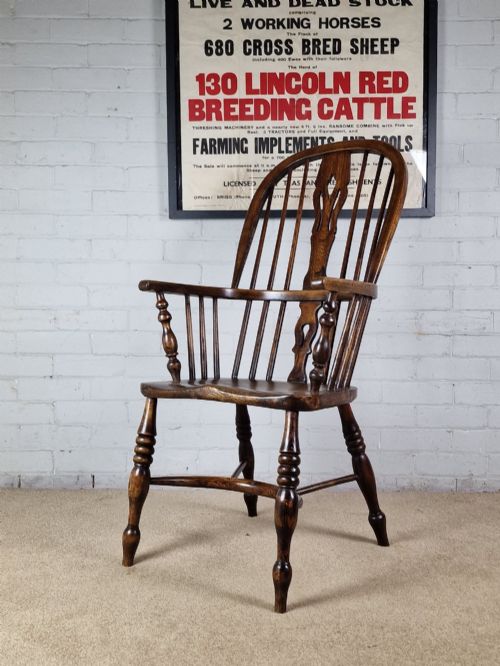
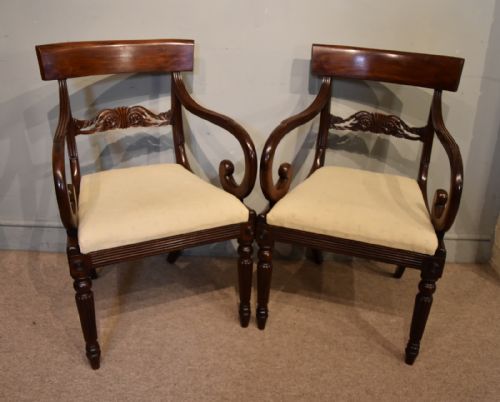
A turned leg wooden carver provides a substantial armchair format designed for dining tables, parlours or farmhouse kitchens. These pieces appear primarily across the nineteenth century, including Victorian, Regency and Edwardian eras, reflecting domestic seating traditions.
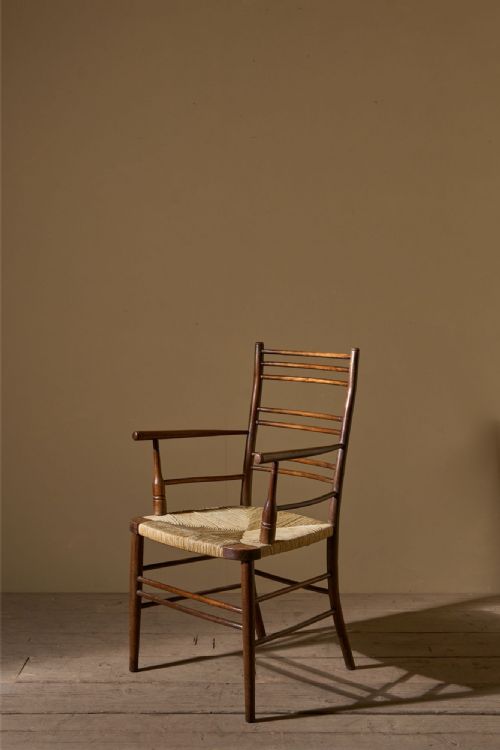
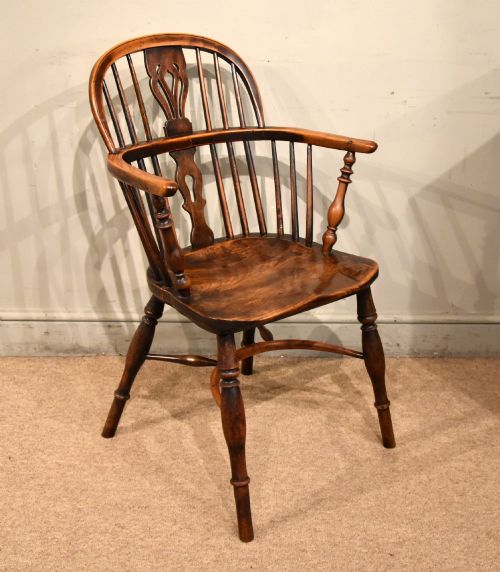
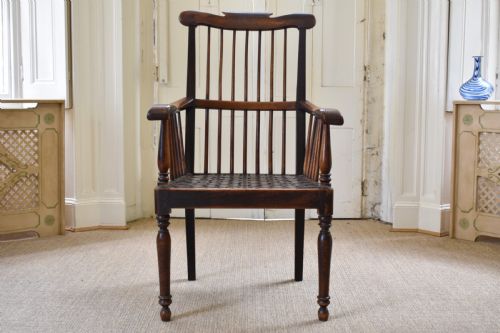
The selections on this page feature robust Windsor designs, elbow chairs and lath back armchairs. Buyers most frequently encounter regional country styles shaped from native timbers rather than formal urban parlour suites.
Materials and Construction
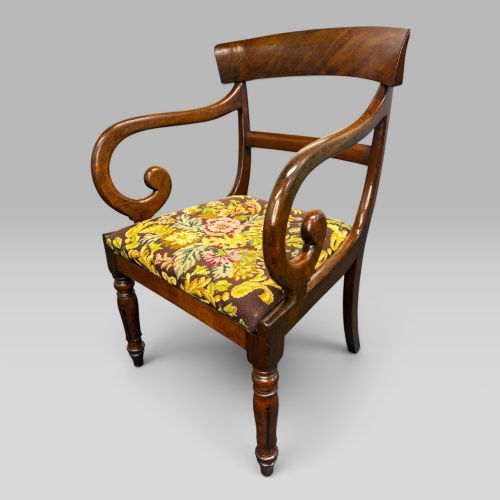
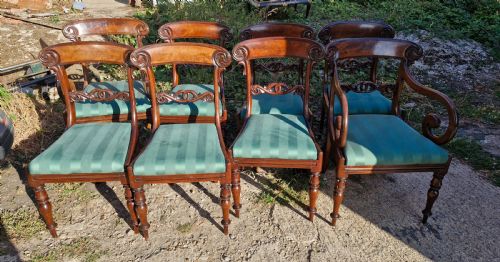
Cabinet makers utilised dense native hardwoods such as elm, ash, beech, oak and mahogany. Seats often consist of shaped solid elm planks, while spindles and legs employ turned beech, ash or fruitwood.
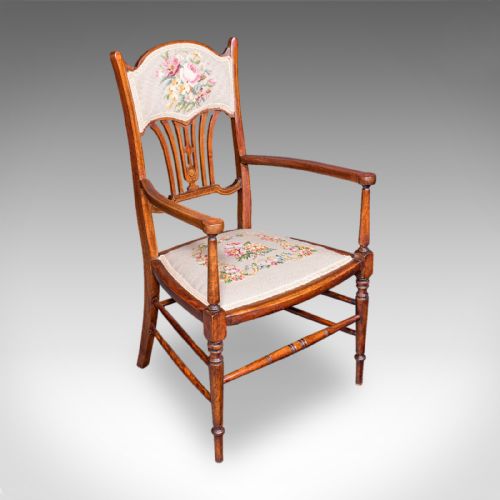
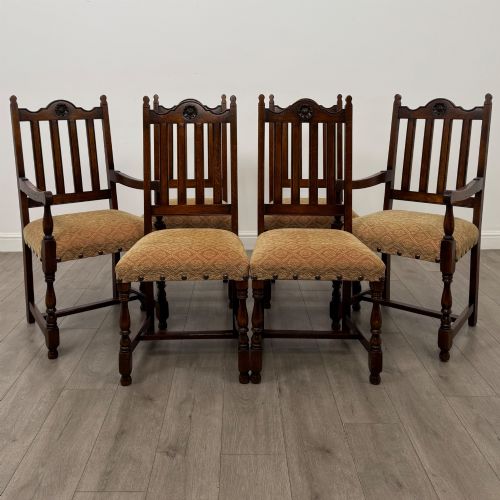
Joinery relies on traditional methods including wedged tenons and steam-bent components. Certain examples integrate rush seating or upholstered pads covered in fabric.
Listings span the nineteenth century through the Edwardian period, uniting oak, mahogany, elm, ash and beech in regional carver designs.
Craftsmanship and Proportion
Superior examples display balanced proportions in the hoop or stick back alongside crisp execution of the turned legs. The selection of timbers, such as contrasting yew wood or figured mahogany, distinguishes finer commissions from standard utility seating.
Structural integrity depends on the tightness of the spindle joints and the preservation of the original wooden seat. Retaining authentic surface patination on the timber enhances the character of the piece.
The Turned Leg Wooden Carver Glossary
- Carver
- An armchair, typically larger than its matching dining chairs, designed with armrests for the head of the table.
- Windsor
- A chair built with a solid wooden seat into which the legs, back and armsticks are dowelled directly.
- Spindleback
- A chair back constructed from a series of slender turned vertical wooden rods.
- Elbow chair
- An alternative term for a carver chair, featuring low arms suited for positioning beside a desk or dining table.
- Rush seat
- A woven seating surface made from dried marsh grasses twisted into cords.
Turned Leg Wooden Carver: Frequently Asked Questions
What is a turned leg wooden carver?
A turned leg wooden carver is a sturdy armchair featuring legs shaped on a lathe. These seats typically served in dining rooms, country houses and kitchens.
They combine supportive armrests with traditional wooden construction, making them practical for everyday seating.
How do I date a wooden carver chair?
Dating relies on timber species, construction methods and stylistic markers such as spindle shapes or upholstery details. Nineteenth century examples often show characteristic wear patterns and regional turning styles.
Comparing the grain structure and joinery techniques helps establish the period of manufacture.
Where were these chairs used?
These armchairs served multiple domestic functions in period homes. They were placed around dining tables, beside firesides or utilised as desk chairs in morning rooms.
Their robust timber construction suited heavy daily use in both country farmhouses and town residences.
How do I care for antique wooden carvers?
Maintain antique wooden carvers by keeping them away from direct heat sources and sudden humidity changes. Regular dusting with a dry cloth preserves the finish.
Applying a traditional beeswax polish occasionally helps nourish dry timber without harming the patination.