


Antique Whiskey Decanter Box
An antique whiskey decanter box secures your spirits behind fine timber and metalwork, offering both display and safe keeping.
Antique Whiskey Decanter Box
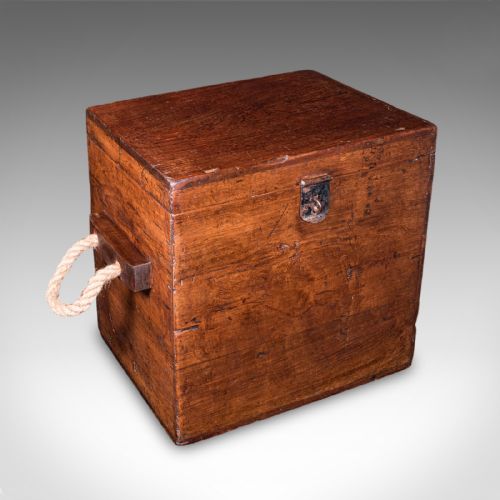
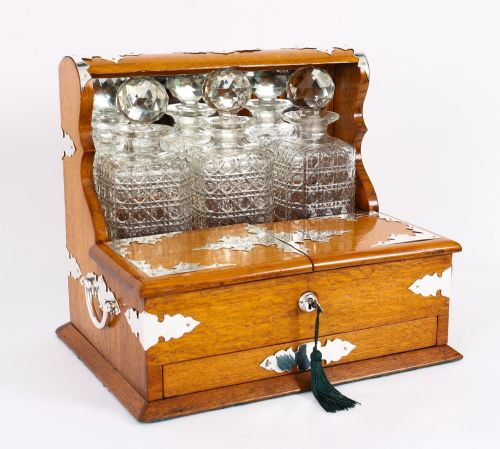
An antique whiskey decanter box brings together heavy glass bottles and fitted wooden housings designed to contain drinks safely. These pieces range from simple lockable caskets to elaborate tantaluses incorporating games compendiums and dry bars.
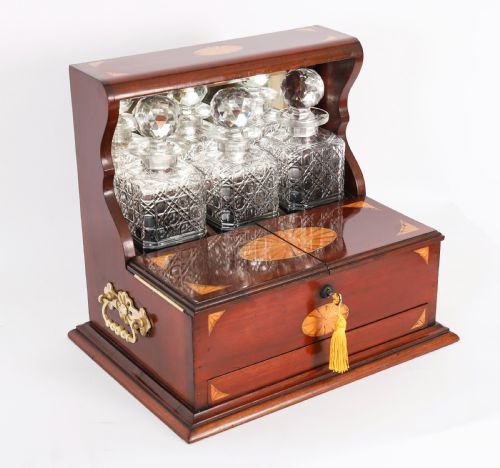
The versions most commonly found here date from the Victorian and Edwardian eras, executed in oak, mahogany, walnut, or coromandel. Many examples feature brass mounts and hold two or three cut glass or crystal decanters.
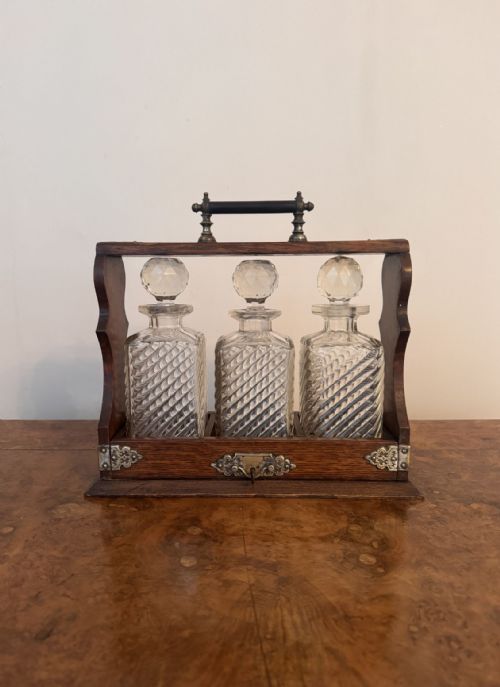
The search phrase encompasses both traditional lift-out decanter boxes and locking tantalus frames that prevent access without a key. Both forms served as portable or sideboard drinks cabinets for the nineteenth-century household.
Materials and construction
Cabinetmakers constructed these boxes using solid and veneered hardwoods such as oak, mahogany, and exotic coromandel, often enhanced with satinwood inlay or brass bound corners. The timber frames were jointed and fitted with internal partitions to secure the glassware during movement.
Hardware elements like locking mechanisms, hinges, and carrying handles utilise cast brass, whilst the bottles themselves consist of heavy cut glass or cut crystal. Edwardian and Victorian iterations frequently incorporate silver-plated locking bars and fittings to secure the decanters in place.
Many a Victorian butler found himself outwitted by guests who discovered how to tilt the unlocked decanter just enough for a sip.
Distinctions in quality
Quality in these pieces rests upon the selection of timber, the weight and depth of the glass cutting, and the complexity of the internal fittings. Superior examples combine games compendiums, secret drawers, or matching cut crystal decanters within a robust hardwood carcass.
The integration of substantial brass mounts and properly functioning locking mechanisms distinguishes better workshops from simpler production. Finer boxes display thoughtful grain matching and precise joinery rather than purely utilitarian construction.
The Antique Whiskey Decanter Box Glossary
- Tantalus
- A locking drinks holder that exposes glass decanters to view whilst preventing the removal of the bottles without a key. The mechanism typically slides over the stoppers to block them.
- Compendium
- A fitted box containing multiple pastimes, such as cards and board games, integrated alongside the decanter storage. These multi-purpose boxes were popular in late nineteenth-century interiors.
- Coromandel
- A dense, heavy cabinet timber from South-East Asia featuring dark brown colouring with contrasting black grain. It was reserved for high-end nineteenth-century luxury boxes.
- Satinwood
- A pale, lustrous hardwood utilised for decorative stringing and contrasting inlay work on Victorian and Edwardian cabinet pieces.
- Silver Plate
- A thin layer of silver fused to a base metal, commonly applied to the locking bars and carrying handles of tantaluses during the Victorian period.
Antique Whiskey Decanter Box: Frequently Asked Questions
What is a tantalus?
A tantalus is a specialised locking frame designed to hold decanters securely while preventing unauthorized access to the contents. The metal bar locks over the glass stoppers so the bottles cannot be removed without the key.
This clever device gained popularity in the Victorian era as a way for hosts to keep spirits secure from household staff while still displaying the collection.
How do I date an oak decanter box?
Dating relies on examining the timber species, hardware style, and construction methods. Pieces from the Georgian period feature simpler mahogany carcasses, whereas Victorian and Edwardian examples frequently incorporate quarter-sawn oak, elaborate brass mounts, and silver-plated locking mechanisms.
Internal design also offers clues, as late nineteenth-century models often expand into multi-functional games compendiums and dry bars.
Were these boxes meant to travel?
While some incorporate side carrying handles, most domestic decanter boxes were designed for stationary placement on sideboards, tables, or dedicated cellar stands within the home. Their heavy glass bottles and fitted wooden frames made them cumbersome to move frequently.
They functioned primarily as secure entertaining furniture rather than portable luggage.
How should I care for the wood and brass?
Maintain the timber by applying a microcrystalline wax sparingly to nourish the polished surface without building up residue. Avoid placing the box in direct sunlight or near heat sources to prevent the wood from splitting or warping.
Clean the brass mounts gently with a soft cloth, taking care not to let metal polish come into contact with the surrounding wood.