




Antique Welsh Server
An antique welsh server is a sturdy, practical timber base built for service, offering a combination of drawers and open potboards that suits traditional and modern kitchens alike.
Antique Welsh Server
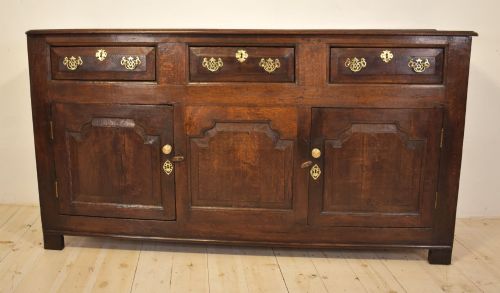
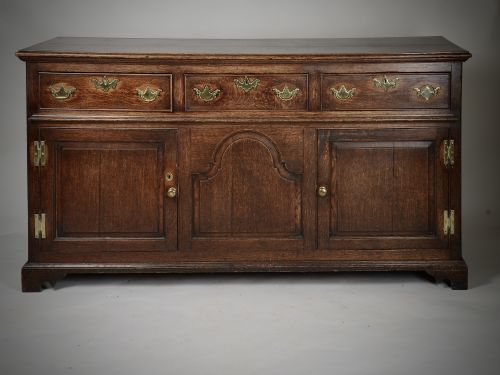
When searching for an antique welsh server, buyers encounter low, long sideboards and dresser bases that originate predominantly from the eighteenth and nineteenth centuries. These pieces were constructed in regional workshops across Wales and the English borders to hold provisions and display household wares.
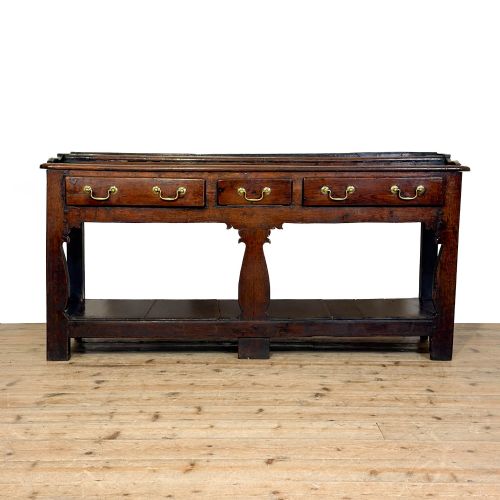
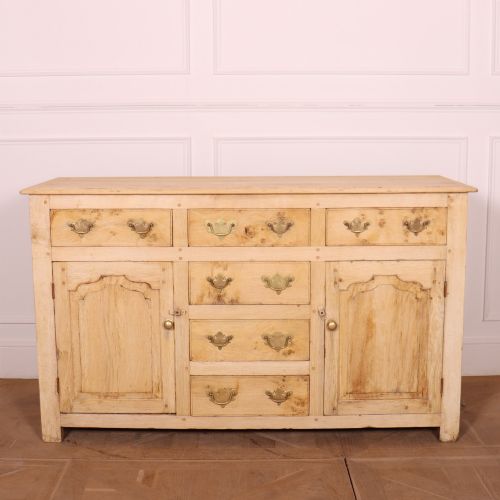
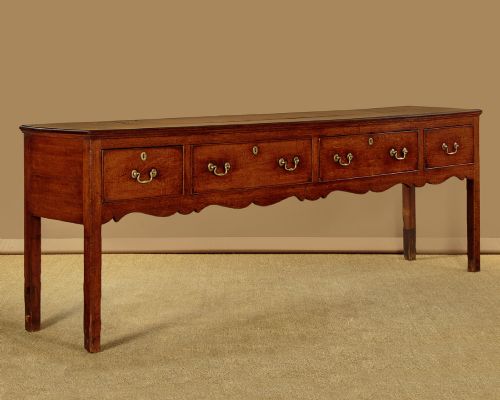
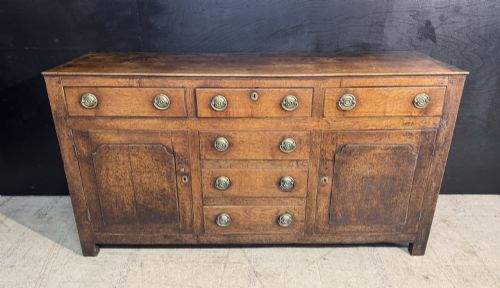
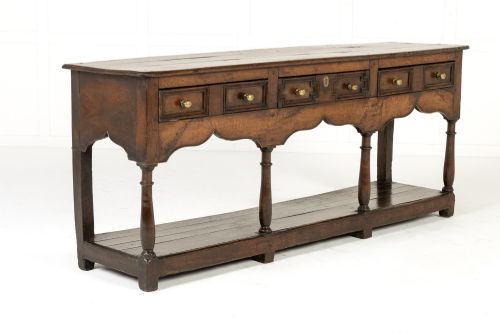
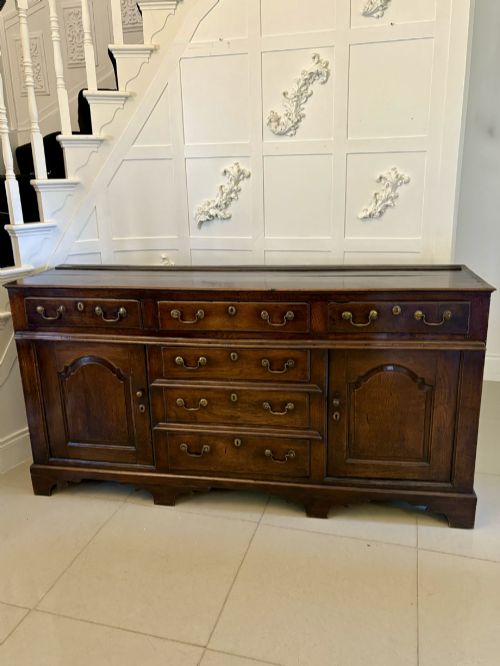
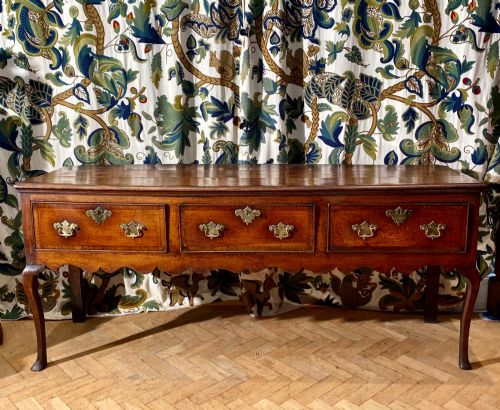
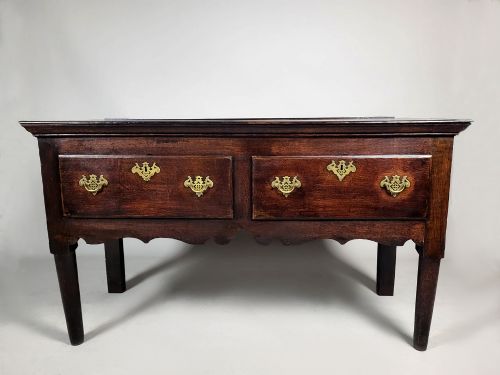
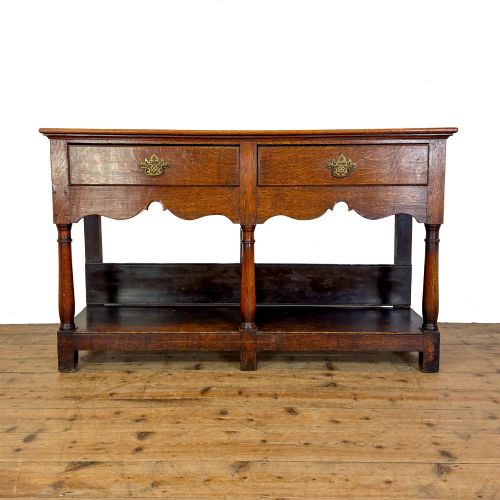
The most common form on this page is the oak dresser base or server featuring a long rectangular top above a run of drawers, sometimes paired with an open lower potboard shelf. Examples span Georgian, George III, and Victorian periods, alongside regional styles such as Welsh vernacular and country rustic pieces.
Materials and construction methods
Cabinet makers relied primarily on solid oak, supplemented by elm, pine, and fruitwood inlay for decorative contrast. Timber was selected for durability, with boards joined using traditional pegged mortise and tenon joints to withstand heavy daily use.
Metal fittings such as brass drop handles and iron hinges were incorporated to secure drawers and doors. Surfaces were finished by hand, leaving visible tool marks and grain patterns that reflect regional vernacular traditions.
Antique Welsh Server Retail Price Guide 2026
Typical asking prices for welsh server among the pieces listed under this phrase on Sellingantiques today, from the lower quarter to the upper quarter. They describe what is for sale here now, not the wider market.
Materials recorded across the inventory include oak, elm, pine, fruitwood inlay, painted timber, brass, and iron.
Distinctions in quality
Quality rests in the integrity of the timber selection and the retention of original structural elements such as brasses, potboards, and turned or cabriole legs. Pieces that retain their early surface patination and unreplaced hardware stand apart from heavily restored alternatives.
Proportion and scale also dictate value, with smaller vernacular servers or exceptionally long eight-foot formats demonstrating greater craftsmanship. The crispness of geometric carvings and the tightness of the drawer joints further separate standard country furniture from finer workshop production.
The Antique Welsh Server Glossary
- Potboard
- An open lower shelf fitted between the legs of a server or dresser base, traditionally used for storing pots and pans. This platform sits close to the floor and is supported by four or more upright legs.
- Dresser base
- The lower section of a kitchen dresser, functioning independently as a sideboard or serving table. It typically incorporates multiple drawers above an open space or enclosed cupboards.
- Vernacular
- Furniture built by local craftsmen following regional traditions rather than metropolitan pattern books. These pieces use accessible local timbers such as oak, elm, and pine.
- Patina
- The surface sheen and colour acquired by wood over centuries of handling, cleaning, and exposure to light. A desirable patination shows depth and warmth without artificial polishing.
- Geometric carving
- Surface decoration formed by shallow incisions in patterns such as squares, triangles, or chevrons. This technique appears on panels and drawer fronts of seventeenth and eighteenth-century oak furniture.
Antique Welsh Server: Frequently Asked Questions
What is the difference between a server and a dresser base?
A server and a dresser base refer to the same foundational furniture form on this page, designed primarily for food preparation and serving. Both typically feature a long wooden top surface with rows of drawers beneath.
While some listings distinguish them by name, they share identical origins in country kitchens and dining rooms. The terminology often depends on whether the piece was originally paired with upper plate racks.
How do I date an oak server?
Dating relies on examining construction marks, timber preparation methods, and hardware styles. Eighteenth-century examples often display hand-sawn board widths and pegged joints.
Later nineteenth-century pieces may introduce machine-sawn elements and standardised fixings. Comparing the drawer linings and foot styles against known period traits helps narrow down the decade.
Where were these servers made?
These pieces originate from rural workshops across Wales and regional England, with specific listings noting areas like Montgomeryshire and the Conway Valley. Local cabinet makers utilised native woods available in their immediate surroundings.
This regional geography influenced construction techniques and decorative choices, creating distinct local styles within country furniture.
How should I care for an antique oak surface?
Maintain antique oak by keeping it away from direct heat sources and sudden humidity changes to prevent the timber from splitting. Dust regularly with a dry cloth and apply natural beeswax sparingly to nourish the dry wood.
Avoid silicone-based polishes, as they build up over time and dull the historic patinated finish.