

Antique Welsh Carving
These pieces of antique welsh carving bring regional vernacular joinery and folk art into domestic interiors.
Antique Welsh Carving
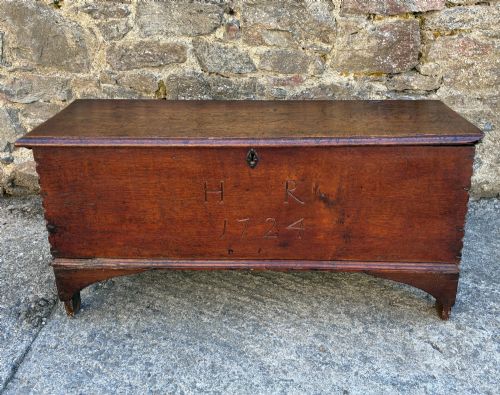
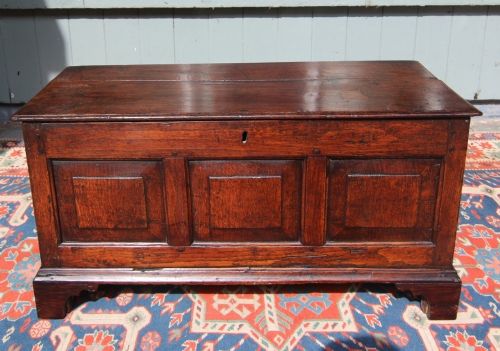
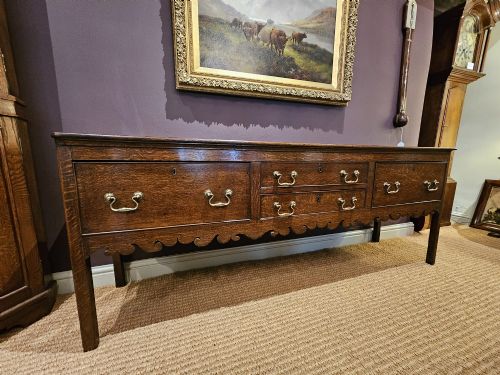
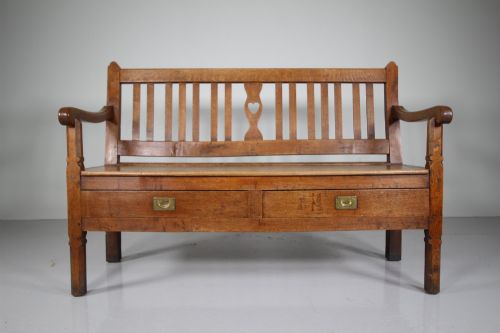
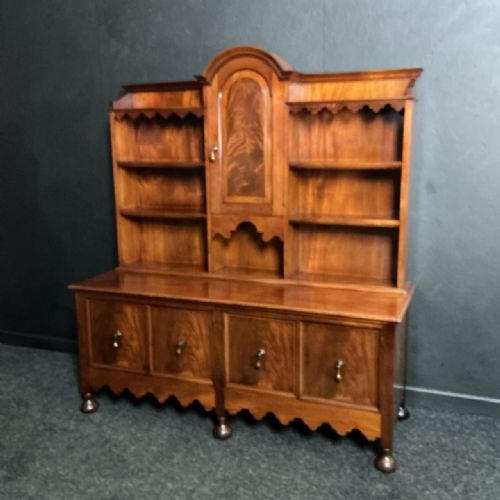
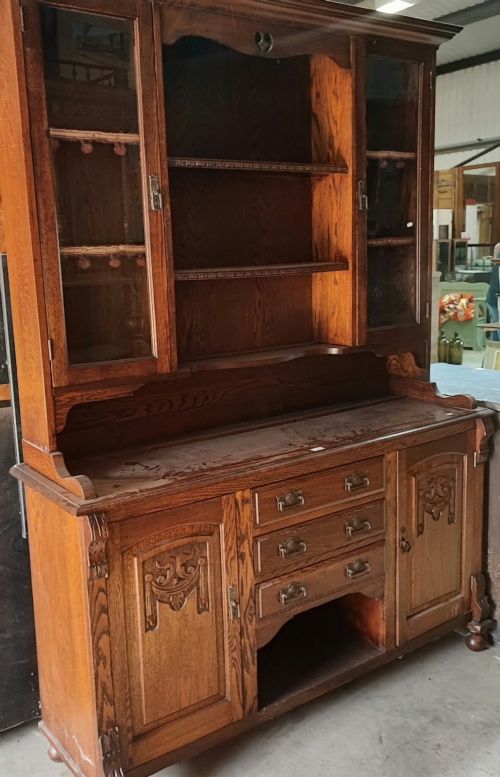
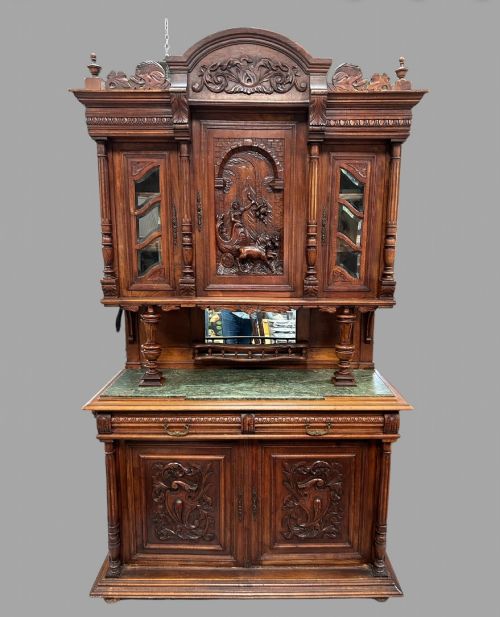
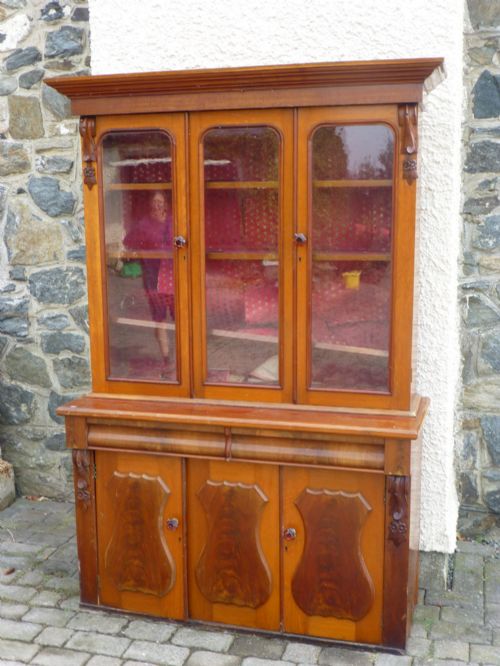
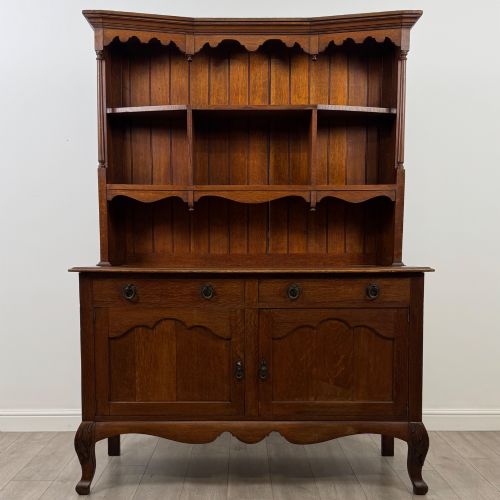
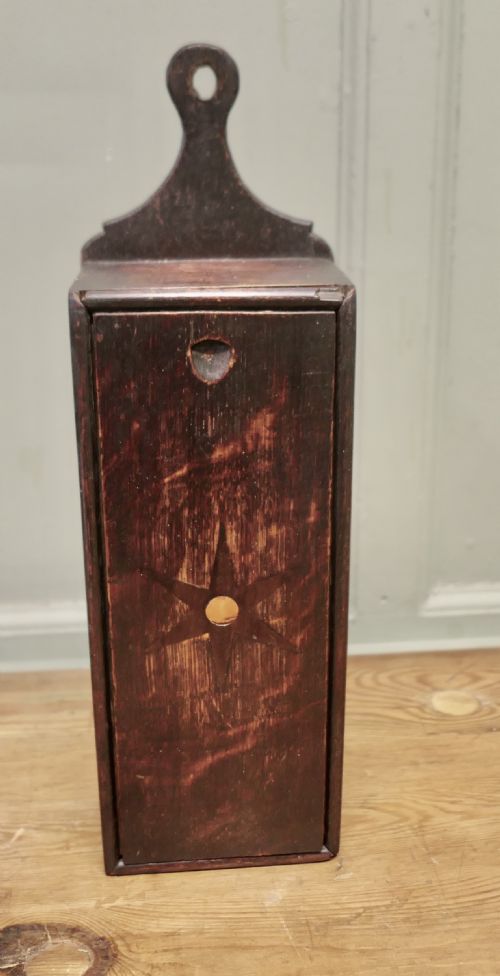
When searching for antique welsh carving, a buyer encounters domestic storage and seating forms rooted in regional domestic life. The listings comprise substantial items like dressers, coffer chests, and food cupboards alongside smaller domestic objects such as wall boxes, spoons, and miniature slate models.
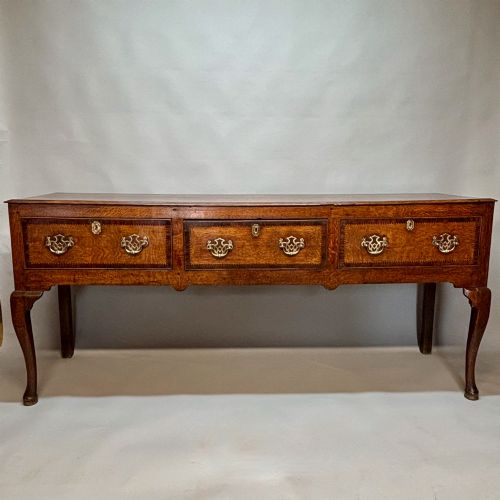
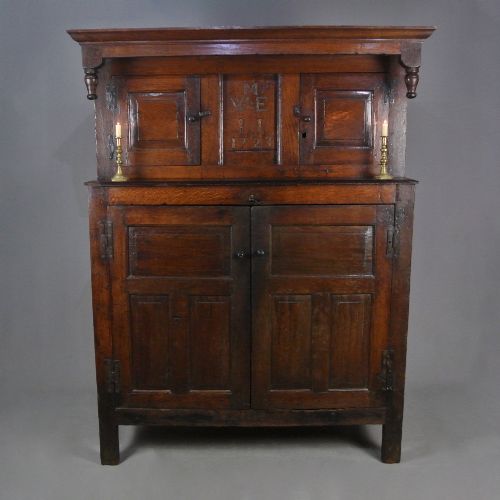
The material character is dominated by native hardwoods, particularly oak and elm, shaped in Welsh vernacular and country styles. Dressers and press cupboards form the core of the selection, spanning periods from the seventeenth century through the Victorian era.
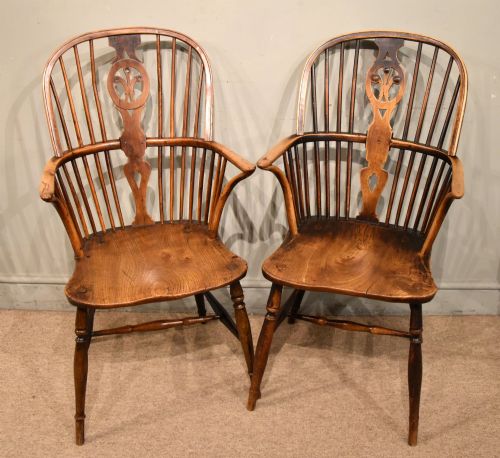
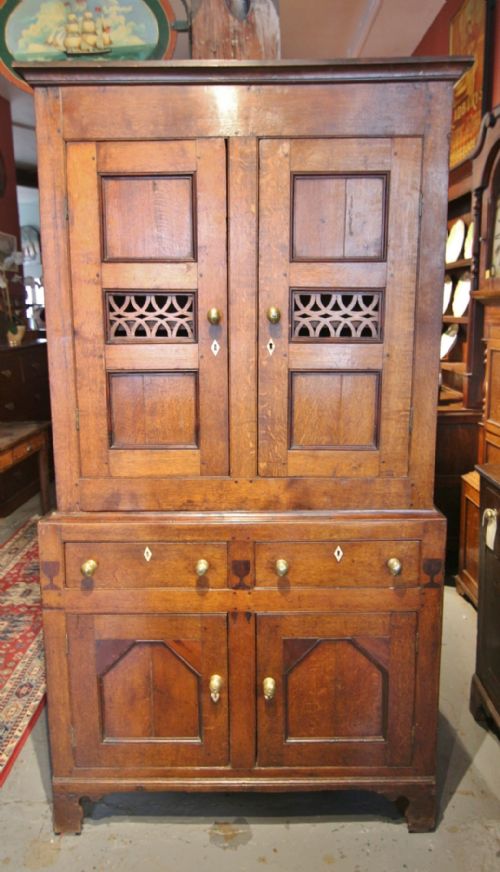
Regional variations appear in specialised forms like the cwpwrdd tridarn and deuddarn, alongside vernacular armchairs and inlaid bread and cheese cupboards. These pieces reflect the functional needs of rural households combined with local decorative carving traditions.
How they were made
Construction relies heavily on solid oak and elm, worked with traditional joinery techniques suited to sturdy domestic furniture. Carpenters utilised panel and frame methods for cupboards and dressers, while smaller items employed plank construction or carved slate and polychrome wax decoration.
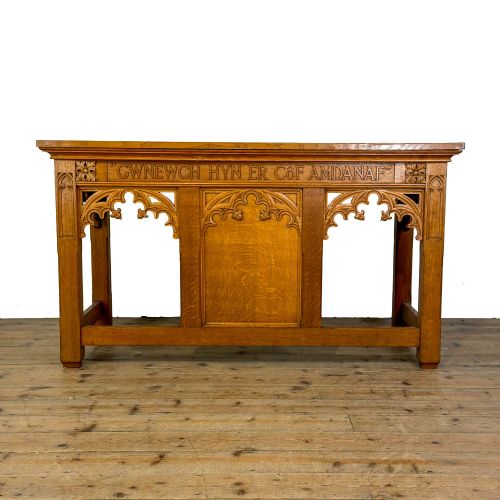
Surface ornamentation ranges from geometric panel moulding to deep relief carving executed on local timbers. Regional workshops incorporated brass or iron hardware alongside mahogany elements in later nineteenth-century adaptations.
Listings feature oak, elm, mahogany, and slate across periods spanning the seventeenth century to the Edwardian era.
What varies in quality
The standard of a piece rests upon the crispness of the hand-carved detail and the integrity of the structural timber. Pieces retaining their original patination and uncompromised regional proportions stand above those with extensive timber replacement or altered surfaces.
Complexity of form distinguishes standard regional utility furniture from sophisticated examples featuring tiered canopies, intricate inlay, or documented regional provenance such as the Gower peninsula.
The Antique Welsh Carving Glossary
- Cwpwrdd Tridarn
- A traditional Welsh three-tier cupboard featuring an enclosed upper section, an open middle stage with turned spindles, and cupboards below. This form represents a substantial piece of regional vernacular joinery.
- Cwpwrdd Deuddarn
- A two-tier Welsh press cupboard used for domestic storage. It typically includes panelled doors and carved detailing specific to local workshops.
- Mule Chest
- A storage chest fitted with one or more drawers beneath the main compartment. These pieces combine the function of a traditional coffer with accessible drawer storage.
- Welsh Vernacular
- A style of furniture making characterised by local materials, utilitarian design, and regional building traditions. It prioritises sturdy construction using native woods like oak and elm.
- Lovespoon
- A decorative wooden spoon intricately carved as a token of affection or betrothal. Welsh examples often feature complex pierced work, chains, and symbolic motifs.
Antique Welsh Carving: Frequently Asked Questions
How do I identify Welsh oak furniture?
Welsh oak furniture is identified through regional construction traits, native timber usage, and vernacular forms like the deuddarn or dresser. The joinery reflects local workshop practices rather than metropolitan cabinet-making standards.
Surface patination on native oak and elm develops a deep tone through generations of domestic use and polishing.
Where were these pieces used?
These items were produced for domestic use in rural Welsh farmhouses and village dwellings. They served practical storage functions for food, textiles, and household goods.
Larger furniture items occupied main living quarters, while smaller carvings and boxes served daily functional and decorative roles.
How should I care for antique oak?
Antique oak benefits from stable indoor humidity and protection from direct sunlight. Minimal maintenance using traditional beeswax preserves the historic surface.
Avoid modern liquid polishes that can penetrate unsealed grain and alter the natural patina of the wood.