





Carved Stone Plaque
These carved stone plaque examples offer substantial architectural presence and classical detail, providing an instant focal point for a wall or garden.
Carved Stone Plaque
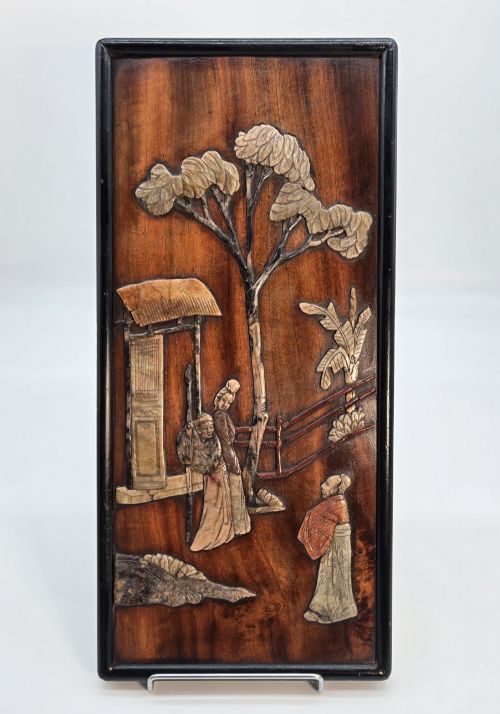
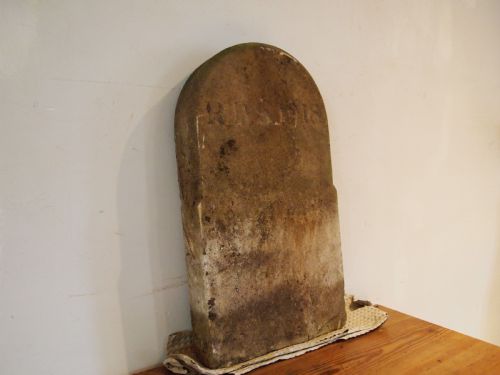
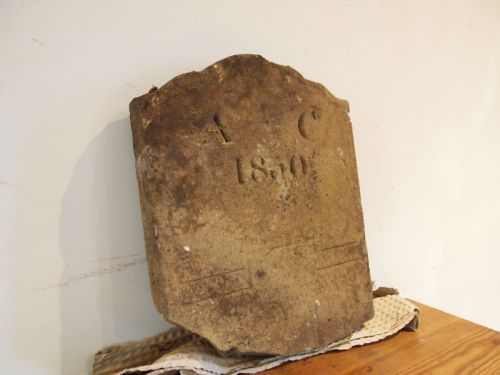
When you search for a carved stone plaque, you encounter a diverse selection of architectural salvage, wall plaques, and relief sculptures spanning multiple centuries. The objects range from Neoclassical Italian marble profiles and Chinese jade framed pictures to Victorian memorial stones and dated York stone architectural fragments.
The assortment on this page most frequently includes nineteenth-century marble reliefs, classical Italian Grand Tour souvenirs, and regional British stone markers like Welsh slate plaques and York stone headstones. Pieces vary considerably in scale and function, encompassing interior decorative panels, exterior keystones, and intricate desk specimens.
Origins stretch from European workshops, including Italian and Welsh carvers, to traditional Chinese ateliers producing jade and hardstone works. Buyers select these items for their textural weight, historic inscriptions, and sculptural depth, which anchor both period interiors and traditional garden schemes.
How they were made
Makers shaped these objects primarily from natural hard materials such as marble, sandstone, slate, York stone, and jade using manual chisels, incision tools, and polishing abrasives. Sculptors utilised white marble, Sienna marble, and hardstones to achieve smooth bas-relief profiles and high-contrast cameo portraits.
Certain items incorporate specialised techniques like pietra dura or specimen inlay, where various coloured marbles are set flush into a backing slab. Architectural elements such as keystones and headstones rely on deep relief carving and incised lettering directly into sandstone or limestone substrates to withstand weathering and structural placement.
One set comprises twelve Welsh slate hand-carved plaques, proving that someone had a great deal to say in stone.
What varies in quality
The level of sculptural articulation dictates the standard of each piece, distinguishing shallow, schematic incision from deeply undercut, expressive human musculature and drapery. Natural mineral inclusions, veining variations, and the presence of artist signatures or specific historic dates further elevate certain examples above standard decorative output.
The condition of the stone surface, preservation of sharp carved edges, and integrity of any framed mounts or inlaid elements determine the overall refinement. Works executed during the Grand Tour or signed by known hands demonstrate superior anatomical accuracy and composition compared to anonymous utilitarian markers.
Kasper Hendrik Roskam
The Carved Stone Plaque Glossary
- Bas-relief
- A sculptural technique where the figures project only slightly from the background plane. This shallow depth is common in profile portraits and memorial panels.
- Grand Tour
- A traditional trip of Europe undertaken by upper-class young European men of means in the eighteenth and nineteenth centuries. Souvenirs from these travels frequently included carved marble cameos and classical architectural reliefs.
- Keystone
- The central wedge-shaped stone at the summit of an arch that locks the other pieces in place. Dated examples were often inscribed to mark the construction of a building.
- Pietra dura
- An artistic technique of using cut and fitted polished coloured stones to create images. This method appears on inlaid marble desk pieces and decorative wall panels.
- Relief sculpture
- Three-dimensional artwork where the sculpted elements remain attached to a solid background of the same material. It provides textural depth without requiring fully rounded freestanding execution.
Carved Stone Plaque: Frequently Asked Questions
Where should I hang a heavy stone plaque?
Heavy stone and marble panels require secure mechanical fixing directly into masonry or reinforced wall studs rather than standard plasterboard hooks. Professional installation ensures the substantial weight of the material is properly supported.
Positioning them at eye level in hallways, libraries, or garden rooms allows the carved details and natural stone veining to be fully appreciated in natural light.
Can these stone plaques go outside?
Suitability for outdoor display depends entirely on the specific stone geology and the environment. Denser materials like York stone and certain sandstones handle exterior placement well, whereas delicate jade or fine-grained Italian marbles risk weathering damage from frost and moisture.
Sheltered garden walls or covered porticos provide an ideal middle ground for pieces intended to bridge interior and exterior spaces.
How do I clean an antique marble relief?
Routine maintenance requires only a soft, dry brush or microfibre cloth to remove dust from the carved recesses. Avoid abrasive cleaning agents, acidic liquids, or excessive water, which can etch the polished stone surface or damage historic patination.
Stubborn grime on unpolished architectural stone can sometimes be addressed with professional conservation advice tailored to the specific mineral composition.
What is a Grand Tour souvenir?
Grand Tour souvenirs were portable artworks and antiquities acquired by travellers touring cultural centres like Rome and Florence during the eighteenth and nineteenth centuries. These items often replicated classical sculptures or Roman emperors in miniature marble or cameo form.
They serve as tangible links to historical travel practices and nineteenth-century collecting tastes.