



Antique Welsh Blanket
An antique welsh blanket sits at the heart of country interiors, bringing historic texture and warmth to modern homes.
Antique Welsh Blanket
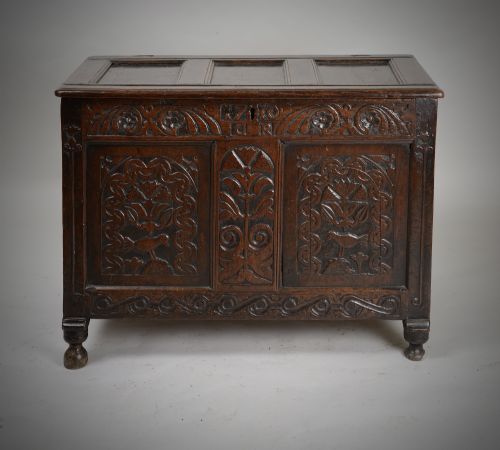
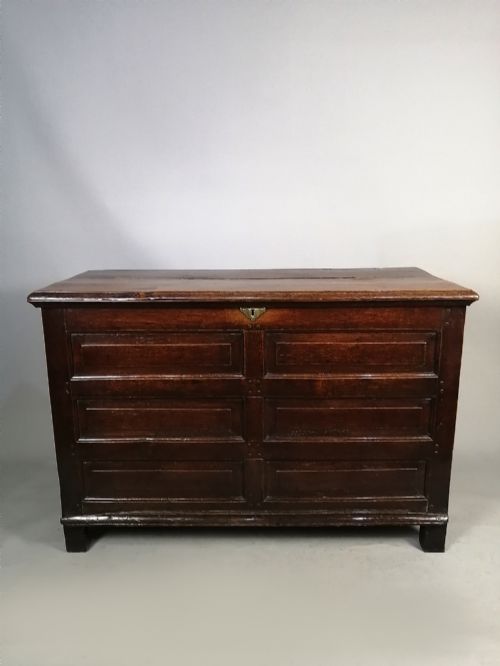
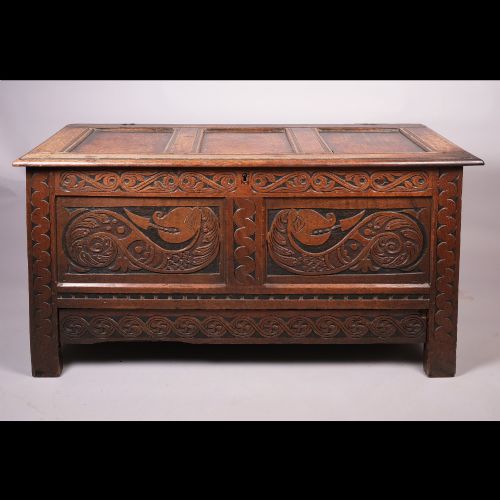
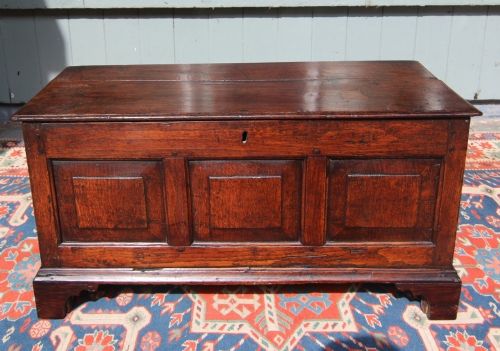
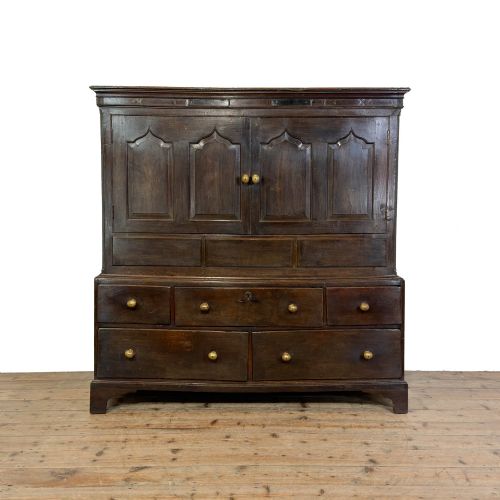
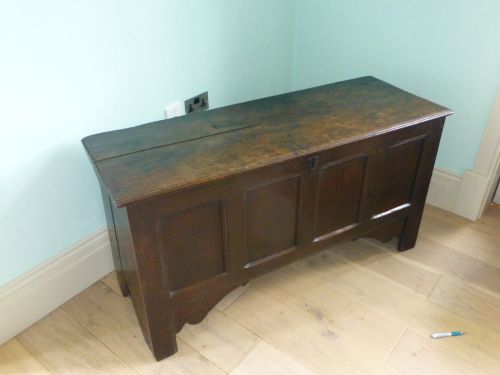
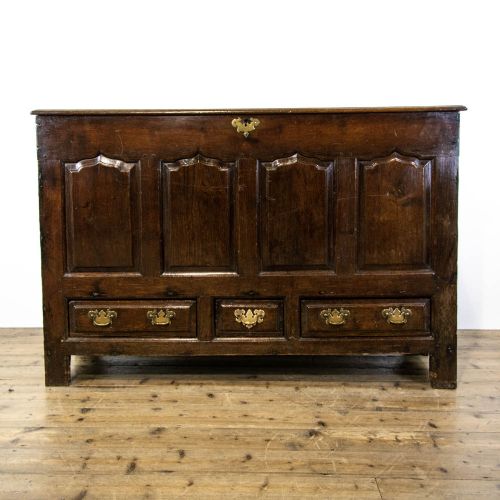
When you search for an antique welsh blanket, you are looking at utilitarian textiles produced in rural Wales during past centuries. The listings here comprise robust storage chests and blanket boxes rather than the soft furnishings named in the phrase, reflecting the physical oak and pine furniture associated with these fabrics.
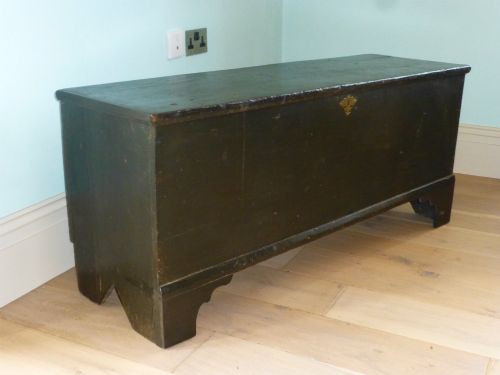
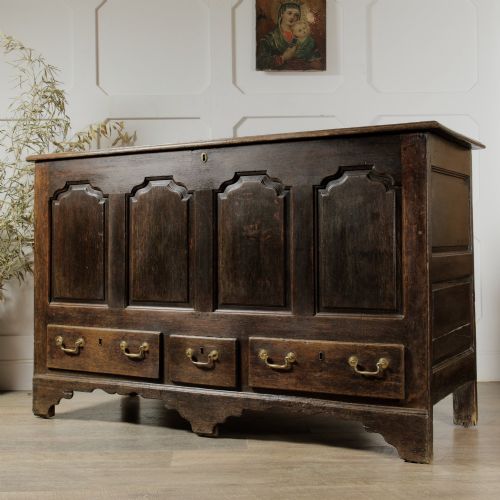
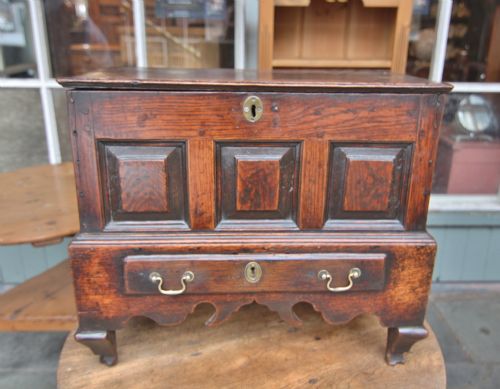
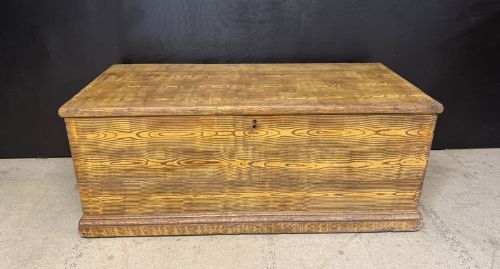
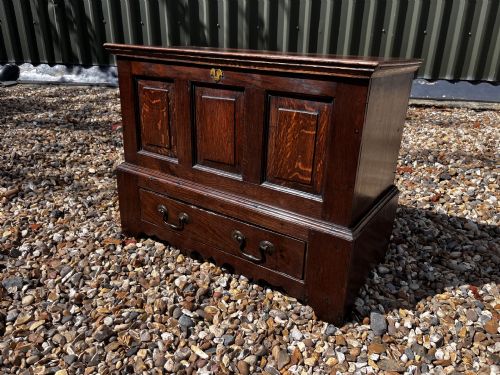
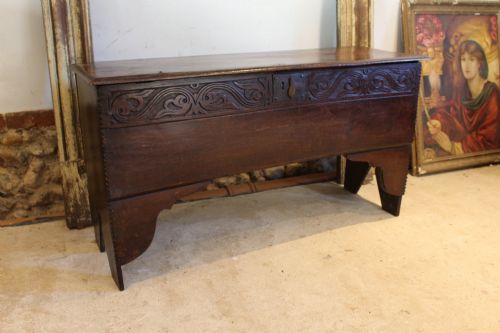
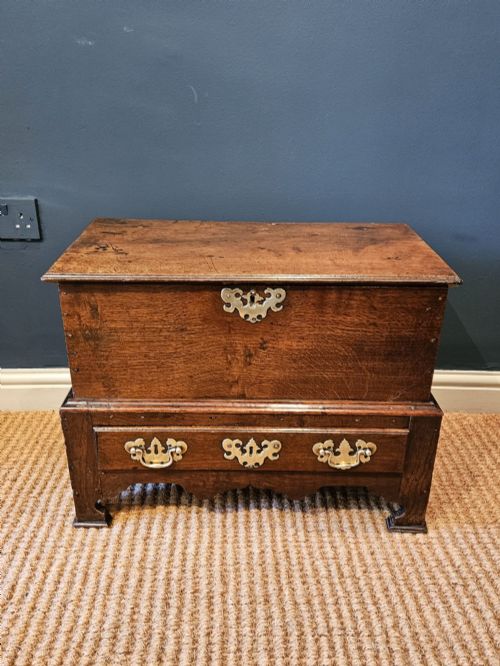
The pieces on this page span vernacular storage forms including the miniature coffer bach, mule chests with lower drawers, and six-plank construction boxes. Oak predominates, supplemented by pine and elm from local workshops across regions such as Gower and Snowdonia.
These items served domestic needs for linen and textile storage in farmhouses and modest dwellings. Their survival demonstrates the utility and enduring construction methods of Welsh country cabinet makers.
How they were made
Local craftsmen utilised native hardwoods, predominantly oak alongside pine and elm, felled and seasoned near the workshops. Boards were hand-rived or sawn, then joined using traditional pegging, dovetails, and simple plank construction without metal mass-production fasteners.
Surfaces received hand-planing and occasional simple carved details or fruitwood inlay rather than heavy veneer. Iron and brass hinges, locks, and brackets were hand-forged by regional blacksmiths to secure the lids and compartments.
Antique Welsh Blanket Retail Price Guide 2026
Typical asking prices for welsh blanket among the pieces listed under this phrase on Sellingantiques today, from the lower quarter to the upper quarter. They describe what is for sale here now, not the wider market.
Current listings feature oak and pine storage pieces spanning the sixteenth to the nineteenth century, including regional coffer bach and mule chests.
What varies in quality
The distinction between ordinary utility items and finer examples rests on proportion, timber selection, and regional quirkiness. Grain figure in the oak, the delicacy of turned feet on a coffer bach, and the integrity of early plank construction define the upper tier.
Proportion and regional identity dictate desirability among collectors, where pieces retaining untouched original surfaces outrank those heavily restored. The refinement of vernacular joinery marks the difference between standard provincial work and master country craftsmanship.
The Antique Welsh Blanket Glossary
- Mule chest
- A storage chest fitted with one or more drawers beneath the main internal compartment. This form bridges the traditional coffer and the modern chest of drawers.
- Six-plank chest
- An early construction method utilising six distinct boards pinned together at the corners. It represents one of the oldest surviving vernacular furniture forms.
- Vernacular furniture
- Domestic pieces made by local regional joiners for everyday use rather than high-style urban workshops. These objects reflect local materials and traditional construction methods.
Antique Welsh Blanket: Frequently Asked Questions
What is a coffer bach?
A coffer bach is a small miniature chest produced in Wales, typically featuring a hinged top and a drawer beneath the main compartment. These items were often made for family milestones.
Their compact scale made them suitable for tabletop use or storing precious linens and documents within the farmhouse.
How were mule chests used?
Mule chests combined deep top storage for blankets with accessible lower drawers for smaller garments. This layout improved daily household organisation.
Families placed them in bedrooms and landings to keep textiles clean and secure from damp Welsh air.
How do I identify Welsh oak?
Welsh oak furniture displays dense grain patterns and a characteristic deep patination developed over centuries of domestic wear and wax polishing. Local makers utilised timber from regional woodlands.
Construction details such as hand-cut pegs and vernacular jointing help distinguish these provincial pieces from English urban equivalents.
Where were these pieces made?
These storage pieces originated in rural Welsh communities, with specific stylistic traits attributed to regions like Snowdonia and the Gower Peninsula. Local rural joiners built them using nearby timber stocks.
Every district maintained slight variations in foot styles, panel carving, and proportion.