
Antique Weaving
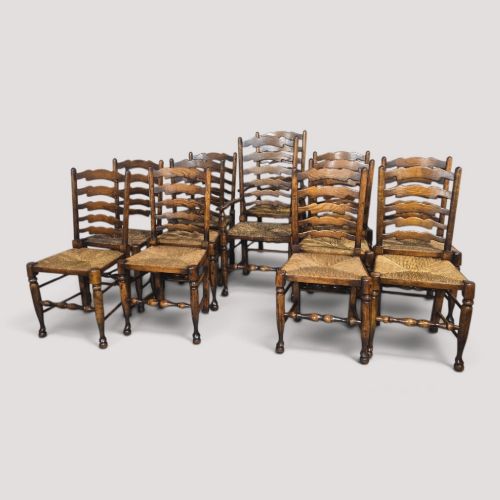
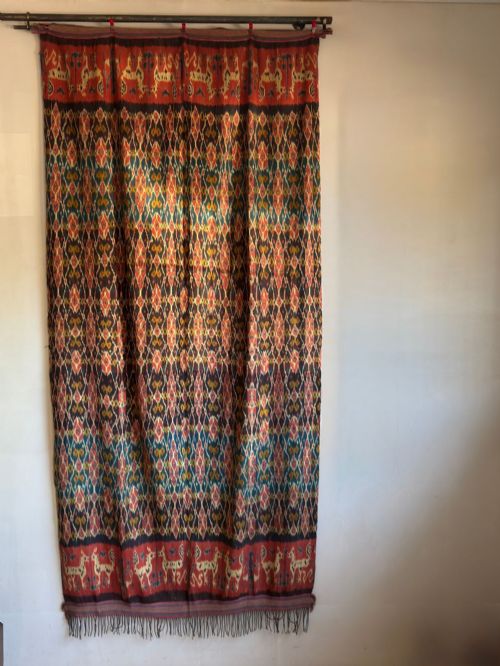
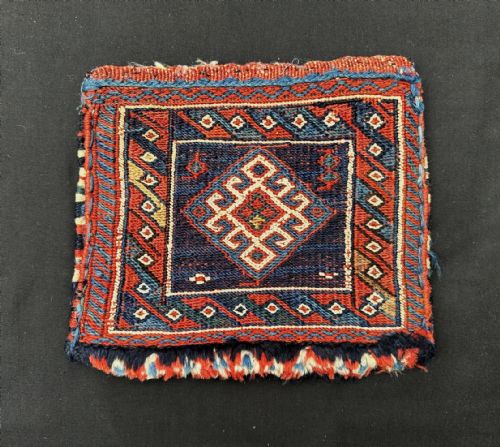
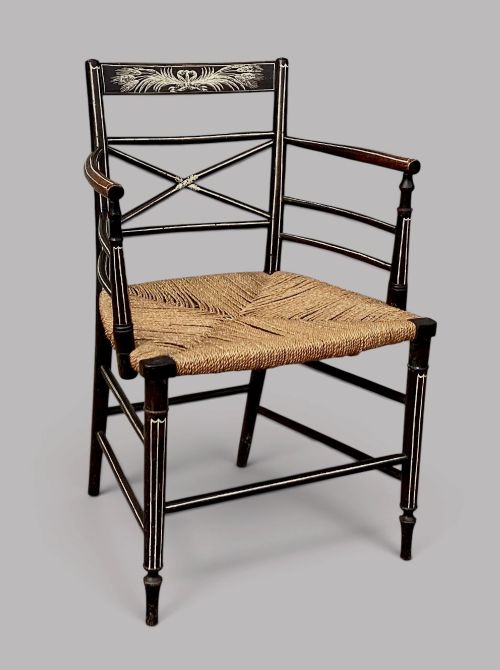
These pieces gathered under antique weaving span tribal carpets from Persia and the Caucasus alongside British rush-seated chairs and bamboo furniture.
Antique Weaving
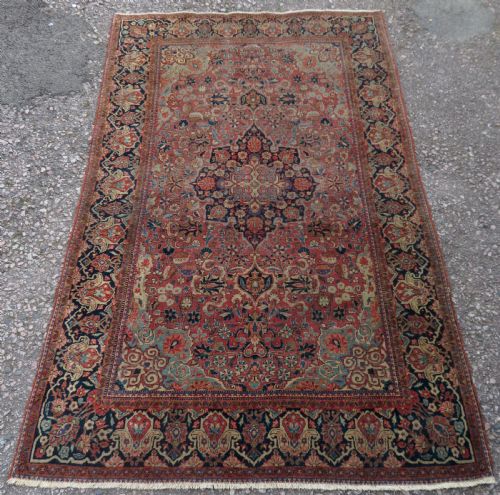
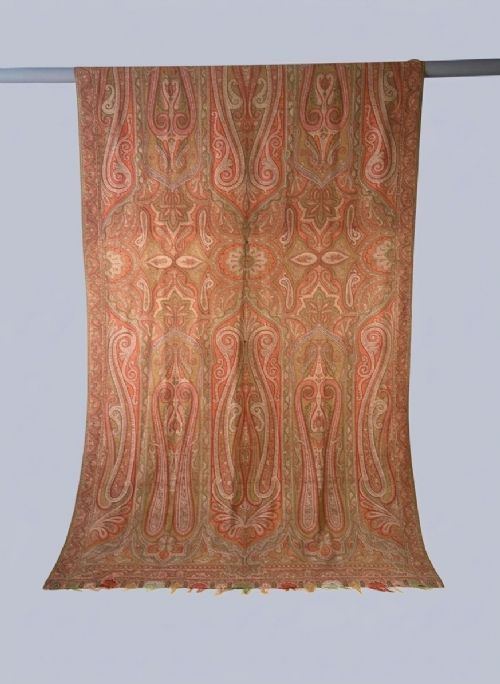
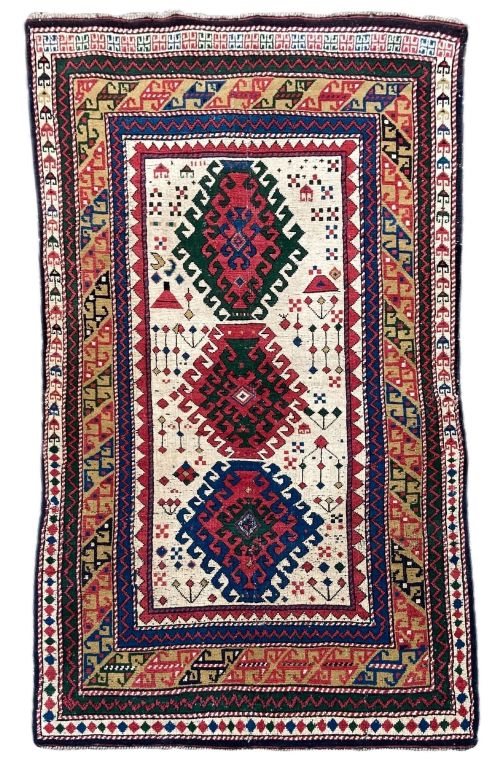
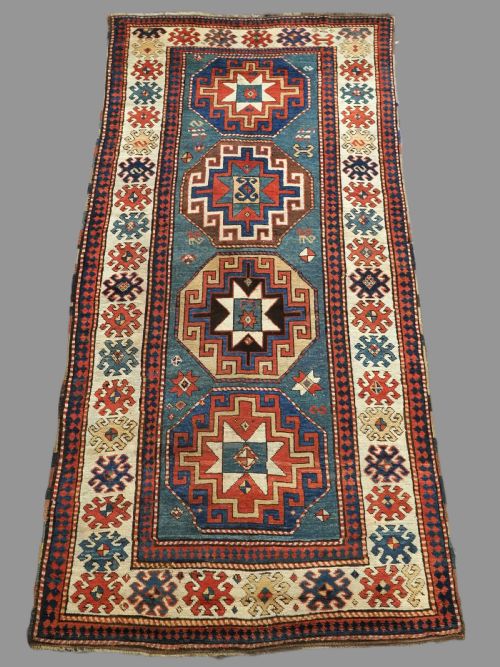
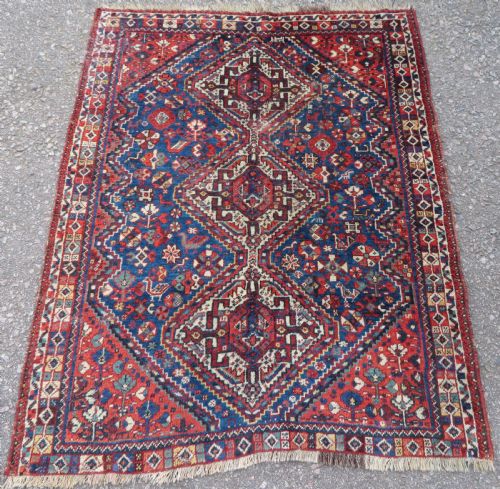
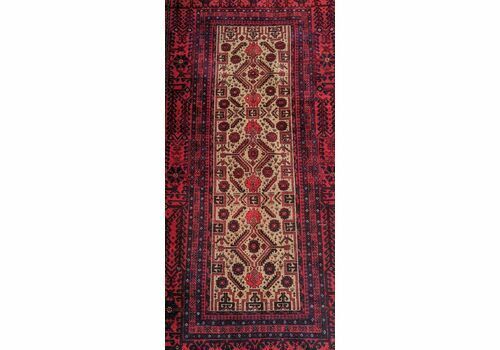
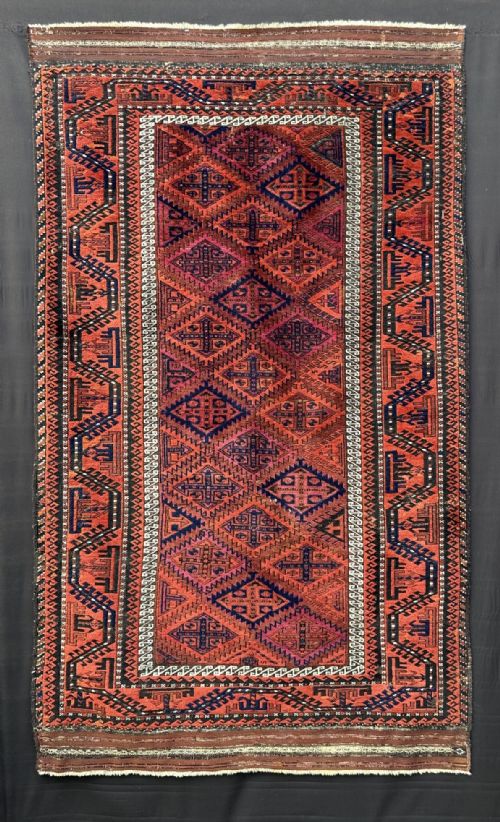
Buyers browsing antique weaving encounter a diverse group of objects, dominated by Persian and Caucasian tribal rugs alongside British seating with woven elements. The rugs include Persian regional types like Bakhtiari, Khamseh, Sarouk, and Heriz alongside Caucasian Kazak and Soumak formats. These textiles sit alongside furniture utilising woven rush, cane, and bamboo, as well as Scottish wool shawls and silver items with basket-weave designs.
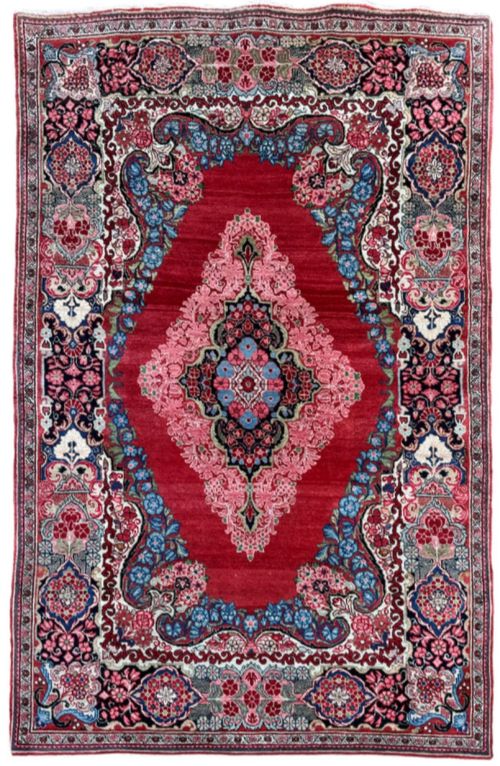
The regional carpets form the core of this category, originating from nineteenth and early twentieth-century workshops and nomadic tribes. Persian tribal pieces display geometric and pictorial motifs typical of West and North-East Persia, while Caucasian rugs show bold primary colours and sharp medallions. British country house seating incorporates woven rush seats and cane panels within oak, beech, and mahogany frames from the Victorian and Edwardian eras.
Materials and construction methods
Wool serves as the primary material for the Persian and Caucasian carpets, spun by hand and dyed with traditional pigments to create deep fields and intricate borders. Cotton often provides the foundation warp and weft threads for these pile rugs, giving structural stability. Flatwoven kilims and Soumak pieces utilise similar wool yarns without pile, relying on interlocking or wrapping techniques across the foundation.
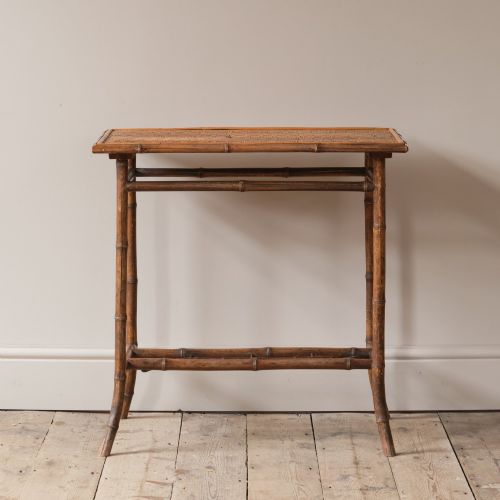
Furniture production combines native timbers such as oak, beech, and mahogany with natural seating materials including rush, cane, and bamboo. Rush seats utilise dried marsh grasses twisted into cords and hand-woven around chair rails, while cane employs split rattan threaded through frame holes. Bamboo frames rely on steam-bending and peg construction, sometimes paired with woven cane panels.
Materials span natural wool, cotton, rush, cane, bamboo, oak, brass, and silver across the nineteenth and twentieth-century inventory.
Distinctions in quality and execution
The standard of an antique carpet depends on knot density, the purity of the wool, and the complexity of the dye palette. Higher grade tribal and village rugs use tightly packed knots on sturdy foundations, producing crisp geometric outlines that remain stable over generations. Inferior examples show looser weaving, synthetic or unevenly struck dyes, and structural distortions in the border geometry.
For woven furniture, quality rests on the tightness of the rush or cane work and the seasoning of the structural timber. Superior rush seating shows even tension across every strand without sagging under weight, set within solid hardwood frames joined without excessive movement. Lesser pieces exhibit brittle, broken seating cords and loose joinery requiring substantial restoration.
William Morris·Fritz Bemberg
The Antique Weaving Glossary
- Kazak
- A style of rug woven in the Caucasus featuring bold geometric medallions, primary colours, and sturdy wool pile. These rugs are traditionally attributed to various tribal groups in the region.
- Kilim
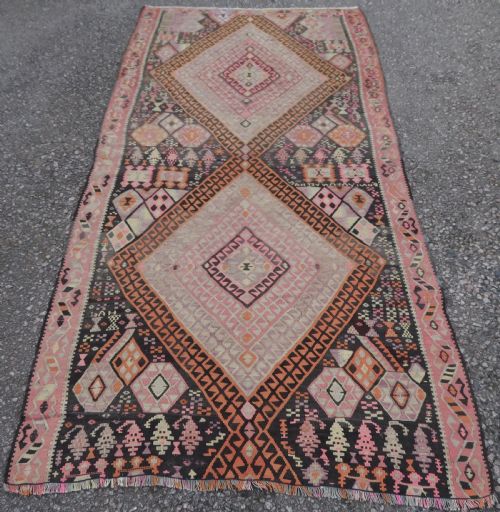
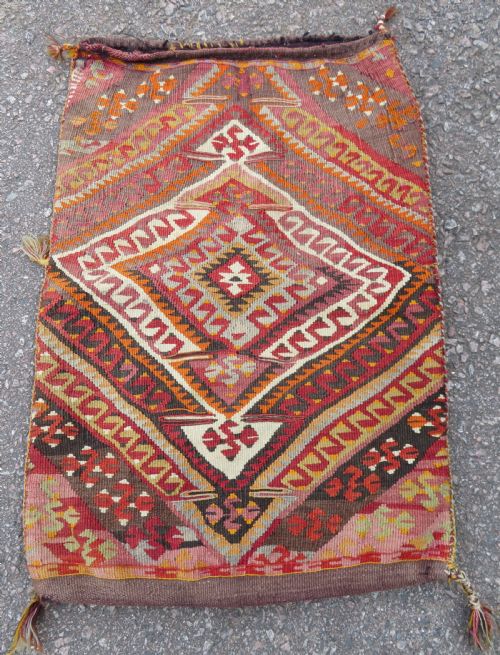
- A flatwoven textile produced without a pile, using slit-tapestry techniques to form sharp geometric patterns. These pieces function as rugs, grain sacks, or wall hangings.
- Soumak
- A flatweaving technique where supplementary weft threads are wrapped around the warp to create a textured, durable surface. This method results in a braided appearance on the face.
- Rush
- Marsh grass utilised for centuries to weave chair seats by twisting the dried stems into sturdy cords. It provides a flexible yet resilient seating surface in country and vernacular chairs.
- Cane
- The split outer bark of the rattan palm used to create open-work woven panels in chair backs and seats. It offers lightweight strength and flexibility.
- Bergere
- An enclosed armchair featuring upholstered or cane-woven sides and back panels within a wooden frame. This form gained popularity during the eighteenth and nineteenth centuries.
Antique Weaving: Frequently Asked Questions
How do I clean an antique rug?
Surface dust should be gently removed using a soft brush or suction vacuum without a beater bar, avoiding the delicate fringed ends.
Professional specialist cleaning remains essential for deep washing to protect the natural wool fibres and traditional dyes from bleeding.
Where should I place a rush seated chair?
Rush seats require stable indoor humidity away from direct sunlight and dry heat sources like radiators to prevent the natural marsh grass from becoming brittle.
Placing these chairs in moderate living spaces ensures the seating cords retain their flexibility and structural integrity over time.
How do I identify a Kazak rug?
Kazak rugs are distinguished by their heavy wool pile, saturated primary colours like red, blue, and green, and large geometric medallions.
They originate from the Caucasus region and typically display coarse knotting with characteristic wool warps and broad, striped flatwoven ends.
What is a Soumak weave?
Soumak is a flatweave construction method where coloured weft threads are wrapped around vertical warp threads in a continuous wrapping motion.
This technique creates a ribbed, durable surface on the front and loose floating threads on the reverse, distinct from standard double-sided kilims.