






Antique Weaving Fragment
An antique weaving fragment brings portable tribal artistry and historical Flemish textile design directly into modern interiors as a framed wall hanging.
Antique Weaving Fragment
When searching for an antique weaving fragment, collectors encounter remnants of nomadic trappings, such as bagfaces, torbas, and saddle bags, alongside European tapestry pieces from the seventeenth and eighteenth centuries.
These items represent surviving portions of larger functional household items, utility sacks, and wall hangings made by tribal groups across Persia, Central Asia, and Flanders.
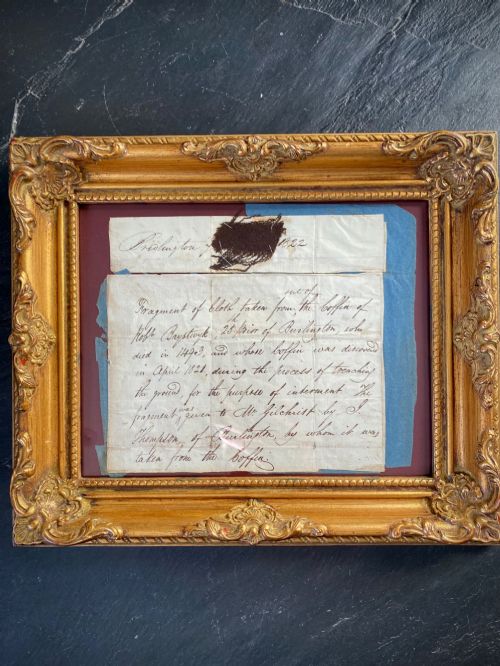
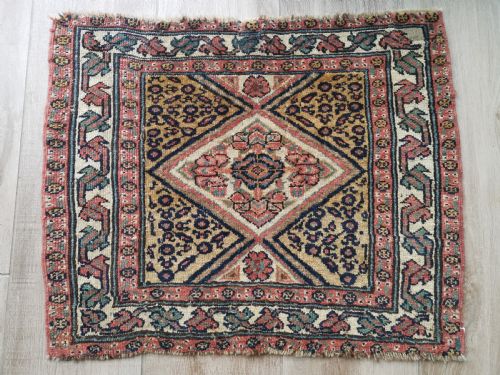
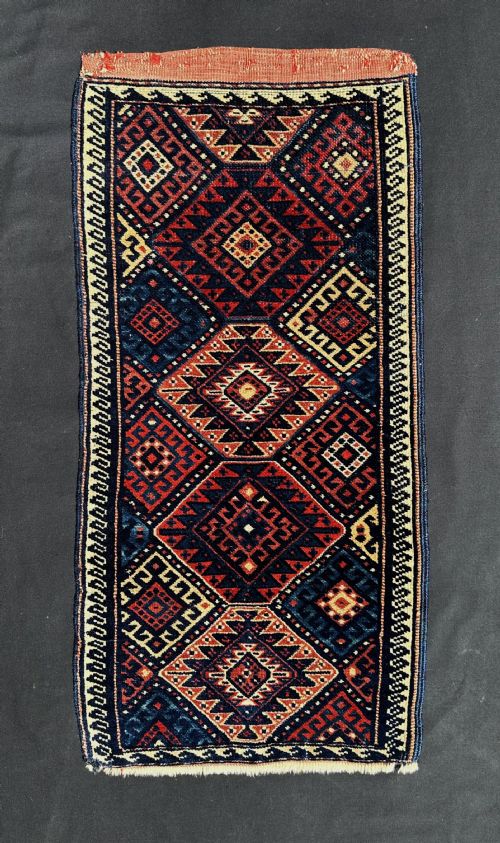
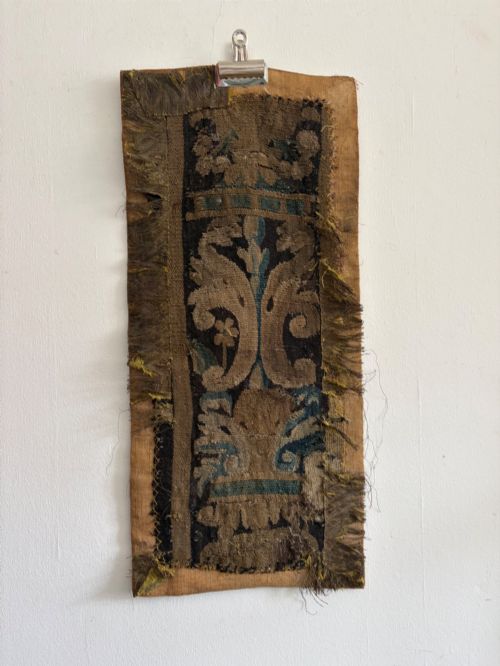
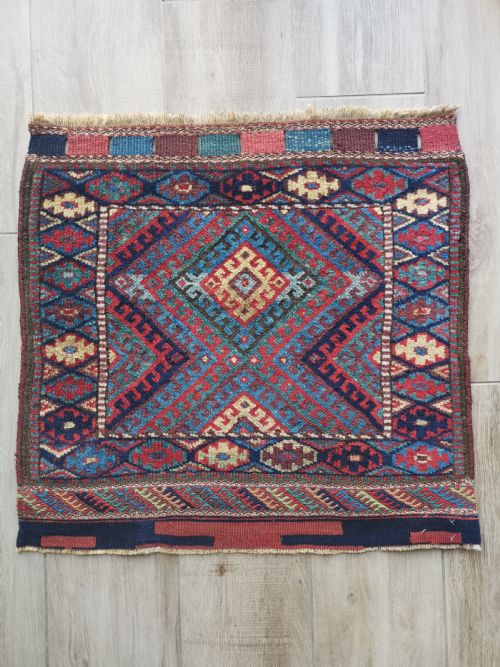
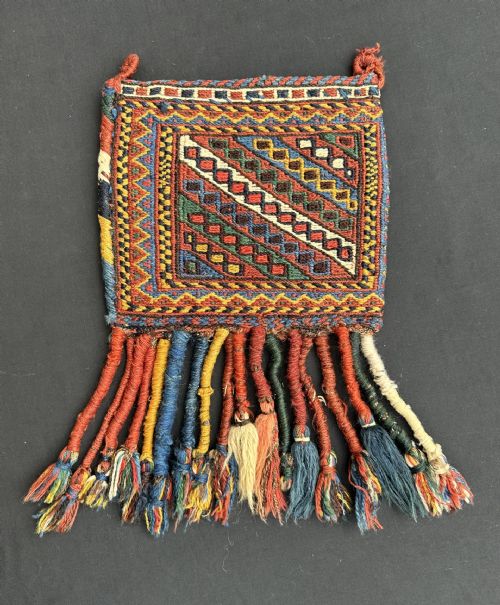
The specimens seen on this page range from nineteenth-century Persian tribal bagfaces to early seventeenth-century Flemish game park tapestries mounted for display.
Materials and construction methods
The makers utilised hand-spun wool, cotton, linen, and occasional silk, often dyed with natural colourants to build the dense pile and flatweave structures.
Nomadic weavers constructed utilitarian sacks and tent bands using knotting and sumac techniques, while European workshops wove complex verdure and figural scenes on vertical or horizontal looms.
Antique Weaving Fragment Retail Price Guide 2026
Typical asking prices for weaving fragment among the pieces listed under this phrase on Sellingantiques today, from the lower quarter to the upper quarter. They describe what is for sale here now, not the wider market.
The listings on this page span from seventeenth-century Flemish tapestries to nineteenth-century Persian tribal bagfaces in wool and cotton.
Distinctions in quality
Quality rests on the density of the weave, the clarity of the tribal drawing, and the integrity of the remaining structure after mounting.
Pieces executed with exceptionally fine knotting and well-preserved natural dye palettes command greater interest than coarser, simpler variants.
The Antique Weaving Fragment Glossary
- Torba
- A small Turkmen storage bag face, traditionally used inside the yurt for household possessions. These items display distinctive tribal gul motifs and geometric borders.
- Bagface
- The decorative front panel of a nomadic storage bag, preserved and separated from the plain back after the utilitarian item wore out. They function well as small decorative wall hangings.
- Gul
- A repeating medallion motif characteristic of Turkmen tribal weaving. Each design identifies a specific tribe or sub-group.
- Tapestry
- A form of textile art woven by hand on a loom, depicting pictorial or floral scenes rather than utilising knotted pile. European examples often feature verdure landscapes.
- Sumac
- A flatweave technique where pattern threads are wrapped around the warp yarns in a continuous horizontal sweep, creating a textured surface.
- Jajim
- A brightly coloured flatwoven textile traditionally used as a cover or bedding wrap by nomadic populations.
Antique Weaving Fragment: Frequently Asked Questions
What is an antique weaving fragment?
An antique weaving fragment is a surviving portion of an older textile, such as a tribal bagface, a storage sack, or a cut section of a European wall tapestry. These pieces were often salvaged when the main functional object became too worn to use.
Collectors mount and frame these remnants as textile art to preserve the historical weaving techniques and tribal designs contained within the fabric.
How were these fragments used originally?
Nomadic groups utilised bags, torbas, and saddle pieces to transport and store belongings inside tents or on pack animals. European tapestry fragments formed parts of large wall hangings that insulated drafty rooms.
Over decades of use, the functional items degraded, leaving specific decorative panels intact for later preservation as portable artworks.
How do I care for a textile fragment?
Protect antique textiles from direct sunlight to prevent natural dyes from fading over time. Keep the display area free from excessive humidity and dust accumulation.
Professional mounting on neutral linen helps support fragile structures without placing stress on the historical fibres.
How can I tell tribal pieces apart?
Tribal origins are identified through specific structural designs, such as the repeating guls of Turkmen torbas or the boteh motifs of Afshar nomads. Colour palettes and wool preparation also point to particular regional workshops in Persia and Central Asia.
European fragments, by contrast, rely on verdure landscapes, floral borders, and Flemish weaving styles.