
Antique Watch Fob Chain
When searching for an antique watch fob chain, you are looking at functional lengths of metal designed to secure pocket timepieces while displaying decorative pendants.
Antique Watch Fob Chain
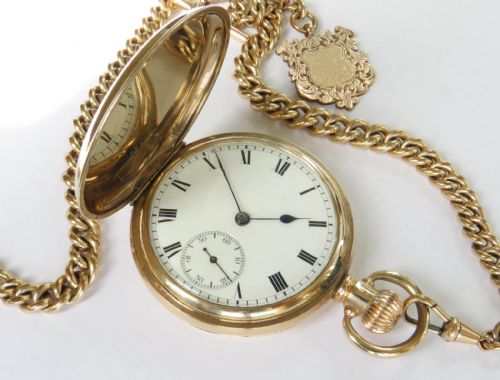
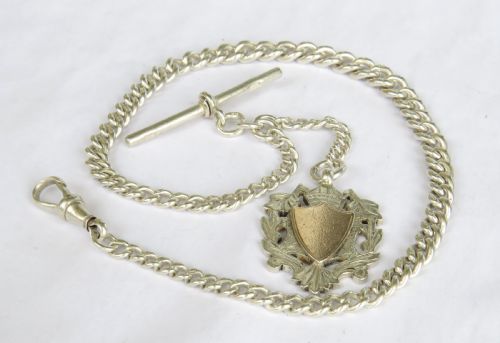
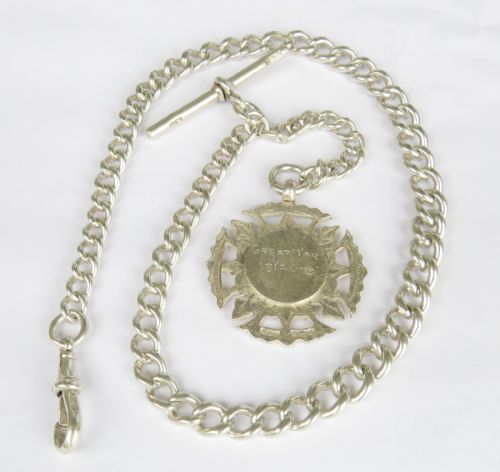
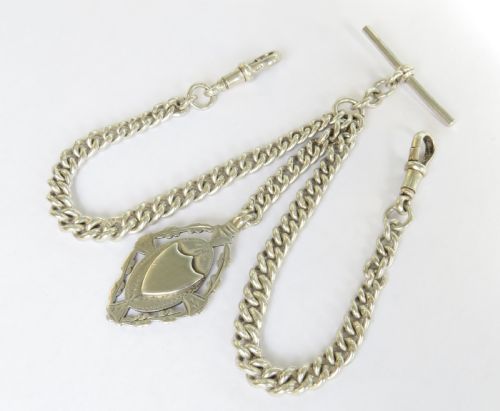
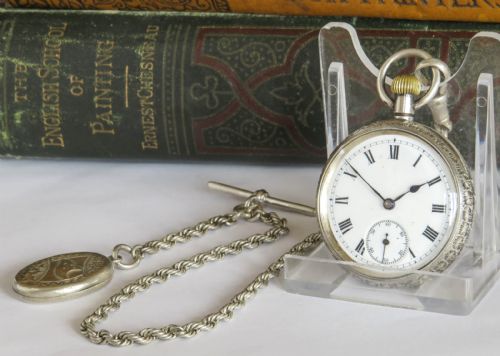
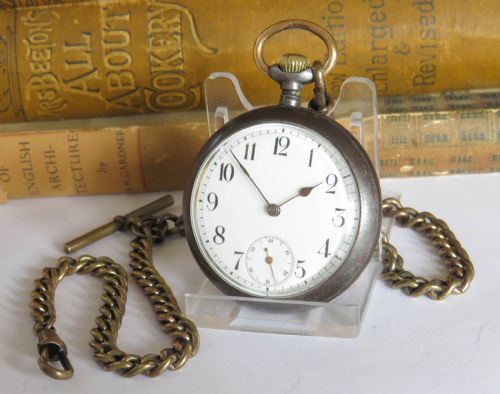
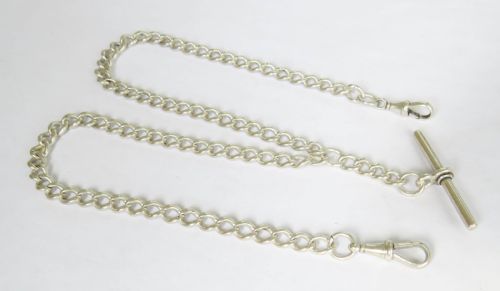
An antique watch fob chain is a wearable accessory historically utilised to tether a pocket watch to a waistcoat buttonhole via a T-bar. These pieces originate primarily from the Victorian, Edwardian, and Art Deco periods, extending into the 1920s and 1930s.
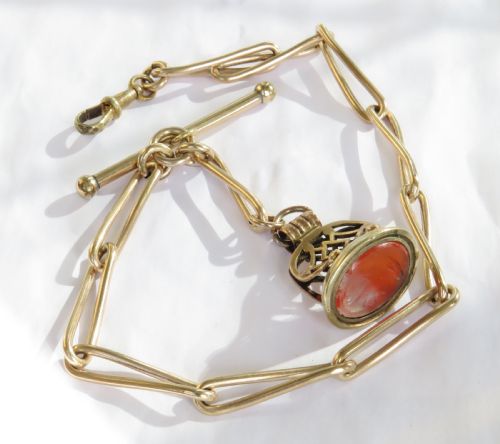
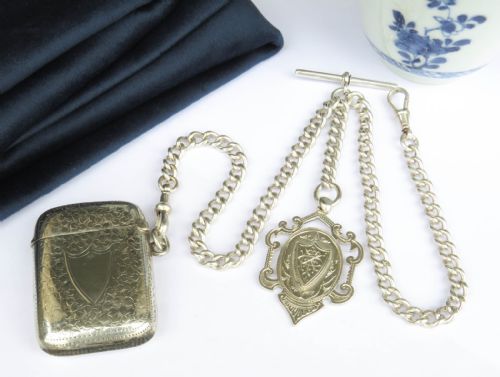
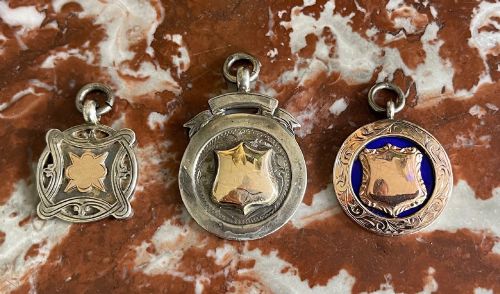
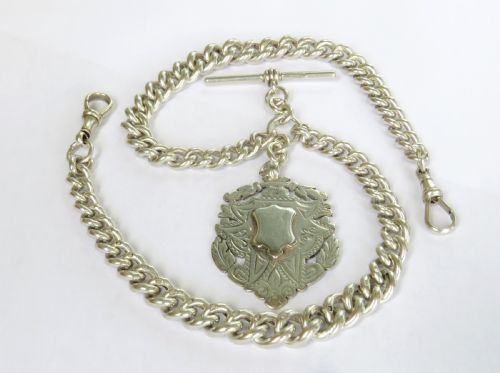
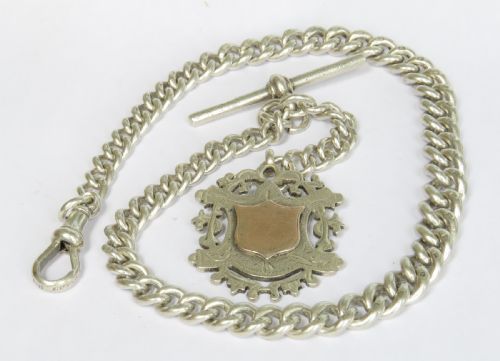
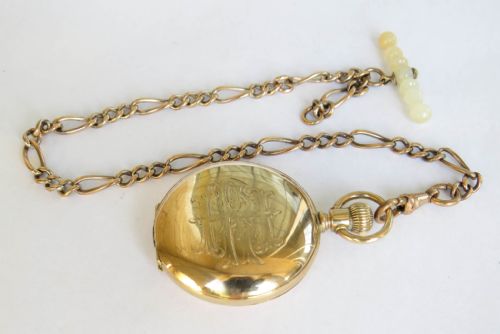
The most common forms found on this page are silver and gold albert chains, often accompanied by distinct pendant fobs such as sporting medals, compasses, seals, or intaglios. Single and double albert configurations dominate the selection, alongside delicate albertinas.
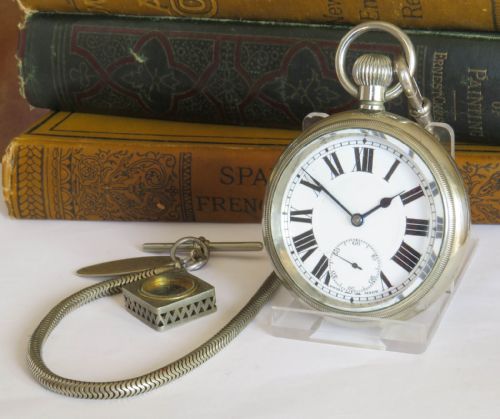
Pieces frequently appear alongside full hunter and open-faced pocket watches by makers such as Waltham, Elgin, and Omega. Many items have transitioned from pocket accessories into contemporary necklaces worn around the neck.
How They Were Made
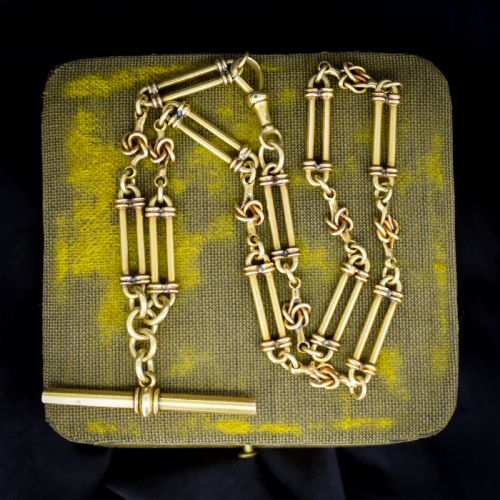
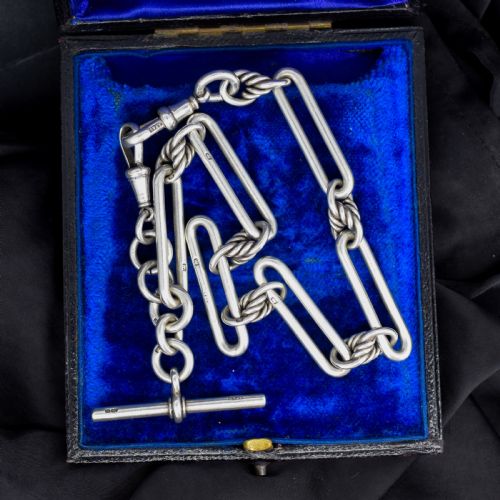
Metals form the core of these items, spanning solid sterling silver, 9ct and 18ct yellow or rose gold, alongside rolled gold and gold plate over base metals. Silversmiths utilised sturdy link formations such as curb, trombone, and figaro patterns to support the weight of attached timepieces and medals.
Decorative elements frequently incorporate coloured enamel work, glass, and steel. Component parts like dog clips, swivels, and T-bars were individually cast, forged, and hand-assembled to ensure mechanical reliability during daily wear.
Several chains arrive complete with tiny tug of war and rifle club medals, proving Victorians liked to settle arguments with miniature silverware.
What Varies in Quality
Substantial differences lie in the weight of the metal and the complexity of the link construction, with heavier solid silver and gold examples representing higher manufacturing investment. The presence of matching hallmarks across links, T-bars, and fobs indicates a cohesive, original assembly rather than a later composite.
The artistic merit and intricacy of the attached fob elevate certain pieces above standard utility items. Enamel work, detailed engraving on military or sporting medals, and unusual pendant forms like stamp cases or compasses dictate the distinction between basic chains and collector items.
Crisford and Norris·J W Benson·Waltham·Elgin·Omega·Tavannes
The Antique Watch Fob Chain Glossary
- Albert chain
- A pocket watch chain named after Prince Albert, featuring a T-bar at one end for fastening to a buttonhole. Single versions connect from button to watch, whilst double versions loop through the buttonhole and attach to pockets on both sides.
- T-bar
- The small horizontal metal bar attached to the centre or end of an albert chain. It slips through a waistcoat buttonhole to anchor the entire assembly securely.
- Dog clip
- A spring-loaded swivel clasp attached to watch chains for securing pocket watches or pendant fobs. The mechanism allows the connected item to rotate freely without twisting the metal links.
- Vesta
- A small pocket container designed to hold matches, frequently found suspended from watch chains in silver or gold. These cases often feature engraved decoration matching the wider ensemble.
- Albertina
- A delicate variation of the standard albert chain, historically worn by women as a bracelet or necklace. They typically comprise multiple fine strands united by sliders and finished with a tassel or small pendant.
Antique Watch Fob Chain: Frequently Asked Questions
How do I wear an antique watch fob chain today?
Many people wear these chains as necklaces by fastening the dog clip directly to a link or utilising the existing length around the neck. They also function well doubled over as choker-style necklaces.
The T-bar and dog clip add mechanical interest when positioned at the front or side of the neckline. Alternatively, the chain can still secure a modern pocket watch through a lapel or buttonhole in traditional fashion.
What kinds of fobs are attached to these chains?
Fobs encompass a wide variety of small decorative pendants that served personal, professional, or sporting purposes. Common examples include engraved silver medals from cricket, football, boxing, and rifle clubs, alongside military unit insignia.
Other functional fobs include miniature compasses, stamp cases, intaglio seals, and locket compartments designed to hold photographs or hair. These items reflect the specific associations and hobbies of the original owner.
How can I tell rolled gold from solid gold?
Solid gold pieces generally display clear hallmarks indicating the exact gold purity, such as nine carat or eighteen carat, stamped onto the links or T-bar. Rolled gold or gold plate items typically feature maker marks denoting a plated process rather than solid precious metal content.
Weight provides another indicator, as solid gold pieces feel substantially heavier than plated base metals of identical dimensions. Examining wear points on the links can also reveal if the underlying base metal is showing through.