
Antique Washing Stand
An antique washing stand combines practical domestic heritage with rich timber work, offering a striking focal point for a period bedroom or hallway.
Antique Washing Stand
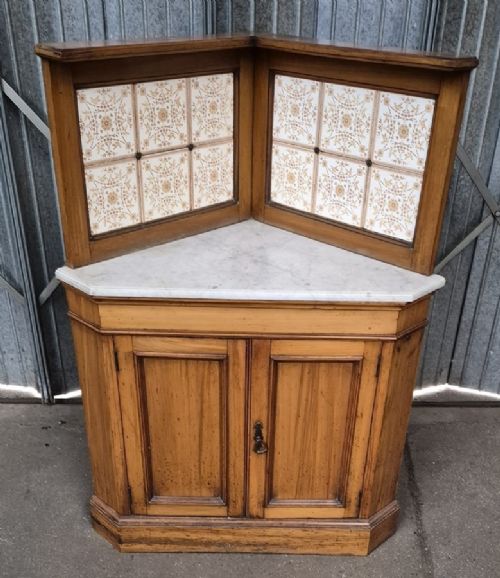
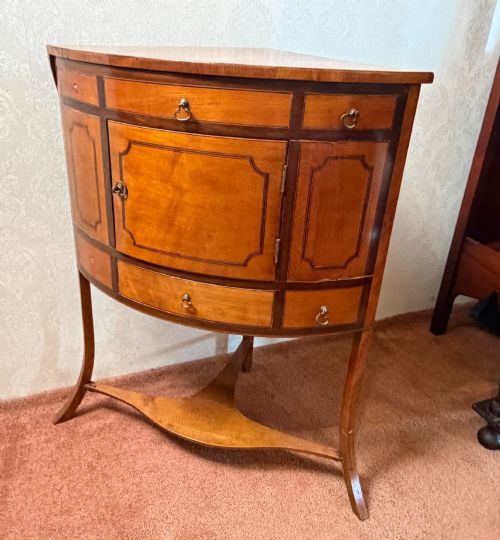
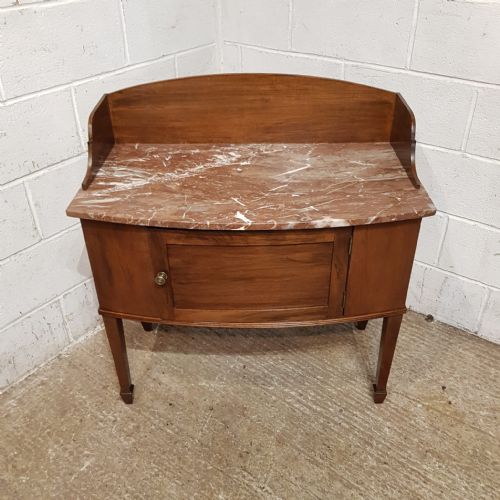
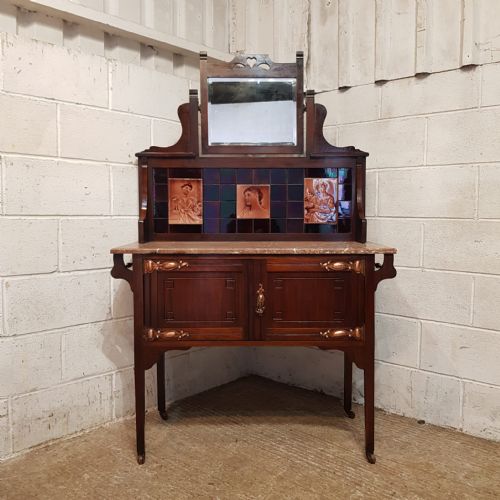
An antique washing stand is a dedicated piece of furniture designed for personal hygiene before modern plumbing entered domestic life. These items range from compact corner units intended to maximise smaller spaces to substantial marble-topped cabinets built for large Victorian and Edwardian chambers.
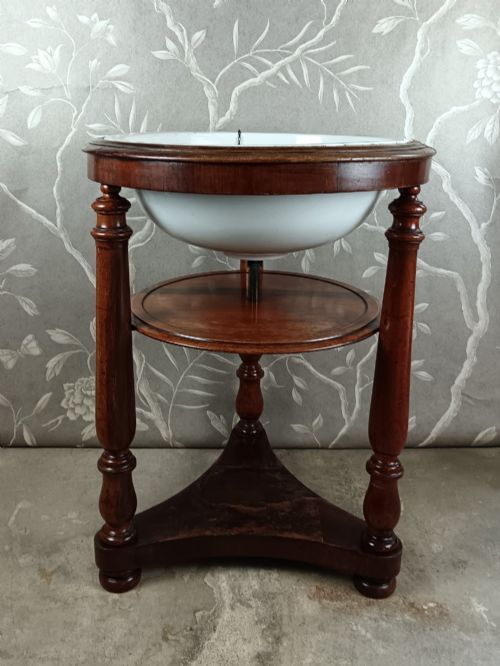
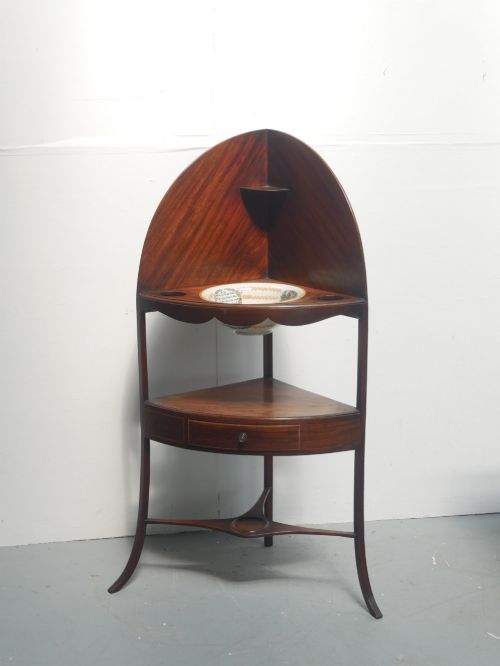
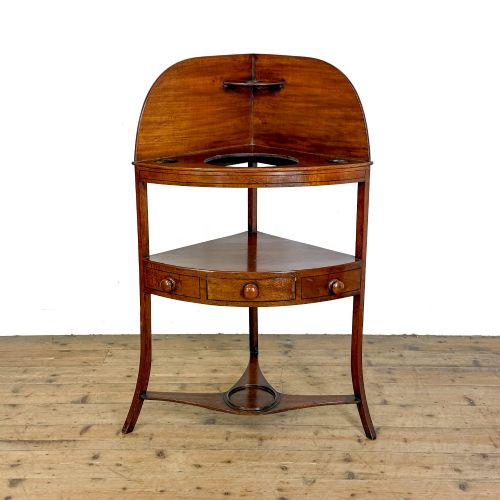
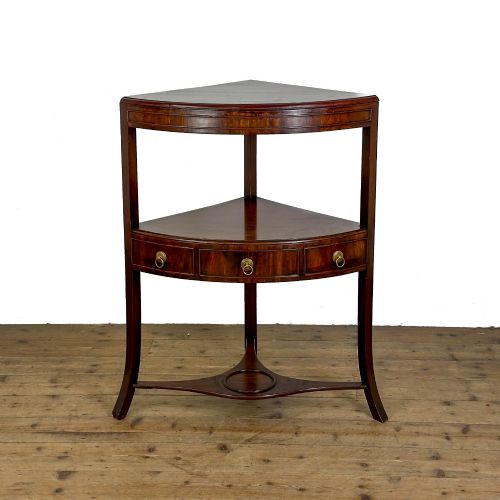
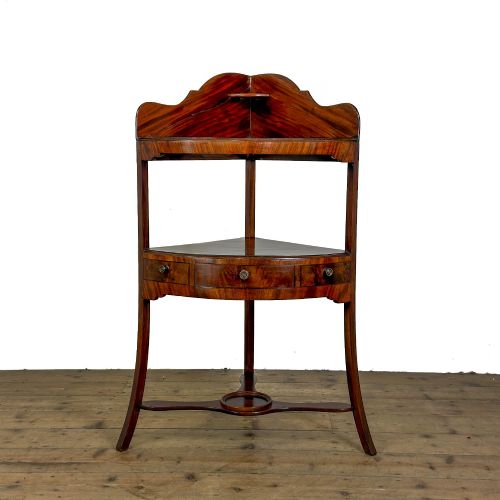
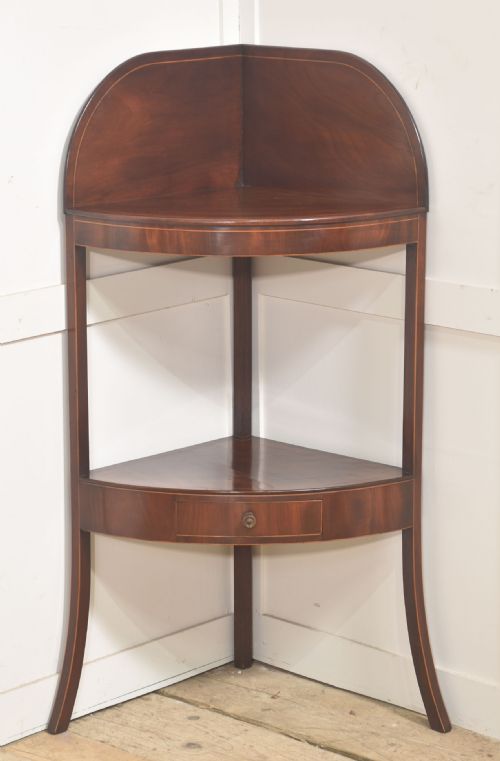
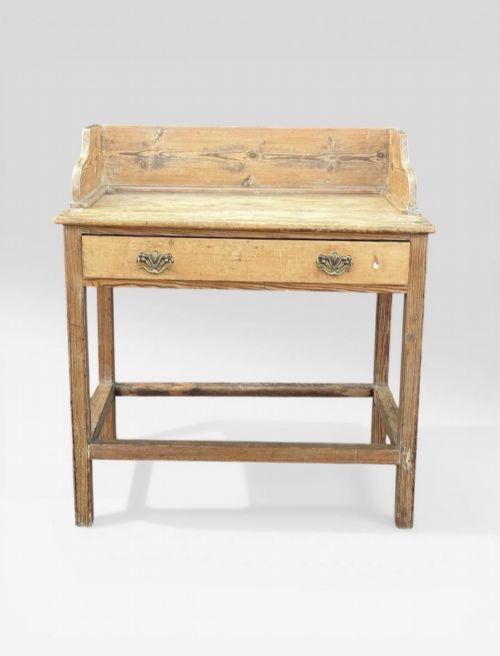
The version most commonly met on this page is the Georgian or Victorian mahogany corner washstand, shaped to fit neatly into domestic corners with tiered shelves and basin rings. Alongside these, buyers encounter freestanding pine, satinwood, and walnut washstands, often fitted with original tiles, ceramic basins, or splashbacks.
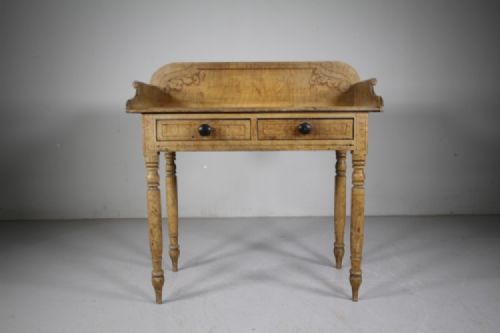
Makers adapted these pieces for various settings, producing campaign variants for travel, ships' teak tables for marine use, and rustic painted pine tables for country houses. Their forms frequently cross over into side tables, plant stands, or occasional furniture once their original washing function ceases.
Materials and Construction
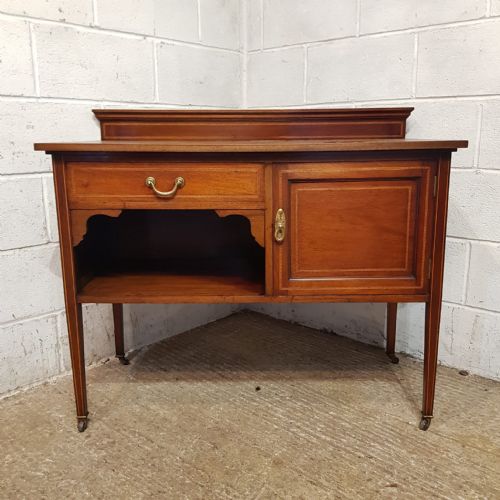
Cabinetmakers relied heavily on mahogany, satinwood, and walnut for finer pieces, often enhancing the timber with boxwood inlay, fine grain figuring, or deep polished finishes. Pine served for more utilitarian or country pieces, frequently finished in original paint.
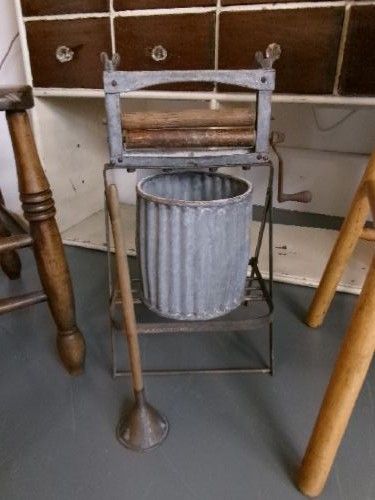
Surface durability was paramount, leading to the incorporation of heavy marble tops, ceramic tiles, and brass fittings designed to withstand splashes. Iron and copper appeared in industrial or campaign examples, such as folding frames and wash sets.
Construction techniques included dovetailed joints, custom basin apertures, and hinged folding mechanisms for portable or space-saving campaign variants.
Listings span multiple eras from the 18th Century through to Edwardian times, using materials like mahogany, marble, brass, and painted pine.
Judging Quality and Execution
Quality rests upon the choice of timber and the precision of the cabinetwork, from sharply cut boxwood inlay to the selection of well-figured mahogany or satinwood veneers. Superior pieces feature integrated drawer linings in secondary timbers and robust, stable frames.
The inclusion of original elements dictates desirability, such as undamaged marble tops, matching ceramic wash sets, and intact brass hardware rather than later replacements.
Walker & Sons
The Antique Washing Stand Glossary
- Campaign washstand
- A portable, often folding piece of furniture designed for travel or military use. These typically utilise clever hinges and knock-down frames for ease of transport.
- Satinwood
- A fine, dense hardwood prized for its golden sheen and silky texture. It frequently appears in high-status Georgian and 18th-century furniture.
- Wash set
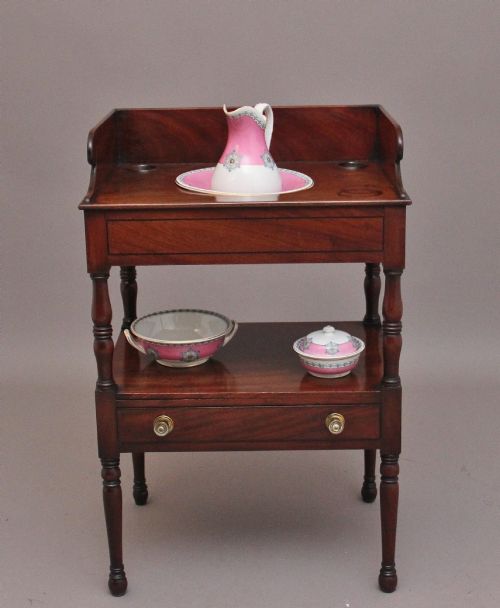
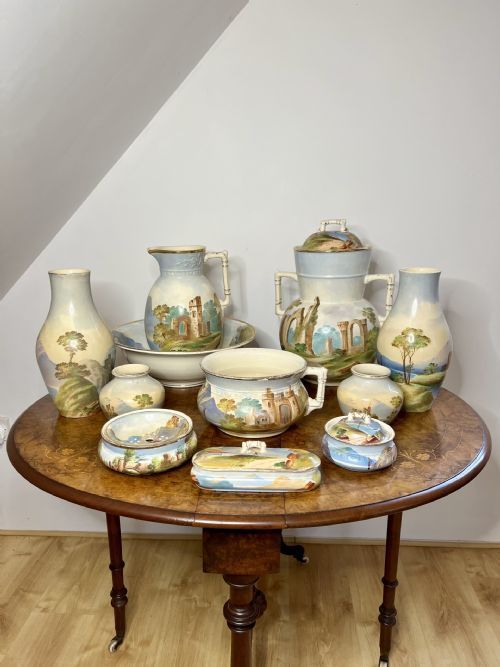
- A matching ceramic basin and jug combination designed to sit upon the washstand. These sets often display colourful transfer-printed glazes or hand-painted botanical details.
Antique Washing Stand: Frequently Asked Questions
How were antique washing stands originally used?
These stands held a ceramic basin, jug, and soap dishes for morning and evening ablutions in bedrooms before running water was common. Servants filled the pitchers from kitchen water supplies.
Today, they function well as hallway tables, plant stands, or bathroom vanity units.
What is a campaign washing stand?
A campaign washstand was built for officers or travellers on the move, featuring collapsible or folding wooden and metal frames. They prioritize compact storage without sacrificing structural stability.
Their clever engineering makes them highly collectable and practical for modern compact spaces.
How do I date an antique washstand?
Dating relies on timber choice, hardware styles, and construction methods characteristic of different eras. Georgian pieces favour solid mahogany and clean geometric lines, while Victorian examples often introduce heavy marble tops and ceramic tiles.
Edwardian pieces frequently showcase lighter satinwood or simpler painted pine finishes.
Can I use an antique washstand in a modern bathroom?
Many buyers repurpose these stands as vanity units by mounting modern basins or placing marble-topped variants against bathroom walls. The sealed stone surfaces handle splashes well.
Care should be taken to protect vulnerable wooden surrounds from standing water.