

Antique Warrior Figures
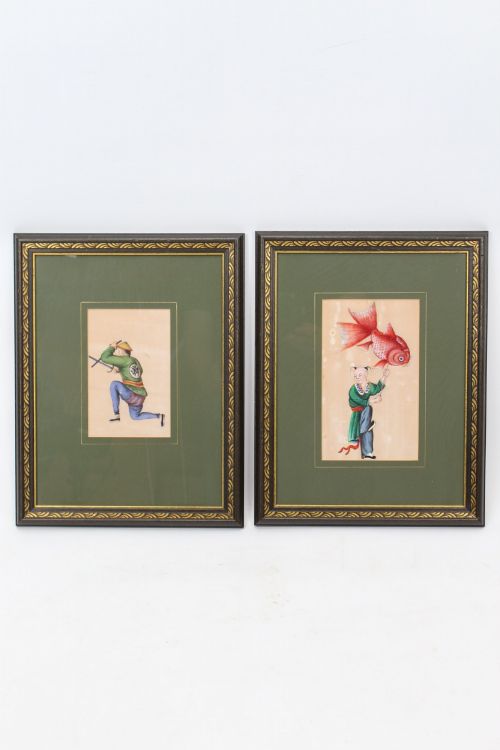
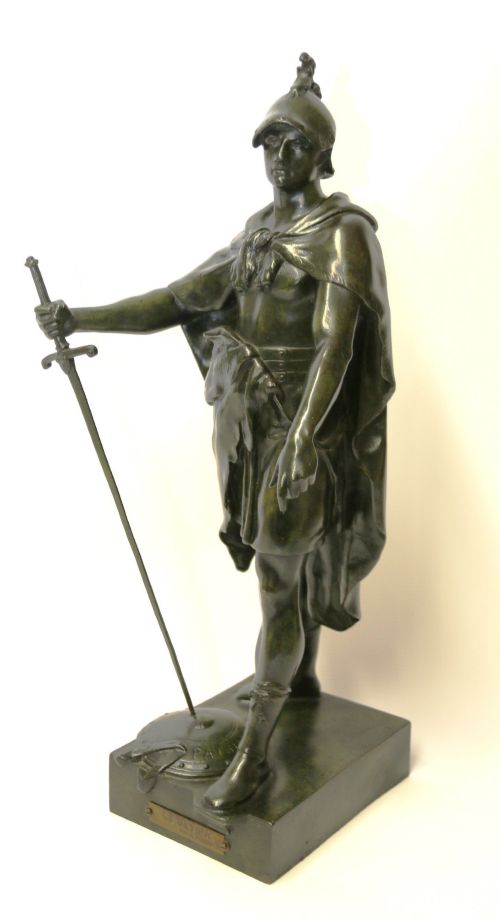
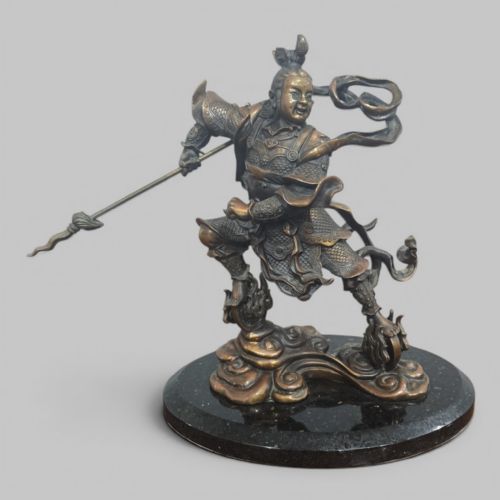
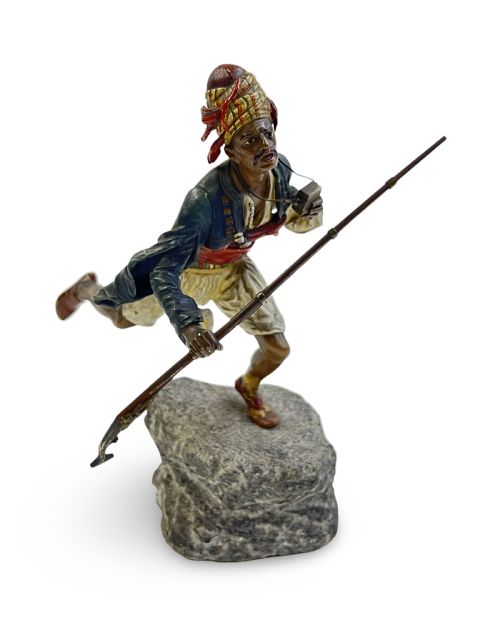
These antique warrior figures capture centuries of military heroics in bronze, marble, wood, and spelter.
Antique Warrior Figures
When you search for antique warrior figures, you encounter representations of historical combatants, mythological heroes, and fighters from diverse global cultures. The selection spans the nineteenth century through the early twentieth century, reflecting varied interpretations of martial strength and nobility.
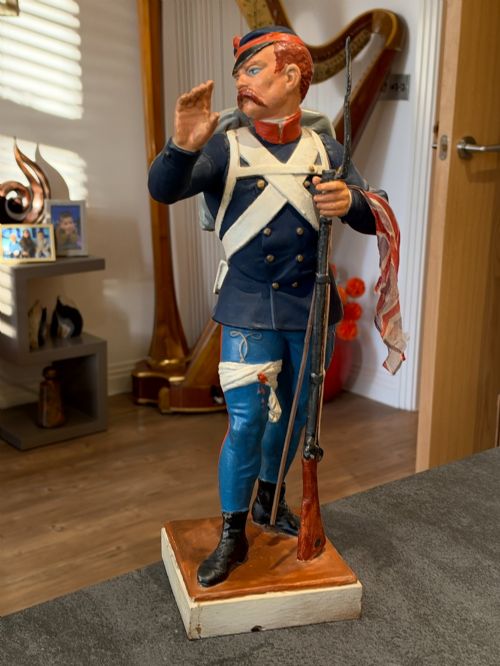
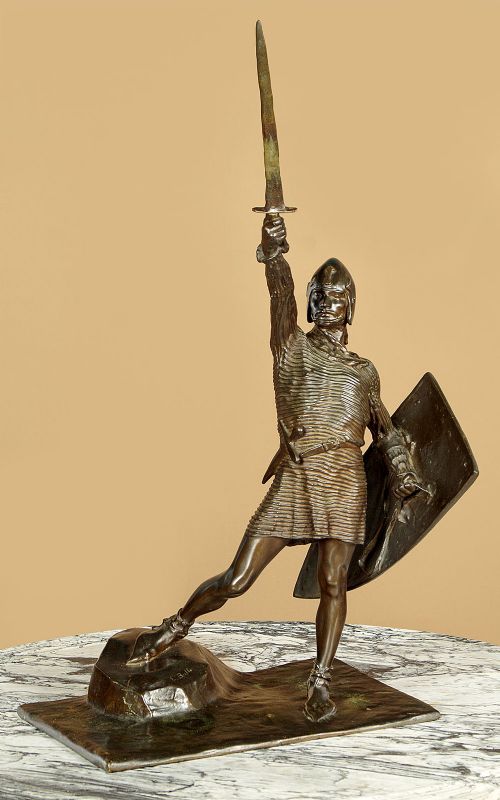
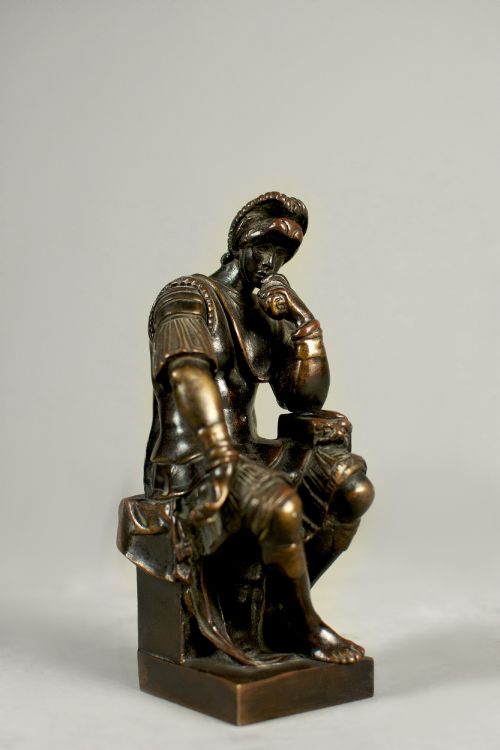
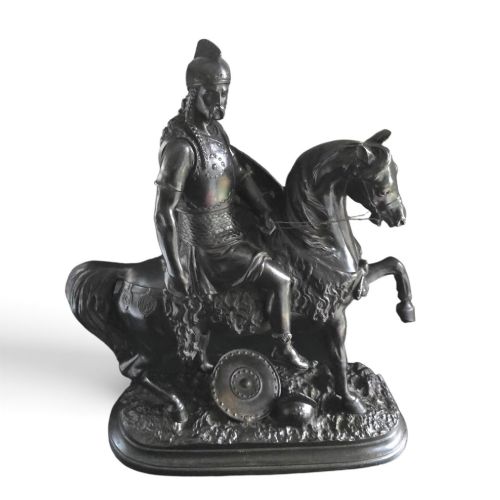
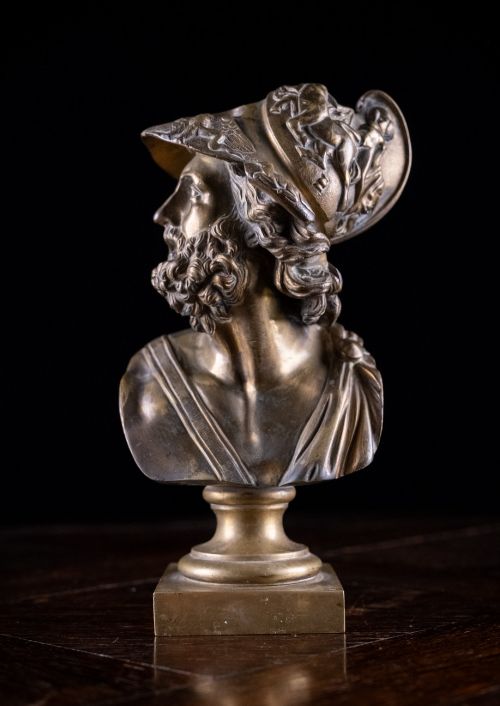
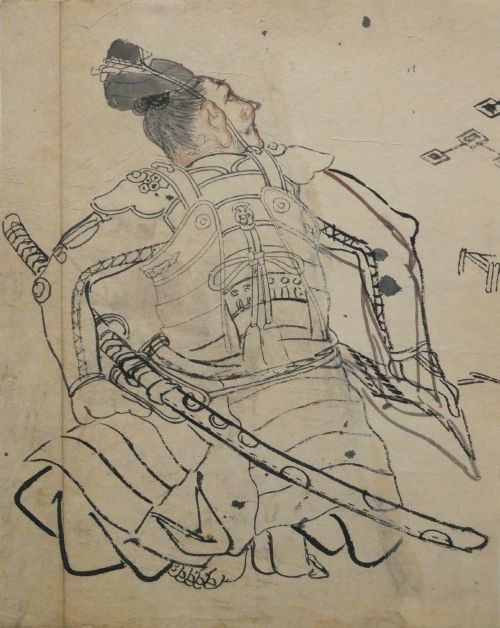
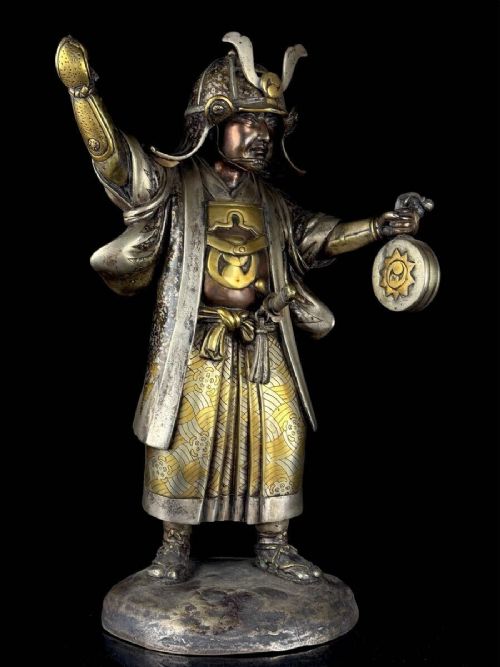
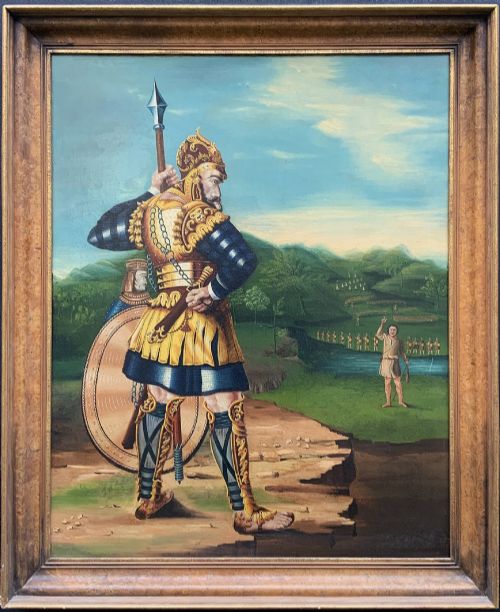
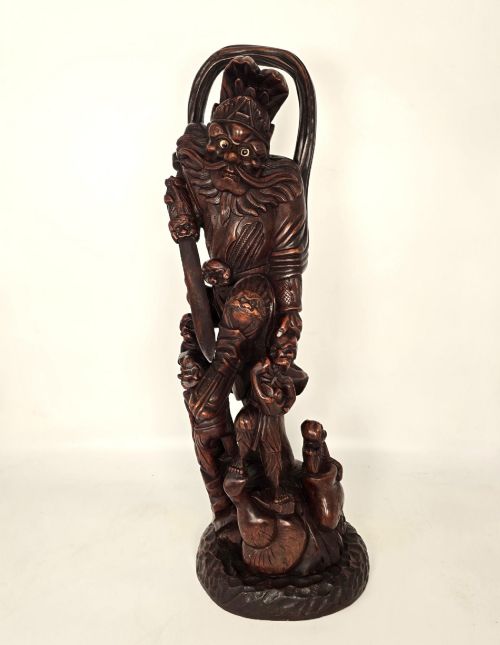
Most pieces on this page are cast bronze sculptures and figurines, alongside examples in spelter, carved wood, and porcelain. Subjects range from classical Greek and Roman soldiers to Renaissance knights, samurai, and indigenous warriors.
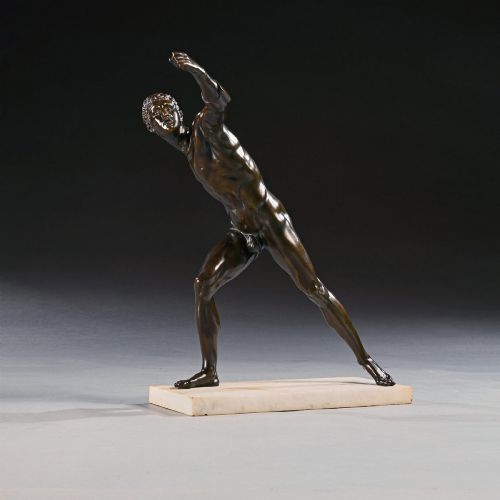
Grand Tour bronzes and decorative Victorian mantel sculptures dominate the offerings. These works served as scholarly ornaments and displays of martial virtue in period drawing rooms and libraries.
Materials and methods
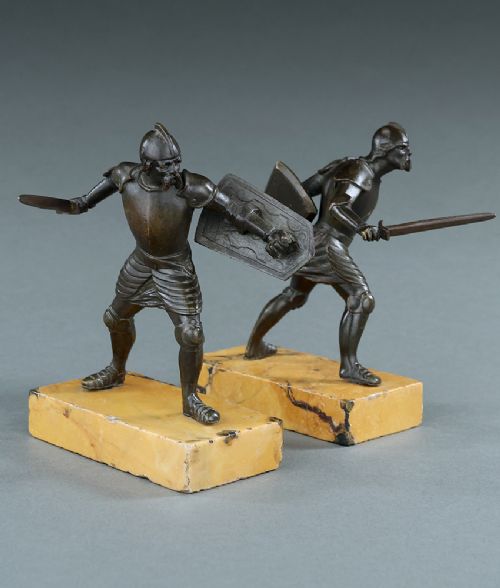
Foundry bronze and spelter form the primary structural media for these sculptures, often finished with cold-painting, gilding, or dark patination to accentuate armour details. Cast metals allowed makers to capture intricate weaponry, drapery, and facial expressions.
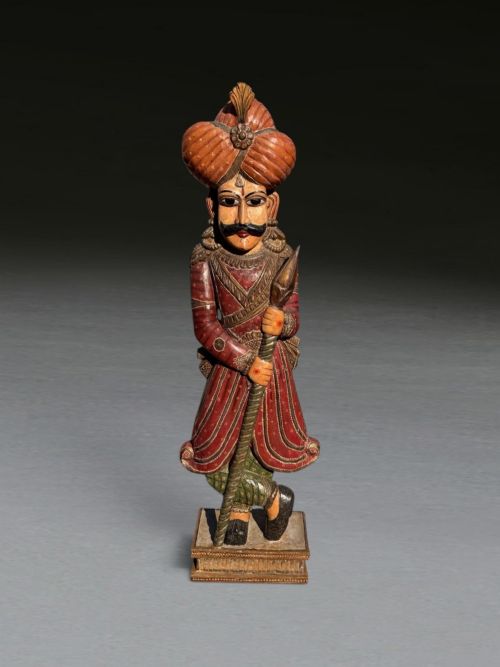
Woodcarvers utilised African hardwoods and regional timbers to shape figurative sculptures with polychrome paint surfaces or natural grain finishes. Ceramic and porcelain pieces, such as Parian ware and Staffordshire earthenware, relied on specialised moulds fired in kilns.
Enamel and gold leaf frequently decorated decorative plates and smaller objects associated with specific cultural traditions, such as Japanese cloisonné. Artisans combined traditional casting, carving, and painting techniques to achieve realistic textures on clothing and armour.
Antique Warrior Figures Retail Price Guide 2026
Typical asking prices for warrior figures among the pieces listed under this phrase on Sellingantiques today, from the lower quarter to the upper quarter. They describe what is for sale here now, not the wider market.
Several warriors stand frozen mid-stride, perhaps rushing home before someone notices they left the oven on.
Judging quality in cast and carved figures
Surface patination and cold-paint preservation dictate the visual impact of metal figures. Original patinas applied by the foundry show depth and tonal variation, whereas later resprays flatten surface detail.
An artist signature or foundry mark stamped into the base indicates higher manufacturing standards. Signed works by established sculptors demonstrate superior proportions and anatomical accuracy compared to unmarked commercial editions.
Émile Louis Picault·Franz Xaver Bergman·Chiparus·Raoul Francois Larche·Franz Iffland
The Antique Warrior Figures Glossary
- Spelter
- A zinc alloy used as a less expensive alternative to bronze during the nineteenth and early twentieth centuries. It accepts patination well to imitate bronze finishes.
- Patinated bronze
- Bronze treated with chemical solutions to produce a specific surface colour, ranging from dark brown to green. This process protects the metal and highlights sculptural contours.
- Cold-painted
- A method of applying non-fired paint to bronze figures, popular in Vienna workshops. The paint requires careful preservation to avoid flaking.
- Grand Tour
- A cultural journey undertaken by wealthy young Europeans in the nineteenth century, acquiring small bronzes and classical busts as souvenirs. These figures often depicted ancient Greek and Roman deities or heroes.
- Parian ware
- A fine-grained unglazed porcelain resembling white marble, developed in the nineteenth century for portrait busts and literary figures. It provides a smooth matte surface for classical subjects.
Antique Warrior Figures: Frequently Asked Questions
What materials were used for antique warrior figures?
Foundry bronze, spelter, carved wood, brass, and porcelain constitute the primary materials found across these historical pieces. Artisans frequently enhanced these substances with cold-painting, gold leaf, or chemical patination.
Metal sculptures often utilised lost-wax casting methods to achieve fine details in armour and weaponry. Softer materials like wood and earthenware relied on hand-carving and ceramic moulding techniques.
How do I identify a Grand Tour bronze?
Grand tour figures typically represent classical Greek or Roman mythological figures, gladiators, and historical leaders such as Ajax or Menelaus. These pieces were produced in the nineteenth century for travellers returning from Italy.
They are usually cast in solid or heavy bronze with dark patination designed to mimic excavated antiquities. Bases often incorporate polished marble or slate plinths.
Where were cold-painted bronze figures made?
Vienna served as the primary centre for cold-painted bronze production during the late nineteenth and early twentieth centuries. Specialised workshops employed artists to paint detailed figures by hand without kiln firing.
Subjects from this region frequently included Moorish warriors, sword merchants, and Orientalist themes. These pieces relied on meticulous brushwork for their distinctive polychrome appearance.
How should I care for antique bronze sculptures?
Bronze sculptures require minimal intervention, needing only gentle dusting with a soft, dry cloth to remove particle accumulation. Avoid using commercial metal polishes, abrasive cloths, or liquid cleaners that strip original patinas.
Keep the figures away from direct sunlight and high humidity to protect surface finishes and cold-painted details. Stable indoor environments prevent chemical reactions with the underlying metal.