
Antique Wardrobe Cupboard
An antique wardrobe cupboard is a substantial storage piece that brings period character and utility to a bedroom or hallway.
Antique Wardrobe Cupboard
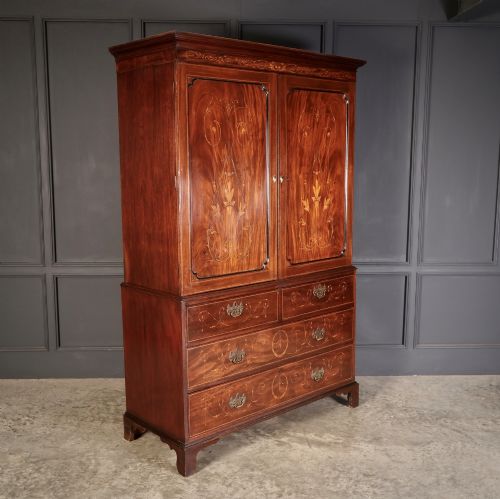
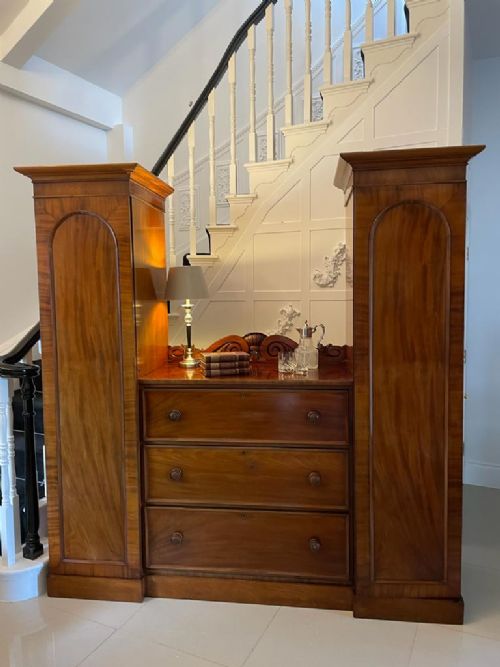
An antique wardrobe cupboard encompasses large wooden storage furniture designed for garments, household linen and provisions, spanning centuries of domestic life. Buyers seeking these items encounter diverse historical forms ranging from tall Georgian linen presses to fitted burr walnut designs from the twentieth century.
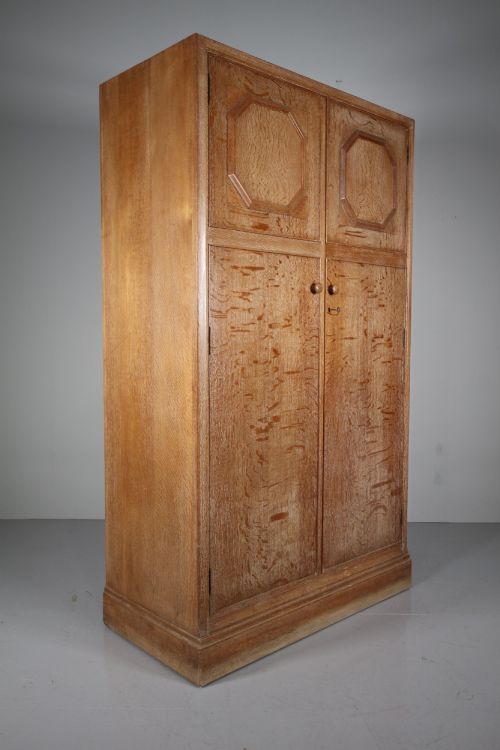
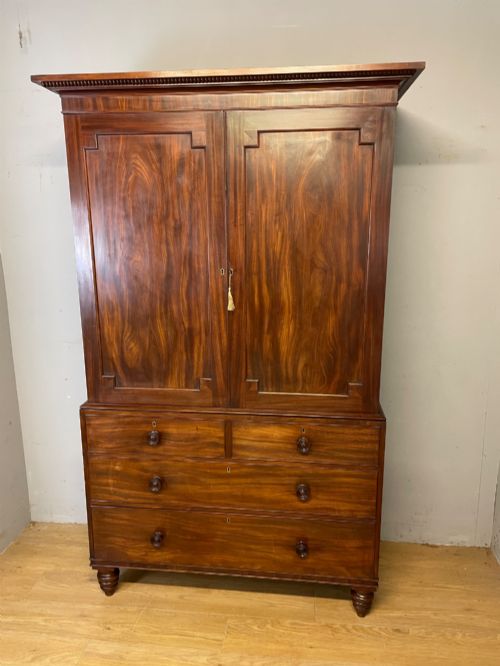
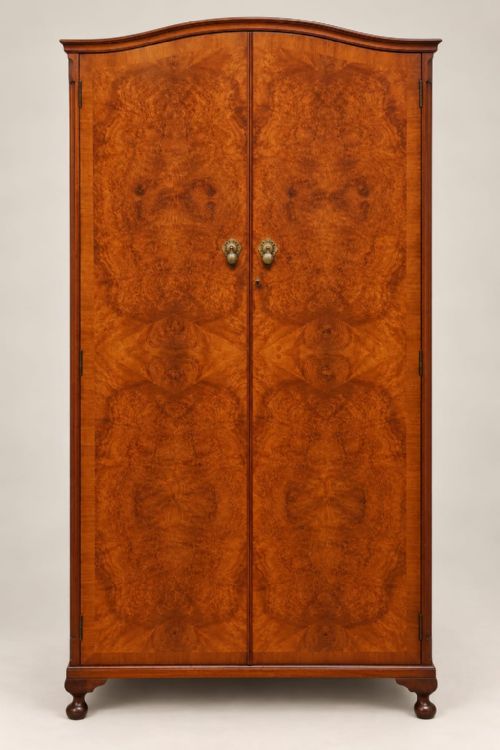
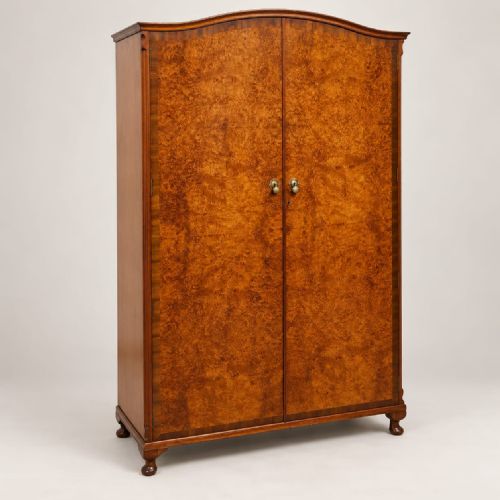
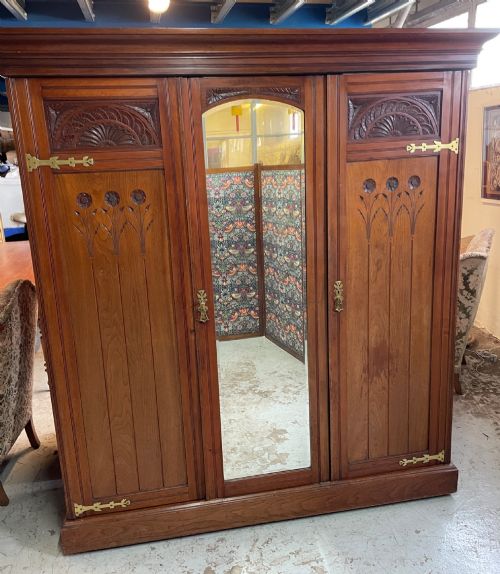
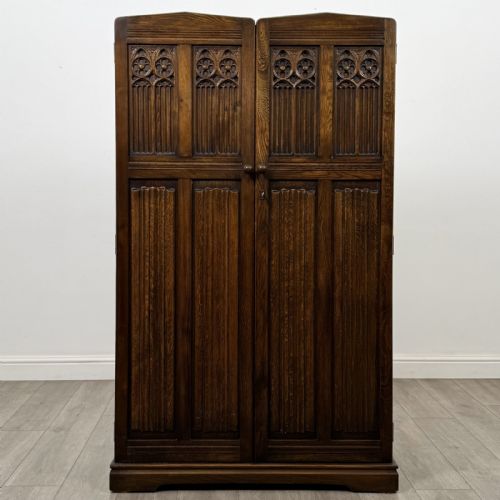
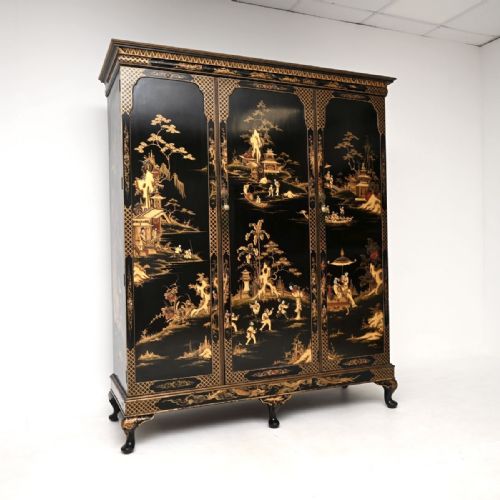
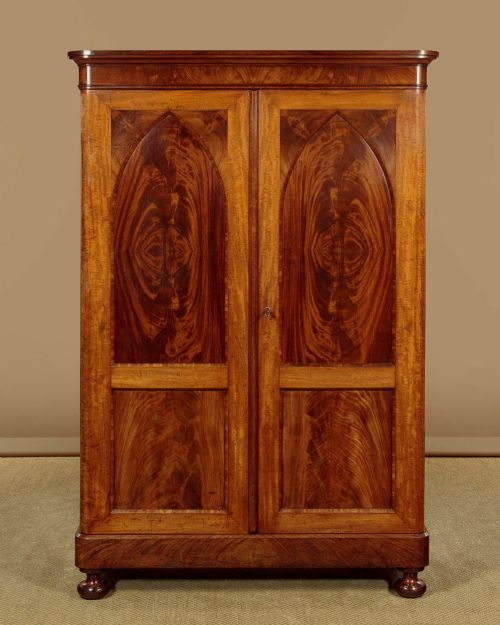
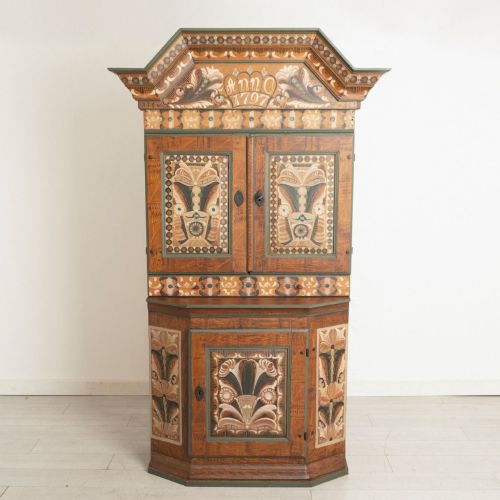
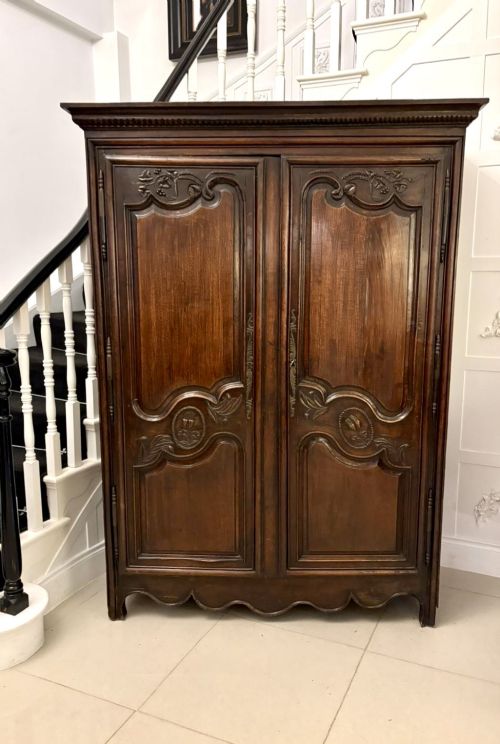
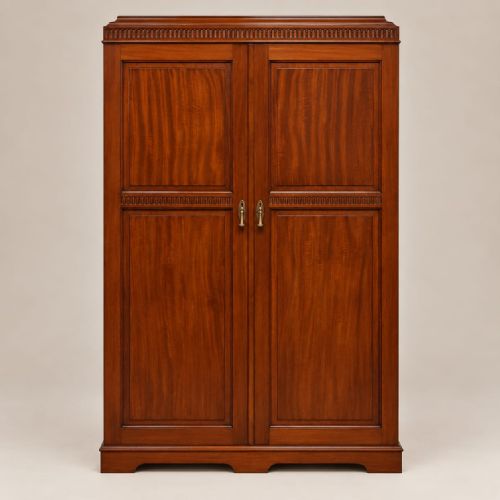
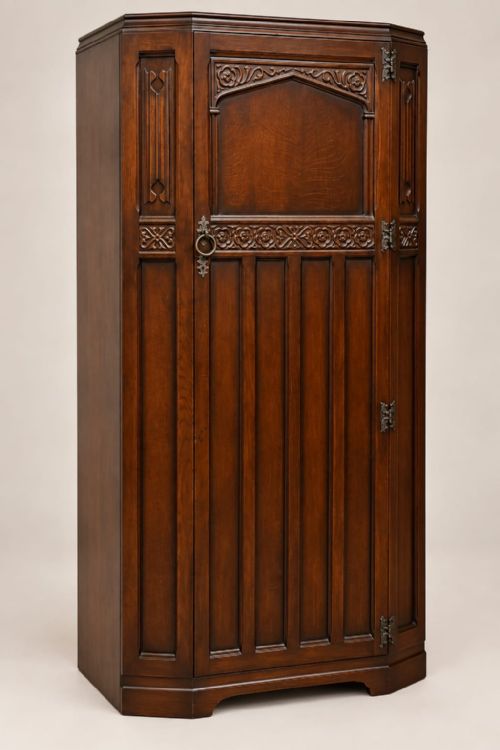
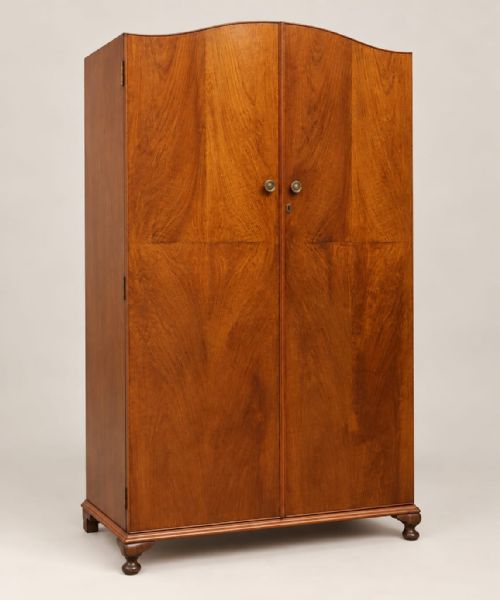
The selection on this page relies heavily on nineteenth century mahogany pieces and early twentieth century oak or burr walnut wardrobe cupboards. Formal Georgian and Victorian variations sit alongside vernacular French provincial and Swedish folk art examples.
Tall proportions and internal hanging spaces or sliding trays characterise these pieces, often combining deep drawers in the lower section with panelled doors above. They serve as focal points in period interiors while providing practical storage capacity.
Assessing quality and proportion
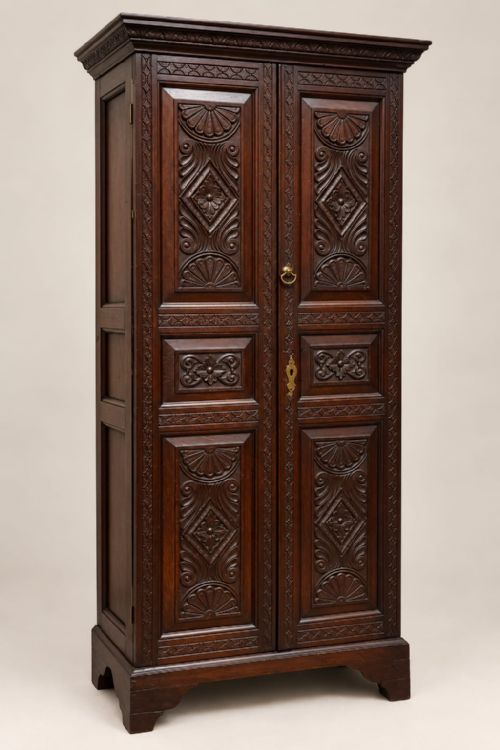
Quality rests in the selection of timber grain, the precision of inlay work such as satinwood banding or floral marquetry, and the integrity of original brass fittings. Superior examples display balanced proportions and refined architectural detailing like carved panels or serpentine fronts.
Internal configuration and adaptability also differentiate pieces, with fully fitted sliding trays, linen slides and well-preserved hanging compartments representing higher craftsmanship. The execution of hand-carved motifs and the retention of original surface patination distinguish finer workshop output from simpler utilitarian storage.
Listings feature oak, mahogany, walnut, burr walnut, pine and iron materials across periods spanning the late seventeenth century to the 1930s.
Hille for Harrods
The Antique Wardrobe Cupboard Glossary
- Linen press
- A tall cupboard featuring upper doors enclosing sliding trays or shelves for textiles, set above a base of lower drawers. This form evolved to store household linens flat before hanging wardrobes became standard.
- Compactum
- A multi-functional wardrobe combining hanging space, shelves and internal drawers within a single compact footprint. This form gained popularity during the late nineteenth and early twentieth centuries.
- Dentil cornice
- A decorative moulding featuring a series of small, rectangular tooth-like blocks projecting beneath the upper edge of a piece. It is frequently seen on Georgian mahogany cupboards.
- Marquetry
- The art of applying pieces of veneer to a structure to form decorative patterns and pictorial designs. Dutch and continental cabinets often employ floral marquetry in walnut.
- Livery cupboard
- An early form of storage furniture historically used for food, drink or clothing, typically constructed in solid oak with panelled doors. These pieces date back to the seventeenth and eighteenth centuries.
Antique Wardrobe Cupboard: Frequently Asked Questions
What is the difference between a wardrobe and a linen press?
A wardrobe is primarily designed for hanging garments vertically on rails or hooks behind full-length doors. A linen press traditionally houses internal sliding shelves or trays specifically intended for folded textiles and garments.
Many antique examples combine both functions by incorporating hanging space alongside internal drawers or trays. The choice depends on whether your storage needs lean toward folded items or hanging coats and dresses.
How do I date an antique wooden cupboard?
Dating relies on examining timber species, construction methods, hardware and stylistic details such as cornices and feet. Eighteenth-century pieces frequently feature solid oak or mahogany with hand-cut dovetails and bracket feet.
Later nineteenth and twentieth-century examples often introduce machine-sawn elements, different veneer techniques like burr walnut, and altered internal fittings. Comparing the piece against documented period styles provides a reliable timeline.
Will an antique wardrobe fit in a modern bedroom?
Antique wardrobe cupboards are often substantial pieces with significant height and depth, requiring careful measurement of your ceiling clearance and floor space. Many older wardrobes were built as single solid units that cannot be easily dismantled for transport.
It is essential to check both the external dimensions and the clearance needed for doors to open fully. Planning for access through stairwells and doorways ensures the piece can be placed successfully in your room.
How should I care for timber finishes on antique furniture?
Maintain timber finishes by keeping furniture away from direct sunlight and heat sources that can dry out wood and split veneers. Regular dusting with a soft, dry cloth preserves the natural surface patination without chemical buildup.
Applying a traditional beeswax polish occasionally helps nourish hardwoods like mahogany, oak and walnut. Avoid using modern silicone-based sprays which can damage historical polished surfaces.