


Antique Walnut Glass
Antique walnut glass pieces combine rich timber frames with transparent display surfaces, offering functional storage and decorative elegance for traditional or modern interiors.
Antique Walnut Glass
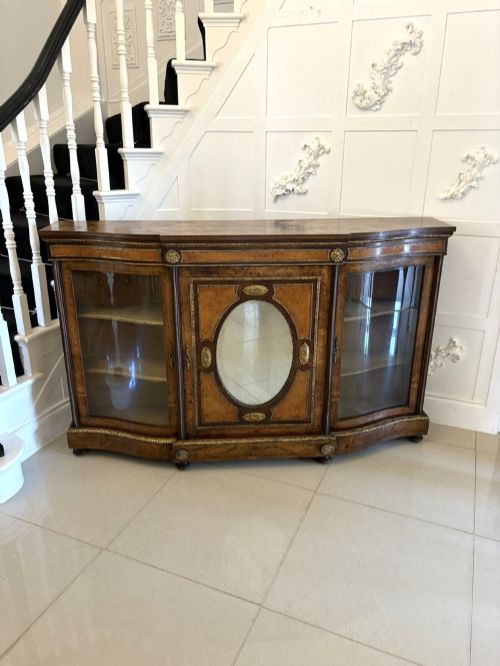
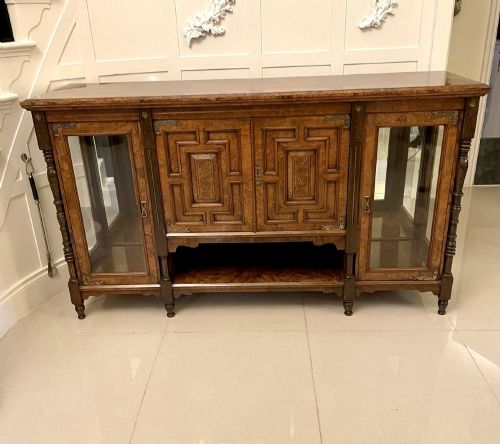
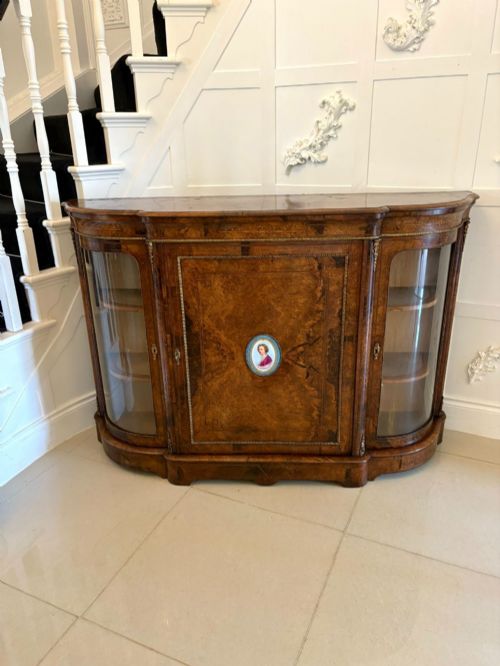
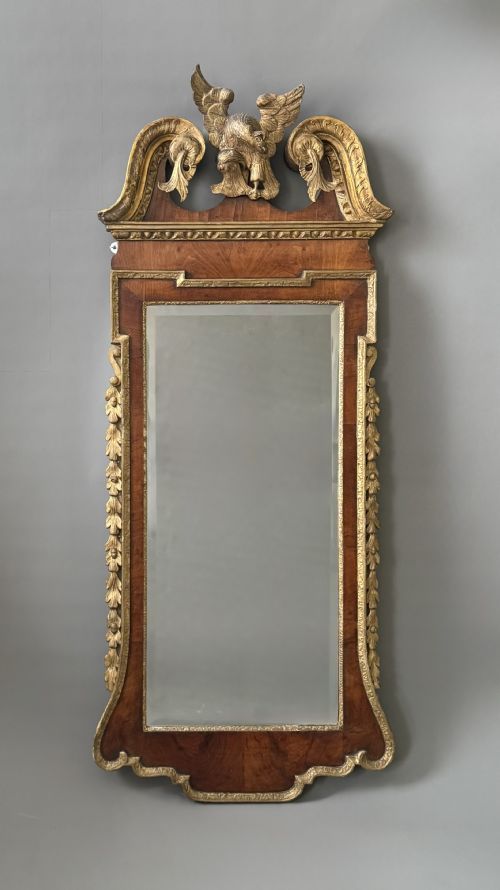
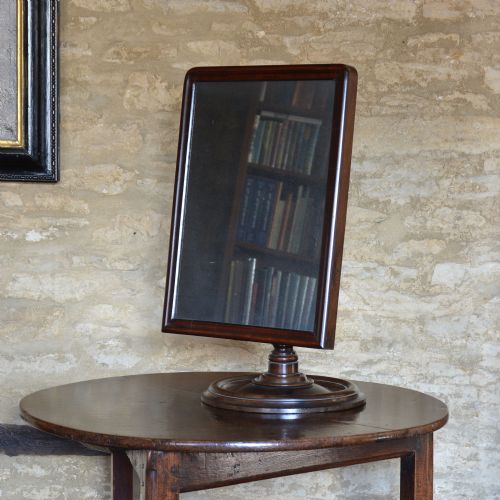
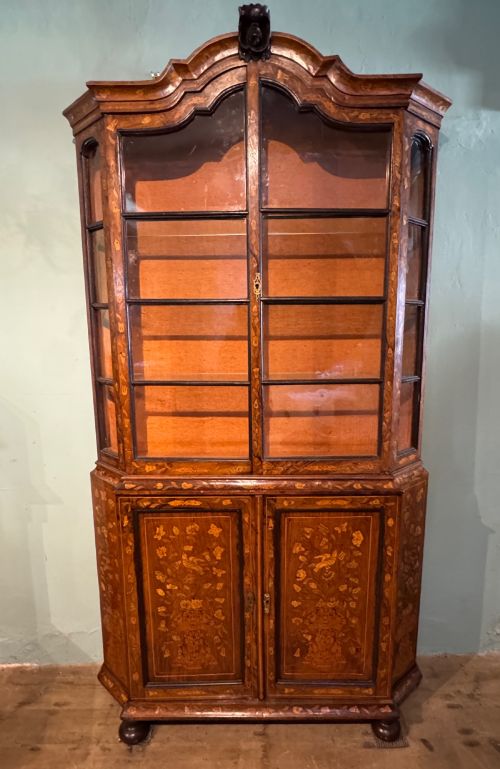
Items associated with antique walnut glass searches span a variety of functional forms, uniting warm timber frames with transparent glazing. Buyers encounter everything from large credenzas and display cabinets to smaller mirrors, coffee tables, and jewellery boxes.
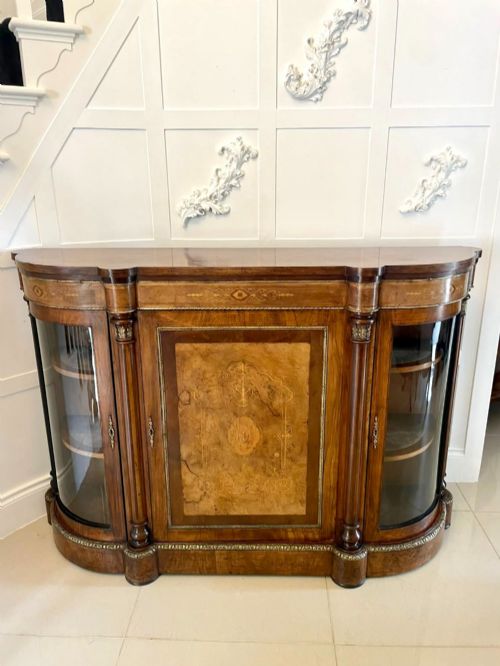
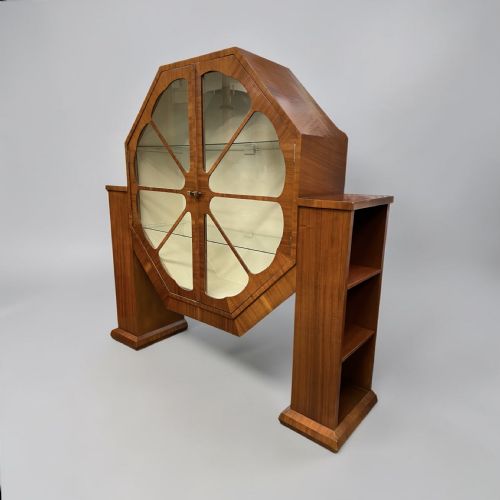
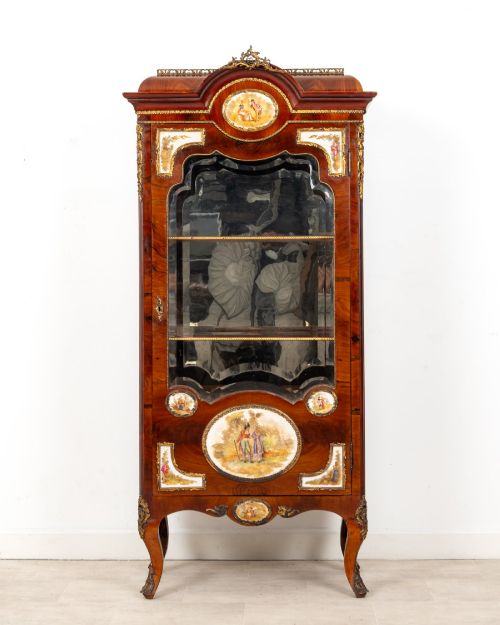
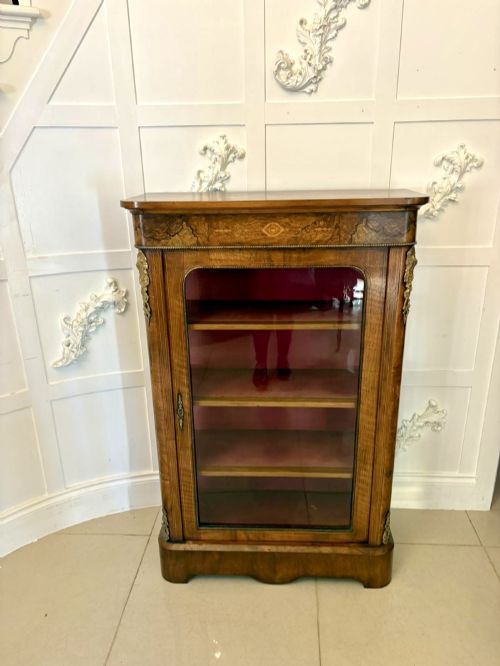
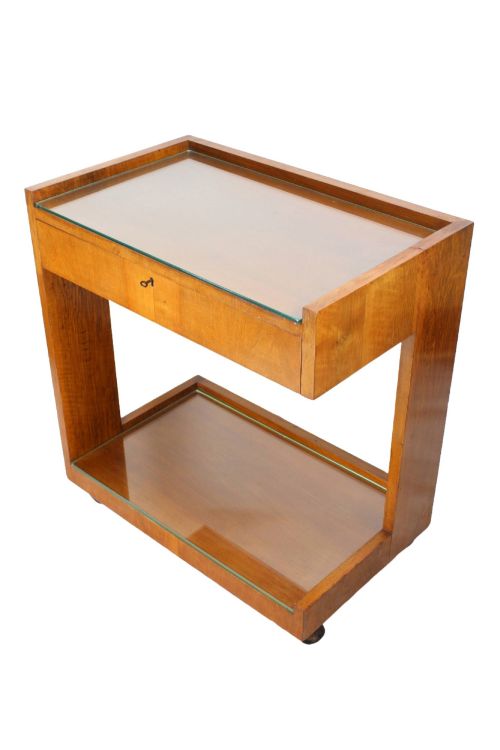
Victorian and Edwardian iterations dominate the selection, often featuring elaborate marquetry, ormolu mounts, or porcelain plaques set into the timber. Art Deco examples introduce geometric silhouettes and streamlined glass panels characteristic of the 1930s.
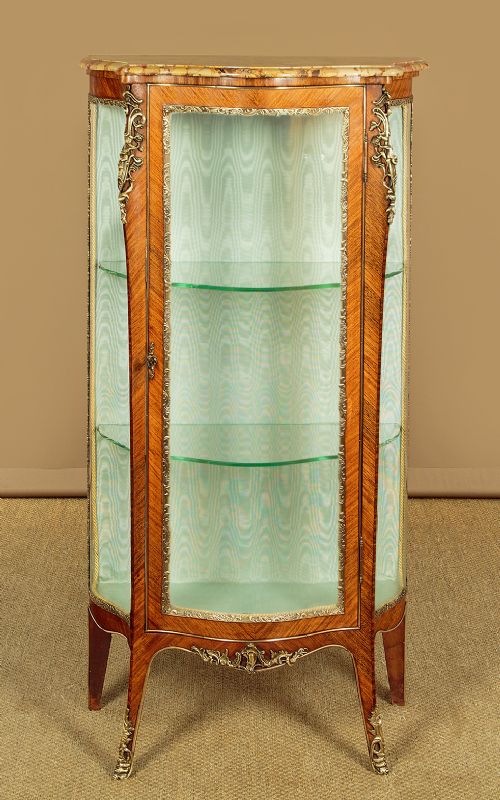
Revivalist movements strongly influence the inventory, particularly Queen Anne and Louis XV styles translated through nineteenth and twentieth-century cabinetmaking. These pieces serve as focal points in reception rooms, studies, and bedrooms.
Materials and construction
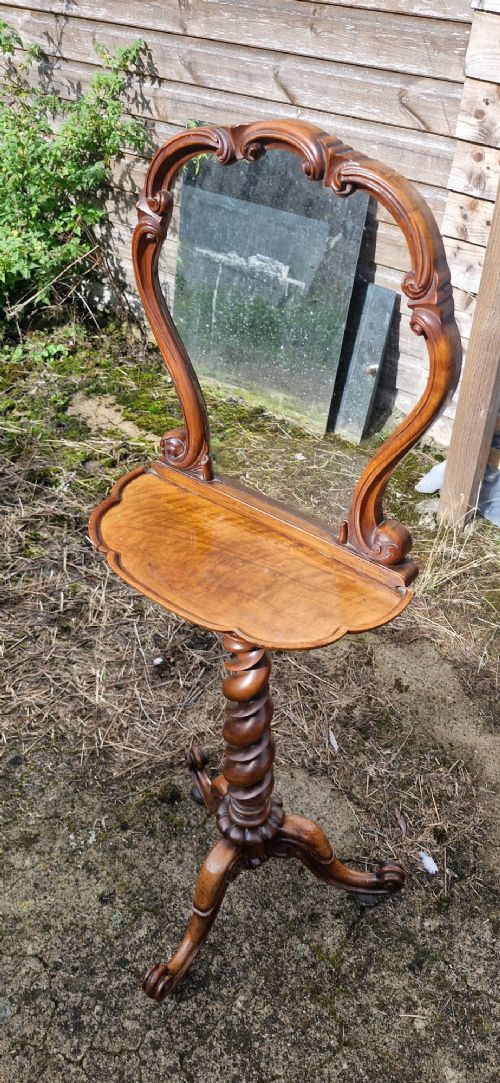
Solid walnut and figured burr walnut veneers form the primary structural and decorative surfaces, frequently paired with secondary woods like boxwood for stringing and marquetry details. Cabinetmakers selected burr sections for their swirling grain patterns, applying them systematically across door panels and tabletops.
Glazing techniques range from flat glass panes in early mirrors to curved and bevelled doors on vitrines and display cabinets. Ormolu mounts, brass hardware, and parcel gilt accents provide metallic contrast against the dark timber.
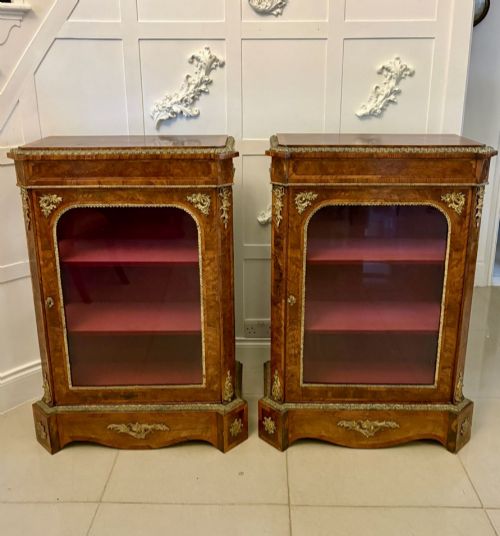
Interior fittings often incorporate velvet lining, fabric backing, or adjustable wooden shelving designed to showcase porcelain and glassware.
Listings feature walnut furniture spanning from the seventeenth century through the Art Deco era, incorporating brass, velvet, and ormolu.
Distinctions in quality
The choice and execution of veneer determine the visual impact, with symmetrical burr walnut figuring commanding greater appreciation than plain timber. Master cabinetmakers balanced grain patterns across large surfaces such as credenza doors and tabletop panels.
The integration of decorative hardware and mounts reveals the maker's hand, where chased ormolu, hand-cut marquetry, and finely bevelled glass distinguish superior workshop production from standard commercial output.
Structural integrity relies on seasoned timbers and precise joinery that accommodate seasonal wood movement without warping doors or cracking delicate glass panels.
Gabriel Viardot·Maple and Co
The Antique Walnut Glass Glossary
- Burr walnut
- A figured timber harvested from tree growths, prized for its intricate, swirling grain patterns. It is sliced into thin veneers for cabinet facades.
- Vitrine
- A glass-fronted display cabinet or showcase designed to exhibit porcelain, curiosities, and glassware. These pieces typically feature glazed sides as well as doors.
- Ormolu
- Gilded bronze ornamentation applied to furniture, popular in French-influenced and Victorian revival designs. It provides metallic contrast against dark walnut timbers.
- Marquetry
- The art of applying decorative veneer pieces to a structure to form intricate pictorial designs. Craftsmen utilise contrasting woods and metals for visual depth.
- Pier cabinet
- A slender cabinet designed to stand against the wall space between windows. Victorian examples frequently incorporate glass doors and velvet-lined interiors.
Antique Walnut Glass: Frequently Asked Questions
How do I clean walnut furniture?
Dust surfaces regularly with a soft, dry cloth to prevent accumulation. Avoid commercial silicone sprays that damage historic finishes.
Apply a microcrystalline wax sparingly when the timber appears dry, buffing gently to maintain a natural sheen.
Are these cabinets suitable for books?
Display cabinets and bookcases with glass doors protect volumes from dust while maintaining visibility. Check shelf depth and weight capacity before loading heavy bindings.
Ensure the room maintains stable humidity to protect both paper and antique timber.
Where should I place a mirror?
Position wall mirrors opposite windows to reflect natural light and brighten darker reception rooms. Ensure proper wall fixings support the weight of heavy timber frames.
Cheval mirrors require stable floor placement in bedrooms or dressing areas for safe daily use.
How do I date an item?
Examine construction methods, hardware types, and secondary timbers to establish a period baseline. Stylistic cues such as Art Deco geometric lines or Victorian marquetry offer reliable indicators.
Consult maker marks, labels, or stamps when present on the reverse or interior framework.