
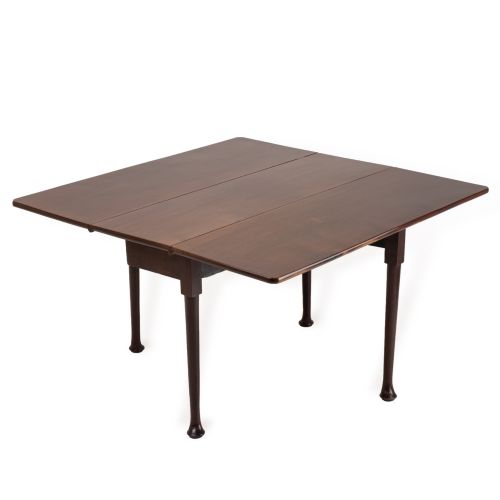


Antique Walnut Extension Table
An antique walnut extension table brings warmth and rich grain to a dining room while offering practical adaptability for guests.
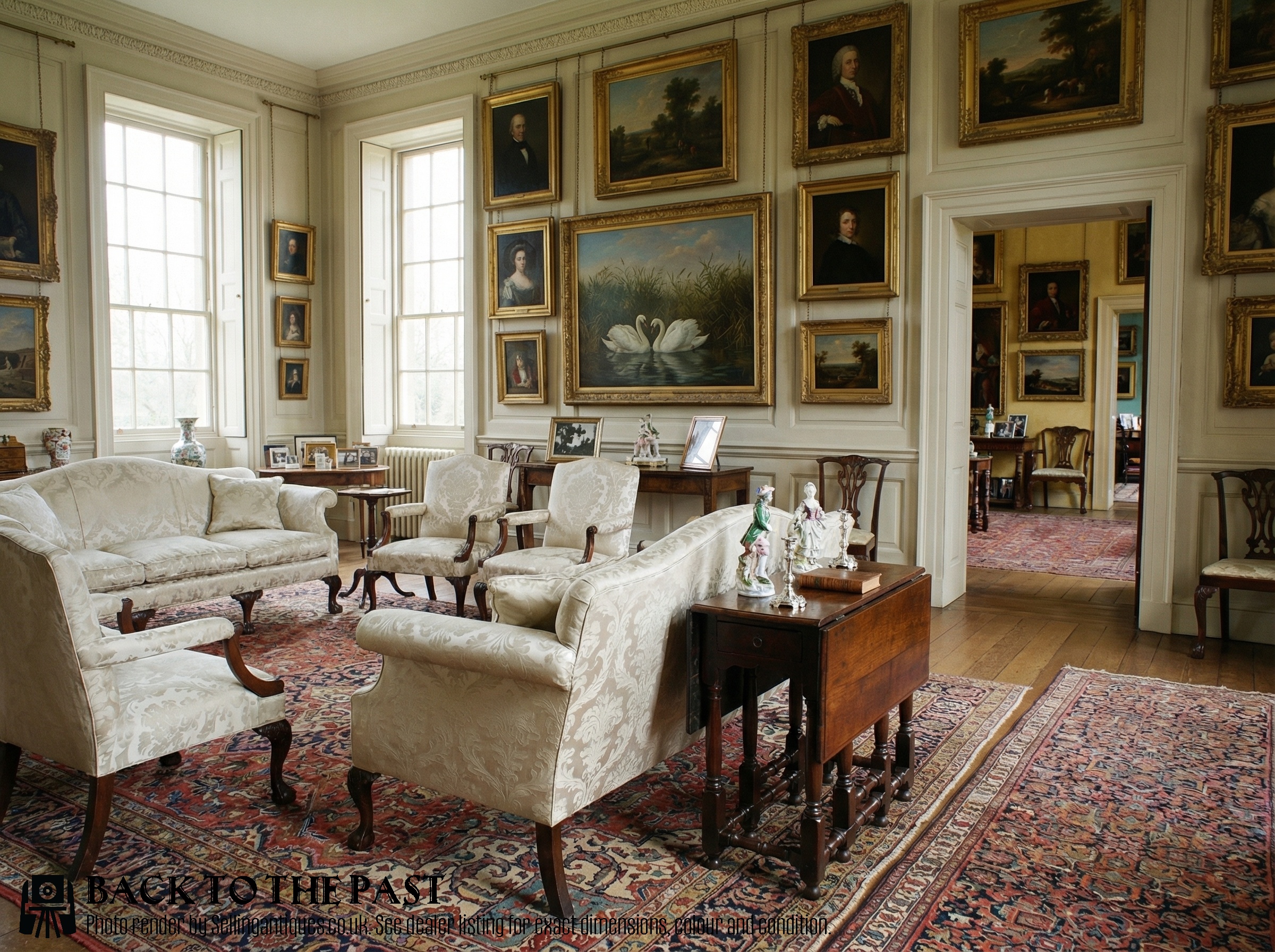
Antique Walnut Extension Table
An antique walnut extension table covers a broad span of centuries, featuring practical dining tables and smaller occasional forms designed to expand when needed. Buyers exploring this phrase encounter diverse formats ranging from late seventeenth-century gateleg designs to nineteen-thirties parquetry draw-leaf tables and grand Georgian pedestal suites.
The selections available here rely heavily on figured timbers, burr walnut veneers, and parquetries that showcase the natural pattern of the wood. Makers across the Georgian, Victorian, and Art Deco periods adapted these tables for flexible use through drop leaves, extra leaves, and draw mechanisms.
Originating from English and continental workshops, these pieces combine sturdy timber structures with sophisticated surfaces. A buyer searching for an antique walnut extension table will find dining sets, gateleg variants, and large multi-pedestal formats suited to period interiors.
How they were made
Cabinetmakers utilised solid walnut and decorative burr walnut veneers applied over secondary timbers, often accentuating the grain with parquetry arrangements. Iron and brass hardware supported the mechanical sliding leaves and drop-leg pivots.
Carpenters constructed the extension mechanisms using robust timber framing, ensuring leaves slid smoothly or folded securely on gateleg hinges. Carved wooden bases and pedestals provided stable support for large dining surfaces.
A sturdy gateleg hiding behind a sober seventeenth-century facade can suddenly deploy extra leaves to host an unexpected feast.
What varies in quality
The sophistication of the timber selection largely dictates the visual appeal, with figured burr walnut and intricate parquetry marking out the more ambitious examples. Simpler gatelegs rely on the integrity of the solid timber and the smooth operation of the folding leaves.
Execution of carved bases and the precision of the extension mechanism separate standard workshop output from exceptional cabinetwork. Tables that retain their original leaves and stamped maker marks demonstrate greater historical integrity.
Hille London
The Antique Walnut Extension Table Glossary
- Draw-leaf table
- A dining table with extension leaves stored beneath the main top that pull out from each end. This clever mechanism allows the surface area to double without removing separate loose boards.
- Gateleg table
- A drop-leaf table featuring hinged legs that swing outward to support the raised flaps. It provides a compact footprint when closed and a stable circular or oval surface when fully opened.
- Parquetry
- Geometric wood inlay work arranged in patterns such as chequers or diagonals across the tabletop. It requires high skill from the cabinetmaker to fit each small veneer piece precisely.
- Burr walnut
- A highly figured timber harvested from tree growths or burls, producing swirling grain patterns prized for decorative surfaces. It is typically sliced into thin veneers for tabletops.
Antique Walnut Extension Table: Frequently Asked Questions
How do extension mechanisms work?
Most antique extending tables utilise either sliding draw leaves stored beneath the main top or loose centre leaves supported by a telescopic frame.
Gateleg versions use hinged swing legs to support drop leaves, while pedestal designs separate on tracks to drop in additional sections.
Are these tables suitable for daily use?
Walnut is a durable hardwood that handles everyday dining well, provided surfaces are protected from heat and moisture.
Applying proper care preserves the polish and protects delicate burr veneers from undue wear over time.
How do I identify the period?
Structural details such as gateleg frames point toward the seventeenth century, while pedestals and drop leaves often suggest the Georgian era.
Art Deco examples display geometric parquetry and streamlined twentieth-century silhouettes that contrast with ornate Victorian carved bases.
What is a sofa table?
A sofa table is a small, versatile table traditionally placed behind a sofa, featuring drop leaves on either side.
Georgian and nineteenth-century examples often include small drawers and slender pillar supports suited for occasional writing or display.