




Antique Walnut Elbow Chairs
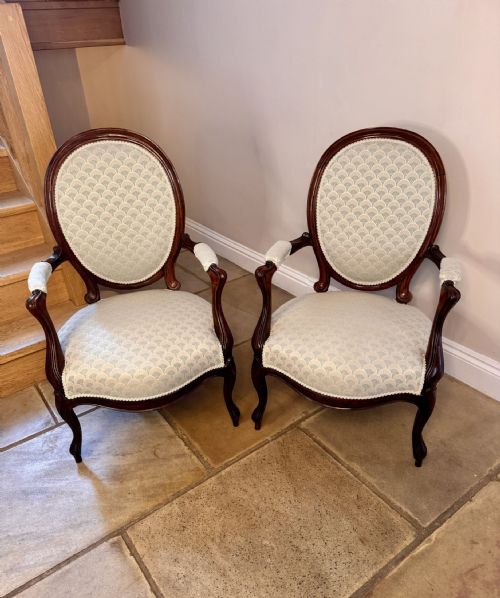
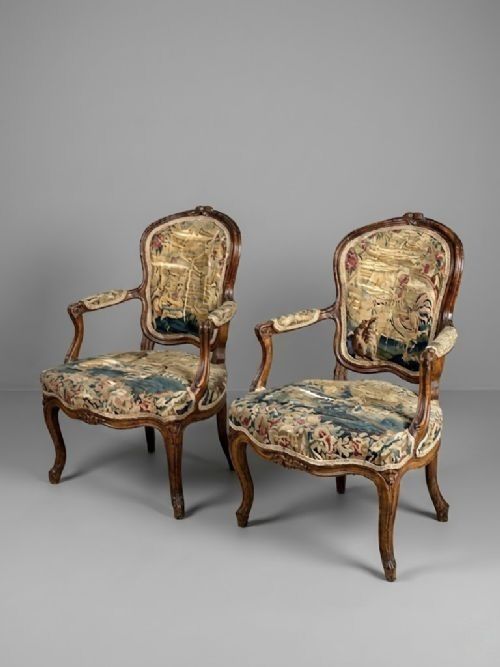
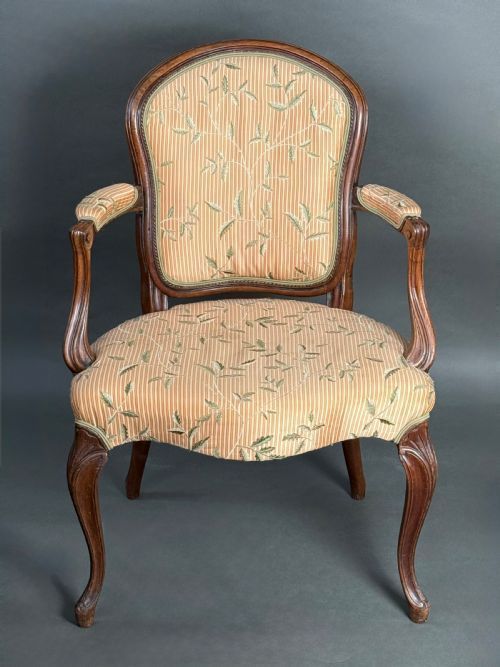
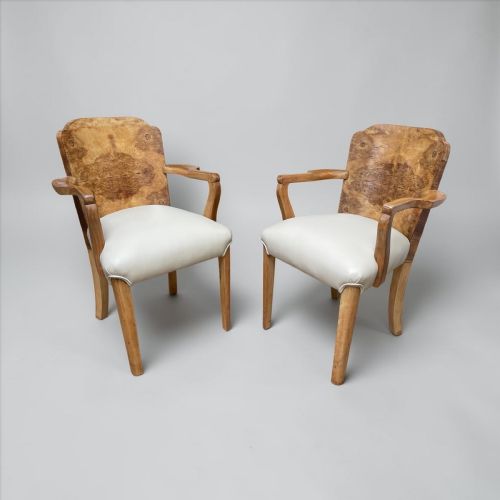
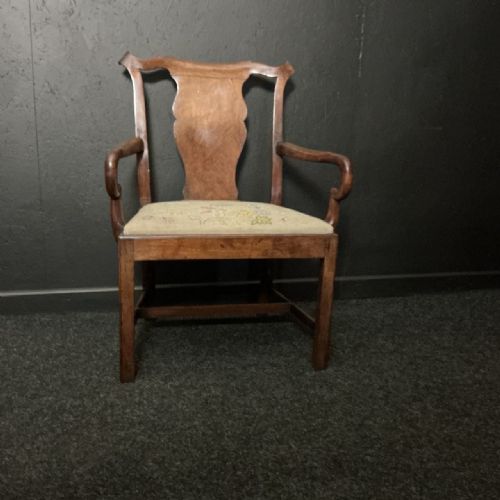
These antique walnut elbow chairs bring tactile timber and period form to a room, offering sturdy arms and deep seats designed for long hours of correspondence or reading.
Antique Walnut Elbow Chairs
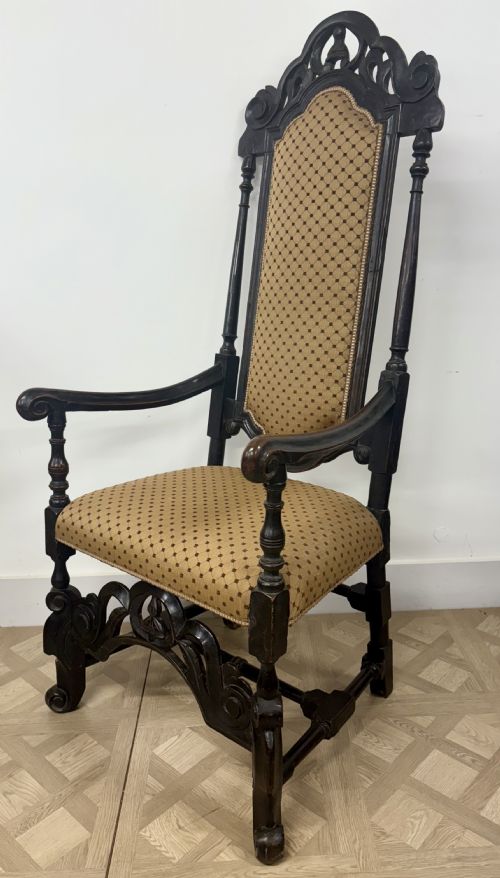
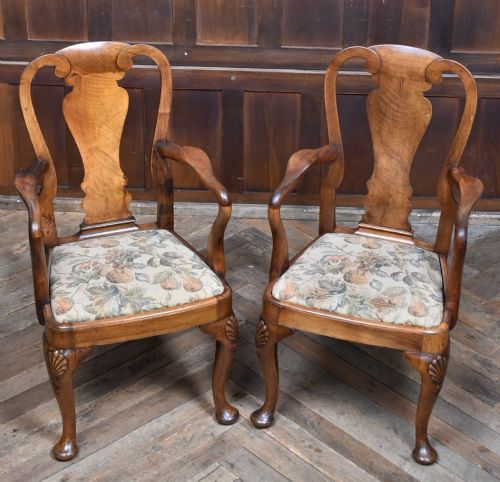
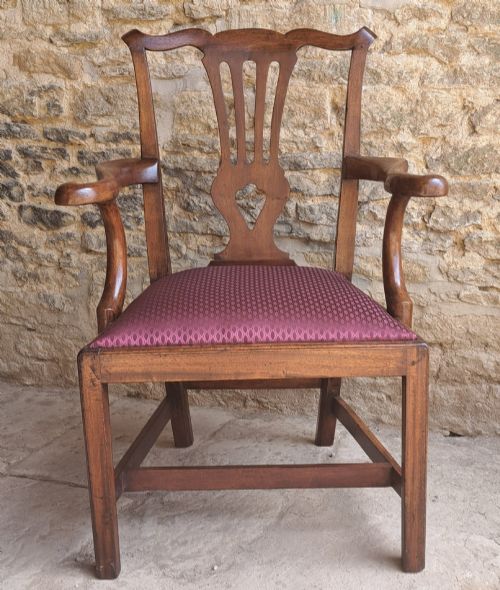
When you search for antique walnut elbow chairs, you find seating built with substantial timber arms, spanning periods from the late seventeenth century through the Edwardian era and early twentieth-century revivals. The listings here include English, French, Irish, and Dutch examples, ranging from heavy seventeenth-century designs to lighter Queen Anne and Georgian style revivals.
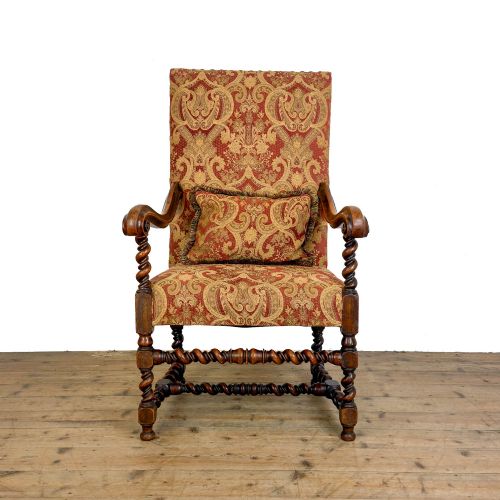
You are most likely to meet Victorian and early twentieth-century interpretations on this page, often constructed in matched pairs or individual library and study formats. These pieces draw on Carolean, Louis XV, and Hepplewhite influences, providing supportive elbow rests alongside varied upholstery and cane work.
How they were made
Cabinet makers utilised solid walnut for its rich grain and structural strength, often framing intricate carving, painted surfaces, or marquetry inlay across the backsplats and cabriole legs. Frames frequently incorporate joined construction methods designed to bear weight through the arms and upright supports.
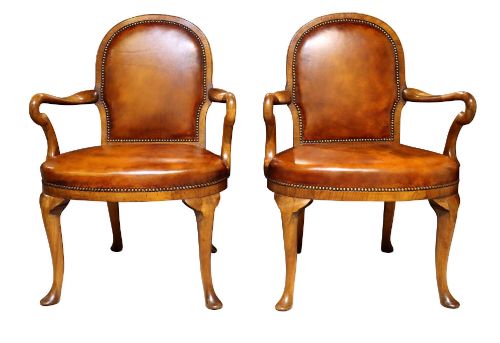
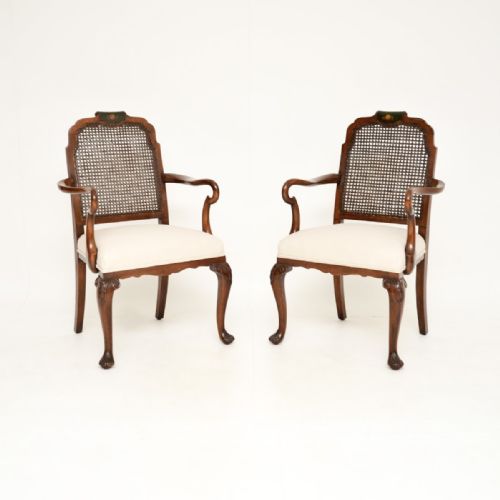
Upholstery techniques vary across the centuries, pairing the timber frames with original or later textiles including leather, silk, fabric, tapestry, and brass-tacked canvas. Caning appears on specific lighter frames, while other examples integrate gilding or Syrian Moorish inlay directly into the walnut structure.
Antique Walnut Elbow Chairs Retail Price Guide 2026
Typical asking prices for walnut elbow chairs among the pieces listed under this phrase on Sellingantiques today, from the lower quarter to the upper quarter. They describe what is for sale here now, not the wider market.
Several armchairs on this page arrive with silk, tapestry, and leather, proving that historic rumps sat just as comfortably as modern ones.
What varies in quality
The distinction between standard seating and the finest examples rests in the crispness of the carved detail and the integrity of the walnut timber itself. Deeply carved foliage, refined cabriole legs, and well-executed marquetry denote workshops operating at a higher standard of craftsmanship.
Proportion and structural balance also separate pieces, where the curve of an elbow rest and the rake of a backrest create a harmonious silhouette. Original surfaces, uncompromised joinery, and high-grade covering materials elevate an armchair beyond everyday utility.
Shoolbred
The Antique Walnut Elbow Chairs Glossary
- Elbow chair
- A seating piece fitted with wooden armrests flanking the seat, historically used for study, dining, or drawing rooms. These chairs provide elevated support compared to side chairs.
- Carolean
- A decorative style spanning the late seventeenth century, characterised by rich walnut framing, barley-twist turnings, and deep crown-and-thistle carving. Pieces from this era display robust proportions.
- Marquetry
- The art of applying fitted veneers of contrasting timber to form decorative patterns on furniture surfaces. Dutch makers frequently utilised this technique on eighteenth-century elbow chairs.
- Cane
- Split rattan woven into an open mesh pattern to form lightweight backrests and seat panels. Edwardian and earlier makers employed this material to add texture and ventilation.
- Cabriole leg
- A furniture leg that curves out in a convex arc at the knee and tapers inward in a concave arc to the foot, echoing animal limb forms. This shape defines many eighteenth-century and revival designs.
Antique Walnut Elbow Chairs: Frequently Asked Questions
What is an elbow chair?
An elbow chair is a seating piece featuring built-in wooden armrests, designed to provide extra support for the arms while seated at a desk or in a library. These chairs sit between standard side chairs and large upholstered armchairs in scale.
In period settings, they were frequently utilised as single pieces for study use or paired for formal rooms. The addition of arms distinguishes them clearly from companion chairs in the same suite.
How do I date walnut chairs?
Dating walnut chairs involves examining the construction methods of the frame, the tool marks left by cabinet makers, and the prevailing stylistic influences of the period. Seventeenth-century examples display robust turnings and pegged joints, whereas later revivals incorporate nineteenth-century machine assistance.
Secondary woods and upholstery webbing also offer clues to age, though many pieces were recovered or repaired over subsequent generations. Comparing the carved motifs against known design books helps place an armchair in its proper decade.
Where should I place one?
These chairs suit studies, libraries, and quiet corners where their timber frames and decorative backs can be viewed from multiple angles. A single elbow chair works well beside a fireplace or paired with a writing table.
Because the walnut timber and fabric coverings introduce warmth and texture, they anchor neutral rooms effectively. Ensure the arm height clears your desk or table if you plan to use it for working.
Are walnut and oak chairs different?
Walnut and oak chairs differ primarily in grain texture, colour warmth, and the era in which each timber dominated fashionable furniture production. Oak was favoured heavily in earlier centuries for its dense, rugged durability, while walnut gained preference for finer grain and easier carving.
Walnut pieces often appear more slender and decorative than their heavy oak predecessors, allowing for intricate cabriole legs and marquetry details. Both timbers offer exceptional longevity when properly maintained.