

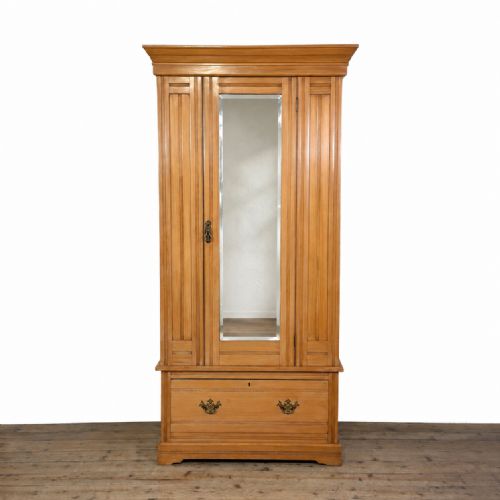
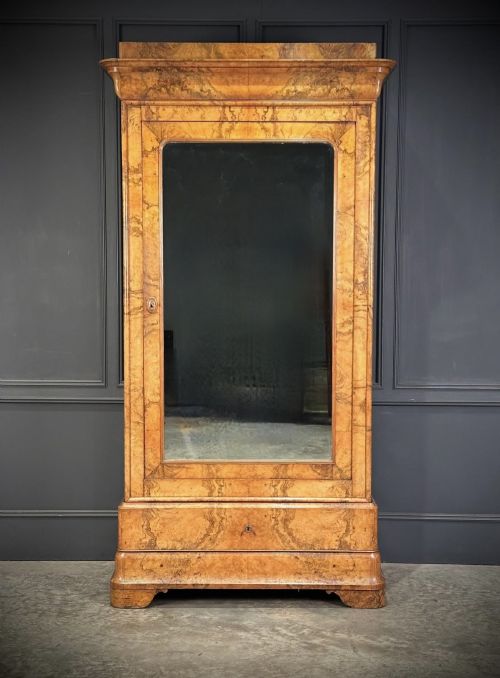
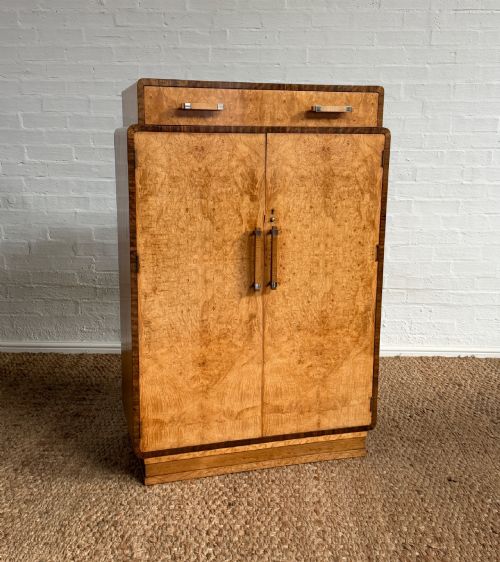
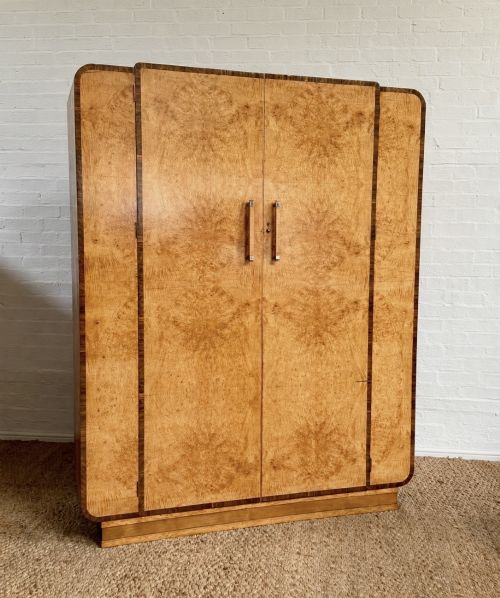
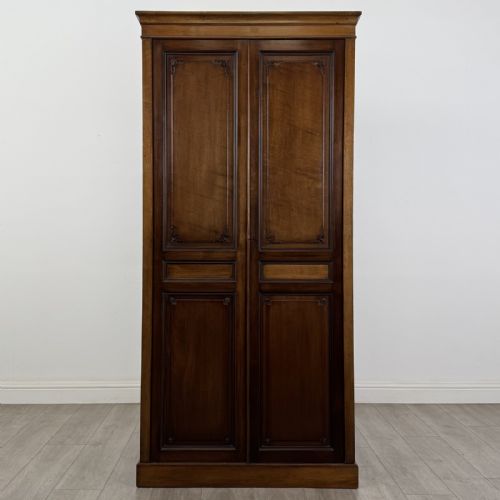
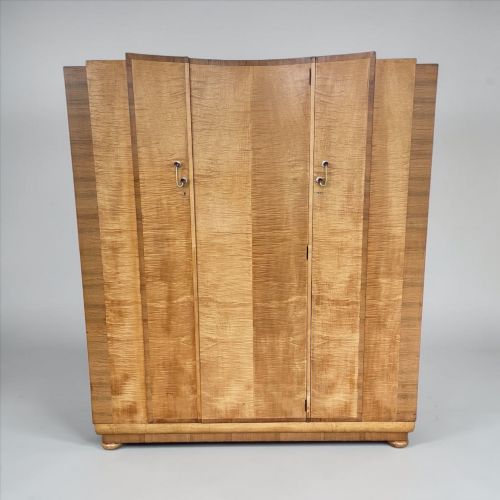
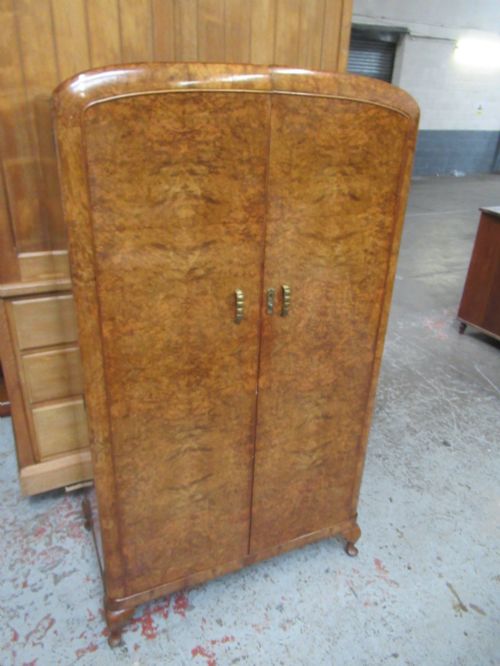
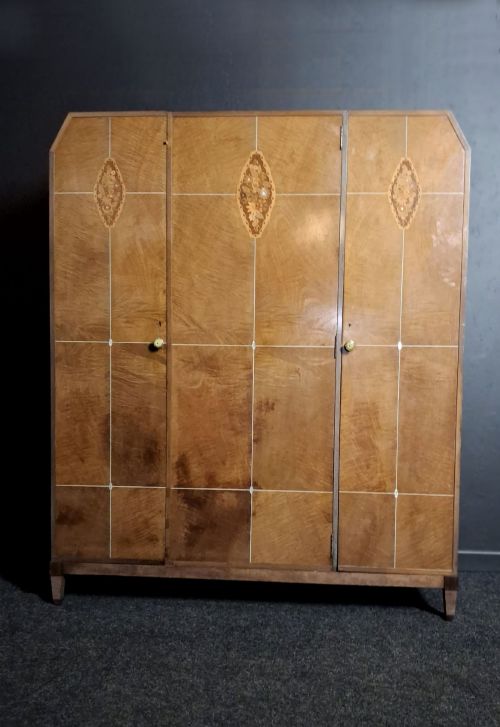
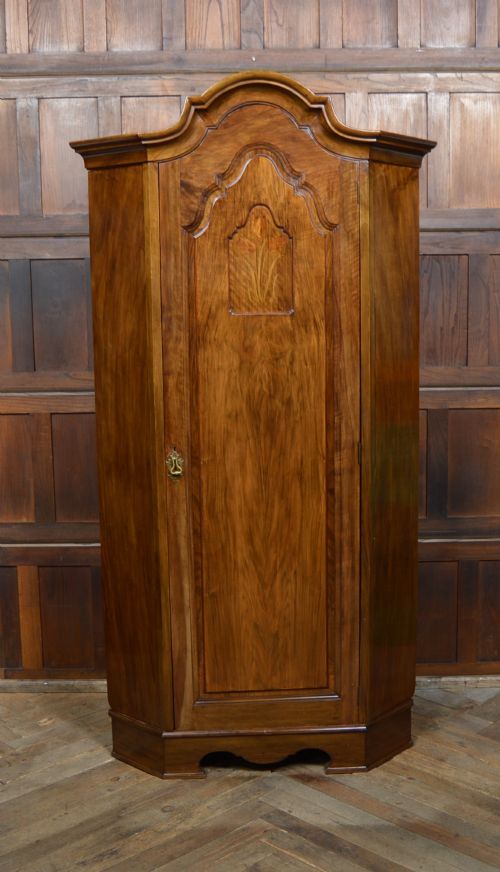
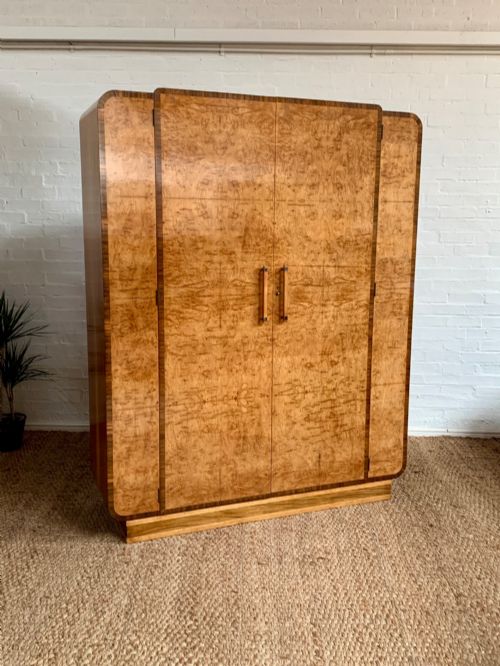
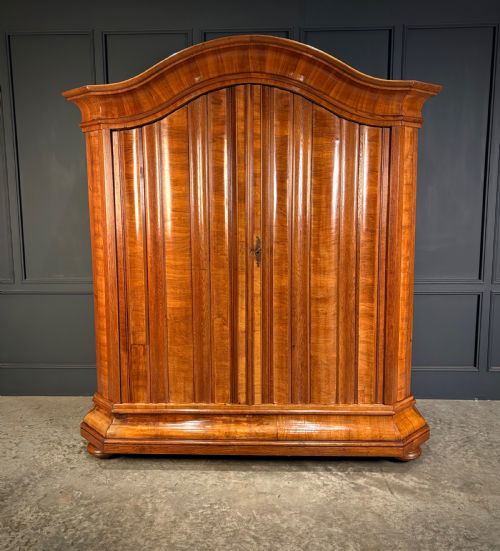
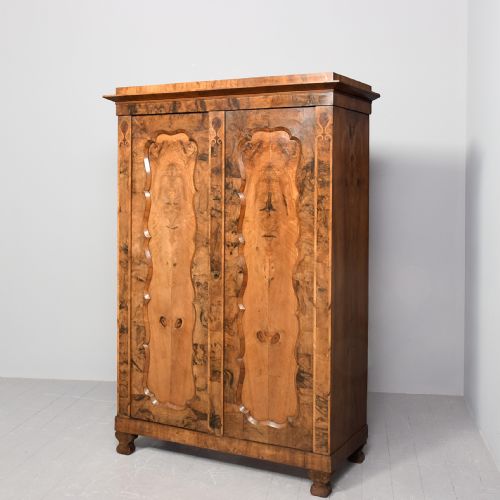
Antique Walnut Clothes Cupboard
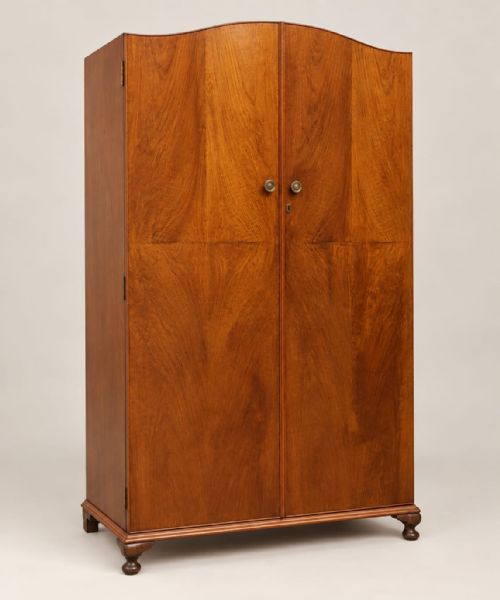
An antique walnut clothes cupboard provides substantial storage while anchoring a room with the rich grain of figured timber.
Antique Walnut Clothes Cupboard
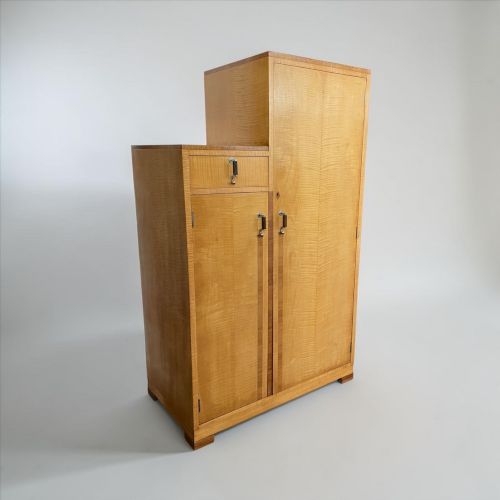
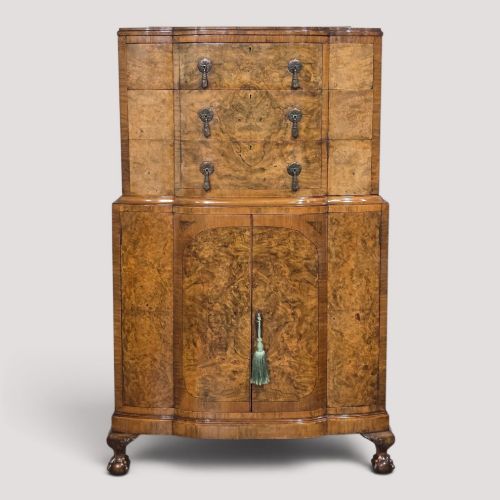
An antique walnut clothes cupboard brings together centuries of cabinet making, encompassing tallboys, compactums, linen presses and armoires designed to house garments. When you search for an antique walnut clothes cupboard, you encounter forms ranging from eighteenth-century continental pieces to streamlined Art Deco designs from the 1930s.
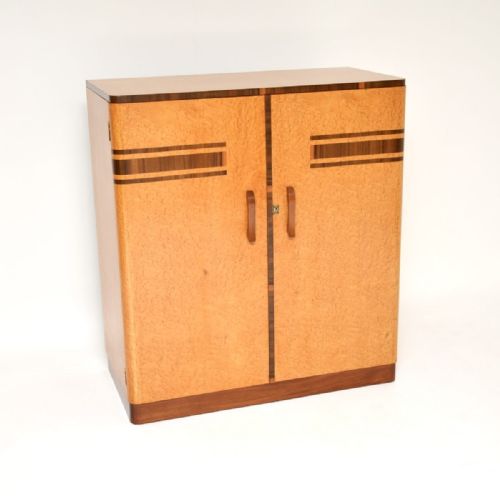
The most common versions met on this page include substantial Victorian multi-door wardrobes and nineteen-thirties burr walnut compactums. Makers utilised figured veneers and rich timber tones to create functional furniture that served as the primary wardrobe in grand and modest homes alike.
Early examples often take the form of Dutch press cupboards or carved armoires with deep internal hanging space and shelving. Later Edwardian and Art Deco iterations introduce specialised compartments, mirror doors and polished chrome hardware alongside traditional brass fittings.
Materials and construction
Cabinet makers constructed these wardrobes using solid walnut and applied decorative veneers such as burr walnut, cloud walnut and figured timber over secondary woods. The natural grain patterns dictated the visual arrangement of the doors and panels, often book-matched to create symmetrical designs.
Structural integrity relied on traditional joinery, panelled doors and internal framing designed to support heavy timber clothes storage. Metal elements such as brass locks, hinges and occasional ormolu mounts were integrated alongside glass panels and fitted interior drawers.
Antique Walnut Clothes Cupboard Retail Price Guide 2026
Typical asking prices for walnut clothes cupboard among the pieces listed under this phrase on Sellingantiques today, from the lower quarter to the upper quarter. They describe what is for sale here now, not the wider market.
Some wardrobes hide split-side compartments designed specifically to keep morning trousers pressed before the invention of the electric iron.
Distinctions in quality
Quality rests in the selection of the timber veneers and the precision of the grain matching across large surfaces like wardrobe doors. Superior pieces display carefully chosen burr or figured walnut with consistent colour and intact, high-grade brass or ormolu hardware.
Construction standards differentiate workshop production, with notable firms employing refined interior fittings, robust sliding trays and well-engineered compactum mechanisms. The depth of the carving on eighteenth-century armoires and the execution of marquetry details also separate standard utility items from exceptional examples.
Waring & Gillow·Bath Cabinet Makers·Maple & Co·Harry and Lou Epstein
The Antique Walnut Clothes Cupboard Glossary
- Compactum
- A multi-functional wardrobe featuring a combination of hanging space, shelves and internal drawers. These fitted units maximise storage efficiency within a single footprint.
- Armoire
- A large freestanding cupboard with doors, originating in continental Europe. They provide deep internal storage for garments and household linens.
- Linen Press
- A tall storage piece containing sliding trays or shelves in the upper section and drawer storage below. They were traditionally used to store folded textiles and bed linen.
- Burr Walnut
- Timber taken from the growth excrescence of a walnut tree, yielding intricate, swirling grain patterns. Cabinet makers prized this wood for decorative veneering on prominent exterior surfaces.
- Tallboy
- A tall chest of drawers or wardrobe configuration designed to maximise vertical storage capacity. They offer significant storage while occupying a modest floor area.
Antique Walnut Clothes Cupboard: Frequently Asked Questions
What is a compactum wardrobe?
A compactum is a specialised wardrobe designed to contain hanging space, shelving and internal drawers within one unified cabinet. These pieces offer varied internal organisation for different types of garments.
They appear frequently in early twentieth-century and Art Deco designs, providing complete bedroom storage in a single footprint.
How do I date an antique wardrobe?
Dating relies on stylistic markers, construction techniques and the types of wood veneers used across the piece. Eighteenth-century examples often feature heavy architectural cornices and hand-carved panels.
Nineteenth-century Victorian and Edwardian pieces introduce machine-sawn elements and mirrored doors, while nineteen-thirties items display streamlined Art Deco geometry and burr walnut surfaces.
Are these wardrobes easy to dismantle?
Many large nineteenth-century and continental armoires were constructed to break down into sections for transport and installation. This modular design helped move substantial timber furniture up staircases and through doorways.
Checking the specific construction reveals whether a piece utilises knock-down bolts or fixed tongue-and-groove joints.