

Antique Walnut Bedroom Tables
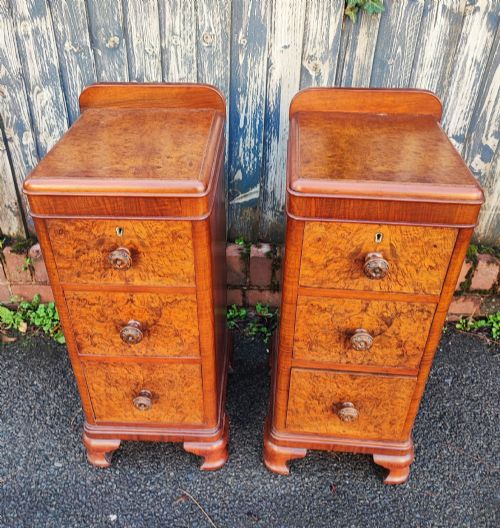
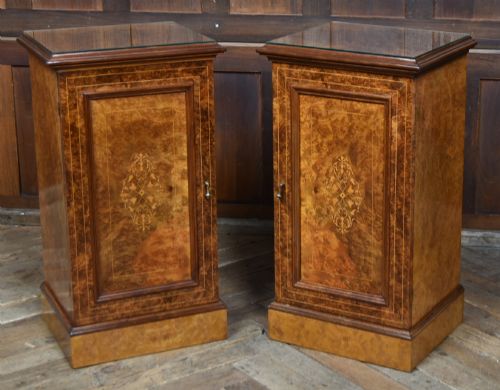
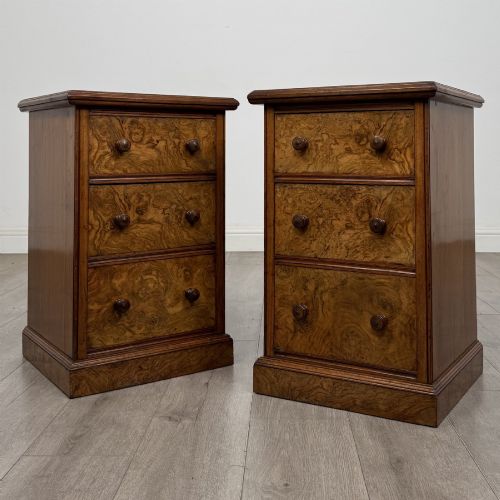
These antique walnut bedroom tables offer rich timber grain and compact proportion, bringing practical bedside storage and period character to a room.
Antique Walnut Bedroom Tables
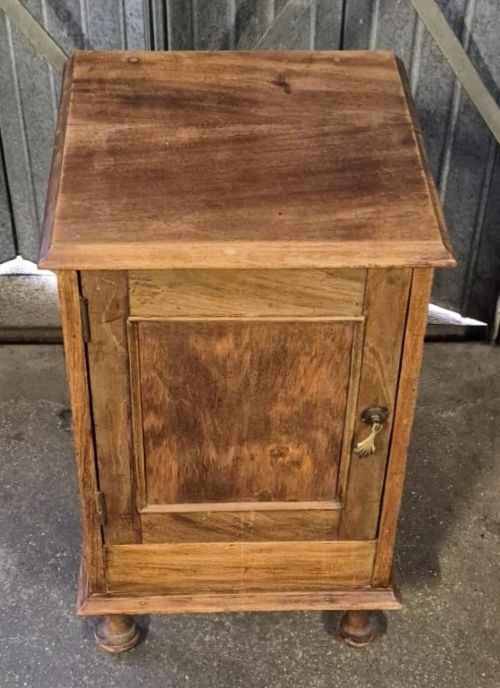
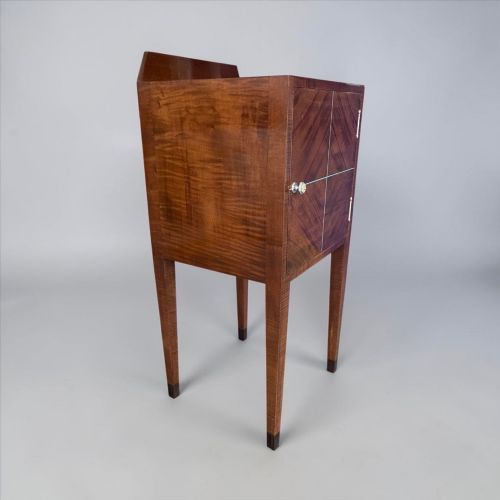
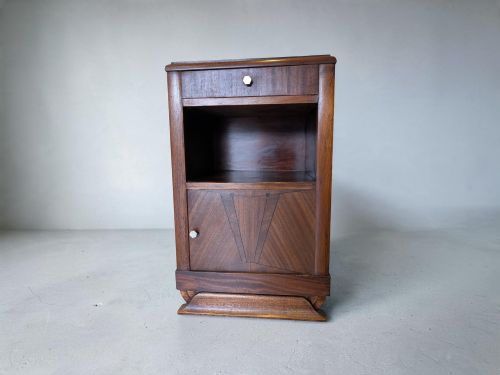
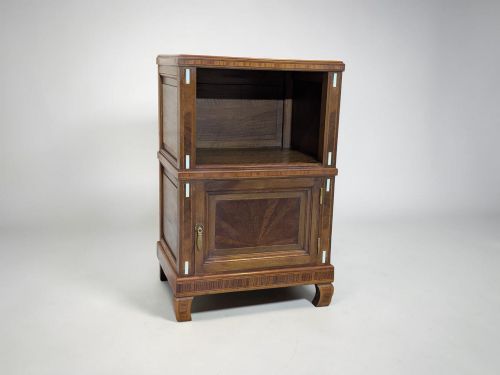
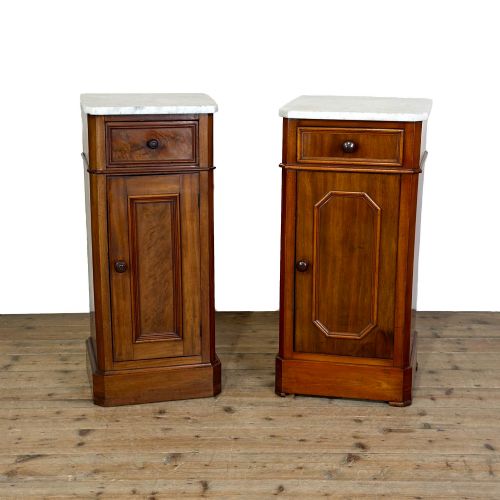
Buyers searching for antique walnut bedroom tables encounter a variety of forms designed to sit beside a bed or assist with morning routines. The most frequent discoveries on this page are bedside cabinets, bedside tables, and matching pairs from the nineteenth and twentieth centuries.
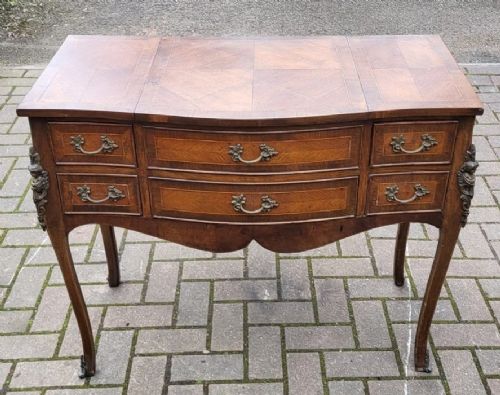
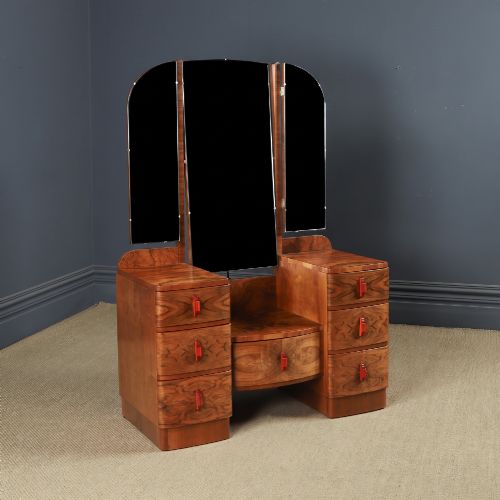
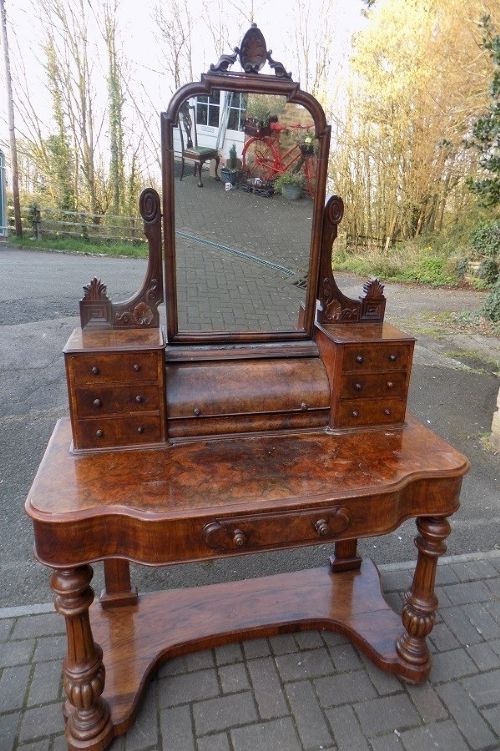
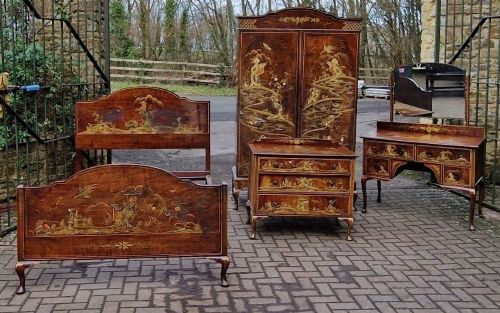
Beyond simple cabinets, the selection encompasses related bedroom furnishings such as dressing tables, vanity units, and compact chests of drawers. Pieces range from Victorian and Edwardian iterations to streamlined Art Deco examples.
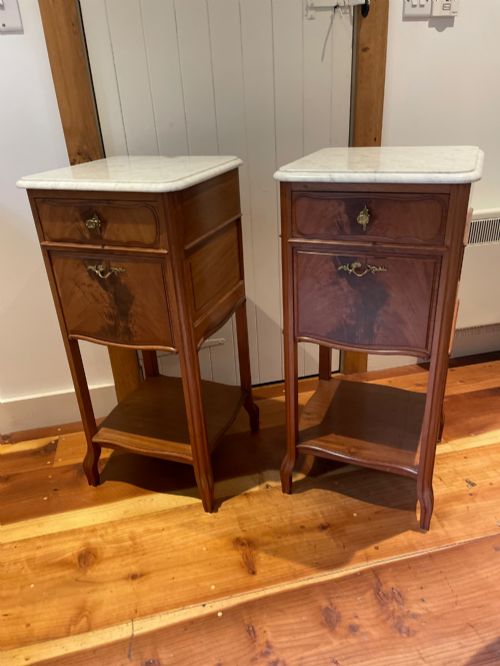
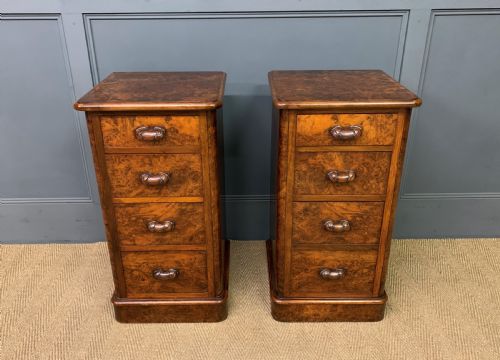
Origin and period dictate the silhouette, moving from heavily carved nineteenth-century designs to the geometric lines of the 1930s. Many items appear as matched pairs, reflecting the historical shift toward symmetrical bedroom layouts.
Materials and construction methods
Cabinetmakers utilised solid walnut and burr walnut veneer over secondary timbers to achieve deep, swirling grain patterns across door fronts and table tops. Burr walnut, prized for its intricate knot formations, frequently forms the primary visual surface on decorative panels.
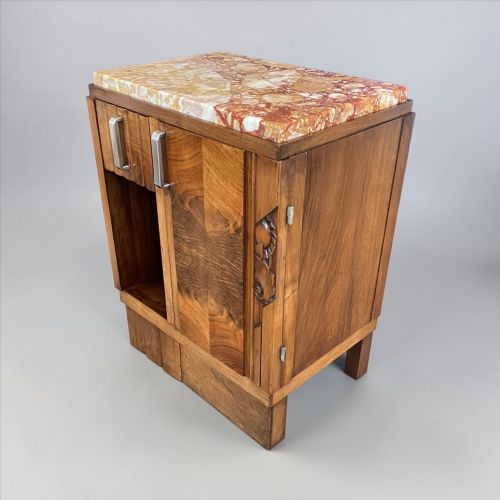
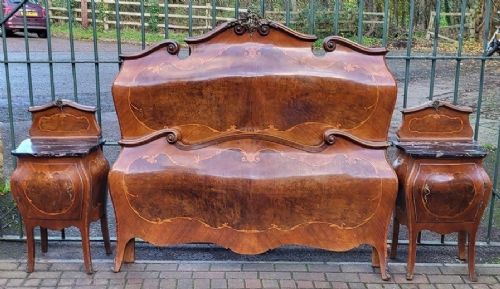
Construction often incorporates secondary materials like brass hardware, marble tops, and mirror glass for dressing components. French polishing techniques were applied to seal the timber and accentuate the natural warmth of the walnut.
Joinery methods varied by era, supporting sturdy structural frames while allowing delicate details like cabriole legs, carved mouldings, or inlaid banding to be integrated into the design.
Antique Walnut Bedroom Tables Retail Price Guide 2026
Typical asking prices for walnut bedroom tables among the pieces listed under this phrase on Sellingantiques today, from the lower quarter to the upper quarter. They describe what is for sale here now, not the wider market.
Listings incorporate walnut, burr walnut veneer, brass, marble, and mirror glass across pieces spanning the Victorian era through the 1930s.
Distinguishing quality across the range
The distinction between standard examples and superior pieces rests upon the selection and matching of the wood veneer. Expert cabinetmakers arranged burr walnut sheets symmetrically to create mirrored patterns across drawer fronts and cabinet doors.
Refinement of carving and hardware integration further separates the tiers of production. Pieces bearing the marks of established workshops display crisper moulded details, superior drawer construction, and more harmonious proportions than mass-produced alternatives.
Maple & Co·Walter Carter Harrods·Waring & Gillows·Frank Taylor & Co·Lamb of Manchester
The Antique Walnut Bedroom Tables Glossary
- Burr walnut
- A veneer sliced from the knotty growth of a walnut tree, yielding a highly figured, swirling grain pattern. It was widely utilised on prominent surfaces of nineteenth and twentieth-century cabinet furniture.
- Cabriole leg
- A furniture leg that curves out and then narrows inward, typically ending in a pad or scroll foot. This shape is characteristic of Queen Anne and revival styles seen on tables and stools.
- Chevet
- A French term for a small bedside table or cabinet. These often feature enclosed cupboards and small drawers.
- Compactum
- A large fitted wardrobe combining hanging space with internal drawers and shelves. These pieces represent larger components of period bedroom suites.
- Figured walnut
- Timber possessing an attractive, irregular grain pattern caused by local distortions in growth. It is selected to catch the light on polished table tops and drawer faces.
Antique Walnut Bedroom Tables: Frequently Asked Questions
How do I match a bedside table to an existing bed?
Consider the height of the mattress surface relative to the table top, ensuring convenient access to the surface at night. Tone and grain of the walnut also help unify disparate periods within the same room.
Matching does not require identical eras, as Edwardian and Art Deco walnut pieces often share a warm brown hue that complements traditional and modern beds alike.
What is the difference between a bedside cabinet and a bedside table?
Bedside cabinets typically feature an enclosed cupboard space with a door, concealing interior shelving for private storage. Bedside tables are generally more open-framed, sometimes providing an open shelf or a single drawer beneath the top surface.
Both forms appear frequently across Victorian and 1930s designs, serving the same functional role beside the sleeping quarters.
How do I clean and maintain walnut veneer?
Dust the timber regularly with a soft, dry cloth to prevent particulate buildup on the polished surface. Avoid abrasive cleaners or excess moisture, which can penetrate vulnerable veneer seams.
Applying a traditional beeswax polish periodically nourishes the wood and maintains the subtle sheen characteristic of antique walnut furniture.
Are pairs difficult to find?
Matching pairs of bedside tables or cabinets occur regularly, particularly from the Edwardian and Art Deco periods when bedroom furniture was manufactured in coordinated suites. These sets offer symmetry on either side of a bed.
Single pieces also appear, offering flexibility for smaller spaces or eclectic interior arrangements where uniformity is less critical.