
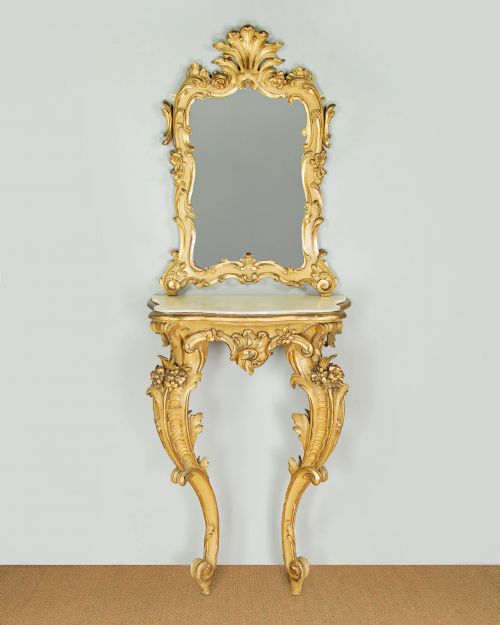


Antique Wall Table Mirror
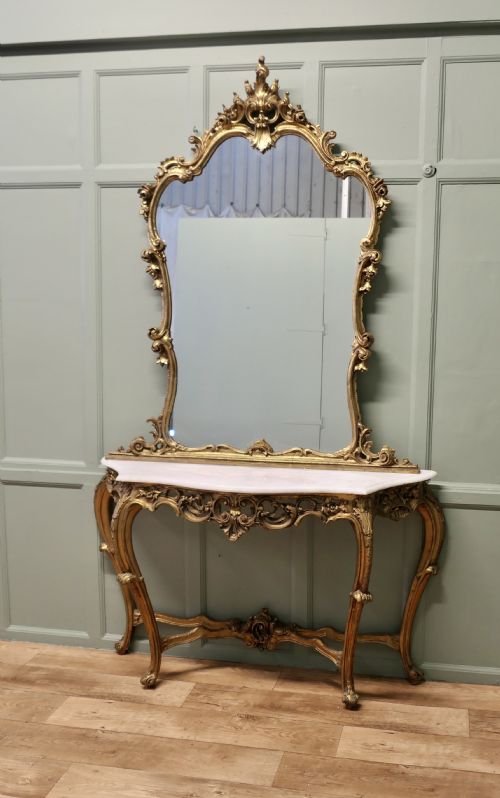
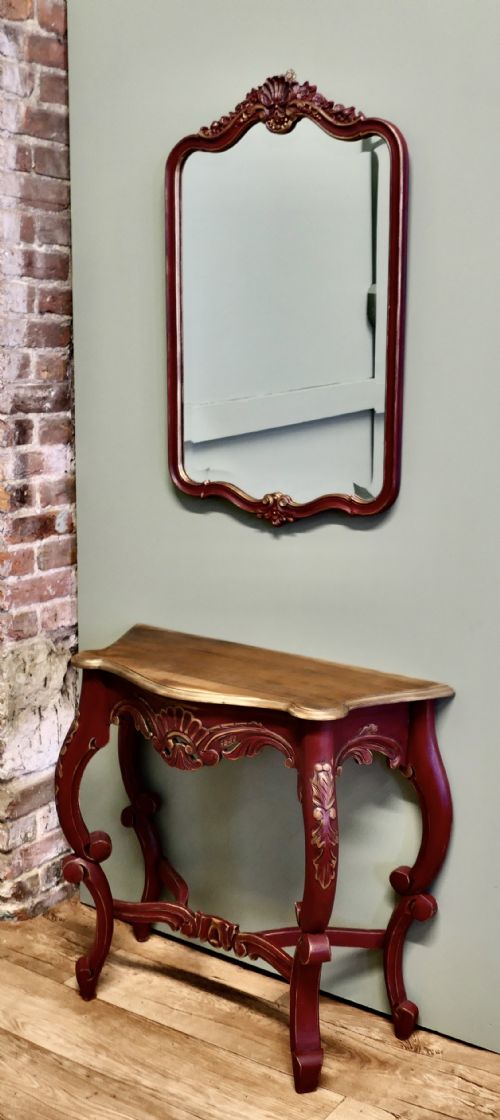
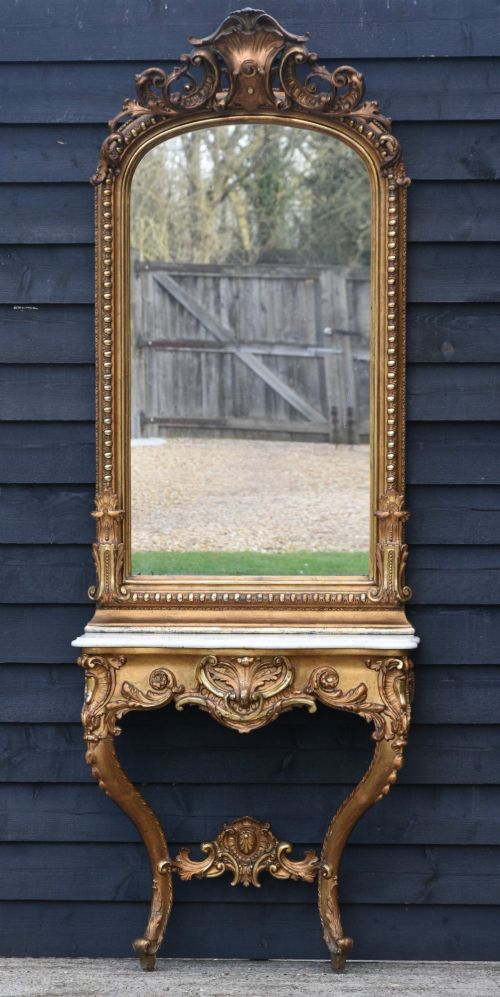
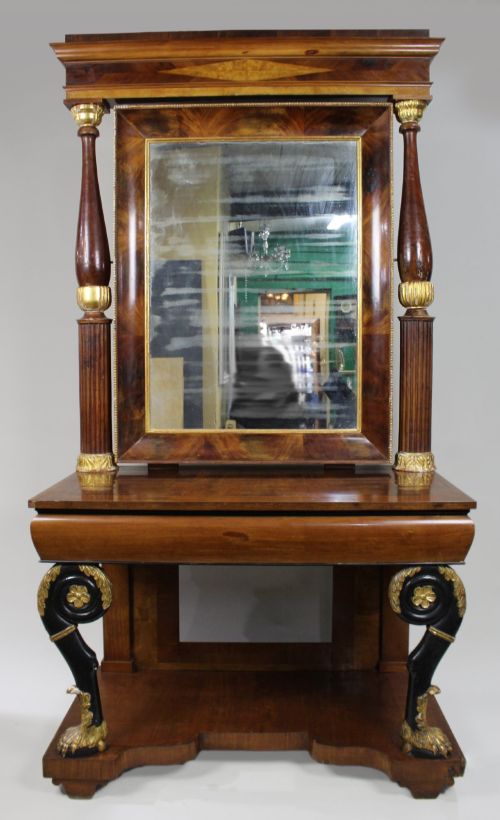
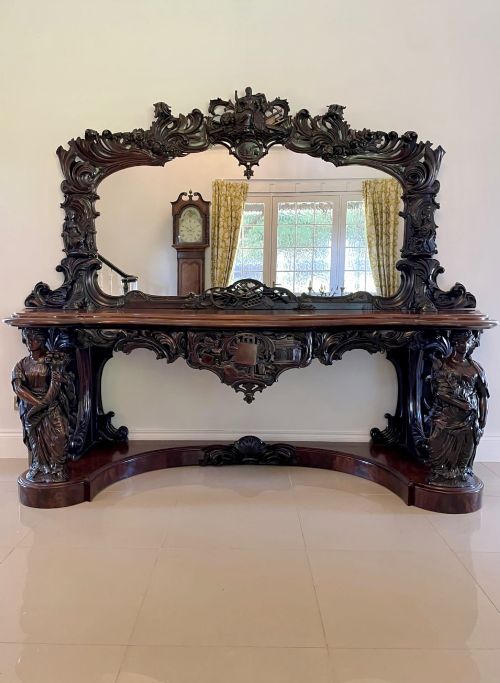
An antique wall table mirror combines a console or pier table with a matching hanging or fitted glass piece, creating a striking focal point for a hallway or reception room.
Antique Wall Table Mirror
When you search for an antique wall table mirror, you encounter matched sets and single pieces that combine a console table with a coordinating wall mirror. These items serve functional and decorative roles, often designed to anchor the wall space beneath them.
The most common examples on this page include nineteenth-century French and Italian console tables paired with pier mirrors, alongside Victorian and Edwardian iterations. Materials such as marble, mahogany, and giltwood frequently appear together in these configurations.
How They Were Made
Craftsmen built these pieces using solid timbers like mahogany, walnut, oak, and rosewood, often applying giltwood, gesso, or gold leaf for ornamental detail. Carved wood forms provide the structural framework for large pier mirrors and heavy console bases.
Many tables feature inset marble tops supported by elaborate wood carvings, while mirrors utilise silvered glass framed in matching styles such as Rococo Revival or Neoclassical.
Several mirrors include concealed ledges originally intended for holding visiting cards.
What Varies in Quality
The precision and depth of hand-carving separate standard pieces from exceptional examples, particularly in the rendering of scrollwork, foliage, and figural details on giltwood frames. Crisp, deep relief work indicates superior craftsmanship compared to shallow or moulded ornamentation.
Materials also dictate the tier of the piece, with heavy slab marble tops, figured mahogany, burr walnut, and genuine gold leaf denoting higher-status commissions over simpler painted or secondary softwoods.
The Antique Wall Table Mirror Glossary
- Console Table
- A table designed to stand against a wall, traditionally supported by wall brackets or front legs. These items often feature shaped marble tops.
- Pier Mirror
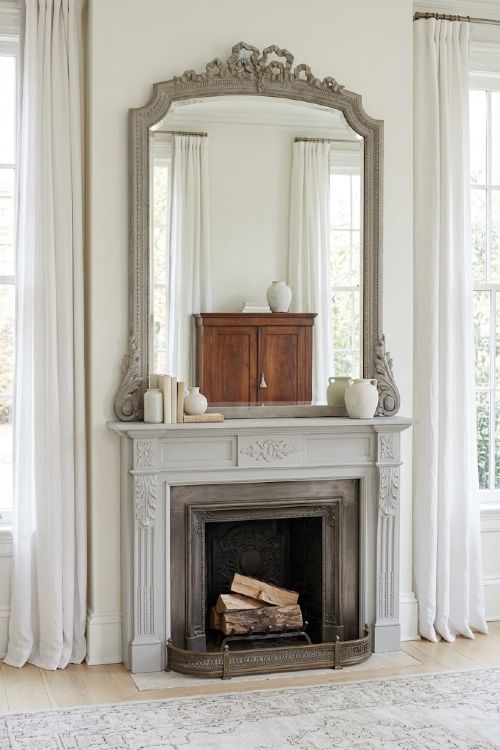
- A tall mirror specifically designed to hang on the pier, the section of wall between two windows. They frequently sit directly above a matching console table.
- Giltwood
- Wood that has been coated with gold leaf or a gold-coloured metallic finish. This technique creates a bright, reflective surface characteristic of revival styles.
- Trumeau Mirror
- A decorative wall mirror featuring a painted or carved panel above the glass. These French pieces often integrate with lower console furniture.
- Parcel Gilt
- Woodwork that is partially gilded, leaving areas of natural or stained wood grain visible alongside the gold leaf. This creates a contrasting two-tone effect.
Antique Wall Table Mirror: Frequently Asked Questions
Where should I place a wall table mirror?
These sets suit entrance halls, reception rooms, and dining spaces where they provide both a surface for decorative objects and a reflective glass element to brighten the room.
Because console tables are shallow by design, they fit neatly against walls without obstructing walkways.
How do I identify a matching set?
Matching sets share identical carved motifs, wood types, and gilding methods across both the table frame and the mirror border. Makers often used the same finishing techniques to ensure visual harmony between the vertical and horizontal components.
Discrepancies in timber colour or carving style usually indicate assembled pairings rather than original pairs.
What periods do these pieces come from?
The selection spans the nineteenth and early twentieth centuries, encompassing Victorian, Regency, Edwardian, and Art Deco eras. Revival styles such as French Rococo and Neoclassical are particularly prevalent among surviving examples.
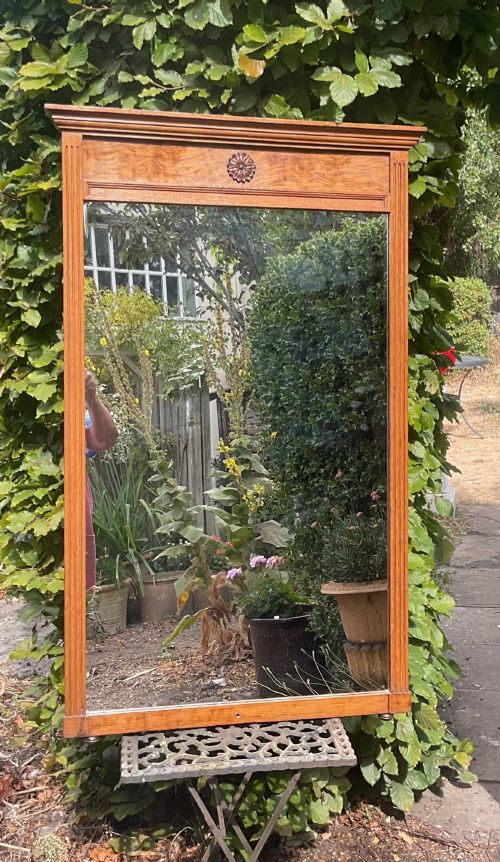
Nineteenth-century items often display heavier carved detail and giltwood finishes, while later pieces sometimes incorporate blonde oak or simpler mahogany forms.
Are the table tops usually stone or wood?
Many console tables feature inset marble tops, which provided a durable and cool surface for decorative items. Timber tops in mahogany, walnut, and oak also appear frequently across various styles.
Stone tops are typically heavy and rest directly within the wooden framework of the table base.