
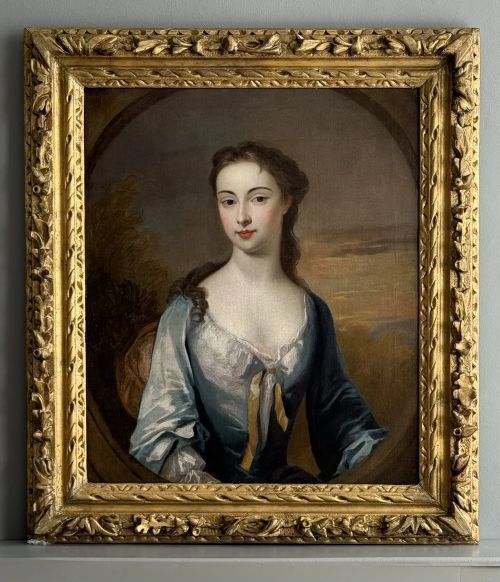
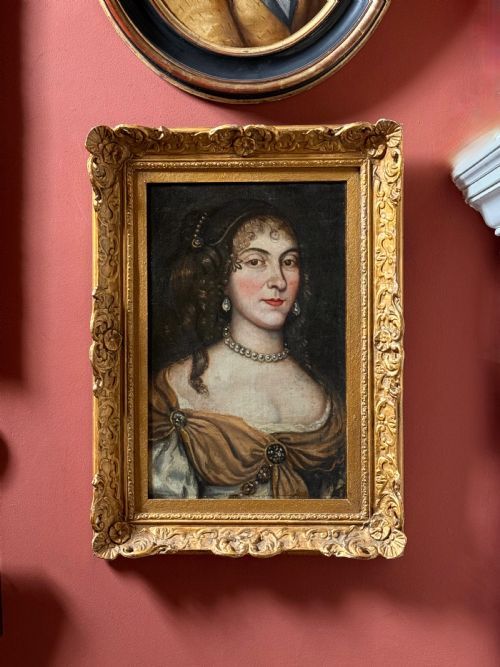
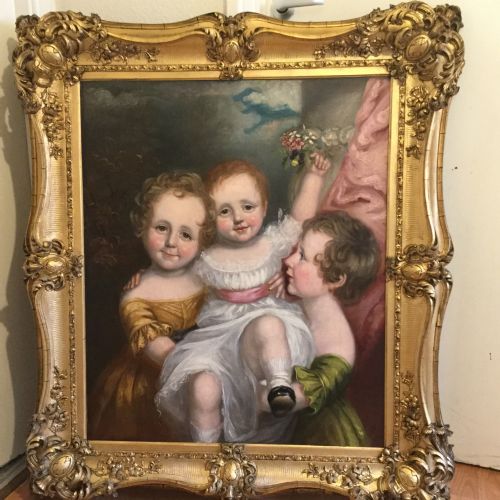
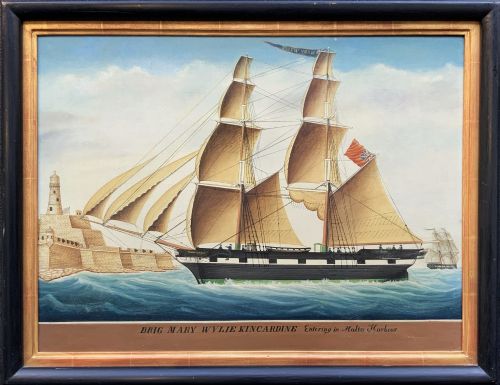
Antique Wall Portrait Canvas
An antique wall portrait canvas brings historic presence and character into a room through oil paint and textile.
Antique Wall Portrait Canvas
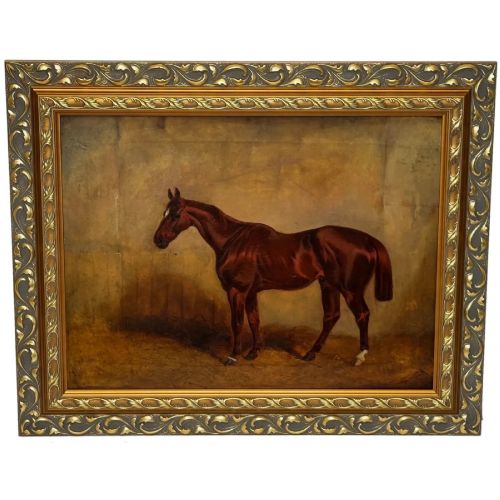
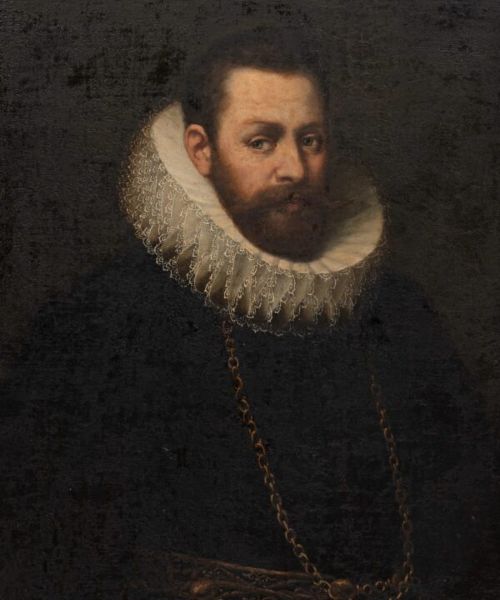
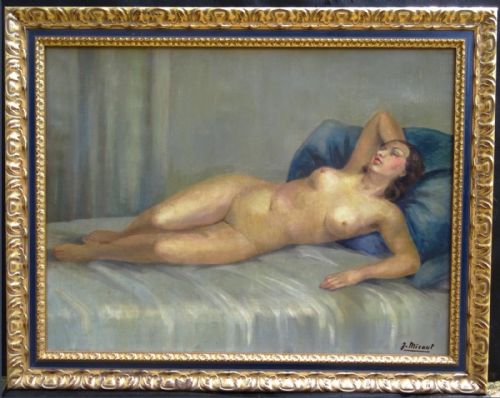
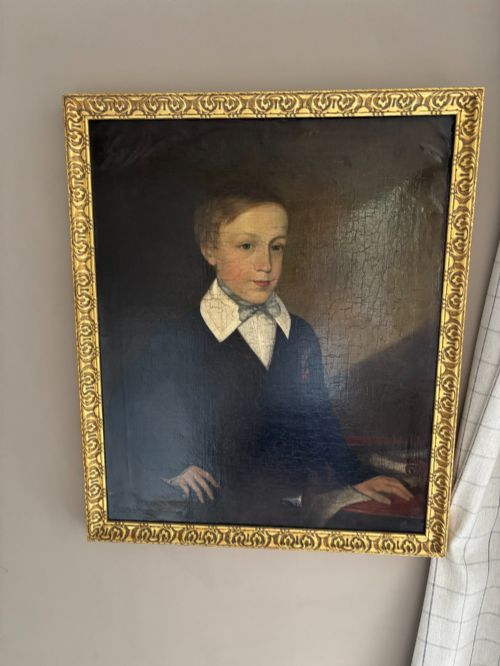
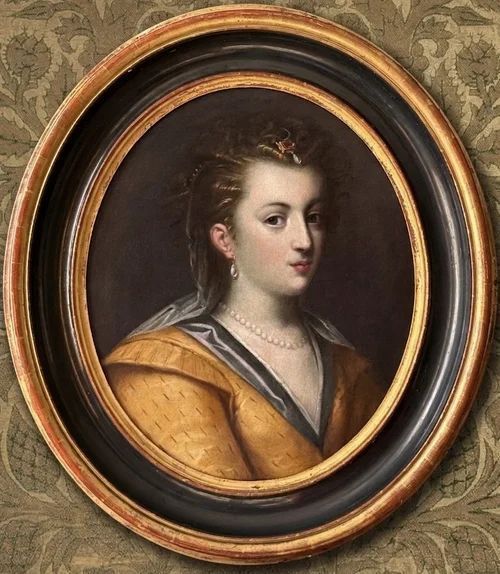
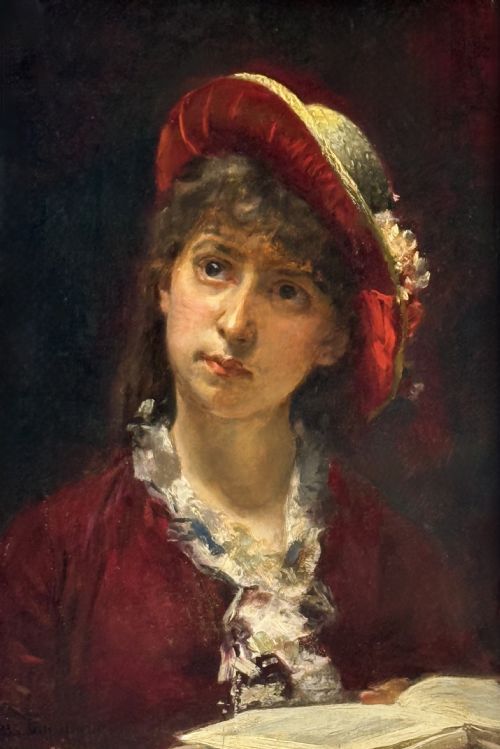
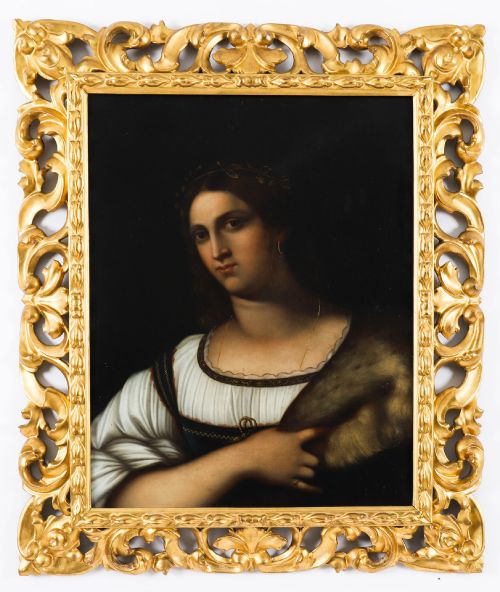
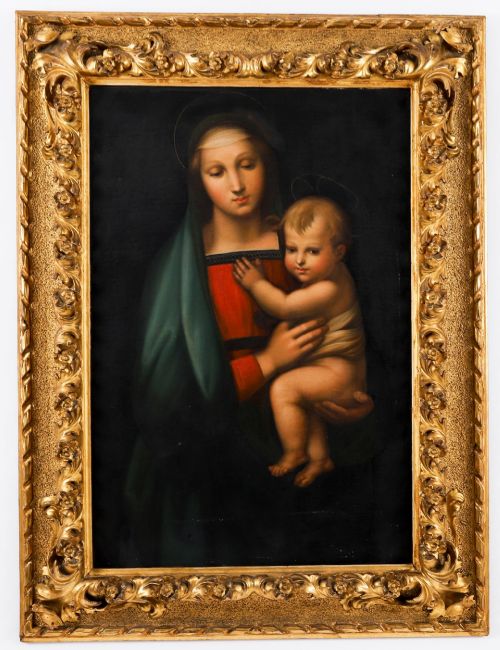
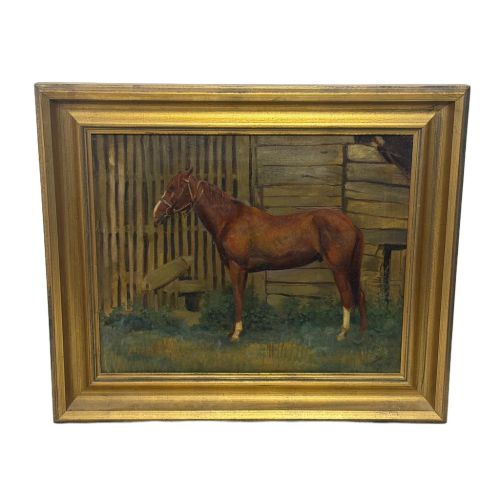
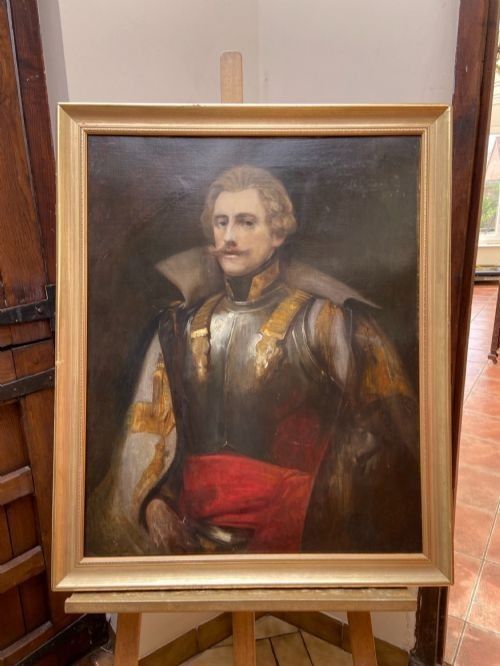
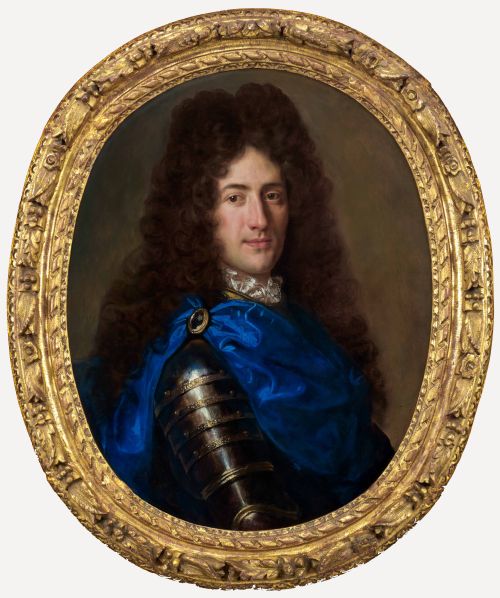
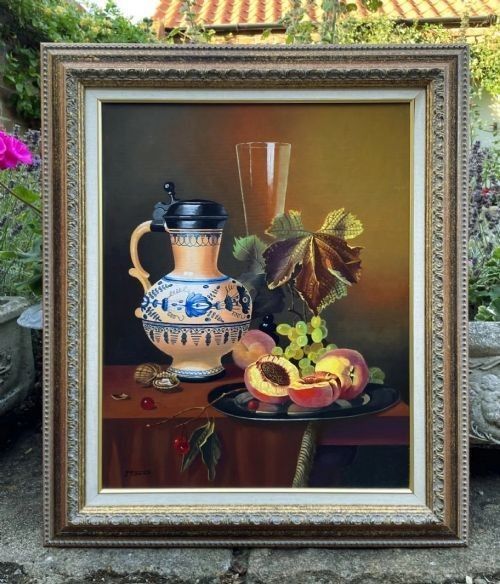
When you examine an antique wall portrait canvas, you are looking at oil paintings on stretched fabric depicting figures, animals, and classical scenes. These works span from the 16th century through the 19th century, capturing subjects from nobility and military officers to sporting horses and children.
The pieces on this page emerge from distinct periods including the Baroque, Georgian, Regency, and Victorian eras. You will encounter British, Italian, Dutch, and Bavarian schools, ranging from intimate half-length studies to grand equestrian compositions.
Many of these works originate from studio circles or follow the manner of master painters rather than bearing primary attribution. Their survival on canvas connects modern interiors directly to centuries of portraiture traditions.
What varies in quality
The strength of draftsmanship and the psychological depth of the sitter distinguish finer works from standard studio output. Master artists captured facial expressions, intricate lace, and textiles with a convincing anatomical precision that lesser hands missed.
The handling of light, shadow, and background depth separates academic achievement from routine decorative painting. Superior condition of the underlying canvas and minimal disruption from historical restoration also elevate a piece's standing.
Listings feature oil on canvas works spanning from the 16th century through the 19th century, incorporating wood frames and gold leaf.
Sir Thomas Lawrence·Joseph Vivienne·Sir Peter Lely·John Greenhill·Bernardino Luini·Thomas Murray·Margaret Sarah Carpenter·Robert Byng·Trajan Hughes·Thomas Beach·Edmund Bristow·Edward Armfield·Jeremiah Davison·Ernst Stierhof·Sir William Beechey·G. J. S. Bary·John Hayls·Sir Joshua Reynolds·David Scougall
The Antique Wall Portrait Canvas Glossary
- Oil on canvas
- A painting technique where pigments suspended in drying oil are applied to a stretched woven fabric support. This combination allows for rich blending and deep colour saturation.
- Giltwood
- Wood that has been treated with a thin layer of gold leaf or gold paint. It forms the decorative framing typical of traditional fine art portraits.
- Baroque
- An artistic style prevalent from the early 17th century to the mid-18th century. It is characterised by drama, deep shadow, and exuberant detail in portraiture.
- Half-length
- A composition format that portrays a subject from the waist or hips upward. This style concentrates attention on the sitter's face, hands, and costume details.
- Old Master
- A term for a European artist of high skill working before about 1800. These painters set the standards for academic realism and portrait composition.
Antique Wall Portrait Canvas: Frequently Asked Questions
How do I hang a heavy canvas?
Heavy canvas portraits require secure wall fixings anchored directly into solid masonry or stud work rather than simple plaster hooks. Professional hanging wire attached firmly to the wooden stretcher frame ensures the weight distributes evenly.
Position the painting at eye level to replicate gallery standards and protect the surface from direct heat sources such as radiators. Proper hardware prevents frame distortion and keeps the antique securely positioned against the wall.
What is an old master?
An old master refers to a highly skilled European painter who worked prior to the nineteenth century. These artists established foundational techniques in oil portraiture and composition.
Works attributed to schools or circles of these masters carry the stylistic influence of the primary artist. They represent centuries of rigorous studio traditions and classical training.
How are periods identified?
Periods are determined through a combination of costume analysis, hair styling, framing types, and pigment characteristics. Clothing such as ruffs, periwigs, and doublets provide clear dating markers for seventeenth-century works.
Artist signatures, biographical records, and stylistic comparisons with dated pieces confirm the era of creation. Expert examination of the canvas weave and stretcher construction offers further chronological clues.