
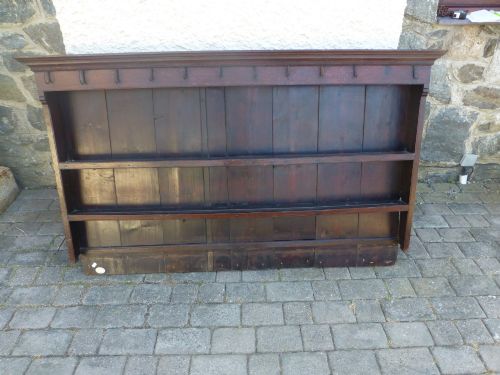
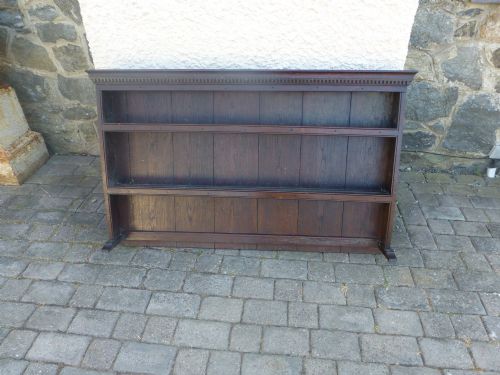
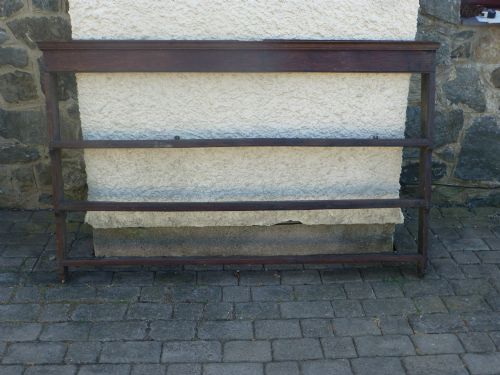
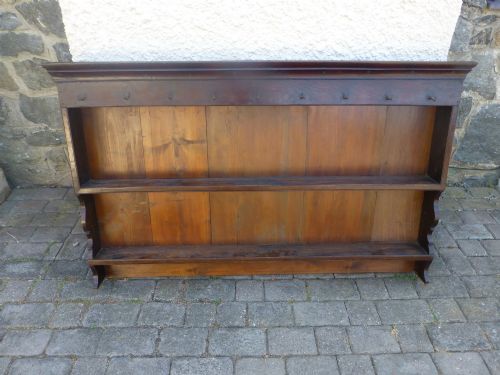



Antique Wall Plate Shelf
An antique wall plate shelf displays earthenware and ceramics while keeping kitchen counters clear.
Antique Wall Plate Shelf
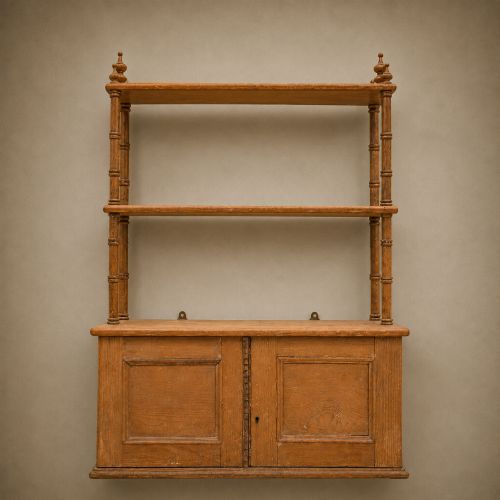
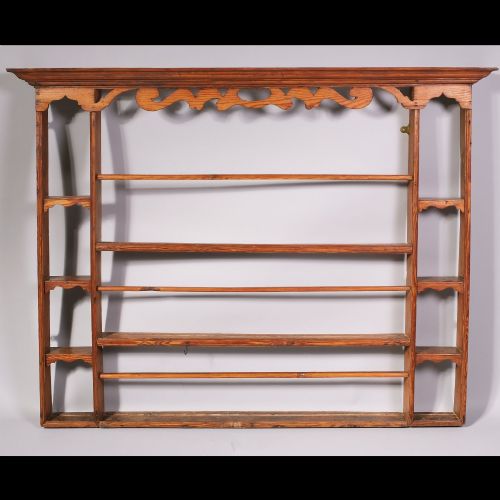
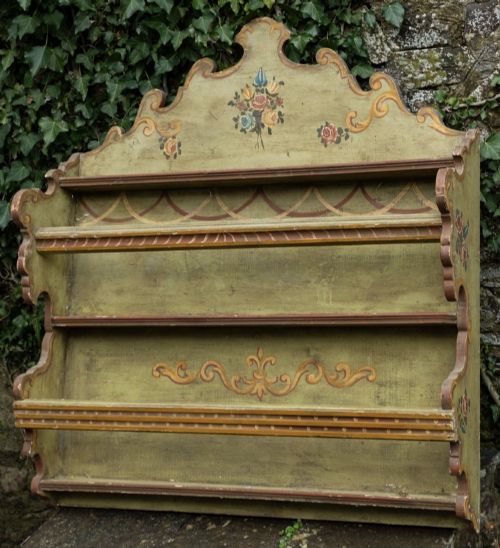
When someone searches for an antique wall plate shelf, they are looking at hanging storage designed to hold plates, platters and domestic objects off the floor. The examples found on this page span from the seventeenth century through the Georgian and Victorian eras, carrying styles from English and French country to Arts and Crafts.
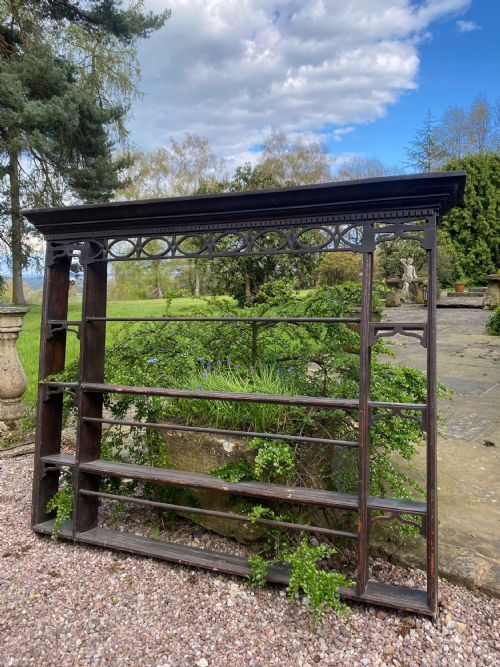
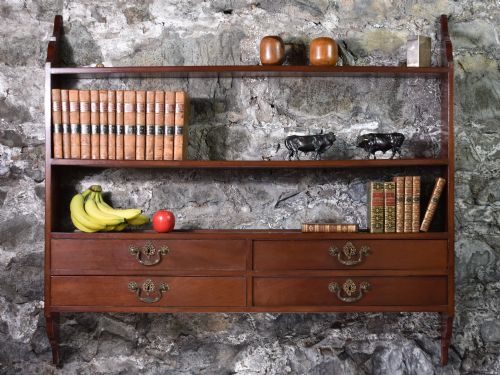
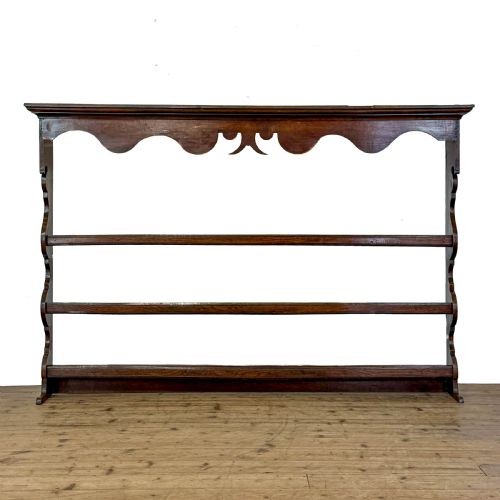
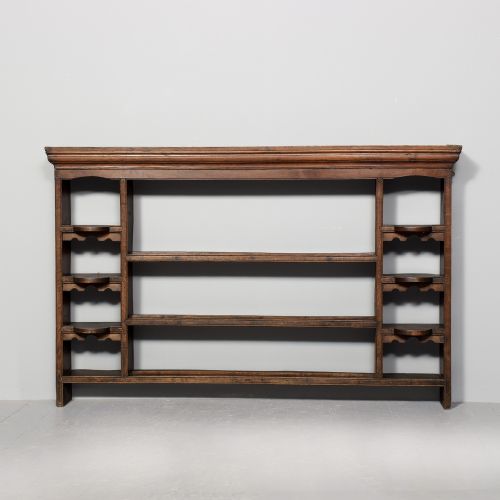
The most common formats met here are oak and pine delft racks alongside mahogany hanging shelves. These pieces range from simple plank construction designed for utilitarian kitchens to finer display shelves incorporating fretwork, columns or cupboards.
Materials and construction
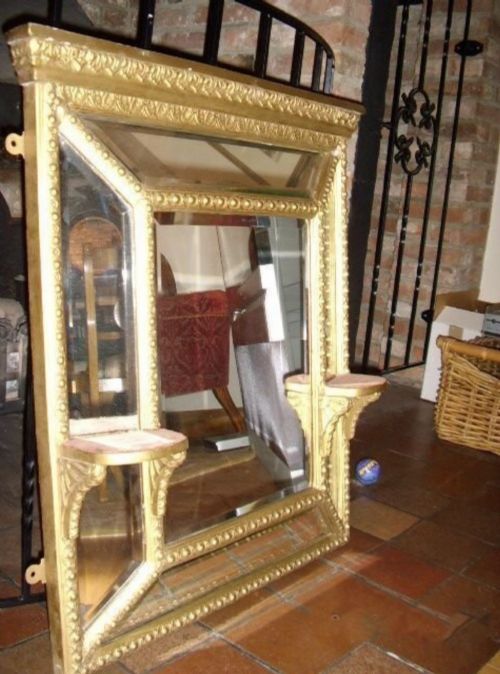
Makers relied primarily on timber such as oak, pine and mahogany, shaping boards with hand tools and securing joints with pegs or traditional fixings. Painted surfaces, gesso and giltwood appear on later decorative variants alongside structural brass and iron fittings.
Construction methods focus on wall suspension, utilising sturdy backboards and hanging rails capable of supporting the heavy weight of stacked ceramic plates and porcelain.
Listings span multiple centuries, ranging from seventeenth-century carved oak to Edwardian painted display furniture.
Judging quality
Quality rests in the balance of timber selection, proportions and the survival of original surfaces. Earlier pieces show the tool marks of their making and patination built up through centuries of domestic use, whereas lesser examples may lack harmony in their scale or timber matching.
The integration of decorative elements such as fretwork cutouts, columns or marquetry separates utilitarian storage from polite parlour display furniture.
The Antique Wall Plate Shelf Glossary
- Delft rack
- A wall-mounted wooden shelf specifically designed with vertical slats or grooves to display ceramic plates upright. These pieces formed a central feature in historic kitchens and dining spaces.
- George III
- A stylistic period spanning the mid to late eighteenth century known for refined cabinetmaking and balanced proportions. Pieces from this era often utilise figured mahogany or solid oak.
- Fretwork
- Openwork ornamentation cut from a thin board using a fret saw, creating decorative geometric or organic patterns. This technique appears on the friezes and crests of finer display shelves.
- Marquetry
- The art of applying decorative veneer pieces to a structure to form intricate pictures or patterns. It adds visual complexity to select nineteenth-century display furniture.
Antique Wall Plate Shelf: Frequently Asked Questions
How were antique wall plate shelves used?
These shelves held ceramic plates and platters upright in kitchens and dining rooms to dry, store and display tableware out of the way of daily traffic.
They kept heavy earthenware accessible while clearing valuable table space in historic homes.
What wood types should I expect to find?
Oak and pine dominate the earlier country pieces, offering sturdy support for heavy kitchen ceramics.
Mahogany appears more frequently in formal hanging shelves designed for parlours and refined dining spaces.
How do I hang a heavy antique shelf safely?
Solid timber shelves carry significant weight, especially when loaded with ceramics, requiring direct fixing into wall studs or masonry.
Professional wall brackets or concealed batten systems distribute the downward load securely across the wall structure.
How can I tell an eighteenth-century rack from a later copy?
Early pieces display hand-cut joinery, timber shrinkage, and accumulated surface patination that modern reproductions cannot replicate.
Nail types, saw marks and the type of wear around the plate retaining grooves provide clear indicators of age.