
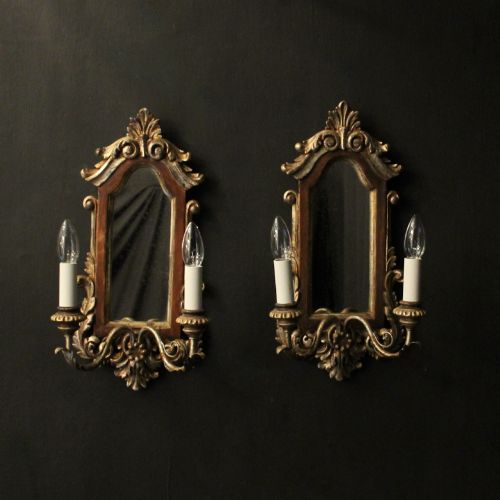
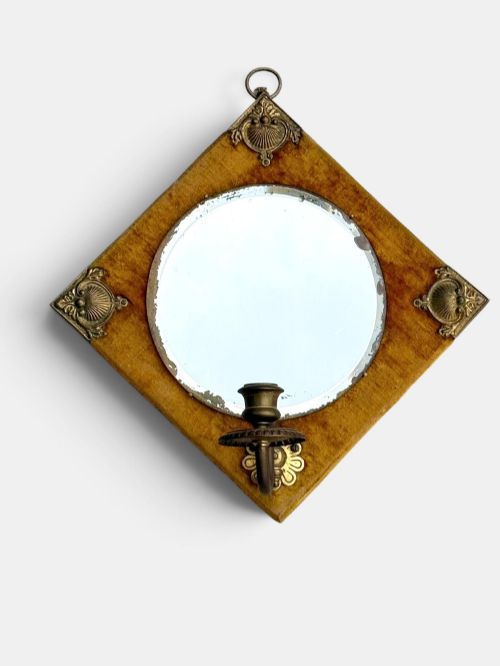
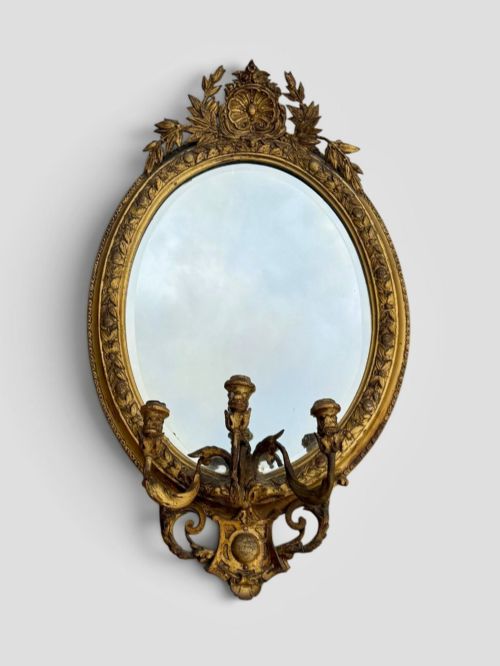
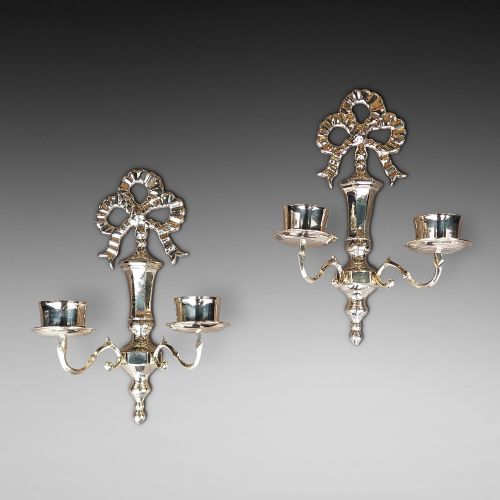

Antique Wall Girandoles
Antique wall girandoles combine reflective glass and candle arms to throw warm light across a room.
Antique Wall Girandoles
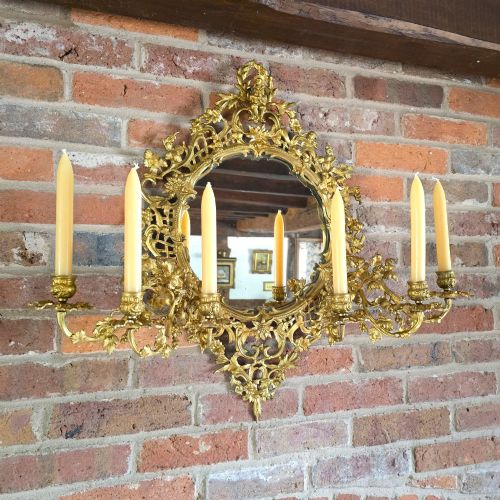
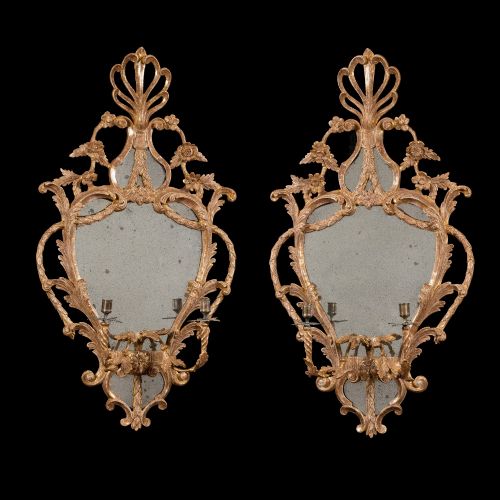
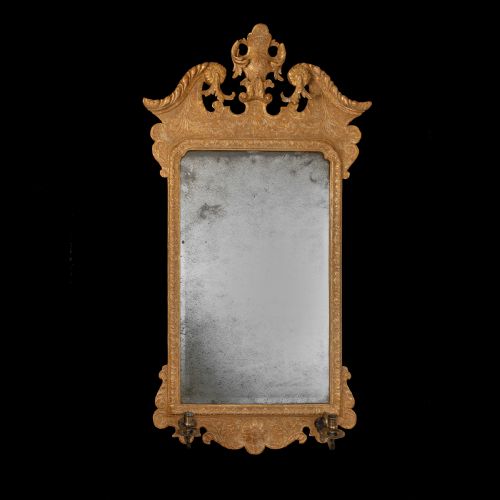
When you search for antique wall girandoles, you encounter mirrored wall sconces designed to hold candles and multiply candlelight. These pieces span periods from the eighteenth century through to the twentieth century, with strong representation from the Regency and Victorian eras alongside later revivals.
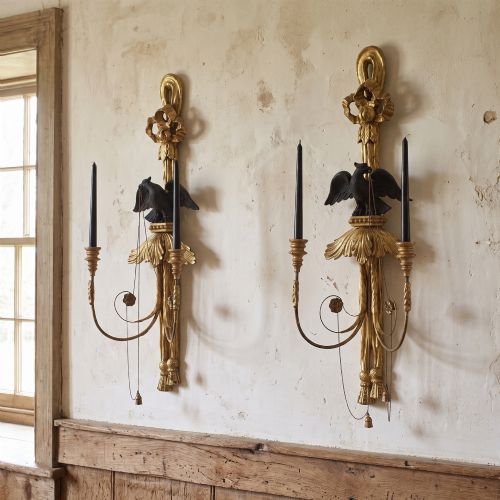
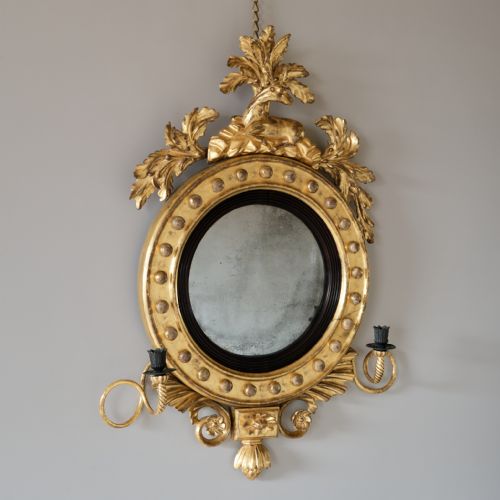
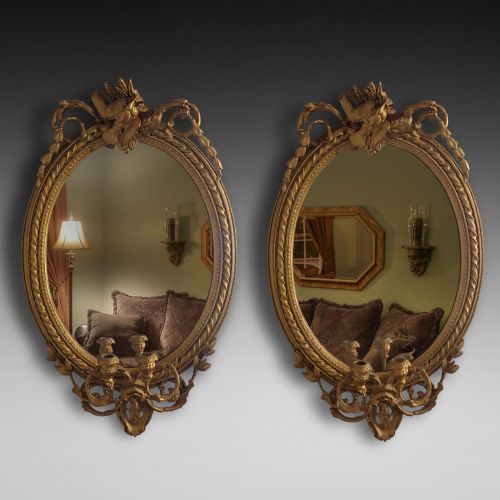
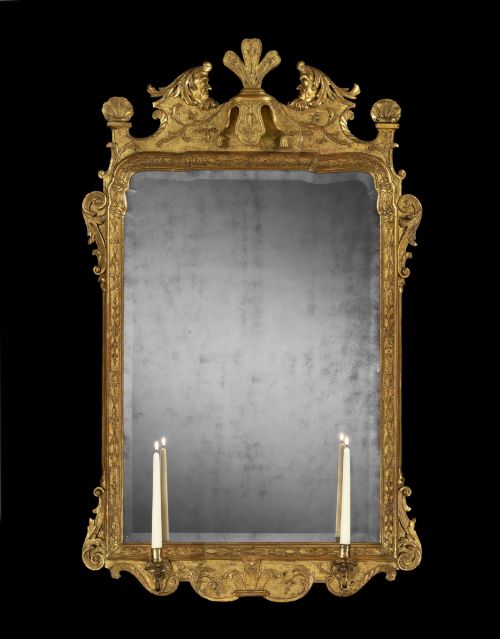
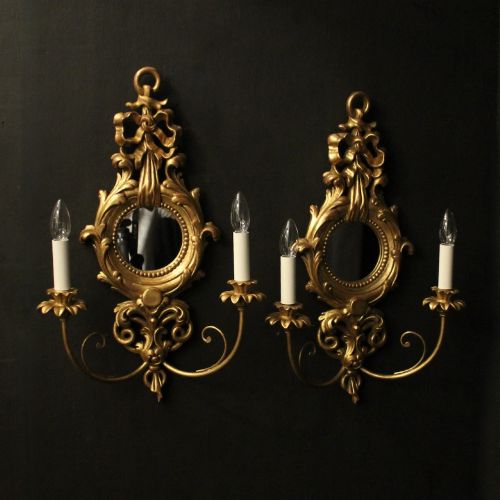
The forms vary from convex circular mirrors fitted with candle arms to tall carved giltwood frames and matched pairs of twin-arm wall lights. French, English, and Florentine workshops all contributed to the diverse styles found here, ranging from ornate Rococo revival designs to restrained George I and George II carved panels.
How they were made
Carvers shaped wooden bases from timber before applying layers of gesso to build up intricate relief details like eagles, scrolls, and foliage. Guilders then laid thin gold leaf over the prepared surfaces, burnishing areas to achieve a brilliant metallic sheen.
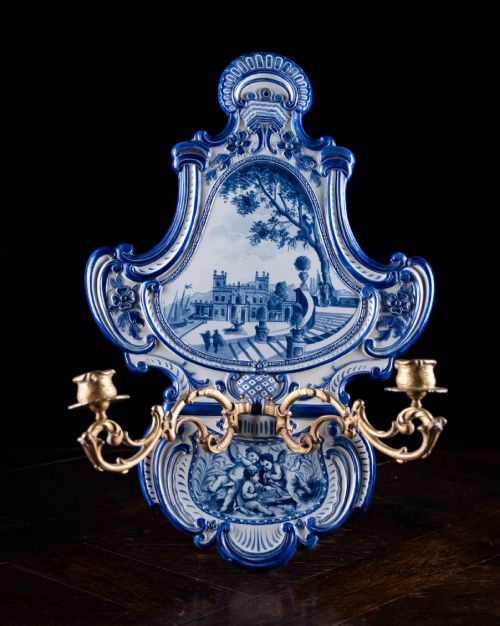
Foundries cast brass, bronze, and ormolu mounts for candle arms and sconces, often combining these metal elements with bevelled mirror glass or porcelain plaques. Frames made of ebonised wood or finished with gilt paint offer alternative textures across the various periods.
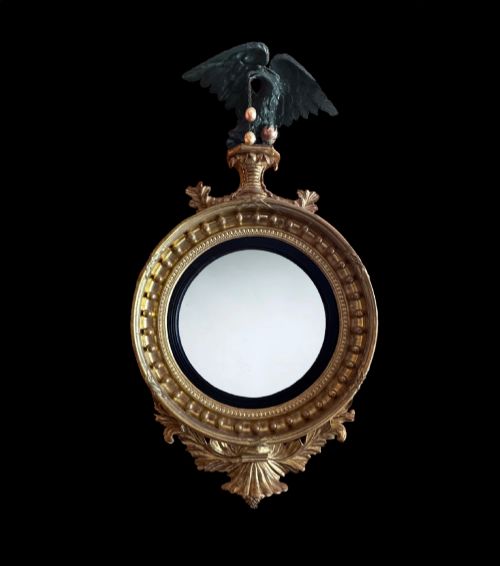
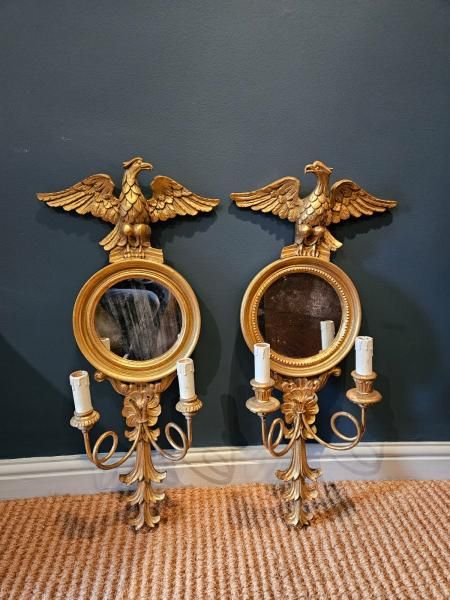
Several Regency examples feature fierce carved dragons or proud eagles keeping watch above the reflective glass.
What varies in quality
The depth and crispness of the carved detail define the upper tiers of these mirrors, where hand-chiselled gesso work shows sharp undercut edges rather than soft moulding. Superior pieces retain their original mercury silvering on the mirror plates and authentic fire-gilt finishes on their bronze or brass arms.
Proportion and structural integrity distinguish exceptional examples from simpler workshop output. Balanced compositions with securely joined candle branches and original wooden backing boards demonstrate superior cabinetmaking and mounting standards.
Cottier & Co·Benjamin Goodison·Villeroy & Boch
The Antique Wall Girandoles Glossary
- Girandole
- A branched wall light or sconce fitted with a looking glass to reflect the candlelight. The reflective plate serves to brighten darker corners of period interiors.
- Gesso
- A plaster mixture applied to wood frames as a base for gilding or painting. Artisans carve and stamp fine details directly into this pliable ground layer.
- Ormolu
- Gilded bronze used for decorative mounts and candle branches on furniture and mirrors. The technique involves applying a mercury and gold amalgam to the metal base.
- Convex mirror
- A circular looking glass with a curved outward-bulging surface that provides a wide-angle reflection of the room. These frequently incorporate candle sconces projecting from the base.
- Giltwood
- Timber that has been coated in thin sheets of gold leaf. This finish protects the underlying wood while giving a rich, reflective golden appearance.
Antique Wall Girandoles: Frequently Asked Questions
Can I still burn candles on them?
Using real candles is possible if the drip pans and arms are stable, but wax can damage antique gilt surfaces if it overflows. Many owners prefer modern LED alternatives to protect the finish.
Keep flames away from delicate gesso and aged mirror plates to prevent soot accumulation and heat damage over time.
How do I clean an antique mirror?
Dust the carved frame gently with a soft dry brush, avoiding any aggressive wiping that might lift fragile gold leaf or flaking gesso. Moisture can easily seep behind aged backing boards.
Use a barely damp cloth for the glass plate itself, taking care to keep liquids away from the wooden edges and metal mounts entirely.
What defines a Regency convex mirror?
Regency convex mirrors typically feature a circular frame surrounded by gilded balls or reeded bezels, often topped with an eagle or surmounted by candle branches. The curved glass creates a panoramic reflection of the interior.
These pieces date from the early nineteenth century and reflect neoclassical tastes popular during the Regency period.