


Antique Wall Furniture
Antique wall furniture gathers console tables, hanging shelves, and corner cabinets that anchor a room without claiming floor space.
Antique Wall Furniture
Antique wall furniture encompasses console tables, wall shelves, corner cabinets, and wall mirrors designed to mount or fix directly against structural boundaries. These pieces serve practical storage and display functions while shaping the vertical plane of an interior.
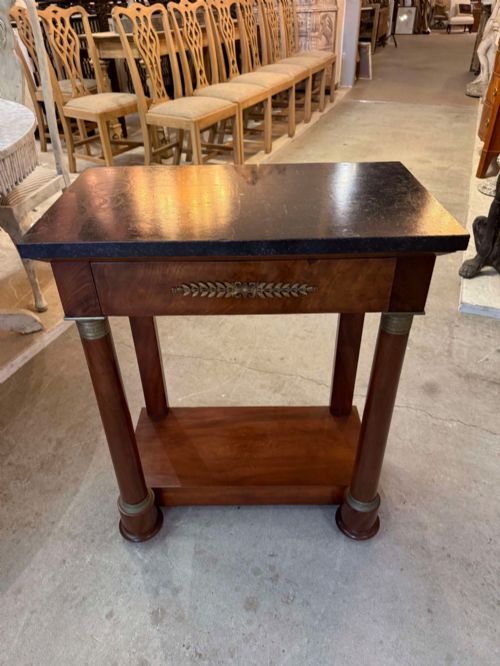
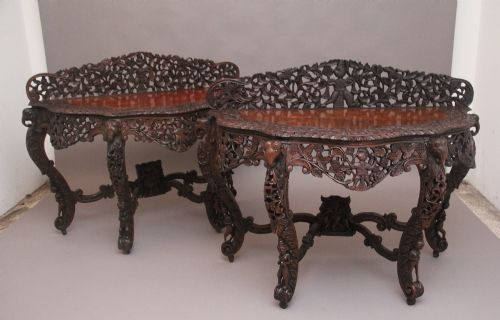
Console tables and pier tables form a major part of this category, originating from periods including the Georgian, Regency, and Victorian eras. Many of these tables rely on wall support or matching mirror sets to complete their architectural arrangement.
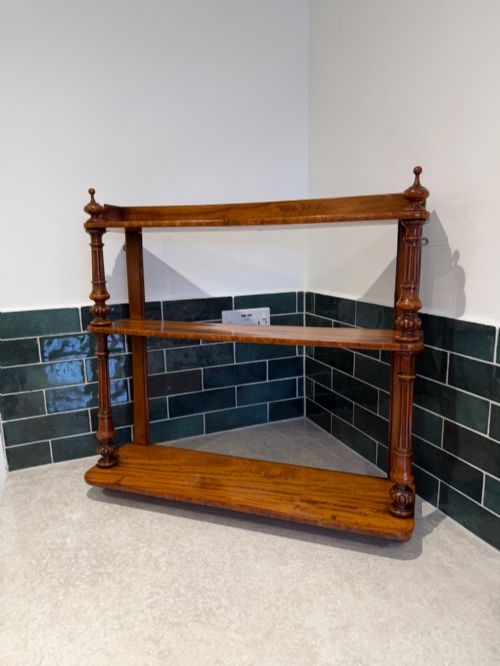
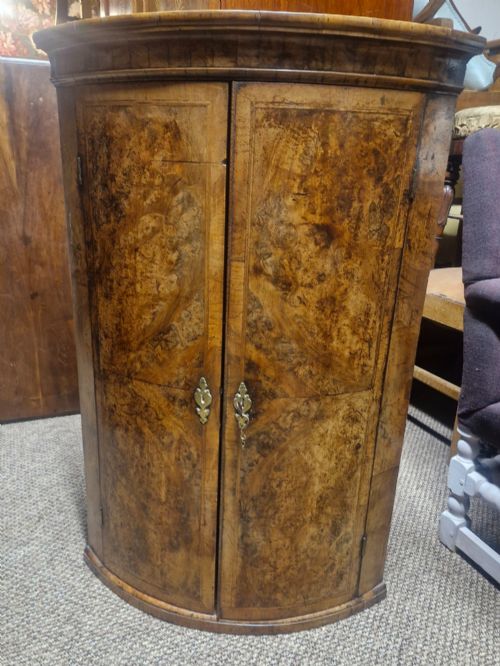
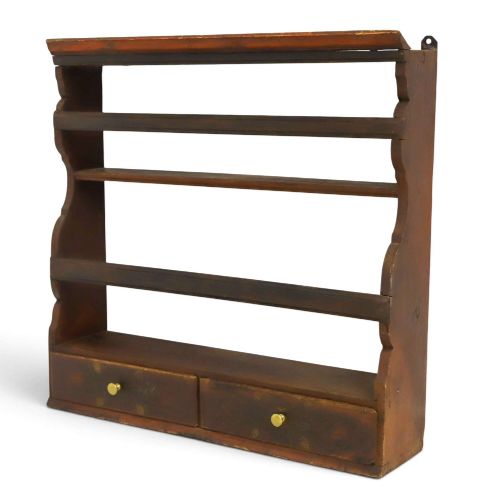
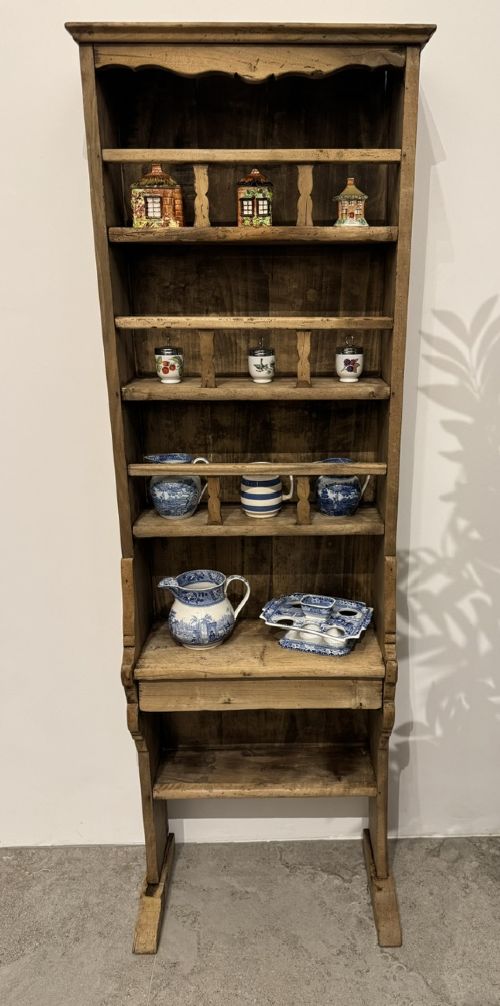
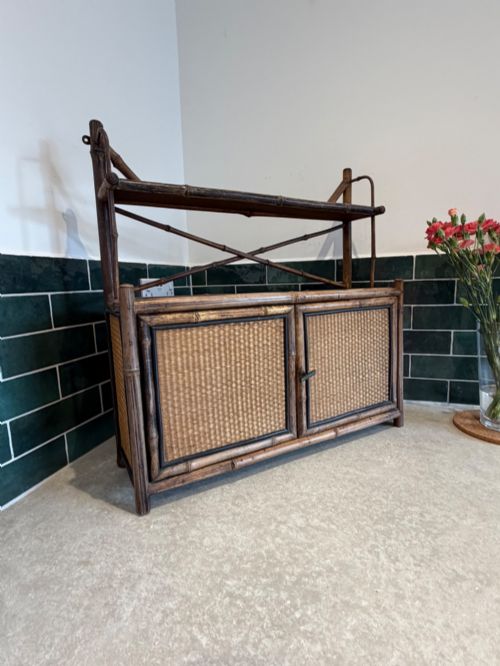
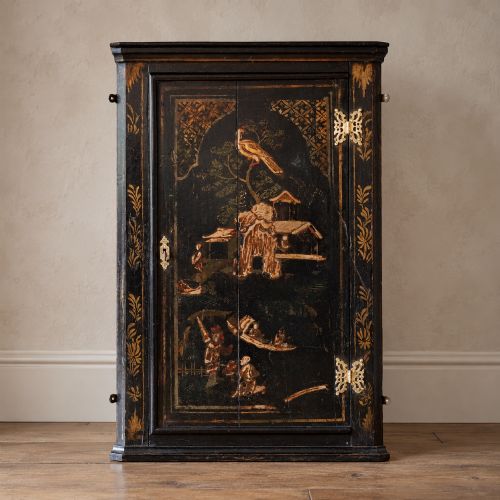
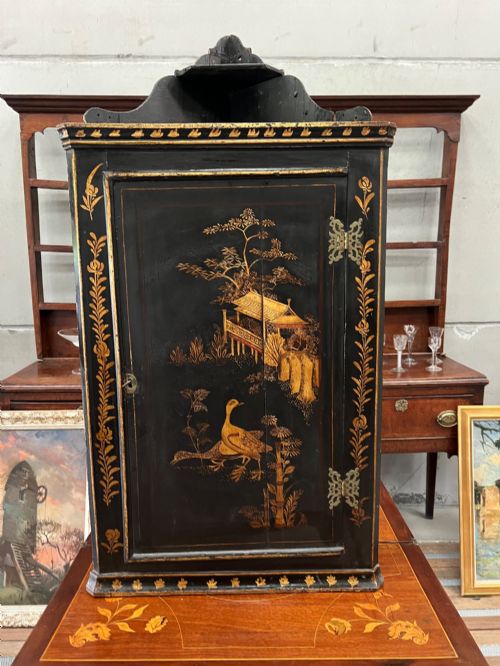
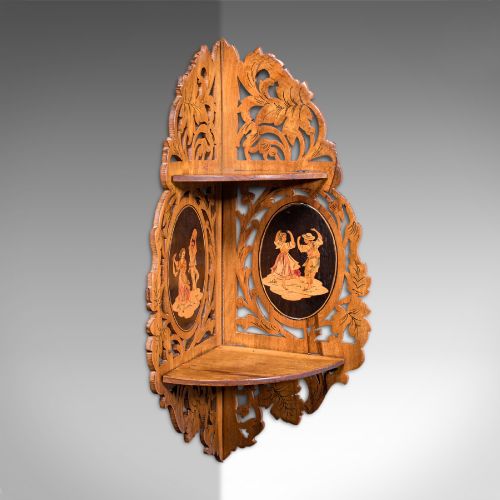
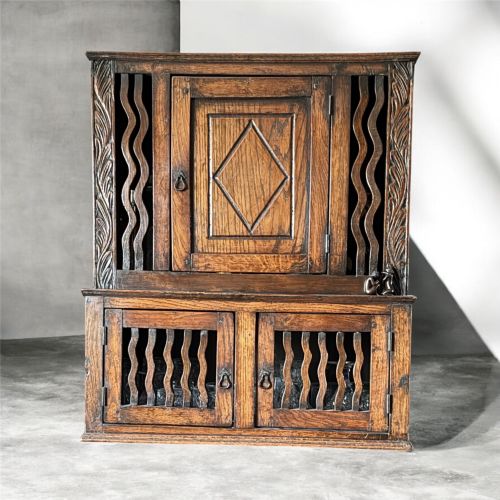
Hanging shelves, corner cupboards, and wall cabinets provide enclosed storage or open display using timbers such as mahogany, oak, and walnut. These compact units appear frequently across 18th and 19th-century domestic interiors.
Materials and Construction
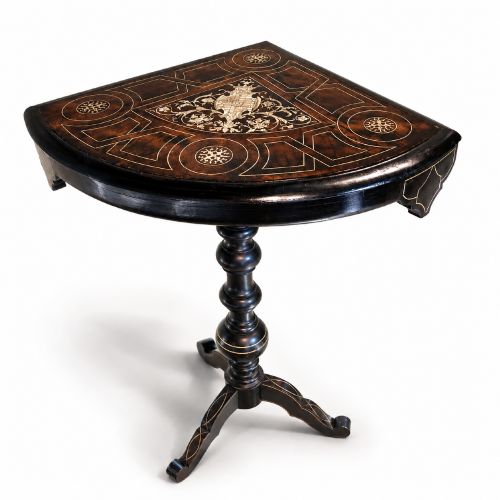
Cabinet makers utilised dense hardwoods like mahogany, oak, and walnut for structural stability in wall hanging shelves and corner cupboards. Marquetry inlay, brass hardware, and carved wooden panels frequently decorate these surfaces.
Giltwood, gold leaf, and marble tops define many formal console tables originating from French and Italian workshops. These decorative elements combine with carved softwood or hardwood frames to create substantial reflective and display surfaces.
Antique Wall Furniture Retail Price Guide 2026
Typical asking prices for wall furniture among the pieces listed under this phrase on Sellingantiques today, from the lower quarter to the upper quarter. They describe what is for sale here now, not the wider market.
Tortoiseshell enconchado mirrors bring distant Peruvian or Mexican craftsmanship directly onto the antique wall furniture market.
Assessing Craftsmanship
The refinement of carved detail and the selection of figured timber distinguish standard items from superior pieces. Plum pudding mahogany, burr oak, and detailed marquetry indicate deliberate material choice by the maker.
Structural integrity in hanging pieces depends on the joinery connecting shelves and cabinets to their backboards. Superior examples maintain alignment between console tables and their corresponding pier mirrors over centuries of use.
John Moyr Smith·Poix Blin
The Antique Wall Furniture Glossary
- Console table
- A table designed to stand against a wall, traditionally fixed to the wall and supported at the front by legs or console brackets.
- Pier mirror
- A tall mirror designed to hang on the wall between windows, frequently paired directly with a console table beneath it.
- Marquetry
- Decorative veneer work where pieces of wood, metal, or shell are fitted into a wooden panel to form geometric or pictorial designs.
- Giltwood
- Wood that has been coated with gold leaf or gold paint to simulate solid gold enrichment.
- Demi-lune
- Having a half-moon or semicircular shape, commonly applied to the top and front of console tables and small cabinets.
Antique Wall Furniture: Frequently Asked Questions
What is antique wall furniture?
Antique wall furniture encompasses console tables, hanging shelves, corner cupboards, and wall mirrors created to furnish vertical interior spaces. These items combine utility with decorative presence across various historical periods.
Such pieces utilise materials ranging from plain oak to figured mahogany and gilded wood. They reflect the interior design priorities of 18th and 19th-century homes.
How were console tables supported?
Many formal console tables require attachment to the wall for stability, often utilising brackets or matching pier mirrors. Other freestanding console designs maintain independent balance while standing flush against a vertical surface.
This method of placement allows heavy marble tops to rest securely without tipping. The arrangement creates a unified decorative scheme within hallways and principal rooms.
Where were corner cabinets placed?
Corner cupboards and cabinets fit directly into the intersecting angles of a room to utilise overlooked space. These hanging or standing units store china, glass, or documents efficiently.
Their triangular footprint makes them practical for smaller chambers or dining areas. Georgian and Victorian examples frequently feature panelled doors and internal shelving.
How do I care for giltwood?
Giltwood surfaces require gentle dusting with a soft, dry brush to prevent damage to the delicate gold leaf layer. Moisture and chemical cleaning agents must be avoided entirely.
Stable indoor humidity preserves the underlying gesso and wood base from cracking. Careful placement away from direct heat sources ensures the longevity of the metallic finish.