

Antique Wall Coat Rack
An antique wall coat rack brings practical entrance storage into a hallway, combining timber backboards with robust brass, iron or ceramic hooks.
Antique Wall Coat Rack
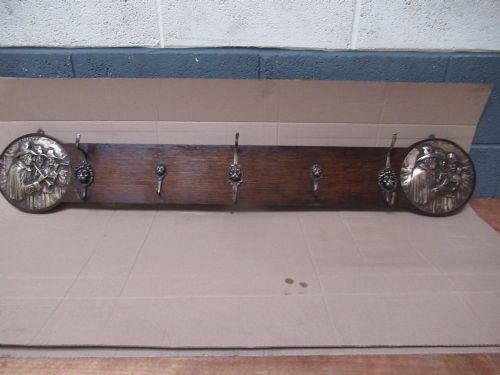
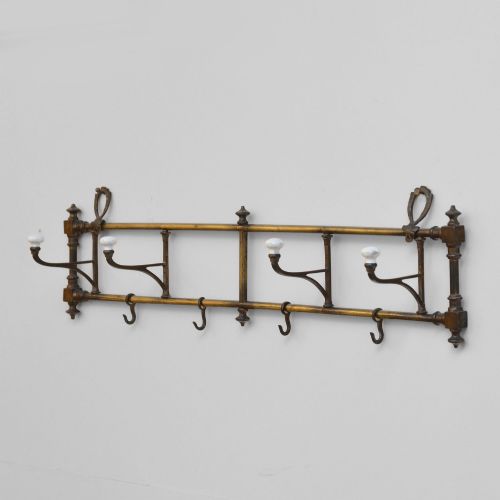
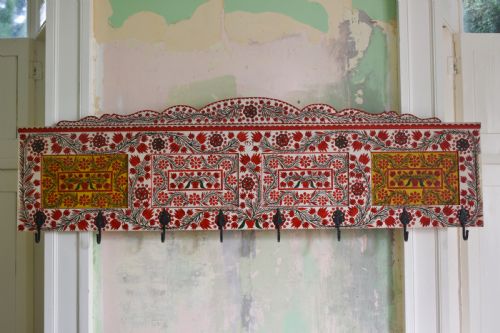
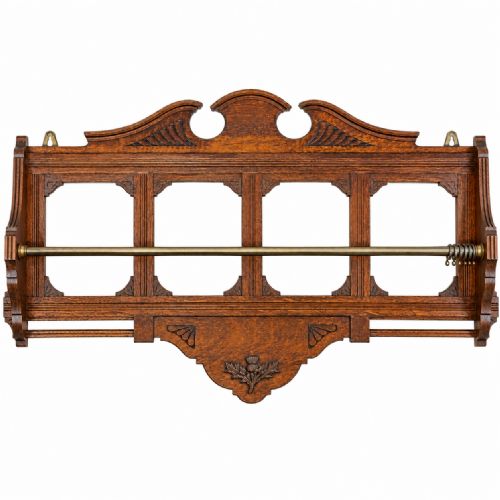
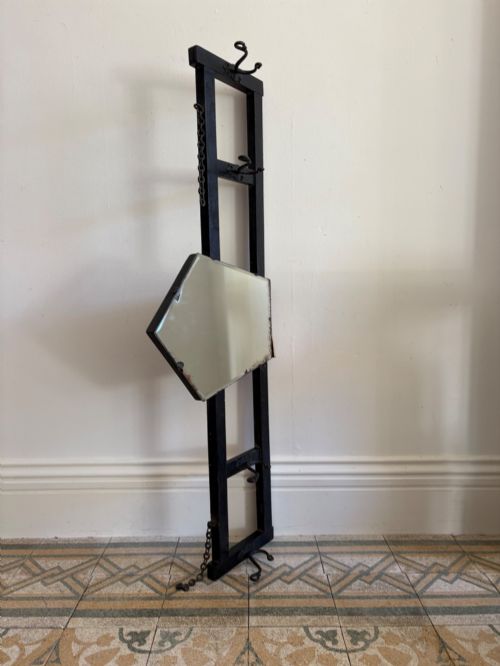
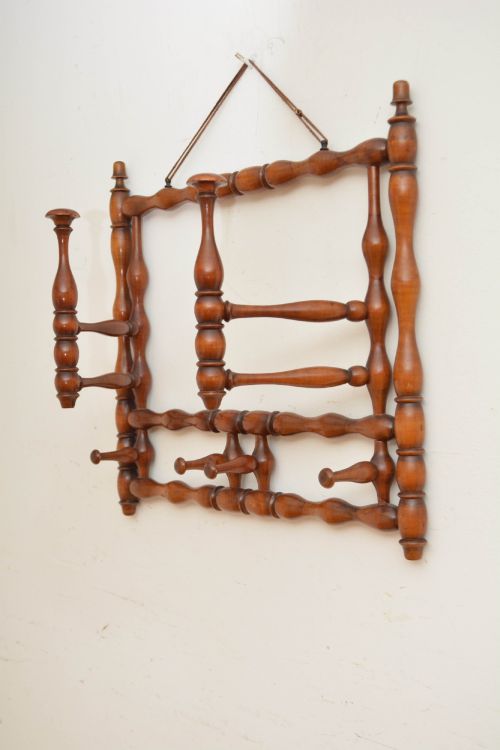
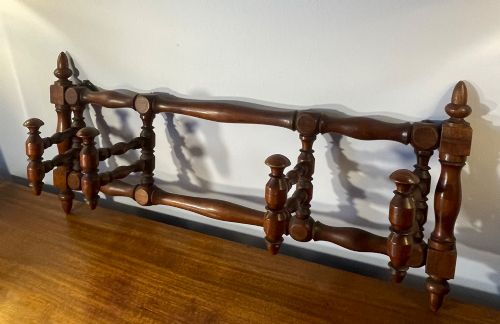
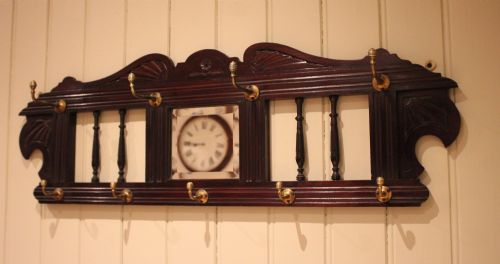
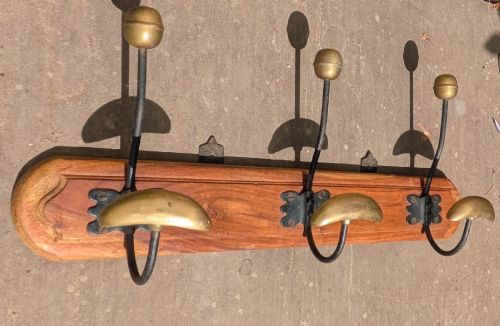
An antique wall coat rack serves as a functional hallway fitting designed to hold hats, coats and cloaks efficiently. Buyers searching for an antique wall coat rack encounter various formats, from simple timber backboards fitted with brass hooks to elaborate designs incorporating mirrors, shelves or folding mechanisms.
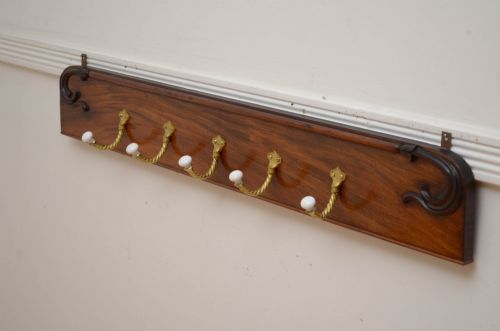
The pieces on this page span the Victorian and Edwardian eras through to the Art Deco period, alongside earlier nineteenth-century examples. Common formats include straight oak or mahogany mounting boards, cast iron tack racks, and French brass hat and coat combinations.
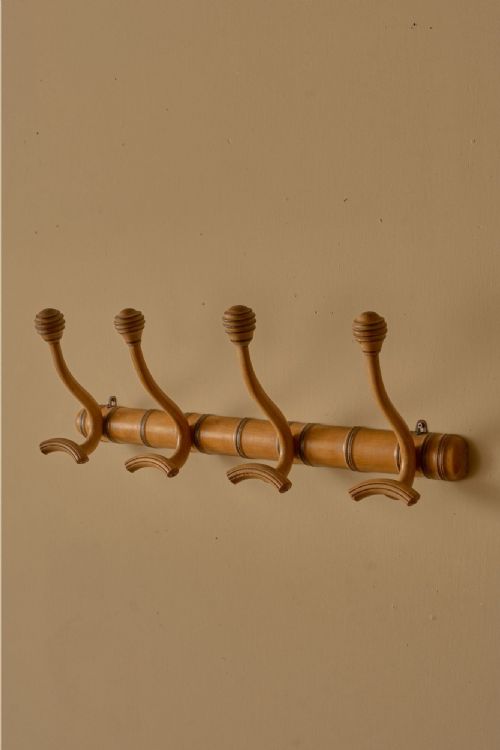
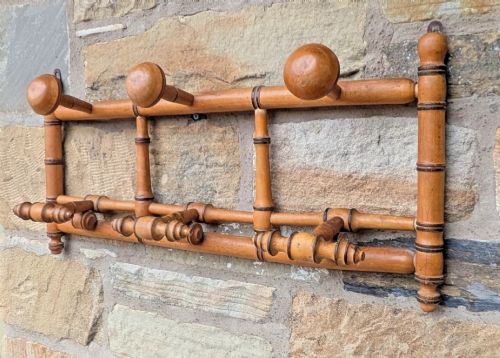
Regional variations appear frequently, such as Black Forest carvings, French faux bamboo fruitwood frames, and sturdy English reception valets. Most options mount directly to hallway walls, offering a practical storage solution derived from period domestic interiors.
Materials and Construction
Cabinet makers utilised solid hardwoods such as oak, mahogany, pine and beech for the primary backboards, often finishing them with ebonising or retaining natural grains. These timbers provide the structural rigidity required to support heavy winter garments and mounting hardware.
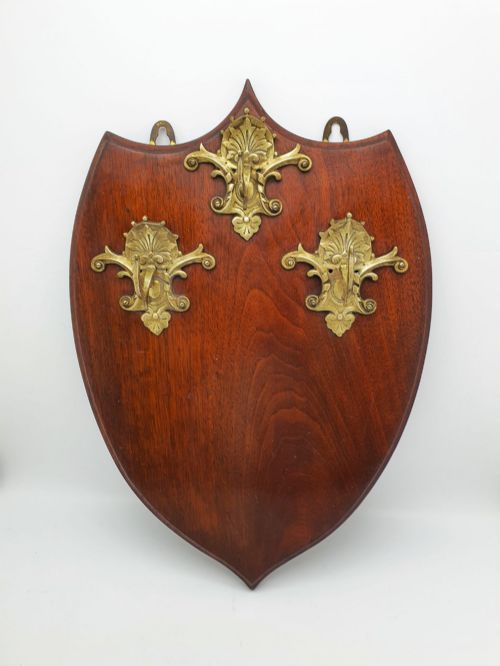
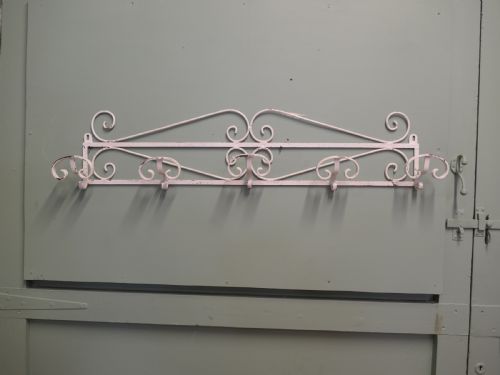
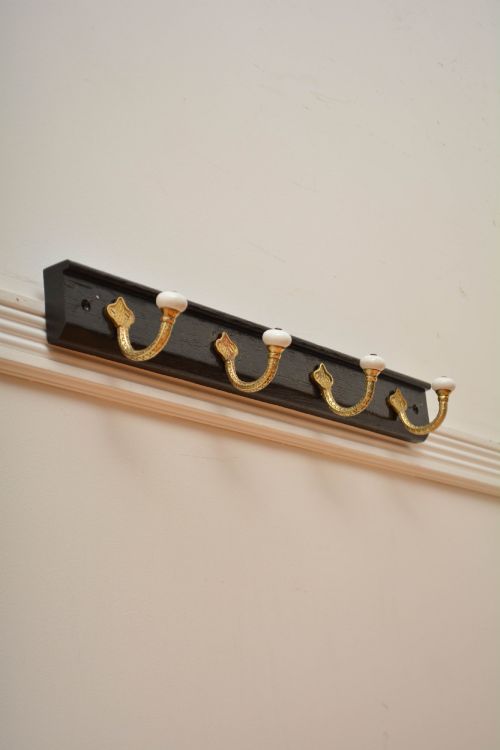
Hooks and fittings typically combine cast brass, wrought iron, bronze and ceramic components, frequently featuring porcelain knobs or glazed ceramic inserts. Metalwork elements range from chased brass plates to heavy cast iron horseshoes and sculptural animal motifs.
Antique Wall Coat Rack Retail Price Guide 2026
Typical asking prices for wall coat rack among the pieces listed under this phrase on Sellingantiques today, from the lower quarter to the upper quarter. They describe what is for sale here now, not the wider market.
A Black Forest carved gnome keeping watch over your winter scarves adds unexpected charm to any modern hallway.
Assessing Quality
Quality reveals itself in the substantial weight of the cast brass or bronze hooks and the integrity of the mounting plates. Superior examples display crisp chasing on metal elements and secure, original fixings rather than modern replacements.
The construction of the timber backboard further distinguishes standard utilitarian pieces from finer items. Well-made racks feature selected golden oak, figured mahogany or detailed turned wooden forms that demonstrate careful craftsmanship.
The Antique Wall Coat Rack Glossary
- Backboard
- The horizontal timber plank or panel that carries the mounting points and coat hooks. It fixes directly to the wall and distributes the weight of garments.
- Bentwood
- Wood softened through steaming and bent into curved shapes, commonly utilised in nineteenth-century coat racks and stands. This technique allows for lightweight yet resilient frames.
- Ebonised
- Timber treated with a dark stain or finish to imitate ebony. This dark surface finish was popular during the Victorian and Aesthetic Movement periods.
- Portmanteau
- A wall-mounted rack combining coat hooks with a luggage shelf or hat rack above. These items were designed for entrance halls and cloakrooms.
- Tack rack
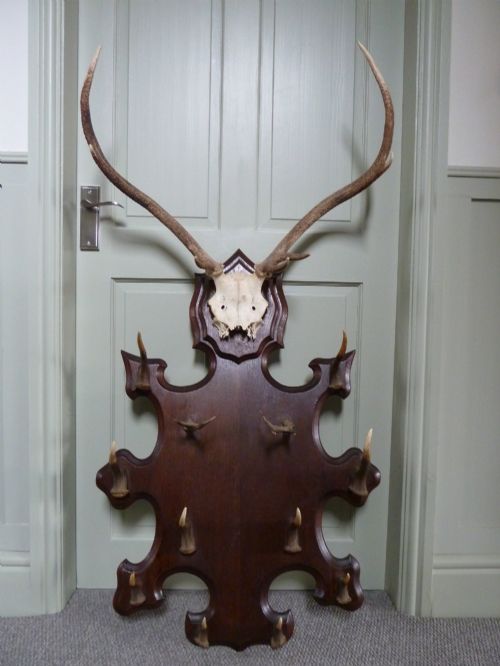
- A utilitarian hook board originally used for equestrian gear or heavy utility items. They often feature robust iron or brass hooks mounted on sturdy wooden rails.
Antique Wall Coat Rack: Frequently Asked Questions
How do I hang a heavy wooden coat rack safely?
Secure the backboard directly into wall studs or utilise appropriate cavity fixings capable of supporting the combined weight of the timber and heavy winter coats. Ensure the mounting screws match the depth and strength of the original fixing holes where possible.
Distribute garment weight evenly across the hooks to maintain stability. Checking the wall construction beforehand prevents pulling under load.
What periods do these wall coat racks come from?
The available pieces originate primarily from the nineteenth and early twentieth centuries, encompassing Victorian, Edwardian and Art Deco designs. Materials and styles reflect the prevailing domestic tastes of those specific decades.
Earlier examples from the nineteenth century often feature solid mahogany or oak with hand-cast brass hooks. Later Edwardian and Art Deco pieces introduce alternative metals and streamlined forms.
How do I clean antique brass hooks without damage?
Wipe the brass gently with a soft, dry cloth to remove dust and surface grime. Avoid abrasive metal polishes that can strip original patination or damage adjacent wooden backboards.
If deeper cleaning is necessary, use a mild soapy solution on a damp cloth and dry immediately. Take care not to wet porous ceramic inserts or aged wooden surfaces.
Can I use an antique rack in a modern hallway?
These wall-mounted fixtures adapt readily to contemporary interiors, providing practical hanging space while adding historical character. Their compact footprint suits narrow hallways and boot rooms.
Selecting a timber tone that complements existing interior woodwork helps integrate the piece. Ensure the wall type can support the physical dimensions of the specific rack.