

Antique Wall Art Painting
When you search for antique wall art painting, you enter a world of canvas, wood panel and paper spanning centuries of portraiture and landscape.
Antique Wall Art Painting
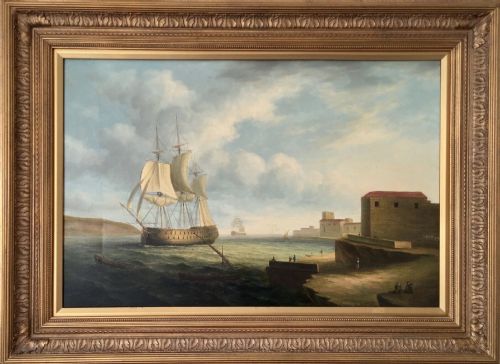
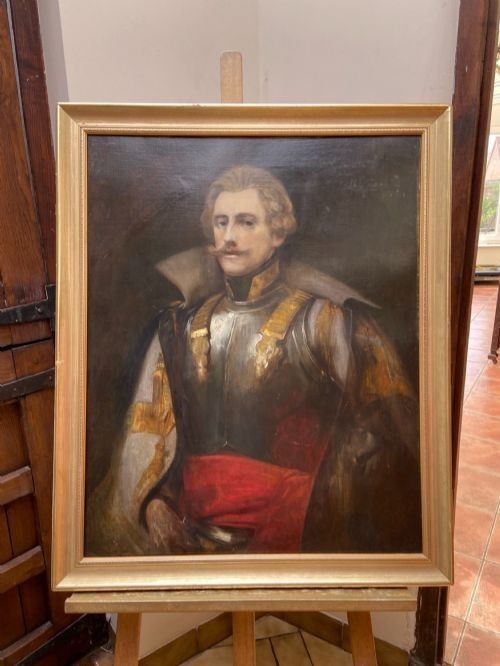
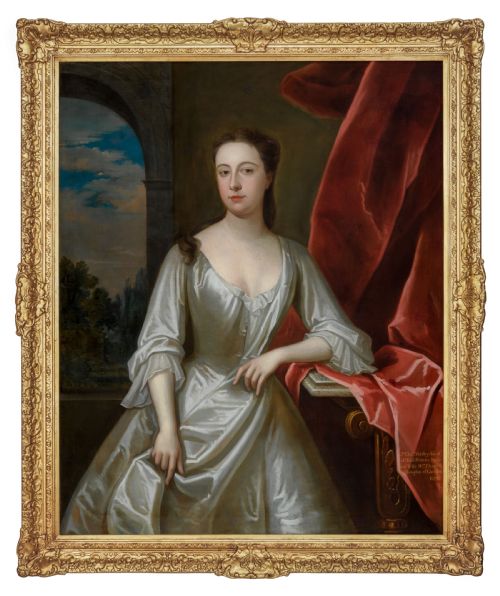
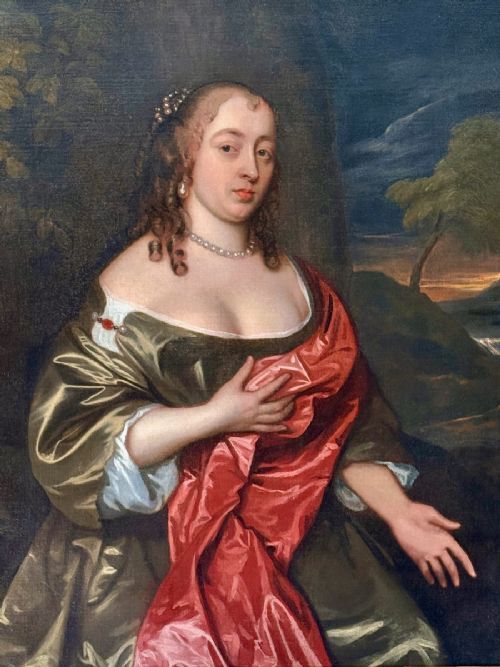
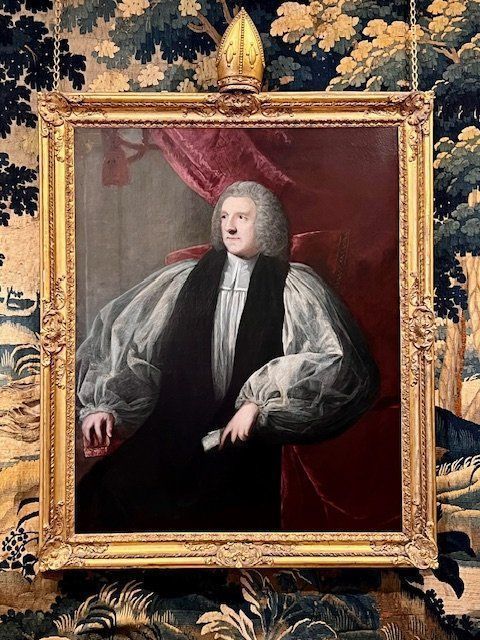
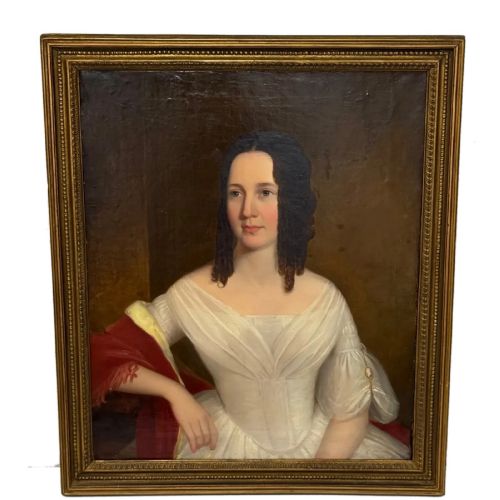
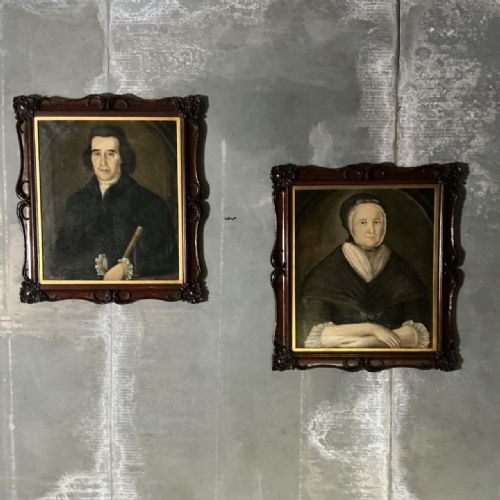
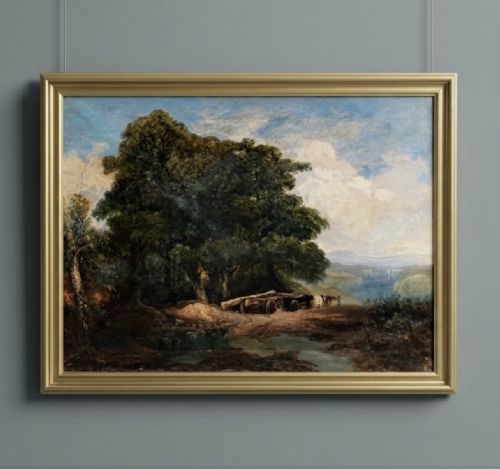
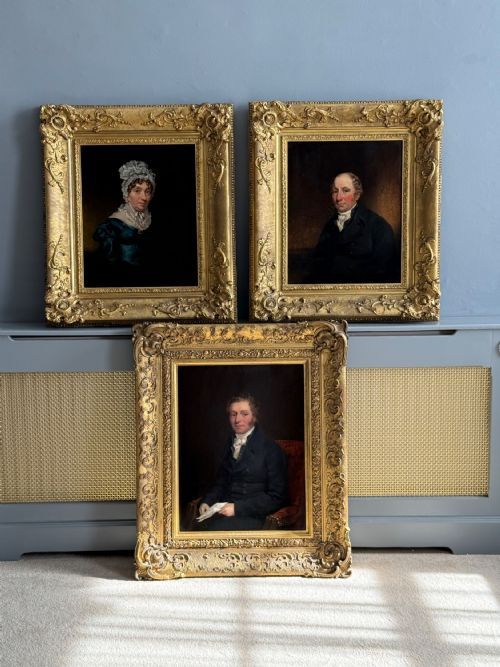
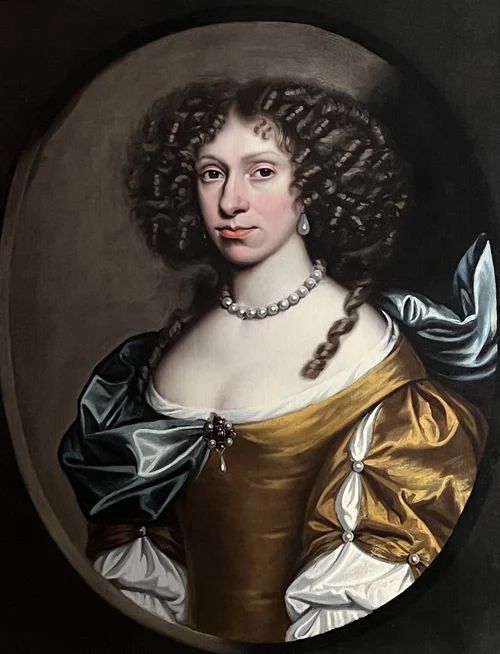
An antique wall art painting encompasses historical oil paintings, watercolours, gouache and pastel works designed for display. These pieces range from formal 17th century portraits of nobility to 19th century Scottish landscapes and early 20th century maritime scenes.
The selection here draws heavily upon British and European schools, spanning the Baroque, Victorian and Edwardian eras. Buyers frequently encounter framed oil on canvas works alongside delicate watercolours and portrait miniatures.
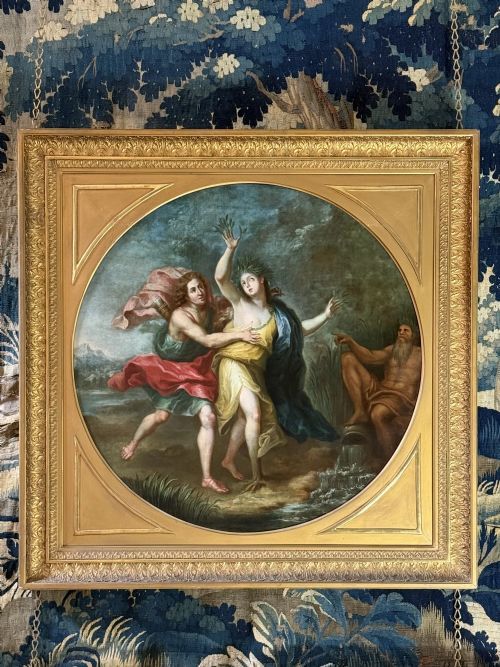
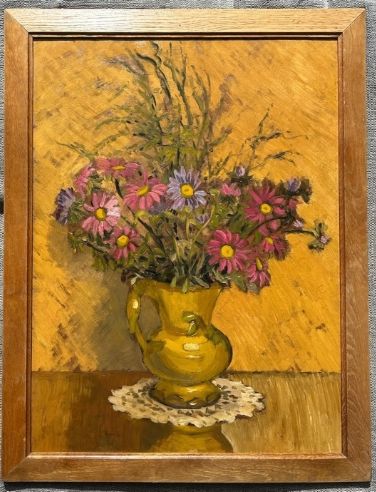
Subjects stretch from classical mythology and religious devotion to domestic portraiture, pastoral vistas and still life. Each piece reflects the aesthetic priorities and material techniques of its specific century.
How They Were Made
Painters applied oil paint, watercolour or gouache onto supports such as stretched canvas, prepared wood panels, glass and pith paper. Canvases were primed and set into wooden frames, often accompanied by heavy giltwood mouldings that define the visual boundary of the artwork.
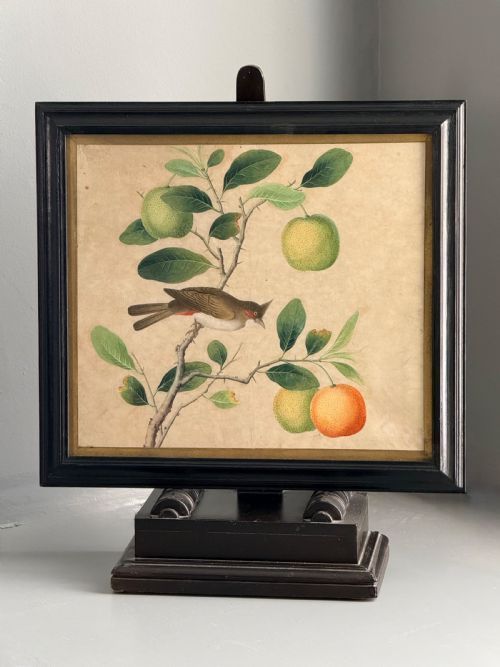
Watercolours and pastels utilised paper or card, frequently protected beneath glass and secured with mounts. Pigments varied from traditional ground minerals and earths to early synthetic formulations emerging by the 19th century.
Antique Wall Art Painting Retail Price Guide 2026
Typical asking prices for wall art painting among the pieces listed under this phrase on Sellingantiques today, from the lower quarter to the upper quarter. They describe what is for sale here now, not the wider market.
Among the historical faces looking down from these walls, an unbothered fox stares out from a 19th century still life.
What Varies in Quality
The distinction between works rests upon the surety of the brushwork, the depth of composition and the handling of light and anatomy. Master works display confident draughtsmanship and psychological engagement in portraits, or atmospheric cohesion in landscapes.
Provenance and attribution also elevate certain pieces, particularly those linked to documented artists, named sitters or established regional schools. The original state of the canvas, panel and period frame contributes significantly to the integrity of the object.
Sir Godfrey Kneller·John Hayls·Charles-Antoine Coypel·Sir Joshua Reynolds·Joseph Clover·David Scougall·William Beattie-Brown·George Fotherly Hargitt·Jozef Jansessens·Thomas Miles Richardson Jnr·James Orrock·Henri Fradelle·Felix Stone Moscheles·William Cannon·Georges de La Tour·William H Myers·Sir Peter Lely·Emily Eyres·Tom Campbell·Alfred Young Nutt·John Maler Collier·Dumini Leopoldo·W Klombeck·Percy Lancaster
The Antique Wall Art Painting Glossary
- Oil on Canvas
- Pigment mixed with a drying oil, typically linseed, applied to a woven fabric stretched across a wooden frame. This medium allowed artists to build rich layers of colour and texture.
- Giltwood
- Wood carved and coated with gold leaf or gold paint, frequently used for traditional picture frames. It provides a reflective, ornate border that complements historical paintings.
- Portrait Miniature
- A small, highly detailed painting, often executed on vellum, card or ivory, designed for intimate viewing. These works capture likenesses with microscopic precision.
- Pith Paper
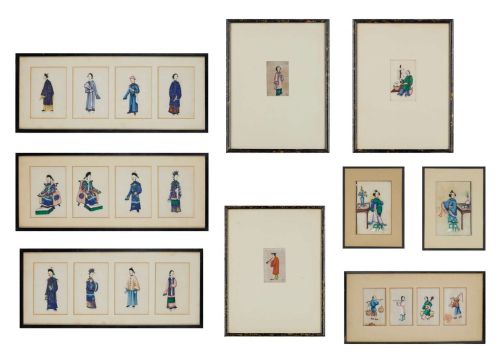
- A delicate material formed from the spongy interior of the rice-paper plant, utilised in Asian export paintings. It absorbs water-based pigments to create a velvety surface.
- Reverse Glass Mezzotint
- An image transferred and coloured directly onto the underside of a glass plate. This specialised technique creates a luminous finish unique to certain 18th century prints.
Antique Wall Art Painting: Frequently Asked Questions
How do I care for an antique oil painting?
Keep paintings away from direct sunlight, extreme temperature shifts and high humidity to prevent canvas slackening and pigment cracking.
Dust the surface gently with a soft, dry brush and avoid using water or chemical cleaners on the paint layer.
What is the difference between oil and watercolour wall art?
Oil paintings utilise viscous pigments on canvas or wood panels, allowing for thick impasto and deep tonal blending. They are robust enough to hang without glass protection.
Watercolours use translucent pigments on paper and require framing beneath glass to protect the delicate medium from moisture and atmospheric dust.
How can I tell the century of a painting?
Clues lie in the preparation of the canvas or panel, the style of the stretcher, the formulation of the pigments and the costume of any figures depicted.
Inscribed signatures, dates, exhibition labels and historical provenance notes on the reverse provide further confirmation of the period.