
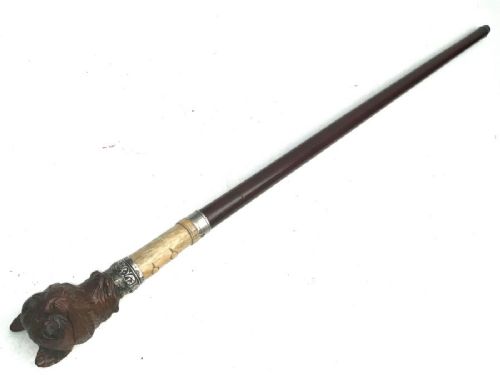
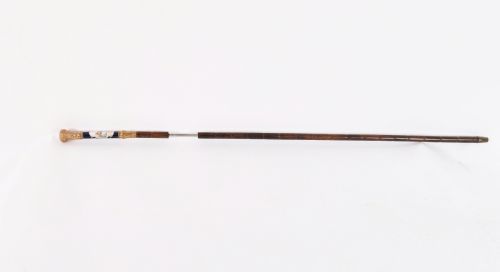
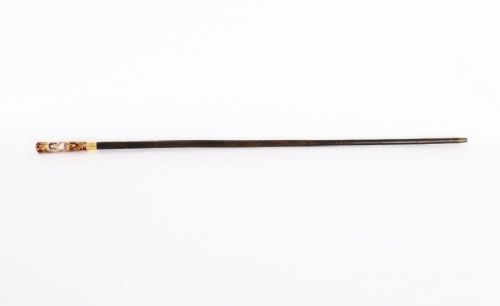
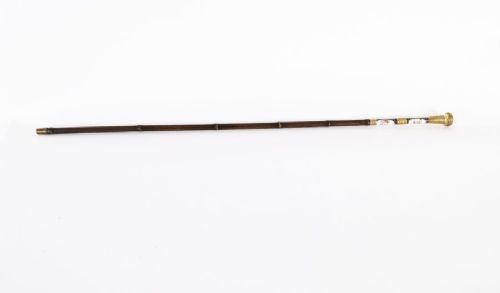
Antique Walking Cane Sword
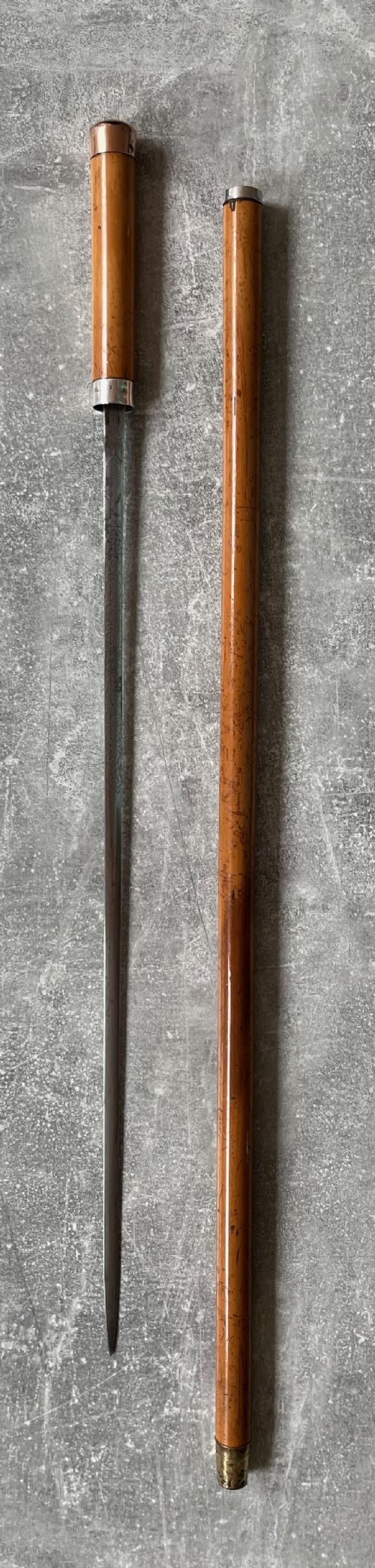
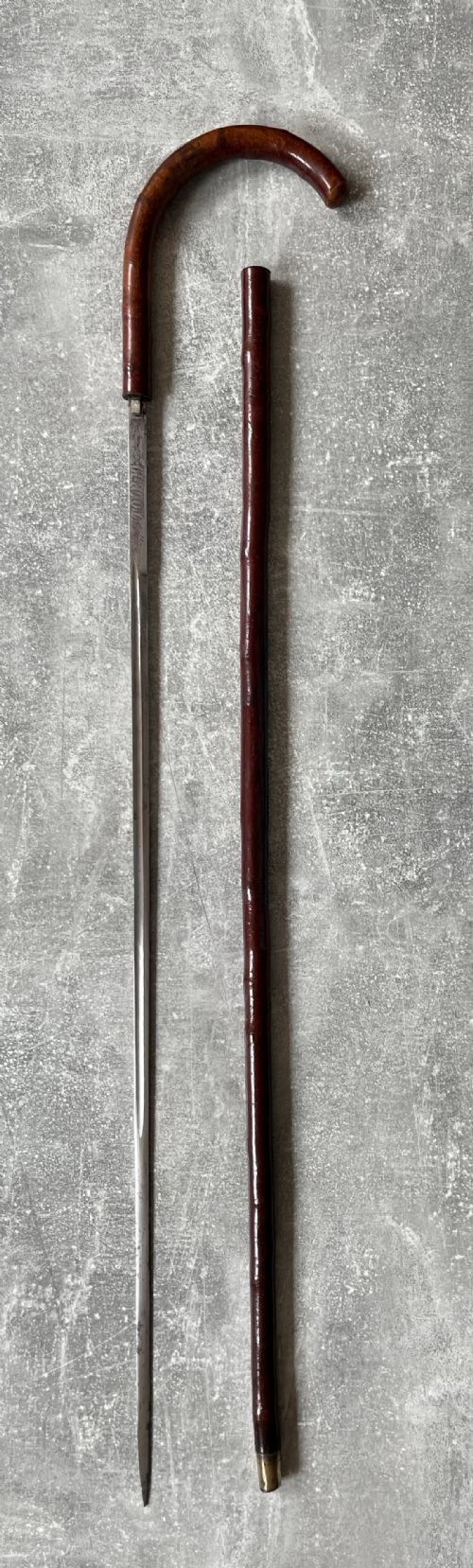
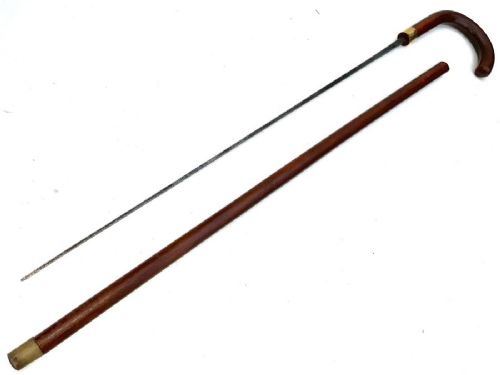
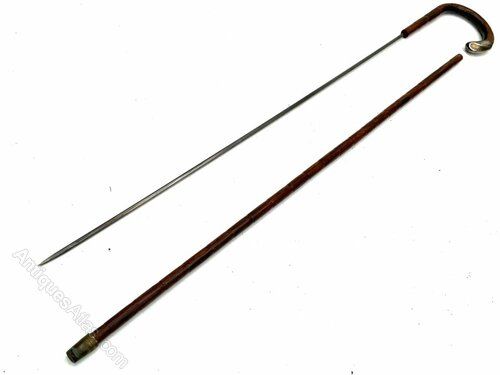
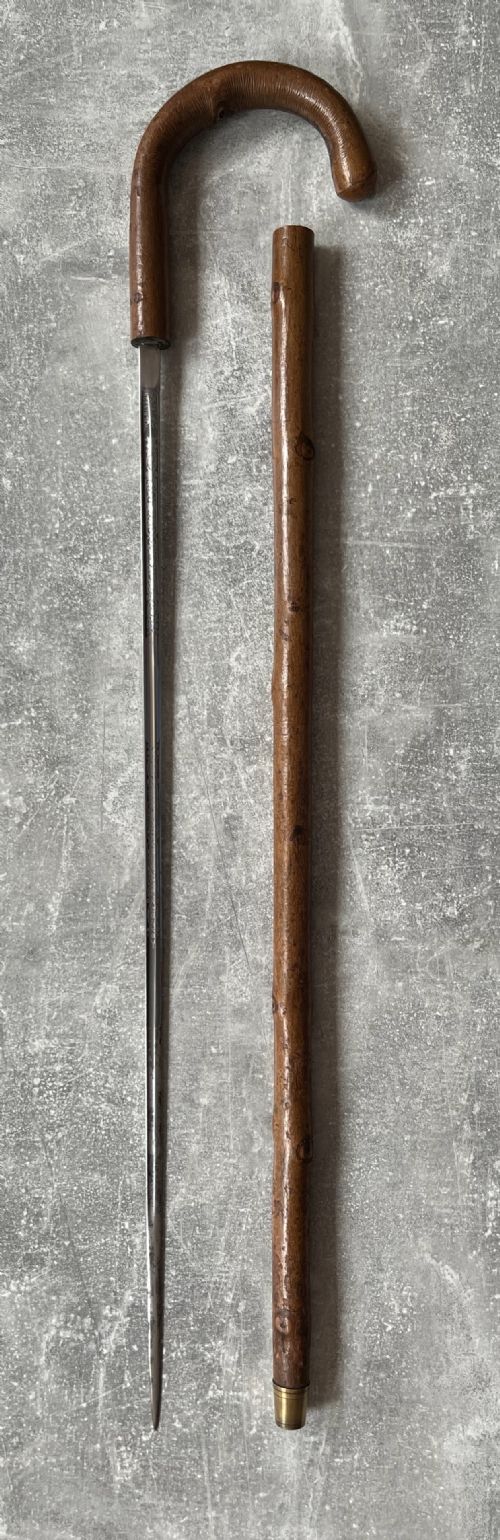
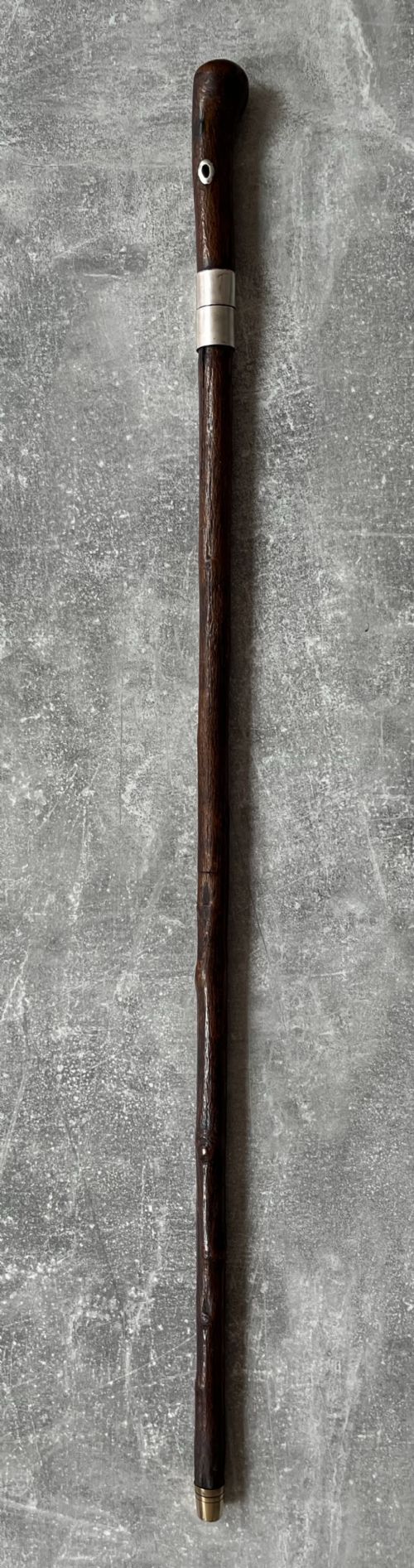
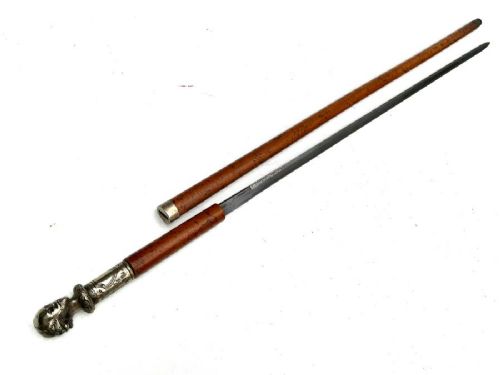
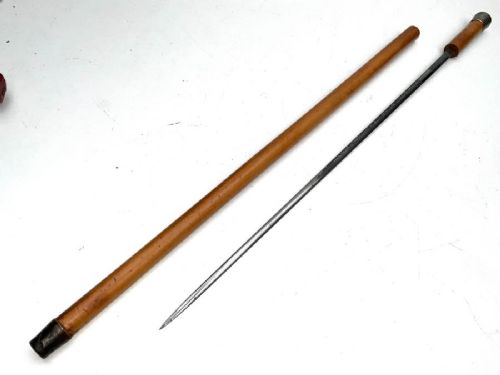
An antique walking cane sword combines the outwardly respectable appearance of a gentleman's everyday prop with a concealed steel blade.
Antique Walking Cane Sword
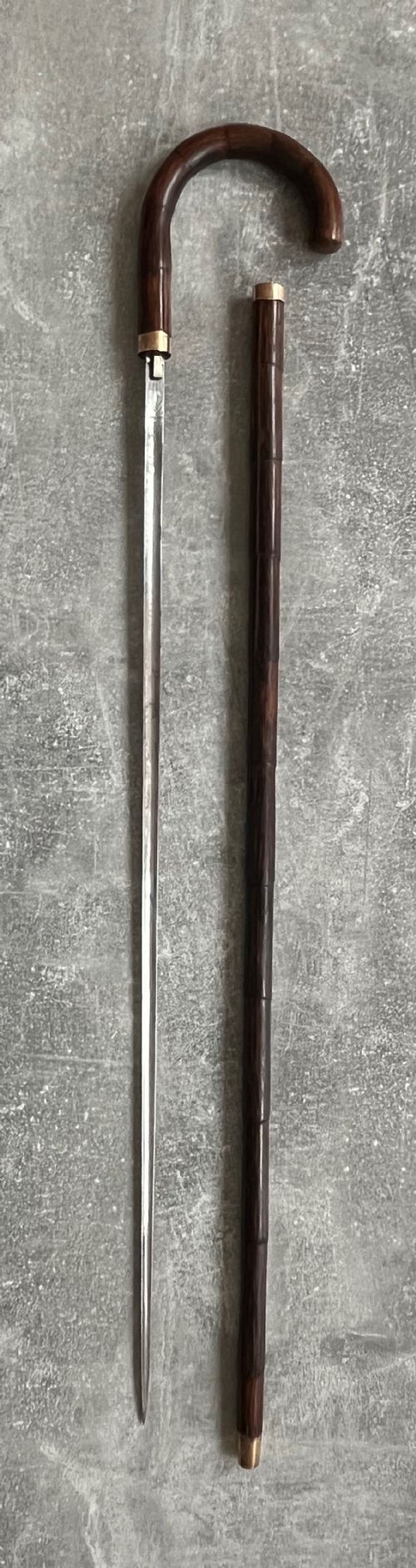
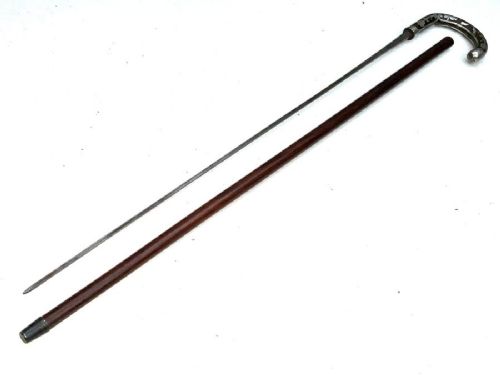
An antique walking cane sword serves as a discreet personal defence implement disguised beneath the appearance of standard gentleman's support. When you search for this phrase, you encounter pieces designed to look like traditional walking sticks while housing a concealed steel blade within the shaft.
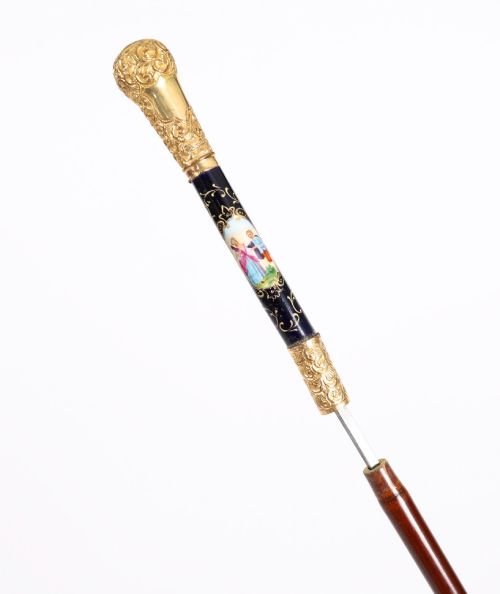
The most common examples on this page date from the Victorian and Edwardian eras, spanning the late nineteenth century through to the early twentieth century. These incorporate diverse regional styles, including French pieces featuring Sevres porcelain, Imperial German military designs, and traditional Irish blackthorn sticks.
Makers produced these items for various clients, ranging from military officers and Masonic members to civilian gentlemen requiring discretion. The external appearance often mimics ordinary timber, bamboo, or malacca shafts fitted with horn, silver, or novelty handles.
How they were made
Craftsmen built the shafts using natural materials such as malacca, partridge wood, cherrywood, hazel, bamboo, and ebonised wood, sometimes incorporating faux bamboo or root-ended grips. These organic or treated wooden outer cases required precise internal channel work to securely house the hidden blade.
The blades themselves typically consist of forged steel, frequently featuring Toledo origins or engraved details, secured by button release mechanisms within the collar or handle. Makers finished the exteriors with silver collars, gold plate, or ormolu mounts to match the standards of polite society.
Listings feature periods spanning the Victorian and Edwardian eras, alongside nineteenth-century French and Imperial German items.
What varies in quality
The distinction between standard utility items and finer examples rests on the quality of the internal engineering and the finishing materials. Superior pieces integrate seamless joins where the handle meets the shaft, concealing the blade release mechanism effectively.
Material selection dictates the tier of the piece, with solid silver mounts, decorated porcelain handles, and etched Toledo steel blades representing higher craftsmanship compared to plain brass collars and basic steel rods. The rigidity of the fit when the blade is sheathed also separates well-executed items from loose reproductions.
Brigg·Wilkinson
The Antique Walking Cane Sword Glossary
- Toledo blade
- A steel blade originating from or styled after the renowned smithing traditions of Toledo, Spain. These are frequently etched and valued for their flexibility and temper.
- Swagger stick
- A short, light cane carried by military officers as a symbol of authority rather than for physical support. Some examples conceal short blades.
- Malacca
- A sturdy rattan cane imported from Southeast Asia, identifiable by its mottled brown finish and distinct nodes. It serves as a primary material for high-grade walking sticks.
- Ebonised wood
- Timber treated with a dark finish to imitate expensive ebony. This technique provided a uniform black appearance for formal gentlemen's canes.
- Button release
- A concealed spring mechanism embedded in the collar or mount that secures the blade inside the shaft until pressed. This prevents the blade from slipping out during normal walking.
Antique Walking Cane Sword: Frequently Asked Questions
What is an antique walking cane sword?
An antique walking cane sword is a dual-purpose object featuring a functional walking stick with a hidden steel blade locked inside the shaft. Gentlemen carried them during the nineteenth and early twentieth centuries for personal protection.
The exterior mimics a standard fashion accessory, utilising woods like malacca or partridge wood, while a release mechanism at the collar allows the user to draw the concealed blade.
How do you release the blade?
Most pieces utilise a small push-button or screw mechanism integrated into the metal collar or mount just beneath the handle. Pressing or turning this release unlatches the internal catch.
The blade then slides smoothly out of the wooden scabbard housing, revealing the steel interior used for defence.
Who carried these walking sticks?
Military officers, civilian gentlemen, and members of fraternal organisations such as Masonic lodges regularly carried these implements. They provided a socially acceptable means of defence during urban travel.
Specific regiments and groups often commissioned styles matching their uniforms or affiliations, including swagger sticks and military-issue items.
How do you date a cane sword?
Dating relies on examining the mounting hallmarks, material styles, and mechanical construction methods typical of the Victorian and Edwardian periods. Silver collars often bear town marks and date letters corresponding to London assay offices.
Stylistic indicators, such as Sevres porcelain inserts or specific maker signatures like Wilkinson blades, help narrow the production era to the late nineteenth or early twentieth century.