

Antique Wainscot Armchair
An antique wainscot armchair is a heavy wooden seat built to last generations, offering solid panelled comfort.
What an antique wainscot armchair is
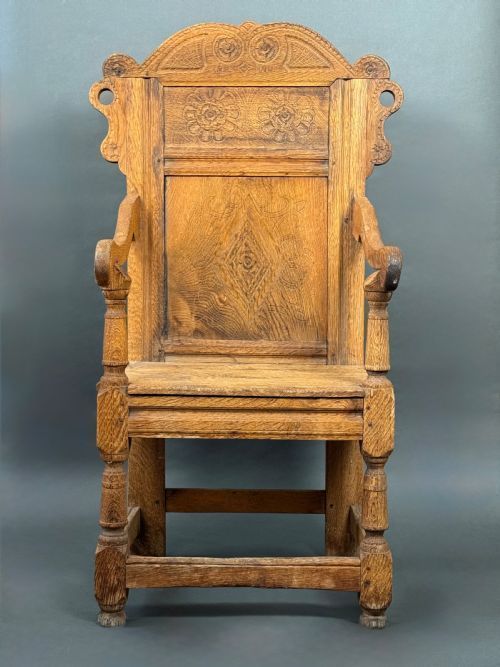
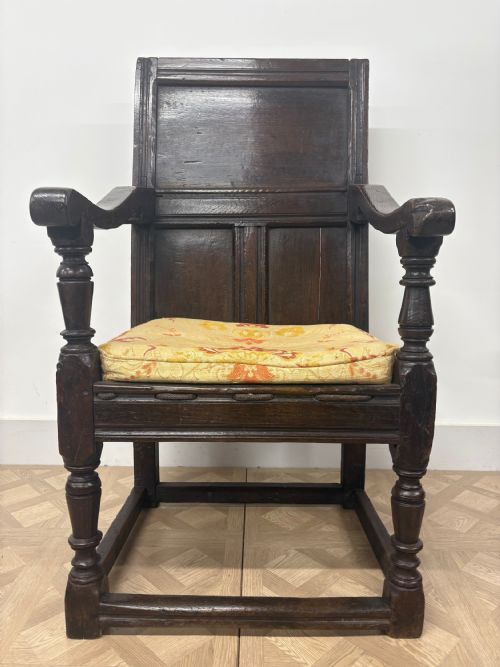
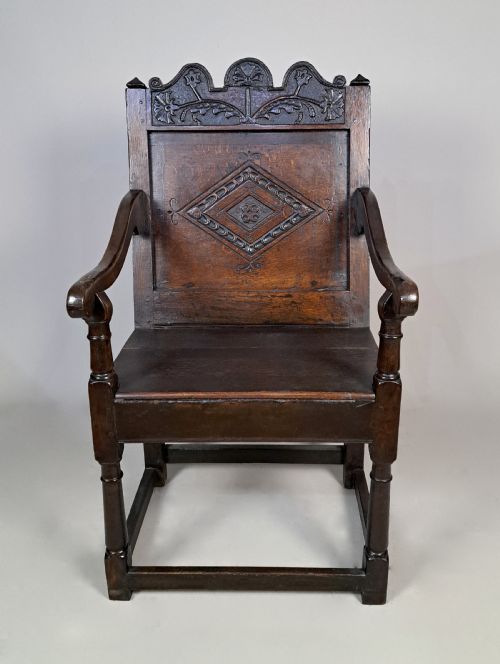
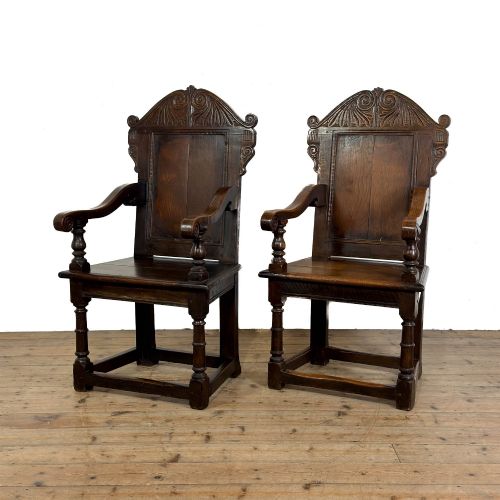
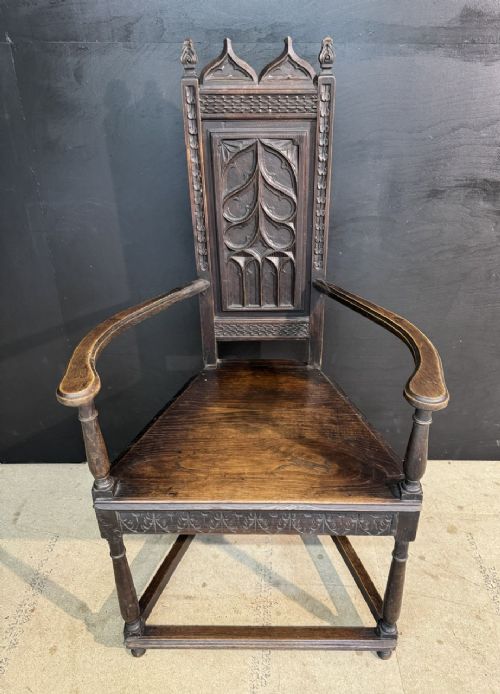
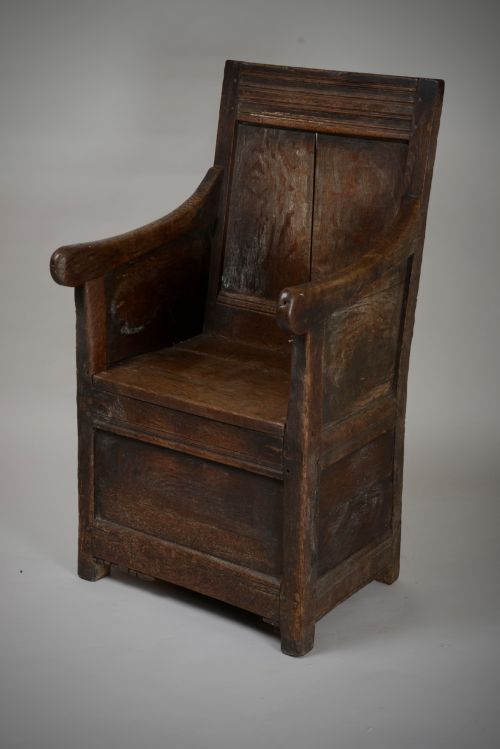
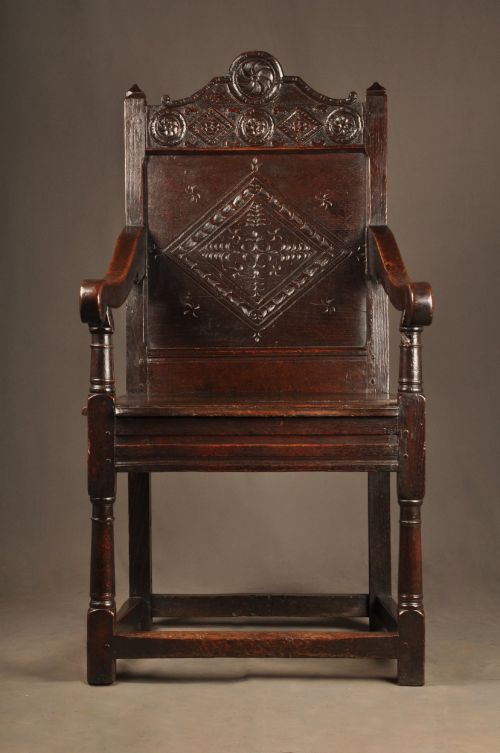
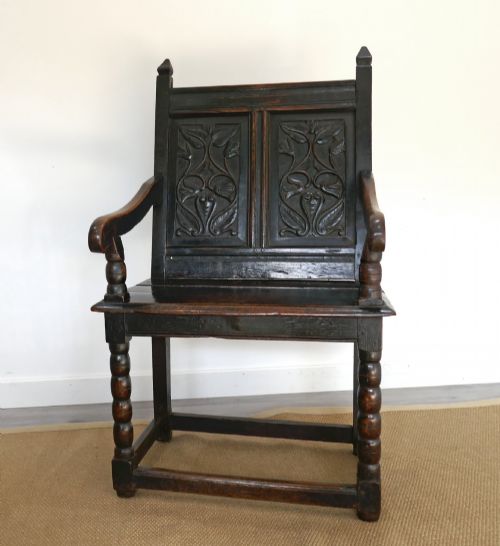
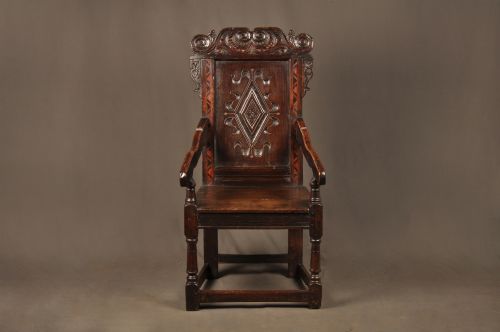
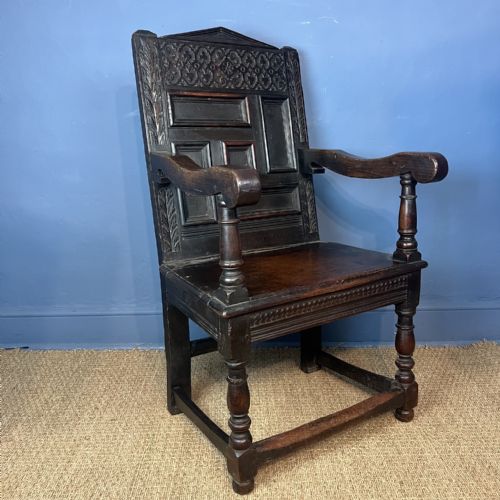
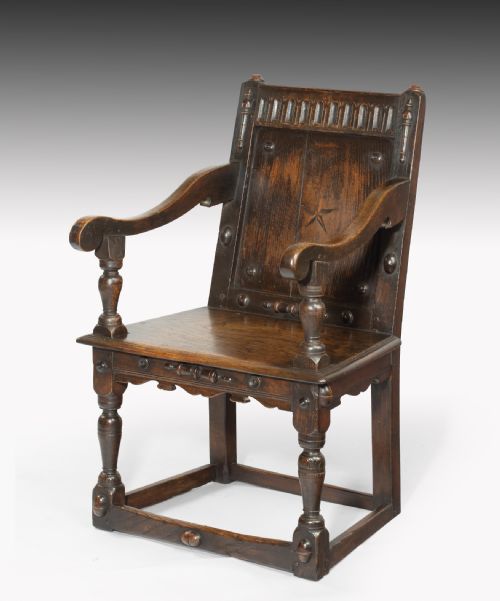
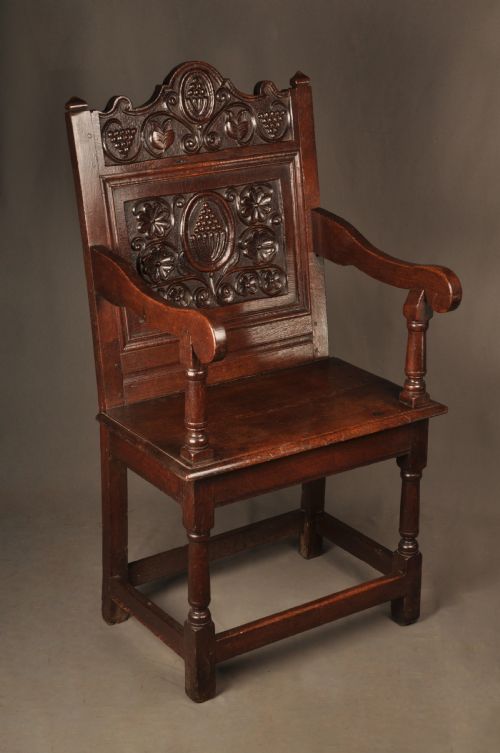
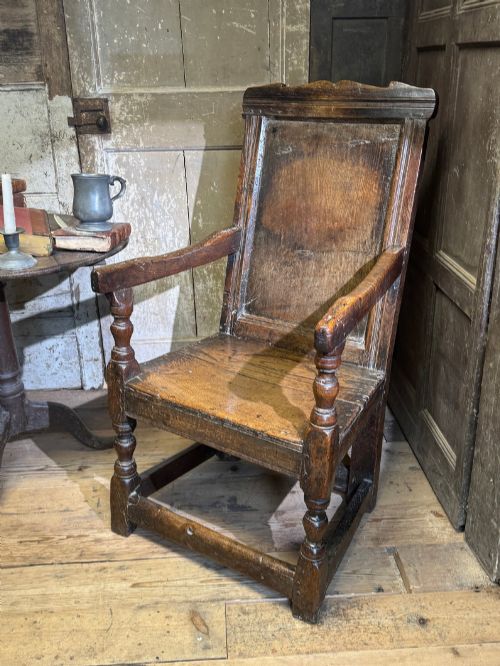
An antique wainscot armchair is a sturdy seat constructed primarily from timber, designed with a solid panelled back rather than open spindles. When you search for an antique wainscot armchair, you encounter robust seating largely rooted in the seventeenth century, alongside later revivals and regional variations.
The core inventory centres on seventeenth century oak examples displaying Jacobean styling, joined construction and panelled backs. Smaller child or ladies variants appear alongside standard proportions, reflecting domestic seating arrangements of early periods.
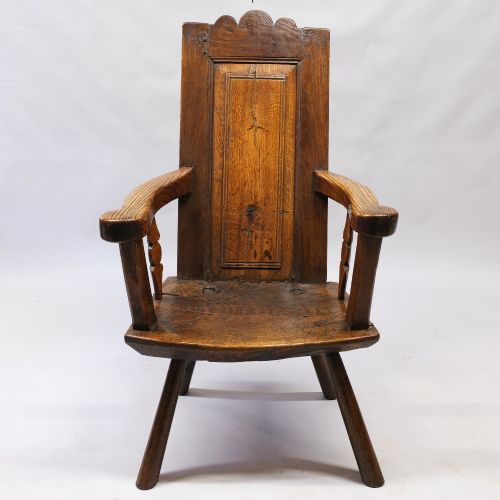
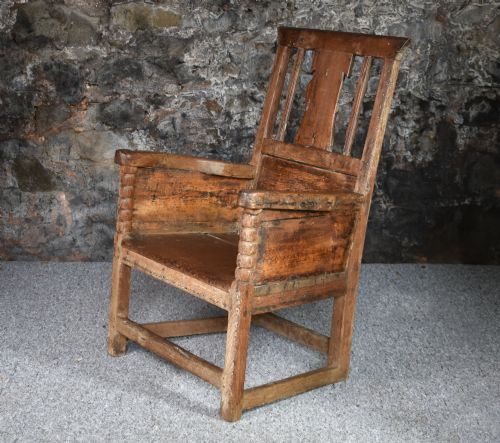
Regional and later interpretations extend the form into subsequent centuries, incorporating Welsh, Scottish, Yorkshire and Victorian expressions. These pieces maintain the characteristic enclosed panel construction while varying in scale, carving density and regional joinery traditions.
How they were made
These armchairs rely entirely on solid oak, utilising timber harvested and seasoned for heavy joinery. Makers employed joined construction techniques, fastening uprights, rails and panels together with mortise and tenon joints secured by wooden pegs.
Surfaces frequently exhibit hand tooling, flat panel carving and pegged assembly marks left by traditional woodworkers. Regional workshops shaped the arms, seats and crest rails using simple hand saws, chisels and drawknives without modern machinery.
Retail Price Guide 2026
Typical UK retail prices for wainscot armchair, calculated from the Sellingantiques database of over a million retail prices indexed since 2003. This retail price guide relies exclusively on Sellingantiques data; no external sources or auction records are used, so the figures do not describe the wider market.
One recorded set includes massive Welsh throne chairs intended specifically for Eisteddfod gatherings and fireside reading.
What varies in quality
Quality rests in the integrity of the original timber and the crispness of surviving joined elements. Pieces retaining their original unthinned panels and primary structural pegs stand apart from those heavily restored or rebuilt.
The depth and execution of period carving distinguish finer workshop output from simpler vernacular production. Proportion, balance in the arm supports and the undisturbed patina of aged oak define the upper tier of surviving examples.
The Antique Wainscot Armchair Glossary
- Wainscot
- A wooden panel used originally on walls, which gave its name to chairs featuring solid panelled backs.
- Joined
- A method of furniture construction using tight mortise and tenon joints locked with wooden pegs rather than metal nails.
- Jacobean
- The stylistic period spanning the reign of King James the First, characterised by solid proportions and linear geometric carving.
- Crest rail
- The top horizontal member of a chair back, often shaped or carved to finish the composition.
- Elbow chair
- An older regional term for an armchair, describing the sturdy wooden armrests designed to support the elbows.
Frequently Asked Questions
What is a wainscot armchair?
A wainscot armchair is a heavy wooden seat featuring a solid panelled back, constructed by joiners using traditional pegged framing.
These chairs developed from wooden wall panelling techniques, providing solid draught-proof seating in early homes.
How old are these armchairs?
Surviving examples frequently date to the seventeenth century, though nineteenth century revival pieces and regional variations also exist in the record.
Construction methods, timber characteristics and decorative carving styles help determine the approximate period of manufacture.
Were they used at dining tables?
These heavy chairs were typically reserved for the head of the household or important guests rather than general dining use.
Their solid construction and fixed arms made them principal seats of authority placed near fireplaces or in great halls.
How do I care for antique oak?
Maintain antique oak by placing the chair away from direct heat sources and sudden humidity changes to prevent timber splitting.
Apply occasional traditional wax polish to nourish the wood surface and preserve the natural patina developed over centuries.