

Antique Vitrine Display Case
An antique vitrine display case holds precious objects behind glass, bringing order and visibility to a room through centuries of refined woodworking.
Antique Vitrine Display Case
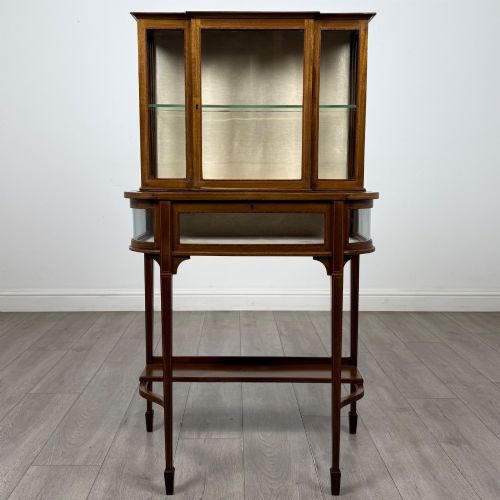
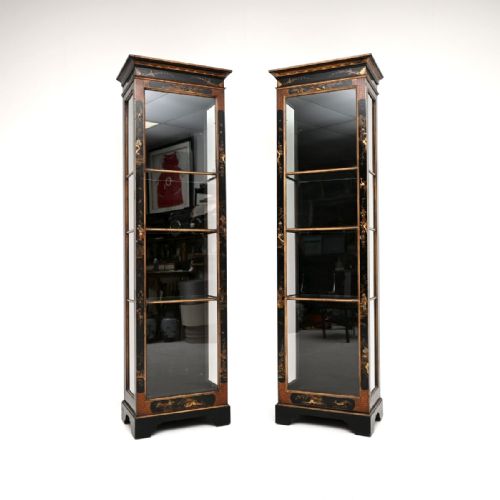
An antique vitrine display case is a specialised piece of furniture designed to exhibit ceramics, books, silver, and curiosities behind glazed doors or panels. These cabinets serve to protect delicate items from dust while offering an unobstructed view from multiple angles.
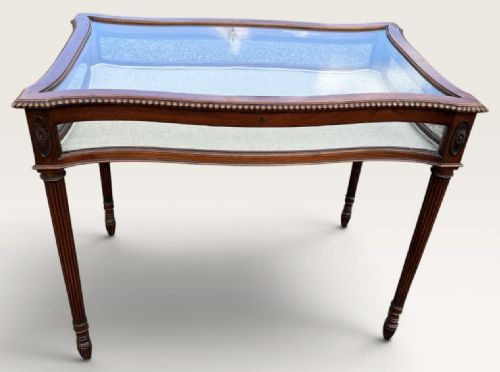
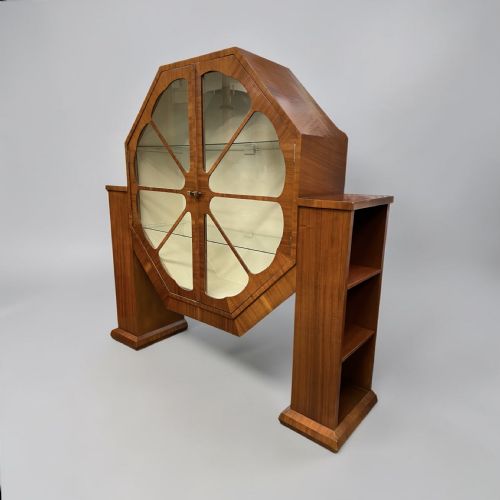
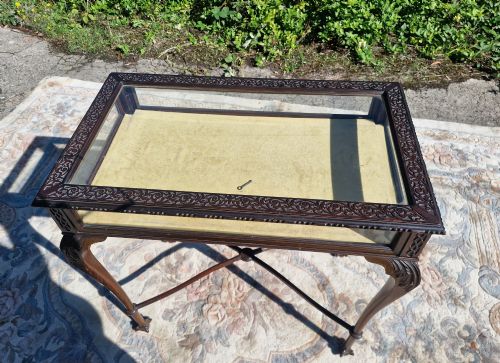
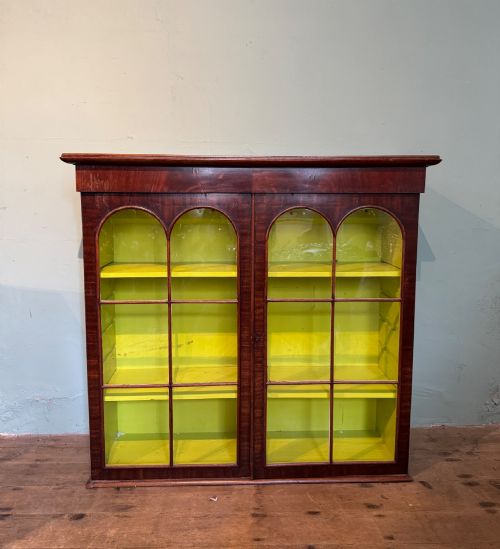
Buyers encountering this phrase will find a diverse range of forms spanning the Georgian, Victorian, Edwardian, and Art Deco periods. The selection encompasses tall freestanding cabinets, wall-mounted units, countertop cases, and low display tables known as bijouterie.
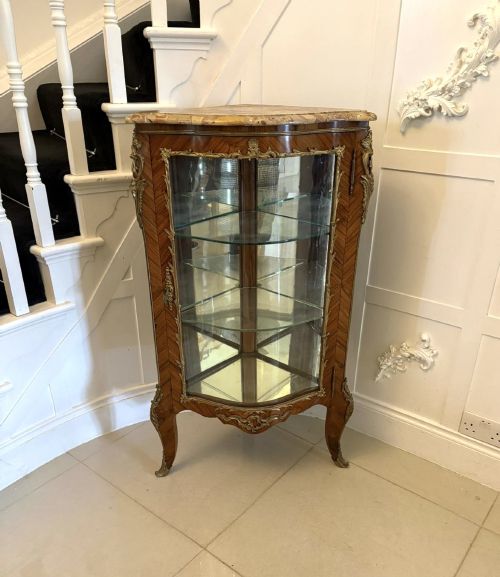
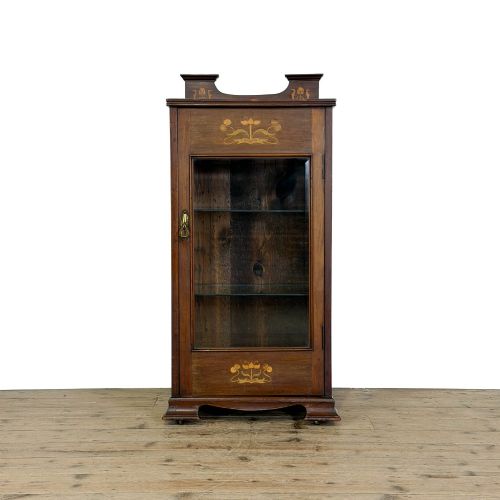
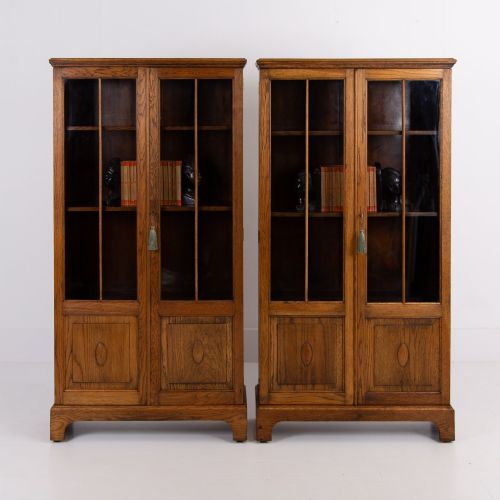
Origin and style vary widely, moving from restrained English mahogany and oak pieces to exuberant French revival designs decorated with ormolu. Edwardian satinwood and mahogany versions featuring inlaid details appear frequently among these furnishings.
How they were made
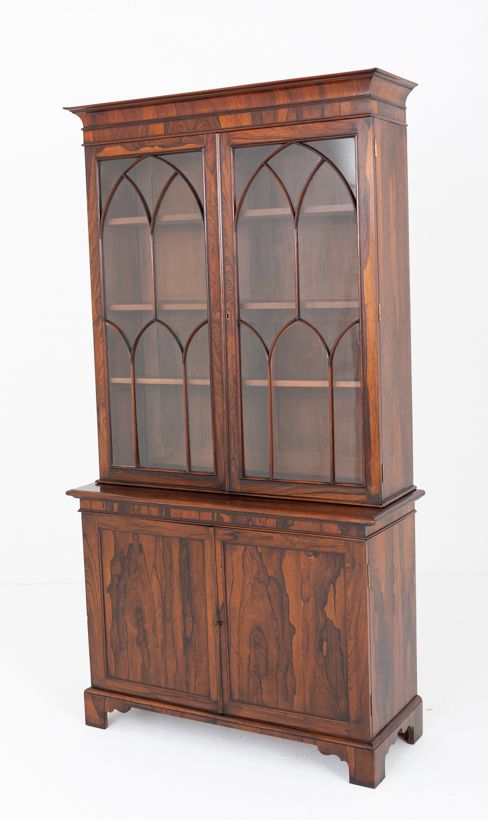
Cabinet makers utilised dense timbers such as mahogany, walnut, oak, and rosewood for the foundational frames, often applying veneers of satinwood or kingwood to decorative surfaces. Glazing formed the primary structural challenge, requiring slender wooden or brass bars to hold large sheets of glass securely.
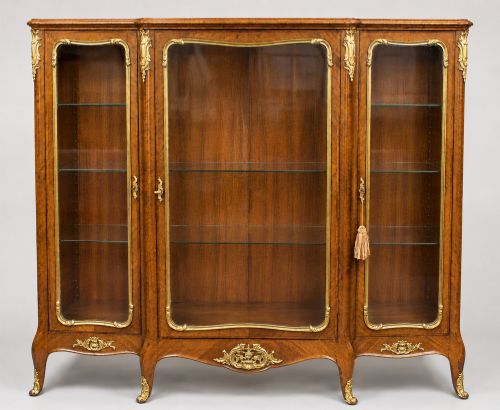
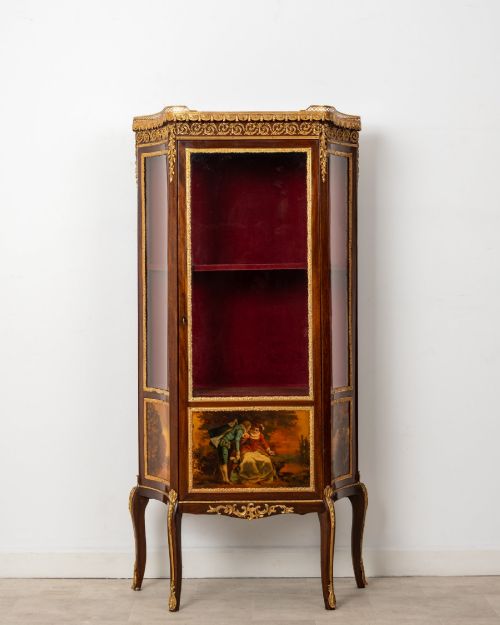
High-end French and English examples incorporate cast bronze or ormolu mounts, marble tops, and hand-painted Vernis Martin panels. Interior surfaces frequently use fabric linings to contrast with the displayed objects.
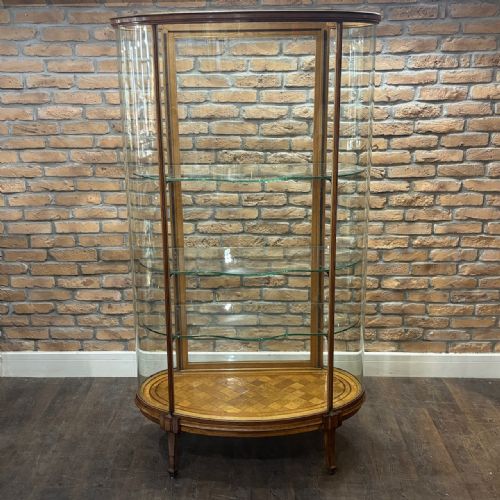
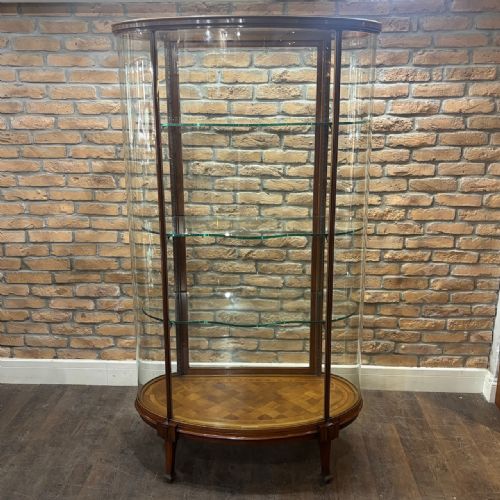
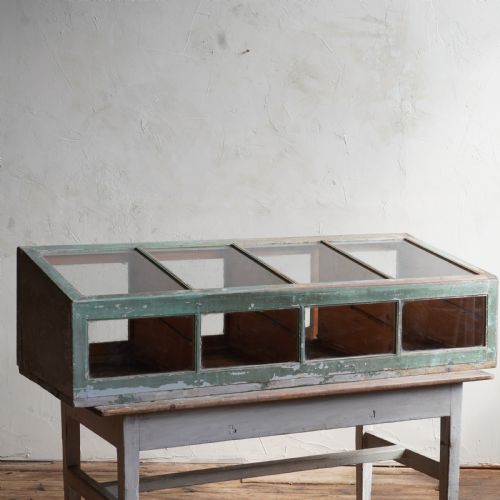
Some Edwardian merchants displayed their wares in shop cabinets featuring distressed paint, living on from retail counters into domestic rooms.
What varies in quality
Quality in these cabinets rests upon the precision of the joinery and the selection of figured woods like burr walnut or satinwood. The weight and casting clarity of ormolu mounts, where present, distinguish standard production from exceptional workshop output.
The sophistication of decorative techniques, including marquetry inlay, hand-painted panels, and serpentine shaping of the wooden carcase, separates simpler domestic furniture from monumental reception room showpieces.
F. Sage & Co
The Antique Vitrine Display Case Glossary
- Vitrine
- A glass-fronted cabinet or case specifically designed for displaying fine china, curiosities, or books.
- Ormolu
- Gilded bronze mounts and decorative trimmings applied to furniture, popular in French revival and Victorian pieces.
- Bijouterie table
- A low display table with a glazed top and compartment for exhibiting jewellery, medals, and small collectables.
- Vernis Martin
- A simulated Japanese lacquer technique developed in eighteenth-century France and emulated in later revival cabinets.
- Marquetry
- Decorative patterns formed by inserting thin pieces of wood, ivory, or shell into a veneered surface.
- Serpentine
- A furniture front or table edge curving outward at the centre and inward at the ends.
Antique Vitrine Display Case: Frequently Asked Questions
What is an antique vitrine?
An antique vitrine is a glazed cabinet built to showcase and protect valuable collections.
These pieces range from tall freestanding showroom cupboards to low tabletop display cases.
How were display cabinets used?
They were utilised in drawing rooms and parlours to exhibit family treasures, porcelain, and books.
Shop display variants were similarly employed in commercial premises to present merchandise to customers.
How do I date a cabinet?
Dating relies on identifying the prevailing style, timber choices, and construction methods characteristic of specific eras.
Edwardian satinwood pieces differ significantly in tone and inlay from earlier Georgian or Victorian mahogany constructions.
Where should I place a vitrine?
These cabinets suit reception rooms, libraries, and hallways where natural light enhances the glazed display sections.
Care should be taken to avoid direct sunlight fading sensitive fabric interiors or wooden veneers.
What styles are available?
The selection includes Edwardian Sheraton Revival, French Rococo, Art Deco, and classical Georgian designs.
Materials span from simple English oak and mahogany to elaborate kingwood and lacquered finishes.