
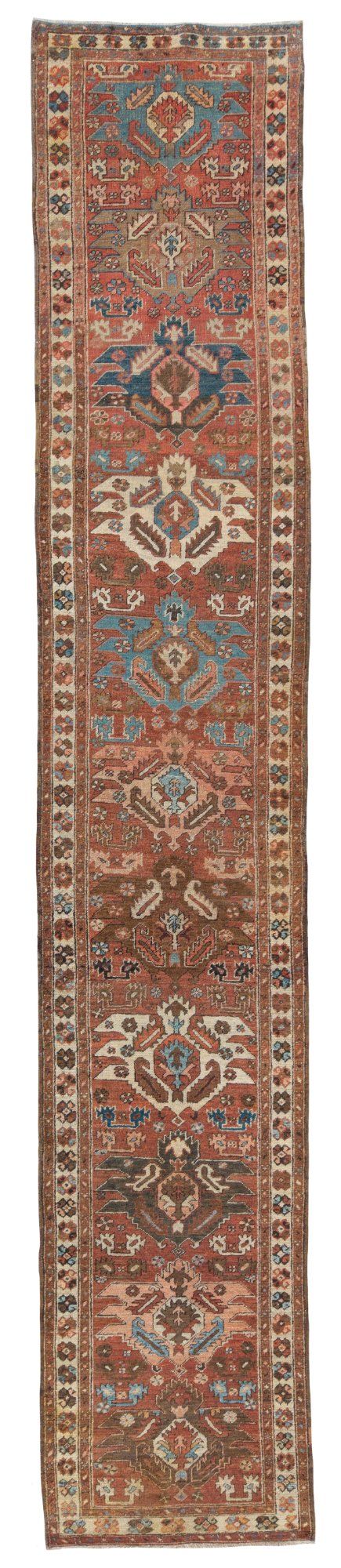
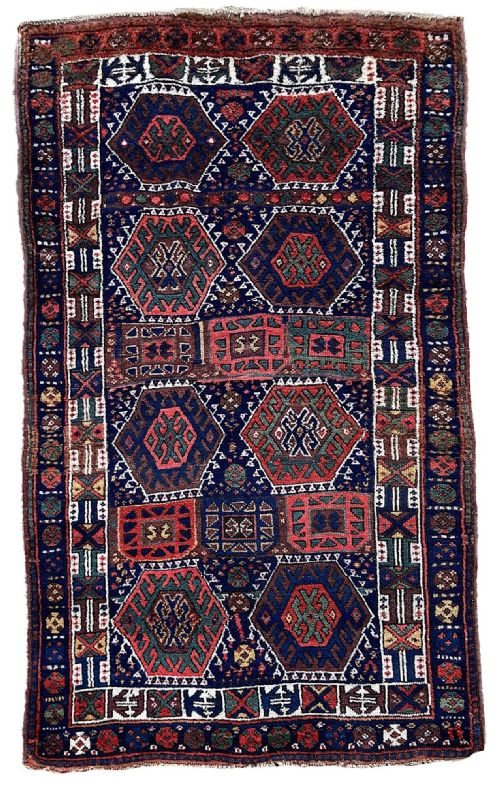


Antique Village Runner Rug
An antique village runner rug brings regional pattern and hand-spun wool into a long hallway.
Antique Village Runner Rug
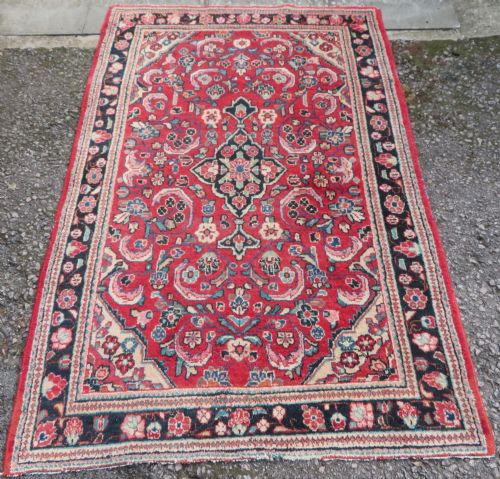
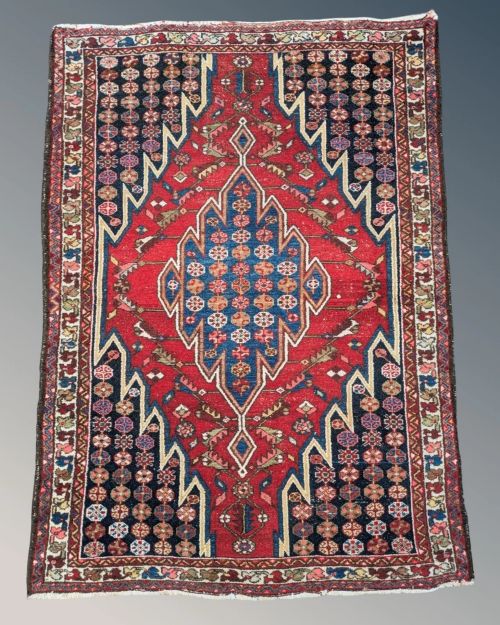
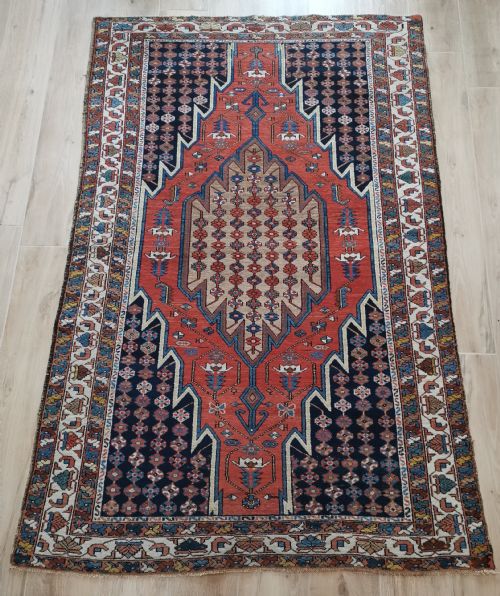
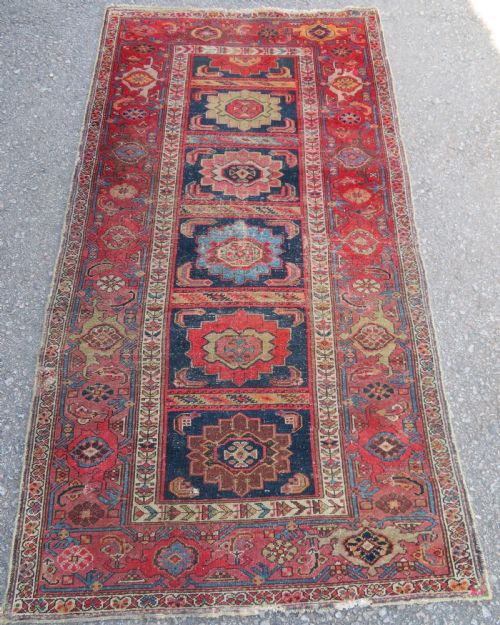
An antique village runner rug is a long, narrow floor covering woven in a regional settlement rather than a city workshop. These pieces draw on Persian tribal, Caucasian, Anatolian and Kurdish traditions to create distinct geometric and floral layouts.
The selections available span from the mid-nineteenth century through the 1930s, encompassing named origins such as Sarab, Heriz, Kurdish and Bakshaish. Buyers encounter narrow formats suited to corridors alongside broader village formats.
Each piece reflects the local weaving vocabulary of its district, combining traditional motifs with the personal choices of the maker. These runners bring substantial history and local pattern into domestic spaces.
Materials and construction
These textiles rely principally on wool and hand-spun wool, often paired with cotton foundations for stability in longer formats. Natural dyes provide the palette, yielding deep tones that age gracefully across decades of use.
Weavers utilised techniques handed down through generations, knotting wool onto warp and weft threads with notable density. Certain pieces incorporate camel hair in the pile or feature distinctive flatwoven kilim ends.
One surviving Caucasian Karabagh village rug preserves the actual signed name of the weaver woven directly into the wool.
Assessing quality
Quality rests in the handling of natural dyes and the crispness of the tribal geometry. Superior examples display vibrant, harmonious colour variation across the field without jarring shifts.
The integrity of the foundation and the density of the wool pile dictate durability. Well-preserved village runners maintain structural balance along the narrow edges and retain clear detail in medallions and borders.
The Antique Village Runner Rug Glossary
- Runner
- A long, narrow carpet format designed specifically for hallways, corridors and stairs. These pieces guide movement through domestic spaces.
- Natural Dyes
- Colourants derived from plants, roots and minerals rather than synthetic chemicals. They produce rich, nuanced shades that develop a soft patina over time.
- Medallion
- A central ornamental design motif placed in the middle of the rug field. Village weavers often render these in bold geometric shapes.
- Kilim Ends
- Flatwoven sections at the terminal ends of a pile rug, designed to prevent fraying. They frequently display supplementary colourful stripes or geometric bands.
- Pile
- The upright yarn surface of a rug formed by knotted loops of wool. Its thickness and density determine the texture and resilience underfoot.
Antique Village Runner Rug: Frequently Asked Questions
Where should I place a village runner?
These narrow formats work naturally in long hallways, corridors, kitchens and narrow entryways where traditional carpets are too wide.
They add structure and warmth to high-traffic transition spaces while protecting wooden floors.
How do I care for an antique wool rug?
Vacuum gently using suction attachment without a rotating brush roll to protect the vintage wool fibres.
Keep the rug out of direct sunlight to preserve natural dyes and rotate it periodically for even wear.
What is the difference between village and city rugs?
Village rugs are woven by independent makers in rural settlements, featuring geometric motifs and regional variations.
City carpets typically exhibit more formal, curvilinear designs planned on paper cartoons by master designers.
How do I identify the origin of a runner?
Origin is determined by specific structural traits, palette choices and distinctive border and medallion motifs tied to particular weaving districts.
Persian, Caucasian and Anatolian regions each employed unique structural signatures and local symbolism.