
Antique Vienna Cold Painted
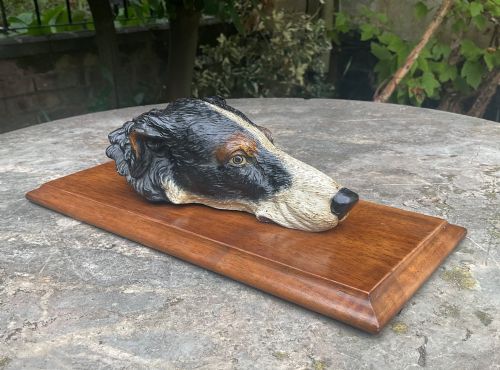
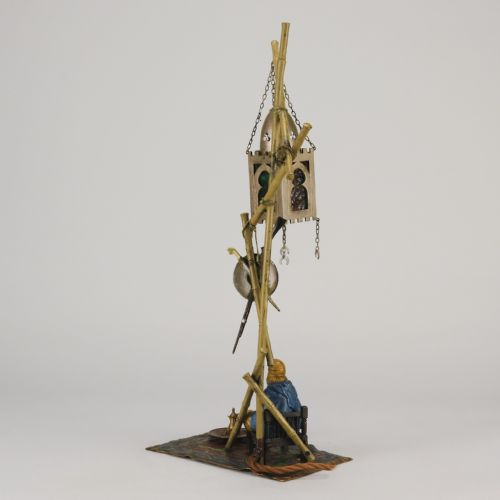
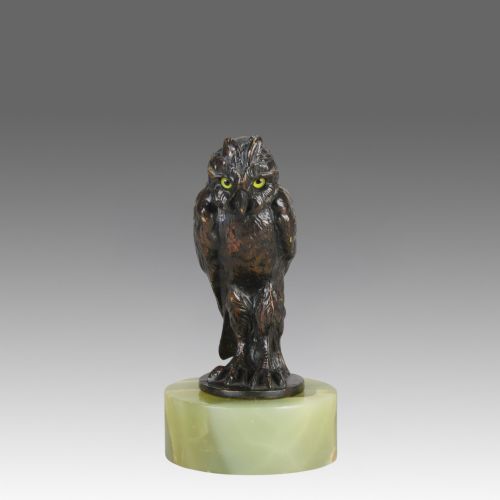
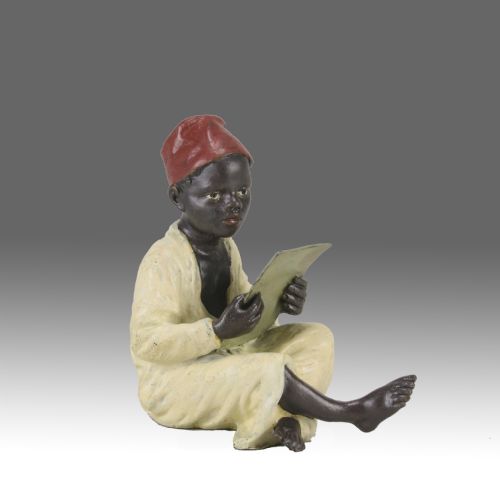
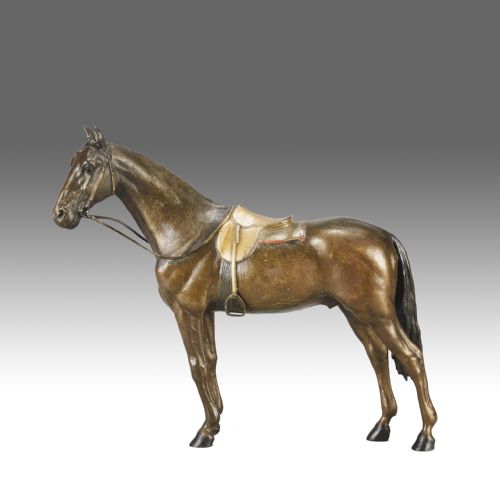
These antique vienna cold painted pieces bring cabinet-sized bronze animals, figures and desk accessories into focus with distinct character and rich colour.
Antique Vienna Cold Painted
When searching for antique vienna cold painted, collectors look at small sculptural bronzes, figurines and desk accessories originating from Austrian workshops. The pieces span the nineteenth and twentieth centuries, encompassing Victorian, Edwardian, Art Nouveau and Art Deco periods.
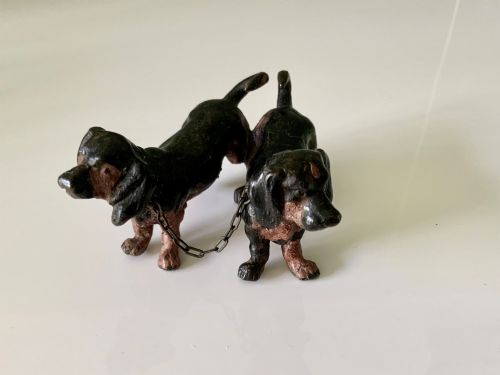
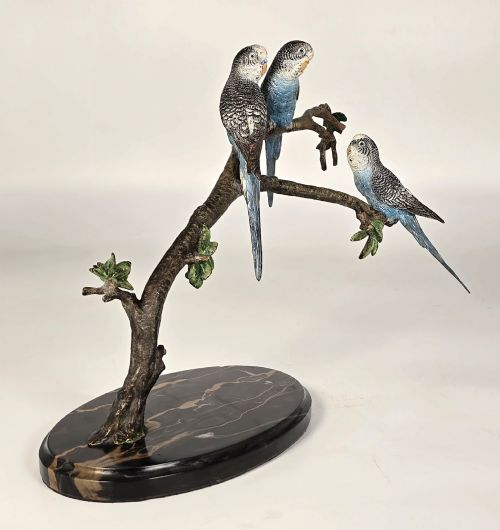
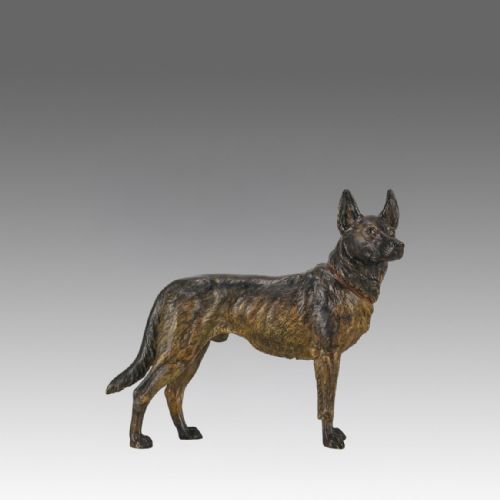
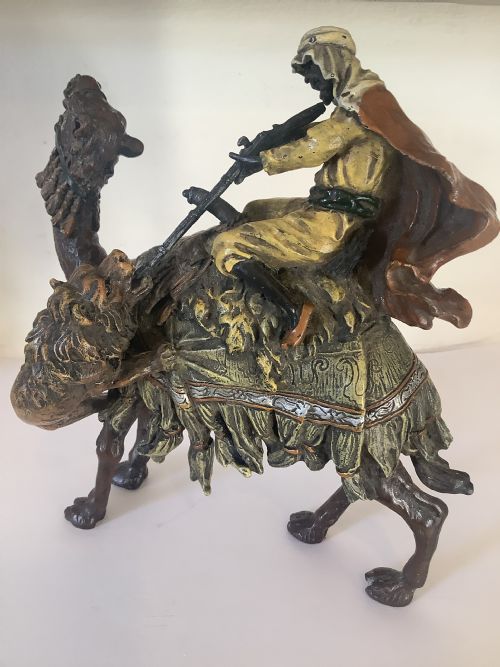
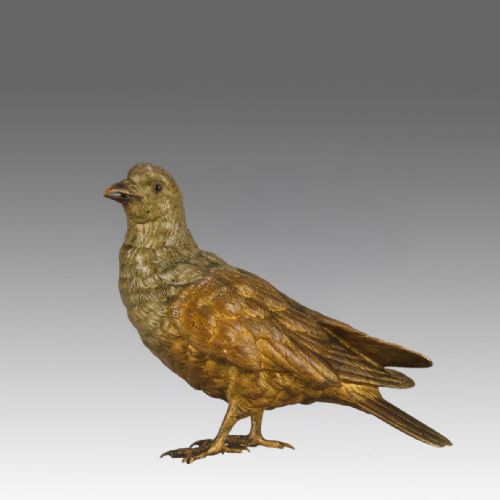
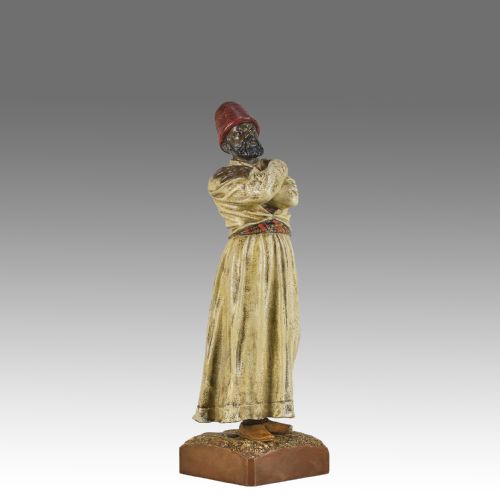
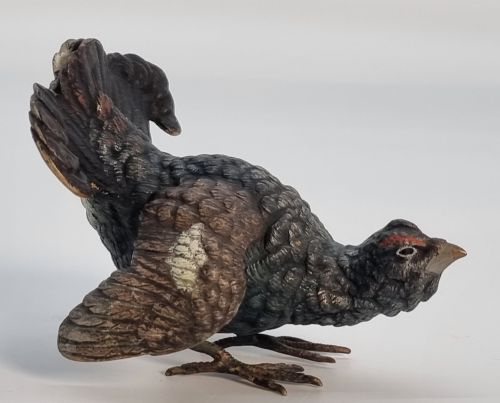
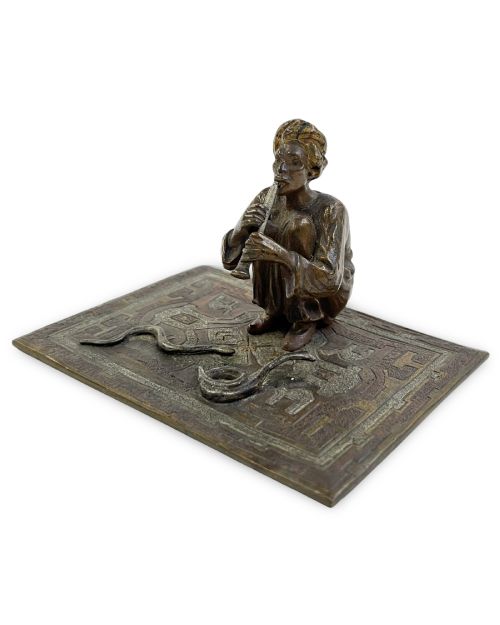
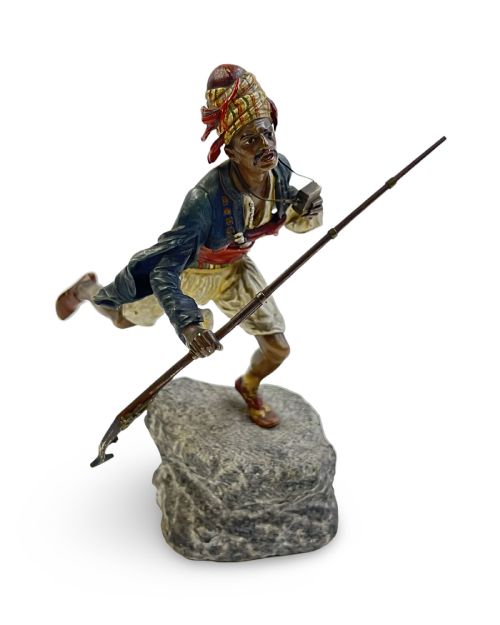
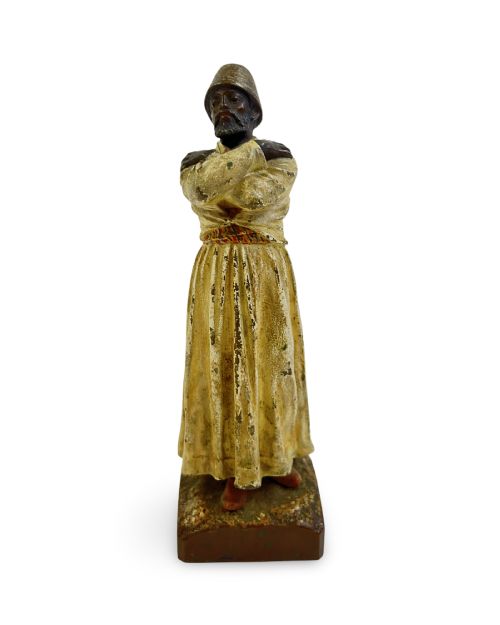
Animal studies dominate the selection, featuring dogs, birds and wild creatures alongside Orientalist human figures, lamps and inkwells. Most examples date from around nineteen hundred, capturing detailed subjects ranging from sporting dogs to narrative figures.
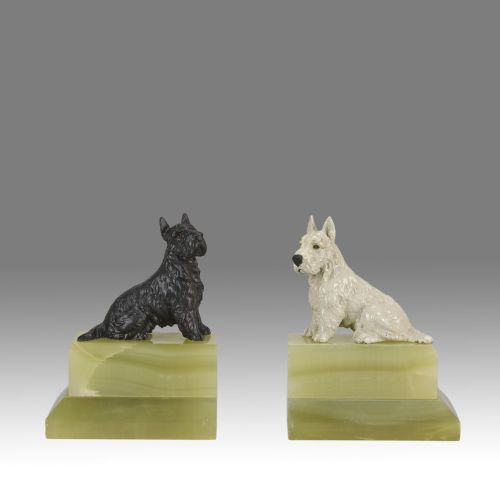
Desk accessories and bookends appear frequently among the listings, combining utility with decorative metalwork. Many items integrate marble or onyx bases to support the bronze subjects.
How they were made
The method relies on casting bronze objects before applying paint without subsequent kiln firing, which accounts for the descriptor cold-painted. Artisans use enamel or standard paint over the metal surface to render feathers, fur and garments with careful attention to tone.
Some works incorporate alternative materials such as terracotta alongside the primary bronze casting. Marble and onyx frequently serve as heavy mounting bases for animal studies and desk tidies.
Several pieces depict animals engaged in human pursuits, such as a dwarf miner with a giant crystal diamond or a cockerel holding a bucket.
What varies in quality
Quality rests upon the precision of the underlying bronze casting and the delicacy of the hand-applied paintwork. Finer examples display sharp anatomical detail in subjects like birds and hounds, whereas lesser pieces show softer contours and simpler surface decoration.
The survival of the original painted surface dictates much of the desirability among collectors. Pieces retaining their full polychrome scheme without extensive overpainting command greater interest than those with significant pigment loss.
Franz Bergman·Franz Xaver Bergman
The Antique Vienna Cold Painted Glossary
- Cold-painted bronze
- Bronze sculpture decorated with paint applied directly to the metal surface without firing. This technique produces matte, detailed coloration typical of Austrian workshops.
- Vienna bronze
- Small, naturalistic or Orientalist bronze figures produced in Austrian foundries during the late nineteenth and early twentieth centuries. These works often depict animals, birds or human figures in narrative poses.
- Orientalism
- An artistic style depicting themes and subjects from Middle Eastern and North African cultures. In metalwork, this translates into figures such as Arab boys, snake charmers and warriors.
- Geschutzt
- A German term meaning protected or registered, often found stamped on Austrian bronzes. It indicates that the design had legal protection against copying.
- Desk tidy
- A functional desk accessory featuring compartments for stationery, often incorporating cast bronze animal figures or built-in inkwells.
Antique Vienna Cold Painted: Frequently Asked Questions
What is cold-painted bronze?
Cold-painted bronze refers to metal sculptures finished with paint applied directly to the cold metal rather than fired in a kiln. This technique allowed artisans to achieve varied, matte surface colours on small animal and human figures.
The method leaves the pigment vulnerable to wear over time, making surviving original paint surfaces particularly valued by collectors. Most examples originate from Austrian foundries active around the turn of the twentieth century.
How were these pieces used?
Many objects served dual roles as decorative cabinet sculptures and functional desk items. Inkwells, bookends, lamp bases and desk tidies integrated miniature bronzes into everyday Victorian and Edwardian studies.
Other items were purely decorative, designed to sit on mantelpieces, bookshelves or display tables. Their small scale suited the interior aesthetics of the period.
How do I identify a Bergman piece?
Pieces from the Bergman foundry often bear specific stamped marks, such as a vase symbol or the signature of Franz Bergman. The subjects frequently include naturalistic animals, birds and Orientalist human figures.
Stylistic markers include expressive poses, detailed chasing on the bronze casting and distinctive multi-coloured paint schemes. Documentation and archival records also help confirm attribution.
How should I clean them?
Cleaning requires extreme caution to avoid removing the fragile cold-painted surface. Dusting gently with a soft, dry brush is generally the safest method for routine maintenance.
Water, solvents and abrasive cleaners must be avoided because they strip the original paint layers immediately. Professional advice should be sought if deeper cleaning becomes necessary.