



Antique Vide Poche
These antique vide poche pieces are practical pocket empties designed for keys and coins, offering a neat surface for daily essentials.
Antique Vide Poche
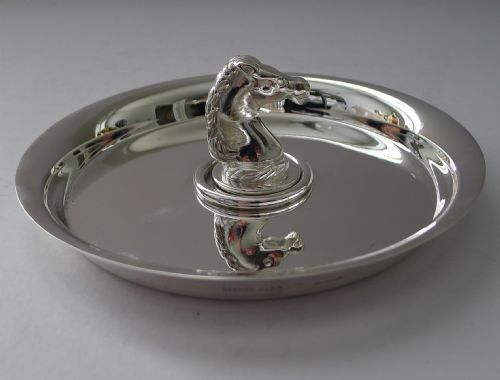
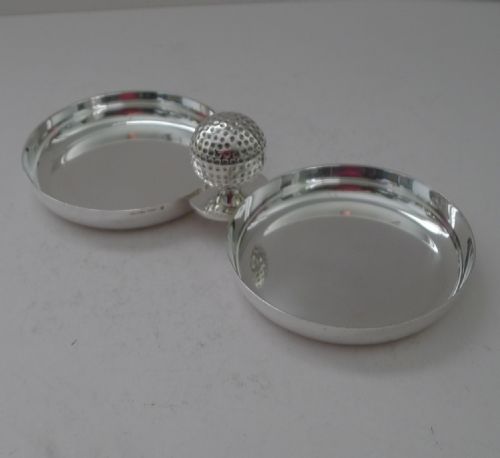
An antique vide poche serves as a small repository for the contents of pockets, translating literally from the French as empty pocket. These functional items appear in forms such as card trays, trinket dishes, and desk tidies designed to hold loose items on a hall table or desk.
The selections available here span from the nineteenth century into the art deco period, taking shapes like decorative dishes and figural bowls. French pieces from the nineteenth century sit alongside austrian cold painted bronzes and early nineteenth century mahogany tables used for the same purpose.
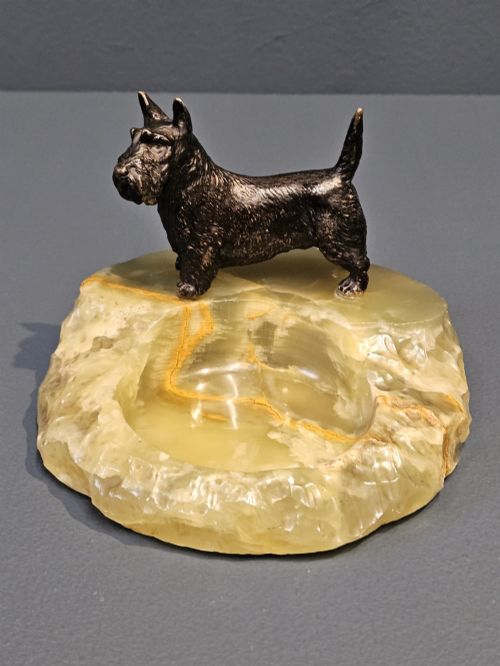
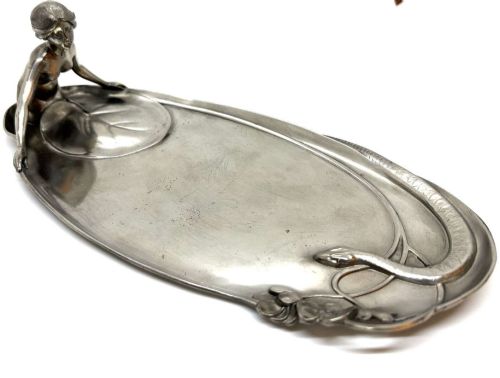
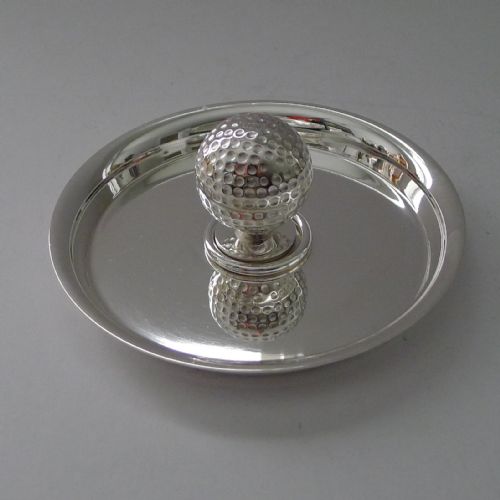
Most examples meet the eye as small trays or figural dishes, often incorporating bronze, porcelain, or onyx. Makers and sculptors utilised these forms to blend utility with the flowing lines of art nouveau or the geometric precision of the subsequent decade.
Materials and construction
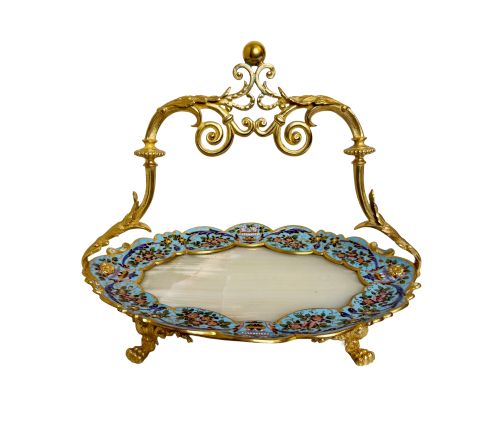
Metals form a major part of the construction, utilising bronze, gilt bronze, ormolu, and silvered pewter alongside copper and brass. Cold painting brings colour to bronze figures of animals and maidens, while champleve enamel adds patterned highlights to metal trays.
Antique Vide Poche Retail Price Guide 2026
Typical asking prices for vide poche among the pieces listed under this phrase on Sellingantiques today, from the lower quarter to the upper quarter. They describe what is for sale here now, not the wider market.
The listings span from the nineteenth century through the 1930s, encompassing regency, victorian, art nouveau, and art deco styles.
Distinctions in quality
Execution separates the ordinary from the exceptional, particularly in the crispness of cast bronzes and the detail found in cold painted animal or human figures. Finer pieces demonstrate careful hand-chiselling on ormolu and precise application of enamel work.
WMF·Tiffany and Co·Ferdinand Preiss·Georges Van Der Straeten·Josef Lorenzl·Royal Dux
The Antique Vide Poche Glossary
- Vide-poche
- A small dish or tray intended for emptying pockets of coins, keys, or cards. The term translates from French as empty pocket.
- Ormolu
- Gilt bronze created by applying finely ground gold-mercury amalgam to a bronze object, which is then heated. This technique gives a rich golden surface to decorative mounts and trays.
- Champleve enamel
- A technique where troughs or cells are hollowed out in the metal surface and filled with vitreous enamel before firing. It creates vibrant coloured patterns across bronze objects.
- Cold painted bronze
- A process where bronze sculptures are painted with oil-based paints rather than fired in a kiln. The finish remains delicate and requires careful handling.
- Chryselephantine
- A term describing statues made from a combination of bronze and ivory. Artists utilised this method during the art deco period for figural sculptures.
Antique Vide Poche: Frequently Asked Questions
What is an antique vide poche used for?
These small dishes and trays were originally placed in hallways or on desks to receive pocket contents like coins, keys, and calling cards at the end of the day.
Today they serve the same practical function while adding a decorative element to entryways, bedside tables, or living spaces.
How do I tell art nouveau from art deco pieces?
Art nouveau items display organic, flowing lines inspired by natural forms, frequently featuring figures of maidens with long hair, flowers, or serpents.
Art deco pieces shift towards geometric shapes, stylised figures, and streamlined metalwork characteristic of the interwar period.
What materials are common in these trays?
Metals predominate, including bronze, gilt bronze, ormolu, brass, and pewter, often paired with decorative elements like champleve enamel.
Other examples incorporate ceramics, porcelain, faience, and hardstones such as onyx, malachite, and blue John.
How should I care for cold painted bronze?
Cold painted pieces require dry dusting with a soft brush, as moisture or liquid cleaners will damage the oil-based paint surface.
Keep them away from direct sunlight and humidity to preserve the original colours applied by the makers.