




Antique Venice Artwork
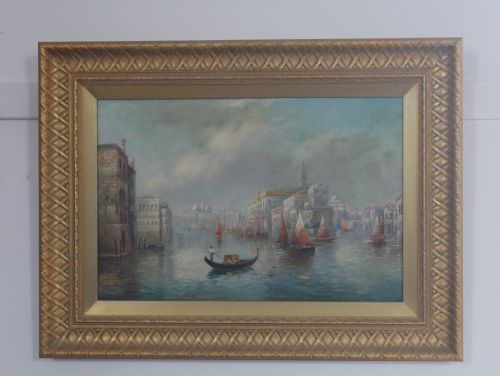
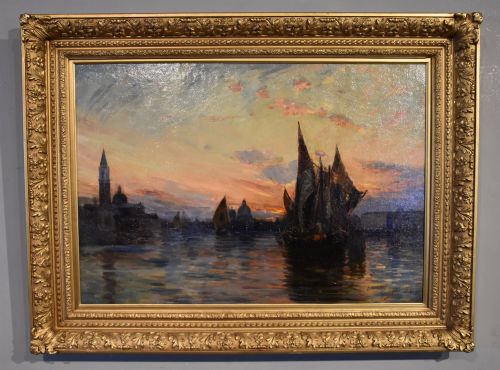
Antique venice artwork captures the light and canals of the lagoon in oils and watercolours from the nineteenth and early twentieth centuries.
Antique Venice Artwork
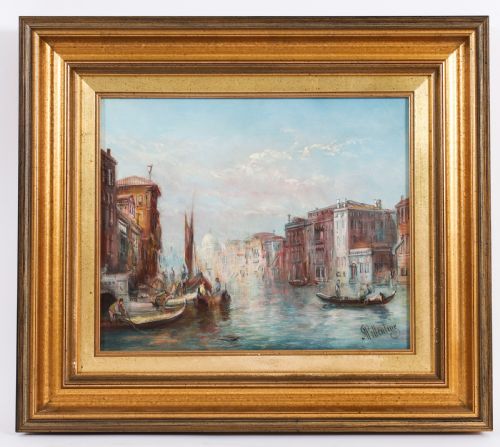
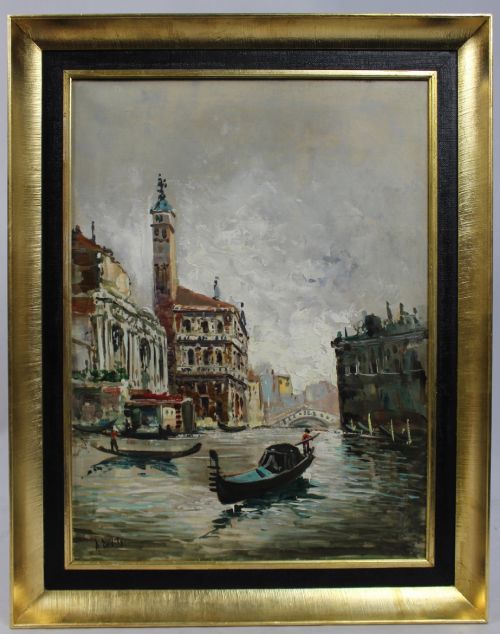
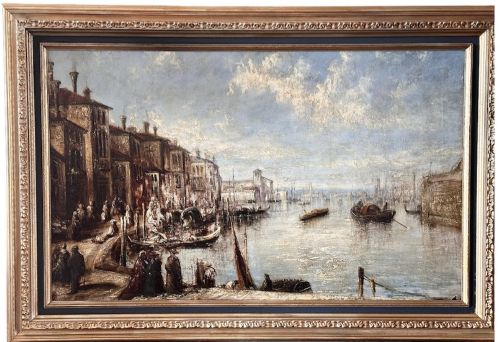
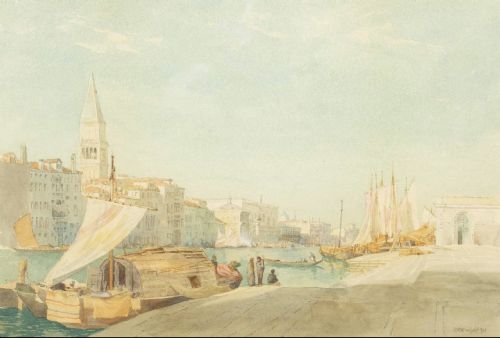
Buyers seeking antique venice artwork encounter framed paintings and watercolours depicting the Grand Canal, the Doge's Palace, and local waterways. These pieces originate predominantly from the nineteenth and early twentieth centuries, spanning Victorian and Edwardian periods.
Most examples date between the eighteen-eighties and the nineteen-thirties, reflecting both romantic and impressionist interpretations of the lagoon. Works range in scale from intimate watercolours to large oil paintings on canvas.
Materials and methods
Artists painted primarily with oil paint on canvas or applied watercolour to paper, utilising wood and gilded frames for presentation. Pigments capture the characteristic atmospheric light and shimmering reflections of the Venetian canals.
Works on paper employ transparent washes of watercolour, sometimes combined with pastel, gouache, or ink pen to define architectural details. Oil paintings utilise layered brushwork on stretched canvas or board to build depth in sky and water.
Listings feature works in oil and watercolour across the nineteenth and twentieth centuries, depicting iconic Venetian landmarks.
What defines quality in these paintings
Quality rests upon the artist's handling of light, perspective, and architectural accuracy within the lagoon setting. Superior works demonstrate confident brushwork and a sophisticated palette that convey the unique atmosphere of the city.
Condition of the canvas, paper, and original giltwood frame influences the integrity of the piece. Strong provenance and attribution to a recognised painter distinguish finer examples from anonymous studio output.
Alfred Pollentine·Francis Moltino·Jane Vivian·Thomas Hodgson Liddell·Clara Montalba·Hercules Brabazon Brabazon
The Antique Venice Artwork Glossary
- Grand Canal
- The main waterway running through Venice, featured frequently as the central subject in nineteenth-century paintings. Artists often positioned themselves on steps or bridges to capture the bustling boat traffic.
- Giltwood
- Wood carved and coated with gold leaf, commonly used for framing antique paintings. These ornate frames complement the nineteenth-century aesthetic of Venetian townscapes.
- Watercolour
- A paint consisting of pigment suspended in a water-based solution, applied to paper. It allows for translucent washes that suit the hazy light of the Venetian lagoon.
- Impressionism
- An art style characterised by relatively small, thin, yet visible brush strokes and an emphasis on accurate depiction of light. British and continental painters applied this approach to Venetian scenes.
- Townscape
- A painting or drawing representing a city street, canal, or architectural grouping. In this category, subjects focus on the palaces and historic monuments of Venice.
Antique Venice Artwork: Frequently Asked Questions
What periods do these paintings date from?
The available artworks date predominantly from the nineteenth and early twentieth centuries, spanning the Victorian and Edwardian eras. Painters travelled to Italy during this timeframe to record the architecture and light of the lagoon.
Dates range from the mid-nineteenth century through the nineteen-thirties, reflecting movements such as romanticism and impressionism.
Which subjects appear most frequently?
Landmarks along the Grand Canal dominate the imagery, including the Doge's Palace, the Bridge of Sighs, and Santa Maria della Salute. Gondolas and local boat traffic frequently populate the foreground of these scenes.
Artists also depicted the wider lagoon, lesser-known canals, and daily market activities in various weather conditions.
How should I display them at home?
These framed paintings and watercolours require placement away from direct sunlight and excessive moisture to protect the canvas, paper, and giltwood frames. Proper wall space allows the scale of the townscape to anchor a room.
Matching the period frame to traditional or transitional interiors enhances the visual impact of the artwork.
How do I identify different painting mediums?
Watercolour works appear on paper under glass, showing translucent washes and delicate handling of light. Oil paintings utilise textured brushstrokes on stretched canvas or board with a heavier surface presence.
Pastel and gouache offer opaque highlights and velvety textures on paper supports.