




Antique Venetian Table
An antique Venetian table brings sculptural drama and painted charm into a room, spanning grand giltwood consoles and figural stands.
Antique Venetian Table
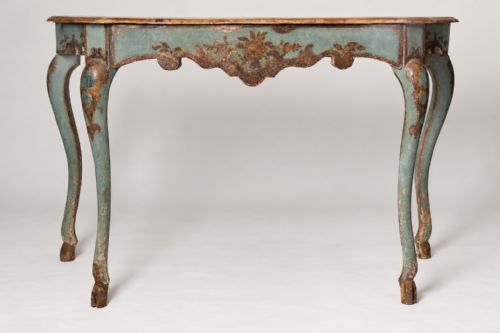
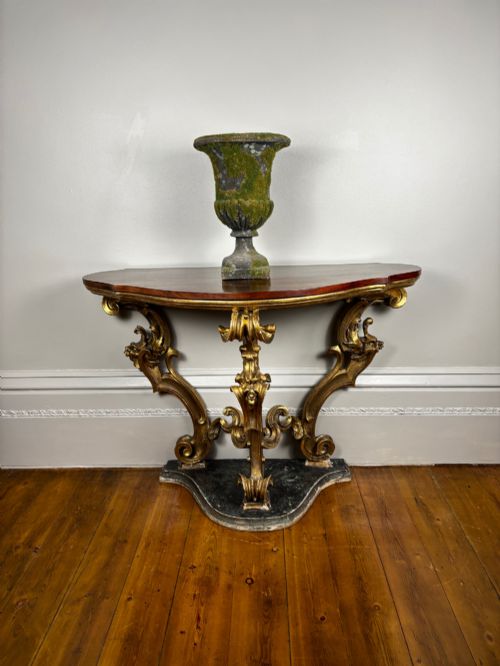
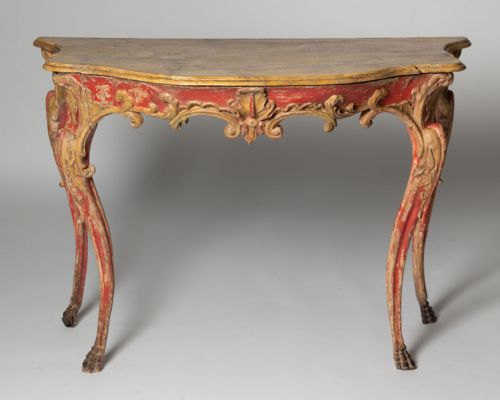
An antique Venetian table encompasses grand console tables, side tables, and figural stands originating from Italy across several centuries. You are most likely to encounter 18th-century giltwood consoles and 19th-century painted or carved pieces.
The materials and styles span Venetian Baroque, Rococo, and later revival periods, often featuring elaborate carving, polychrome paintwork, or gold leaf. Console tables and side tables dominate the selections alongside decorative pedestals.
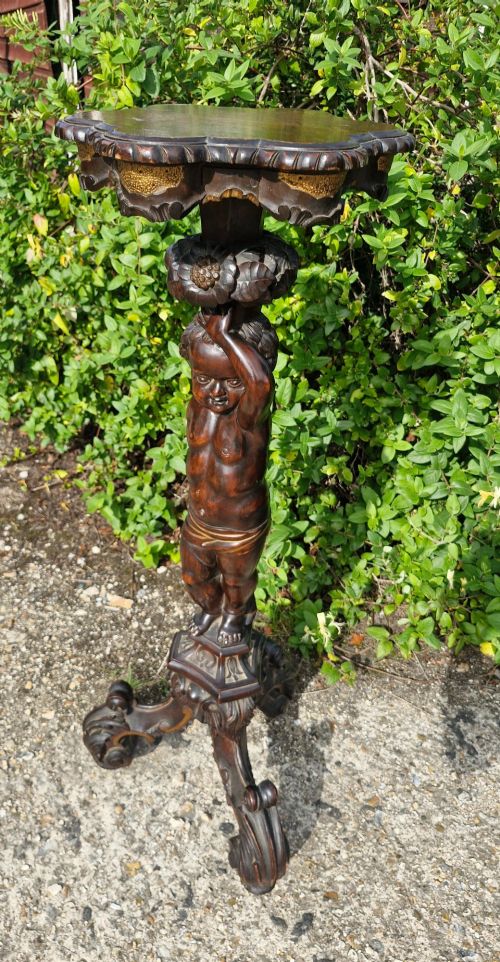
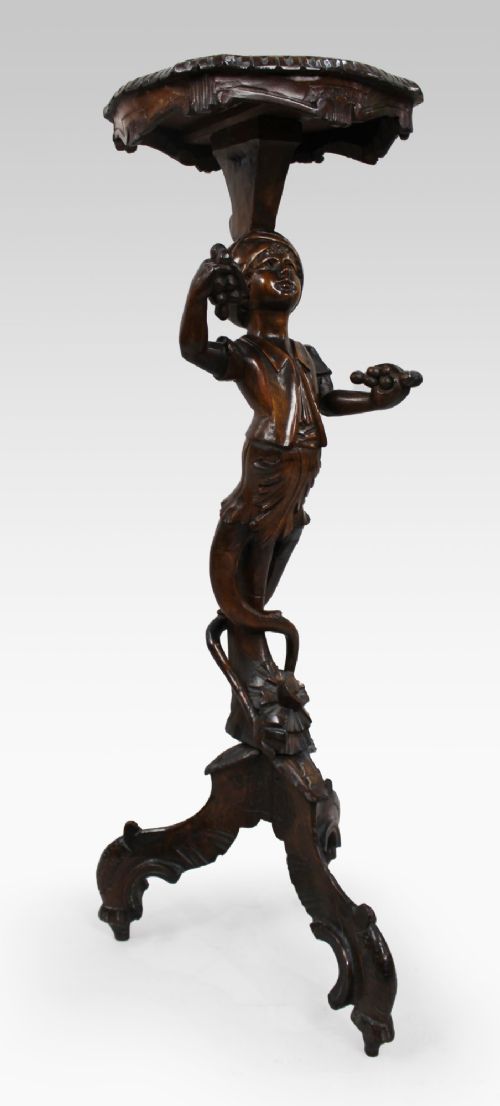
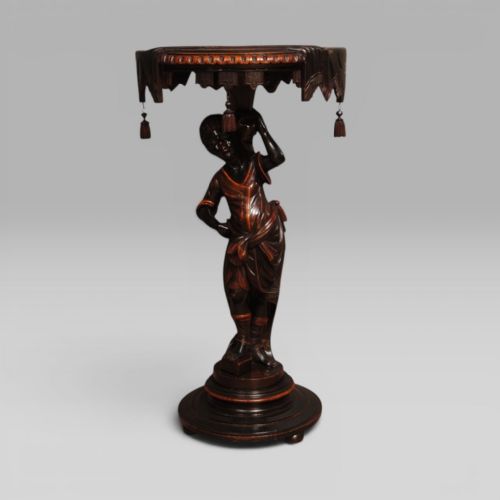
Earlier examples include travelling bureaux on tables from the early 18th century, while later 19th-century interpretations frequently incorporate blackamoor figures or painted side surfaces. Each piece reflects the decorative ambitions of Venetian interiors across eras.
Materials and construction
Carved wood forms the structural core of these tables, frequently finished with gesso and gold leaf or layered paint. Artisans shaped timber into serpentine forms, consoles, and figural supports.
Surface decoration relies heavily on polychrome paintwork, giltwood, and ebonised finishes to create depth and contrast. The application of gold leaf over gesso provides the luminous quality seen on baroque and rococo consoles.
Antique Venetian Table Retail Price Guide 2026
Typical asking prices for venetian table among the pieces listed under this phrase on Sellingantiques today, from the lower quarter to the upper quarter. They describe what is for sale here now, not the wider market.
Listings for this phrase include 18th-century giltwood consoles, 19th-century painted side tables, and carved figural stands spanning multiple decorative revivals.
Assessing quality and craftsmanship
The finesse of the wood carving and the crispness of the gesso preparation dictate the visual impact of a piece. Finer tables display deeply undercut carving and subtle modulation in the painted or gilt surfaces.
Proportion and the integration of figural elements define the hierarchy among stands and consoles. Superior examples maintain balanced posture and expressive detail in carved figures rather than mechanical execution.
The Antique Venetian Table Glossary
- Giltwood
- Wood that has been coated with gold leaf over a prepared gesso ground. This finish defines many grand Venetian console tables.
- Gesso
- A plaster mixture applied to wood surfaces to create a smooth base for gilding or painting. It allows for sharp relief in carved details.
- Serpentine
- A line or surface that curves outward and then inward, creating a gentle S-shape. It is a common profile for the tops and aprons of Venetian tables.
- Polychrome
- The practice of decorating architectural elements or furniture in a variety of colours. Painted Venetian furniture relies on this technique for floral and scenic motifs.
Antique Venetian Table: Frequently Asked Questions
What is a Venetian console table?
A Venetian console table is a decorative wall-mounted or freestanding table designed primarily for display rather than heavy utility. These pieces often feature elaborate carved frames with gilt or painted finishes.
They typically stood in grand hallways or reception rooms beneath mirrors or paintings. The form dates back to the baroque and rococo periods in Italy.
How do I date an antique Venetian table?
Dating relies on examining the construction timber, the composition of the gesso and paint layers, and the stylistic vocabulary. 18th-century pieces often show hand- carved asymmetry and organic rococo curves.
Later 19th-century revivals tend to employ heavier proportions and distinct surface ageing. Comparing the decorative motifs to documented periods helps establish a firmer timeline.
Where were Venetian tables placed?
These tables traditionally occupied principal rooms such as salons, antechambers, and grand corridors of Venetian palazzos. Console tables sat flat against walls beneath large mirrors.
Smaller side tables and figural stands served to hold lighting, ornaments, or vases. Their placement was designed to impress visitors entering the home.
Are blackamoor figures common on these tables?
Figural supports depicting human figures, often referred to in historical records as blackamoors, appear frequently in 19th-century Venetian stands and tables. These pieces combine carved and polychromed figures with functional table tops or pedestals.
They represent a specific Victorian and 19th-century taste for exoticism in European furniture design. The execution ranges from simple stands to elaborate polychrome sculptures.