






Antique Venetian Figure
An antique venetian figure brings dramatic Italian presence to a room, ranging from carved wood stands to bronze musicians.
Antique Venetian Figure
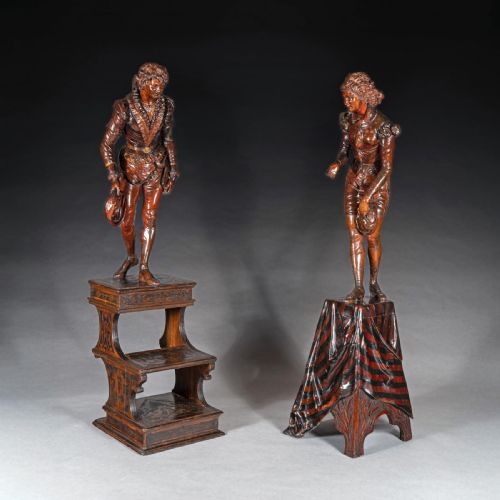
When you search for an antique venetian figure, you encounter carved and painted wood sculptures, torchere stands, candlesticks, and oil paintings originating from Italy across the eighteenth and nineteenth centuries. These pieces frequently take the form of blackamoor figures, gondoliers, lions of Saint Mark, and classical musicians designed to serve decorative or functional roles in domestic interiors.
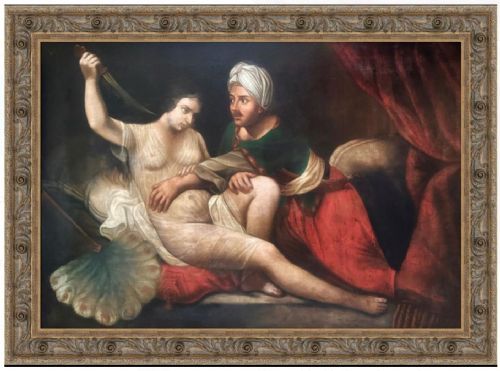
The versions most commonly met on this page include nineteenth-century carved wood figures finished with polychrome paint and gold leaf, often mounted on pedestals or integrated into tables and plant stands. Alongside these sculptural works, eighteenth- and nineteenth-century oil paintings depicting masquerades, religious scenes, and commedia dell'arte characters appear frequently in the selection.
The styles span Venetian Baroque, Victorian adaptations, and Neoclassical Grand Tour souvenirs produced in bronze, marble, and walnut. Whether standing as a pair of candelabras or rendered as a single waiter figure, each piece reflects the decorative tastes of nineteenth-century European interiors and earlier Italian traditions.
Materials and construction
Carved wood forms the backbone of these pieces, utilising walnut, ebonised wood, and gesso to build elaborate sculptural bodies and stands. Artisans applied polychrome paint and gold leaf directly onto the timber surfaces to achieve rich, decorative finishes that have aged over the decades.
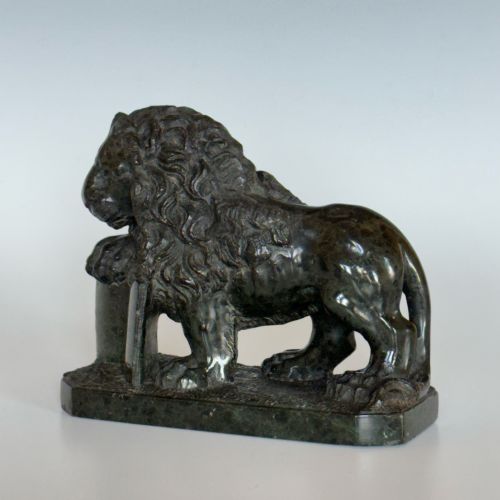
Bronze and cast brass appear in sculptural figures and candlesticks, utilising traditional casting methods associated with nineteenth-century workshops and Grand Tour production. Serpentine marble is also employed for specific sculptural subjects, such as the Lion of St Mark.
Oil paintings on board and canvas employ traditional pigments and stretcher construction, capturing subjects ranging from portraiture to theatrical scenes by artists and schools active in Italy and broader Europe.
A gondolier figure stands ready to pole across your hallway floor.
Assessing quality and execution
The structural complexity of the object also dictates its standing, particularly where figures integrate with functional items like torchere stands, tables, or candelabras. Pieces demonstrating balanced proportions, secure joinery, and well-preserved parcel-gilt details represent the upper end of what is available from this period.
Valentino Besarel·Richard Geiger
The Antique Venetian Figure Glossary
- Polychrome paint
- Decoration executed in multiple colours, frequently applied over a gesso ground on carved wooden sculptures to imitate rich fabrics and flesh tones.
- Torchere
- A tall ornamental stand or candlestick designed to hold a light source, often shaped as a human figure in nineteenth-century Venetian pieces.
- Gesso
- A plaster mixture applied to wood surfaces to create a smooth base for gilding and painting.
- Commedia dell'arte
- A form of theatre originating in Italy featuring masked stock characters, frequently depicted in nineteenth-century European paintings.
- Grand Tour
- A cultural journey of Europe undertaken by upper-class young men in the eighteenth and nineteenth centuries, resulting in the acquisition of souvenirs like bronze lions and marble carvings.
Antique Venetian Figure: Frequently Asked Questions
What rooms suit an antique venetian figure?
These decorative works suit entrance halls, drawing rooms, and studies where tall torchere stands or sculptural candlesticks create a strong focal point. They function well as standalone pieces of furniture or as companion pairs flanking a doorway or fireplace.
Smaller bronze figures and framed oil paintings fit easily onto console tables or gallery walls, allowing them to integrate into both traditional and eclectic modern interiors.
How were these figures used originally?
Many of these pieces served practical functions in nineteenth-century homes, acting as torchere stands to hold lighting, as table bases, or as candlesticks and waiters for holding visiting cards. Larger carved wooden figures were commissioned to illuminate rooms or display decorative objects.
Paintings and smaller bronze sculptures served aesthetic and educational purposes, reflecting classical themes, religious narratives, and theatrical traditions popular during the Grand Tour era.
How can I tell the period of a carved figure?
Dating relies on examining the wood type, tool marks, the composition of the underlying gesso, and the ageing of the polychrome paint and gold leaf. Nineteenth-century examples often employ walnut or ebonised wood with distinct regional Italian characteristics.
Stylistic cues, such as Victorian interpretations of Venetian Baroque forms or Neoclassical details associated with Grand Tour souvenirs, help narrow down the decade of production between the early nineteenth and early twentieth centuries.
Are these pieces made of solid wood?
Most sculptural figures and stands are carved from solid timbers such as walnut or softer woods suitable for detailed shaping and gesso application. Larger architectural elements may utilise built-up sections joined together before receiving their final painted and gilded finishes.
Checking the underside or interior joinery reveals the construction methods used by nineteenth-century workshops.