
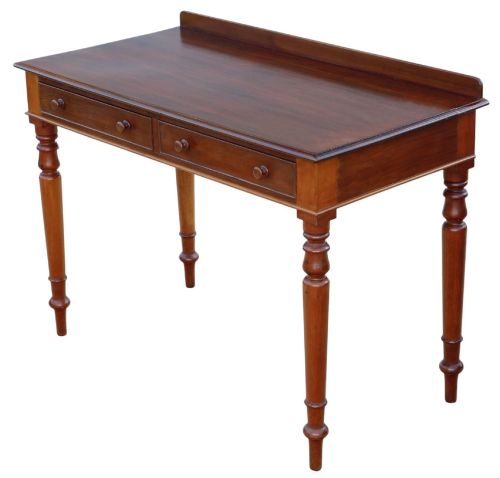
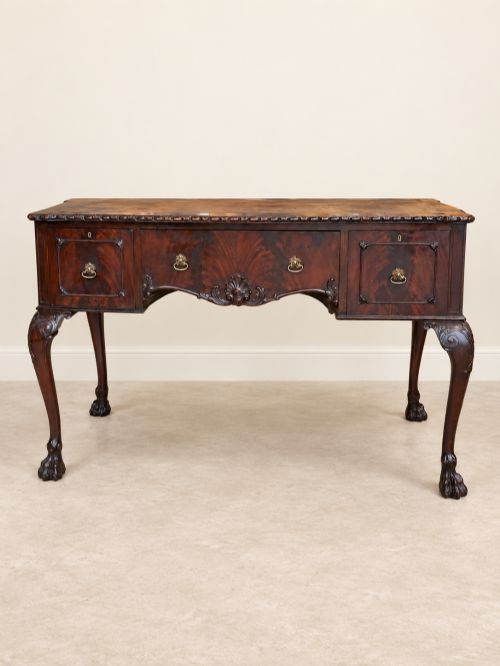
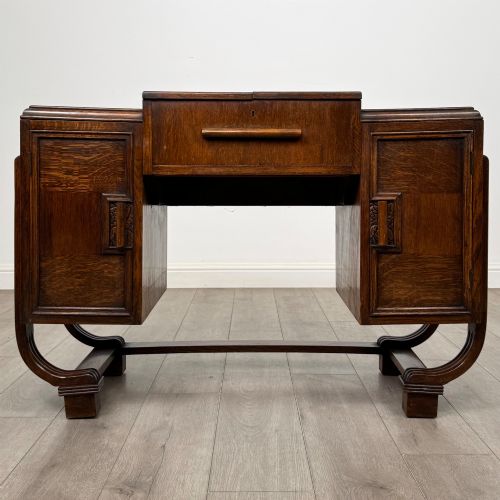
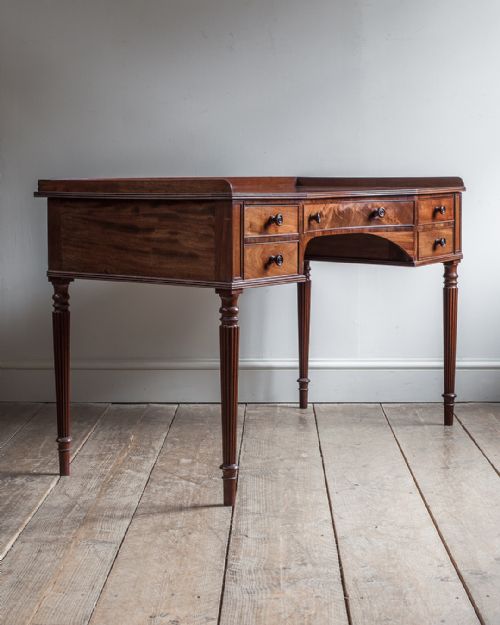
Antique Vanity Writing Table
An antique vanity writing table bridges the practical demands of correspondence and the private rituals of the morning.
Antique Vanity Writing Table
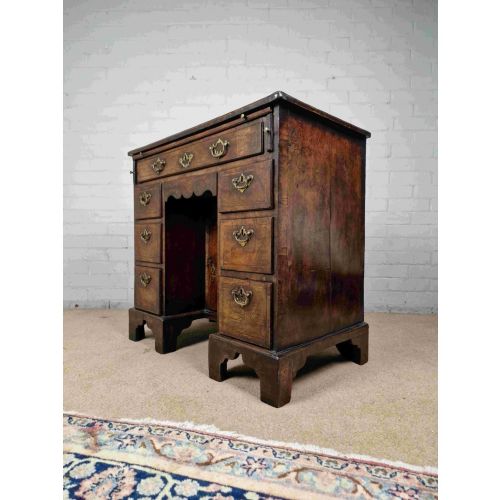
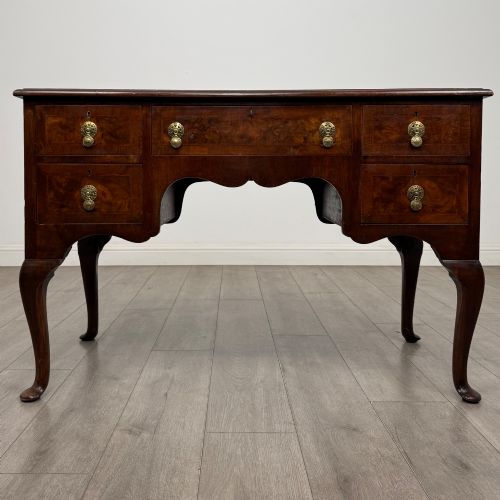
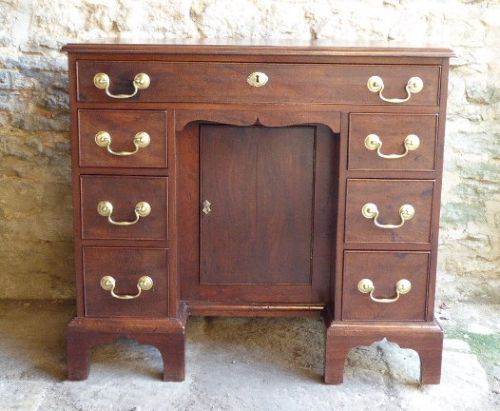
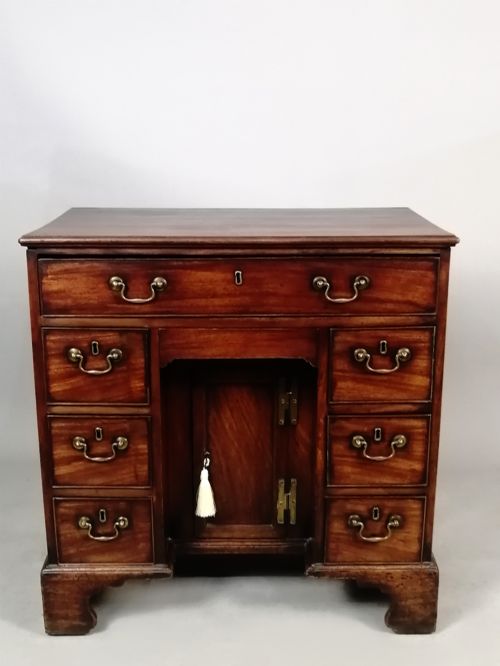
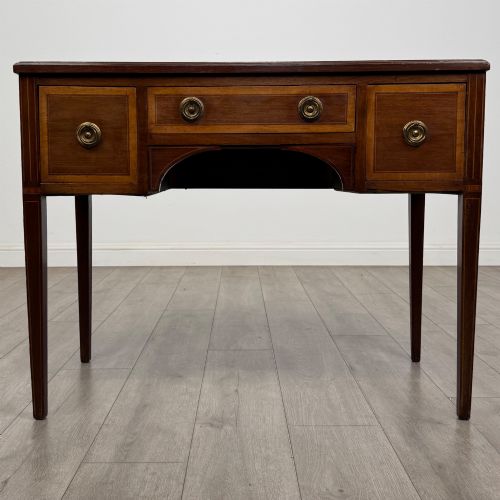
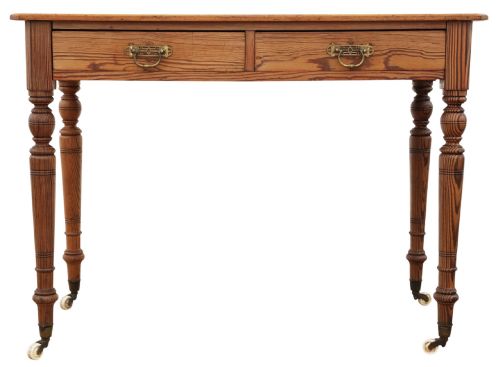
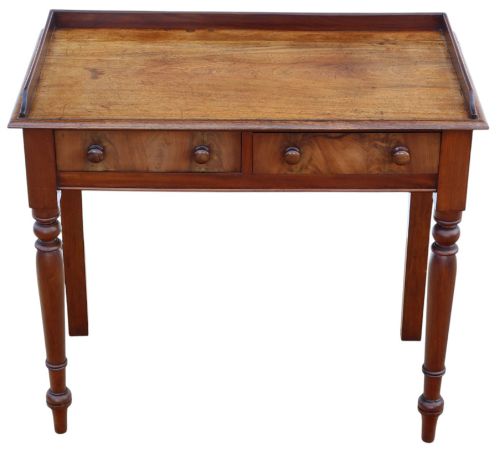
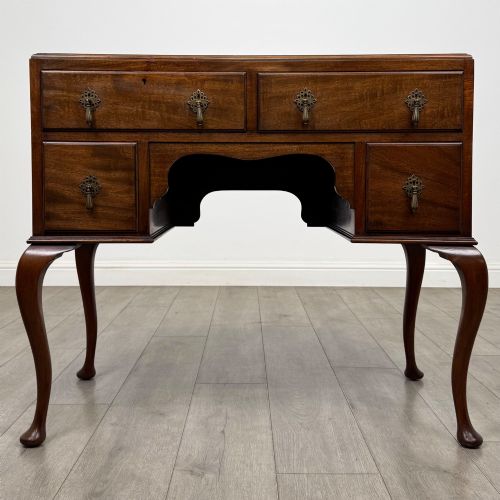
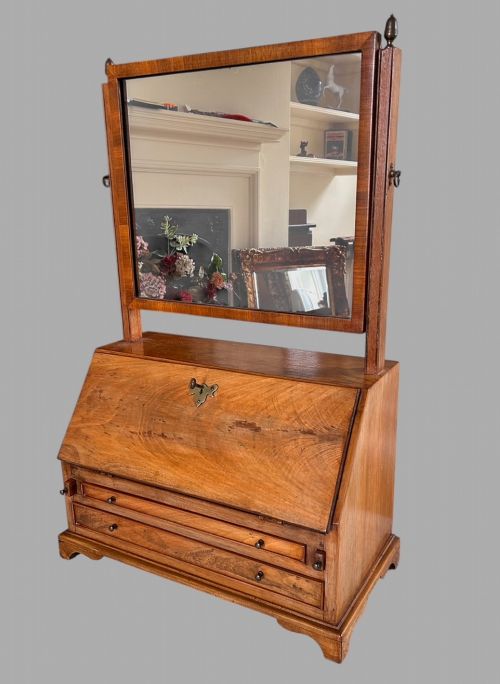
When you search for an antique vanity writing table, you encounter pieces designed to serve as both a writing desk and a dressing table. The listings here include dual-purpose forms from the eighteenth, nineteenth, and early twentieth centuries that combine drawers, writing surfaces, and sometimes integrated mirrors.
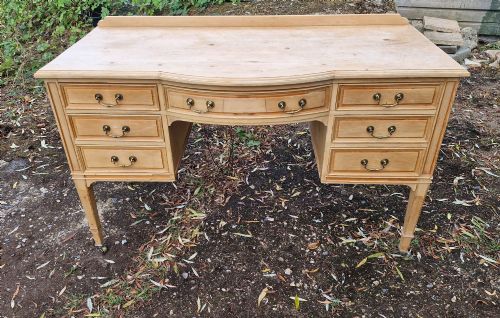
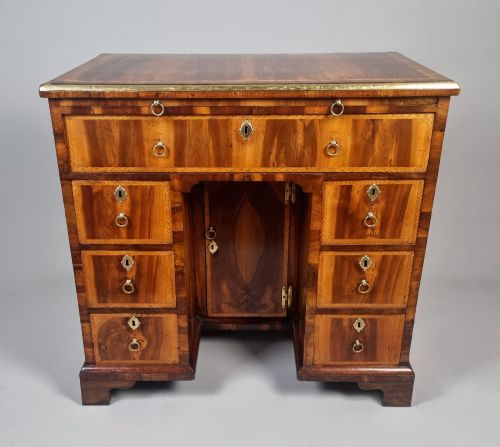
Mahogany and walnut predominate among these hybrids, alongside oak, satinwood, and pine. You find forms ranging from Georgian lowboys and Regency dressing chests to Edwardian kneehole tables and Art Deco pedestal desks.
Many examples trace their lineage to specific historical revivals, displaying Queen Anne, Sheraton, or Regency design idioms. Their dual functionality reflects a period when furniture pieces often served multiple domestic purposes within a single room.
How they were made
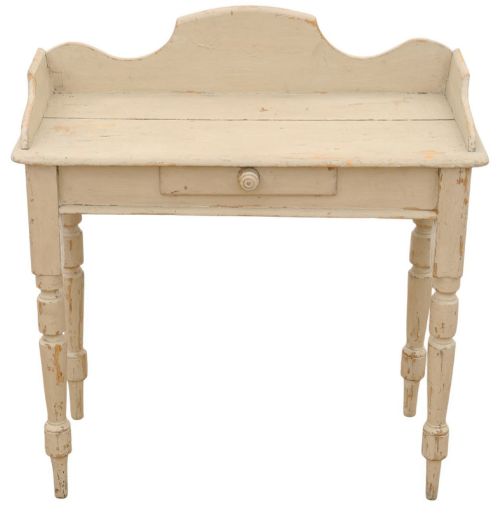
Cabinetmakers constructed these tables using dense timbers such as mahogany, oak, and walnut, frequently applying burr walnut or satinwood veneers to create decorative surface grain. Solid pine and painted finishes appear on simpler or more utilitarian chamber pieces.
Joinery techniques relied on traditional dovetailed drawer construction and mortise and tenon framing to ensure structural longevity. Hardware such as original brass handles and green tooled leather inserts complete the construction of the writing surfaces.
Listings span the eighteenth, nineteenth, and twentieth centuries, encompassing Georgian, Regency, Victorian, Edwardian, and Art Deco periods in mahogany, walnut, oak, and satinwood.
What varies in quality
The distinction between standard domestic furniture and exceptional cabinet work rests in the selection of timber and the fineness of the veneer figures. Figured burr walnut, matched mahogany grains, and delicate satinwood inlay elevate certain pieces significantly above plain pine or standard mahogany.
Original hardware, untouched brasses, and retained leather writing surfaces preserve the integrity of a piece. The crispness of carved details, such as those found on Queen Anne style cabriole legs or Georgian lowboys, separates basic execution from master craftsmanship.
Heal and Son·Wylie & Lochhead Glasgow
The Antique Vanity Writing Table Glossary
- Lowboy
- A small side table or dressing table with one or more rows of drawers, common in the eighteenth century. They frequently sat in bedrooms or dressing rooms for personal grooming.
- Kneehole
- A desk or dressing table featuring a central recess for the legs, flanked by pedestals of drawers. This configuration allowed the user to sit comfortably close to the writing or grooming surface.
- Tooled leather
- Leather decorated with blind or gilt tooling applied to the top of a writing table. It provided a smooth, durable surface for ink writing.
- Serpentine front
- A furniture front curving outward in the centre and inward at the sides. This shape required considerable skill from the cabinetmaker.
- Chinoiserie
- European imitation of traditional Chinese artistic styles, often featuring lacquered surfaces and gilt motifs. It appears on select late nineteenth-century dressing pieces.
Antique Vanity Writing Table: Frequently Asked Questions
What is an antique vanity writing table?
These pieces combine the surface of a desk with the storage and mirror arrangements of a dressing table. They emerged to serve domestic spaces where dual functionality saved valuable floor area.
Craftsmen built them across various periods, from eighteenth-century Georgian lowboys to Edwardian and Art Deco walnut desks.
How do I tell a writing table from a dressing table?
Many examples on this page served both functions interchangeably, featuring drawers for papers alongside space for grooming items. True writing tables often prioritise a deep leather inset, while dressing variants may incorporate compartments or attached mirrors.
Inspect the internal drawer construction and surface inserts to understand the primary intended use of the specific piece.
What woods were used for these tables?
Mahogany and walnut form the backbone of the selection, frequently enhanced by figured burr walnut or satinwood veneers. Oak and pine appear in Georgian lowboys and Edwardian chamber pieces.
Cabinetmakers matched these sturdy structural timbers with decorative veneers to create contrasting patterns on the top surfaces and drawer fronts.
How do I care for a leather writing surface?
Keep the tooled leather insert away from direct sunlight and excessive moisture to prevent drying and cracking. Regular dusting with a soft, dry cloth preserves the gilt tooling.
Condition the leather sparingly with appropriate neutral balms if the material begins to show signs of dryness over time.
Can I use an antique vanity writing table daily?
Solid construction in hardwoods like mahogany and oak makes these tables suitable for regular modern use. Their compact proportions allow them to function effectively as modern laptop desks or bedroom dressing stations.
Ensure that you protect any antique wooden or leather top with appropriate pads if undertaking heavy writing tasks.