
Antique Vanity Table Drawers
These antique vanity table drawers bring together centuries of timber craftsmanship and functional domestic design for storing small personal effects.
Antique Vanity Table Drawers
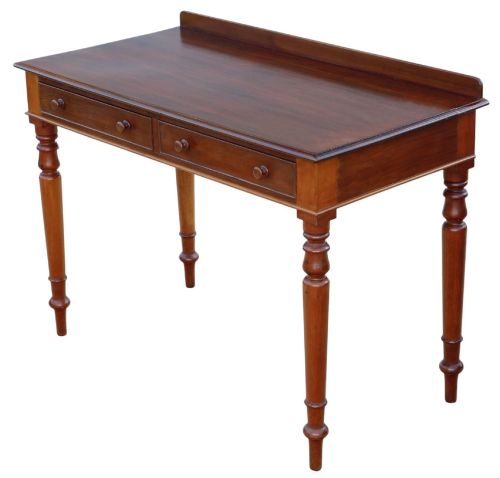
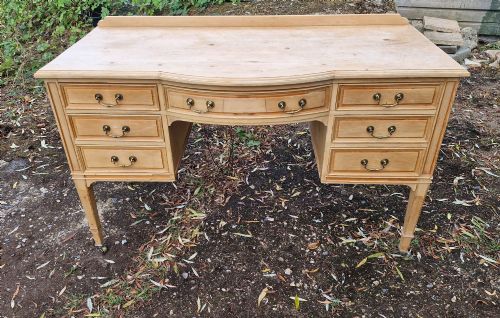
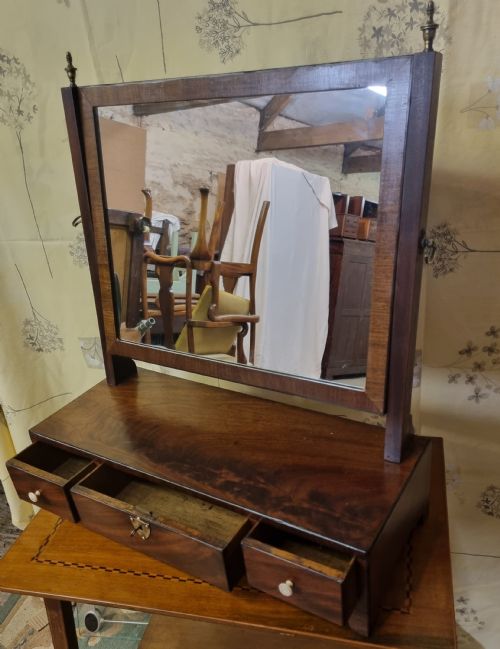
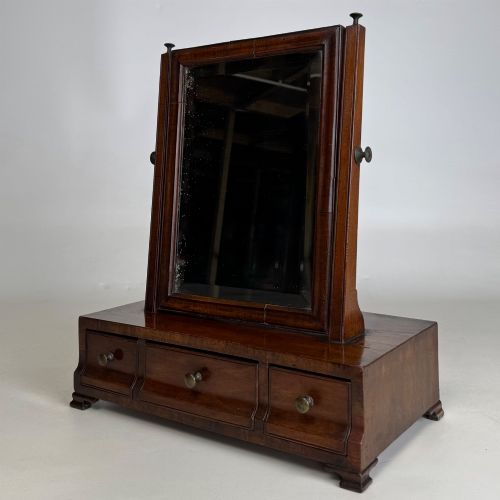
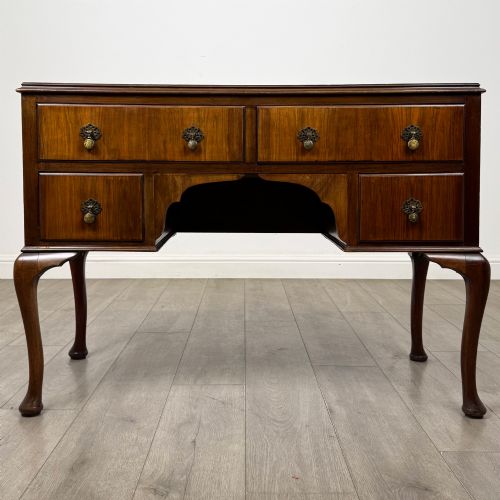
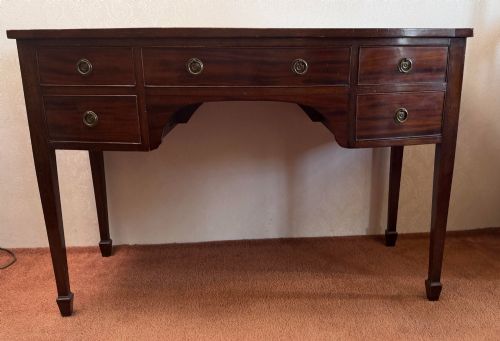
When you search for antique vanity table drawers, you encounter a specialised selection of furniture built to hold grooming equipment and personal accessories. The inventory spans compact toilet mirrors with small compartments to full dressing chests, writing tables, and lowboys.
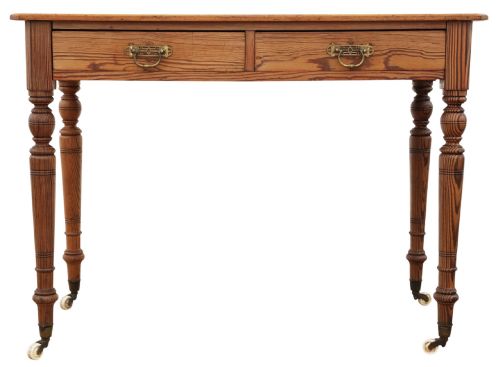
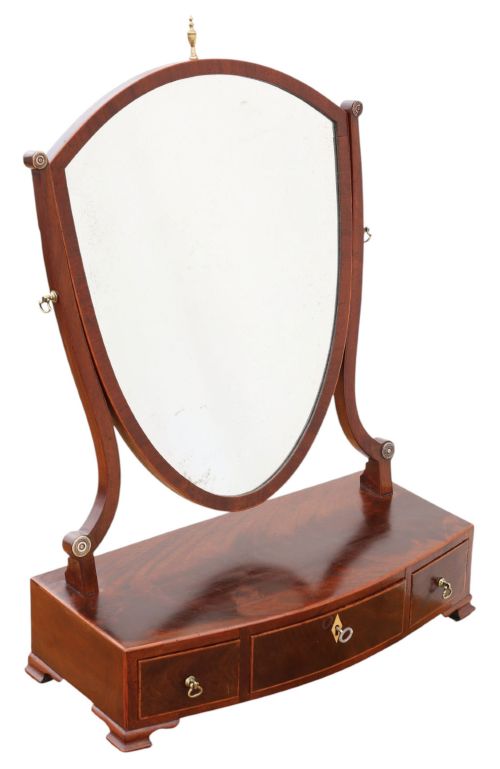
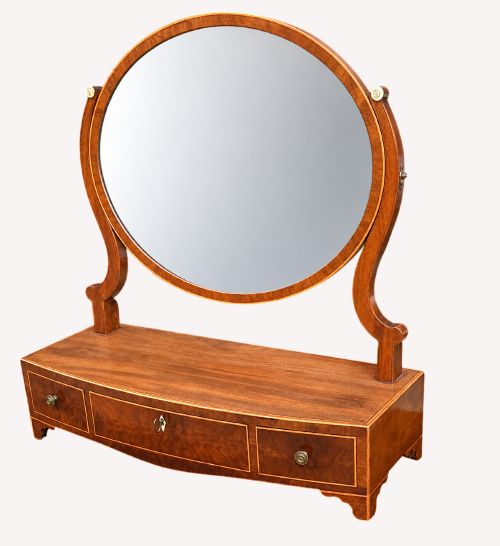
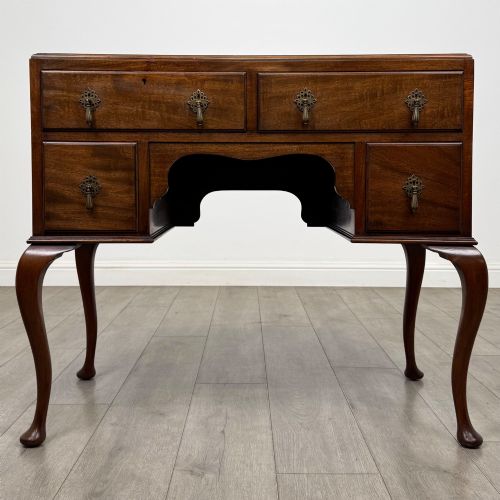
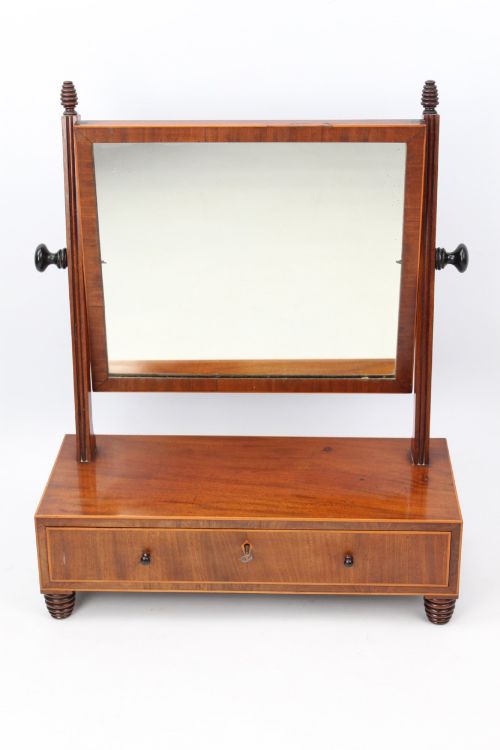
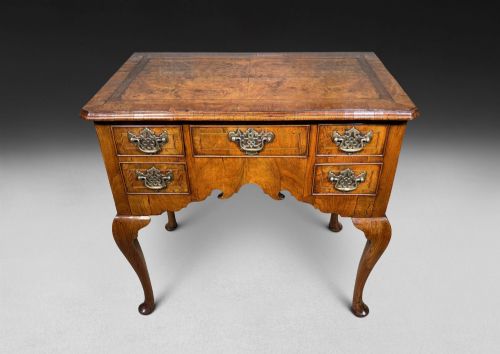
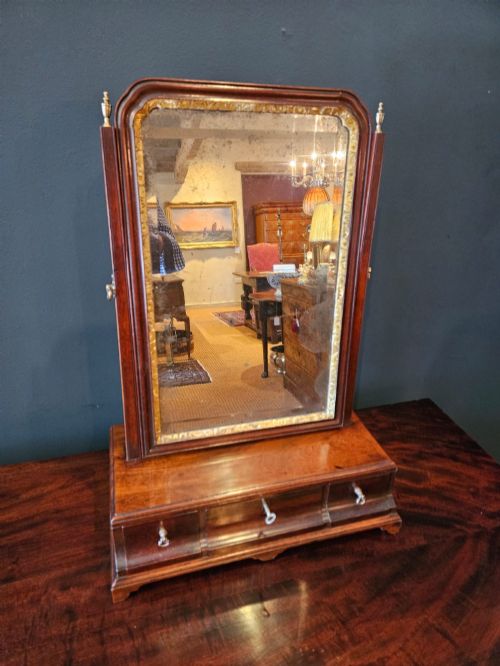
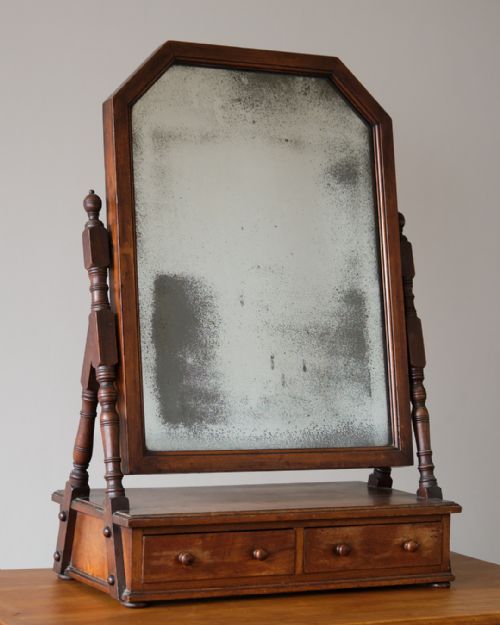
The pieces on this page originate from diverse eras ranging from the 18th century through the Edwardian period and the 1920s. Common forms include swing mirrors fitted with box bases, kneehole writing tables, and lowboys containing integrated storage.
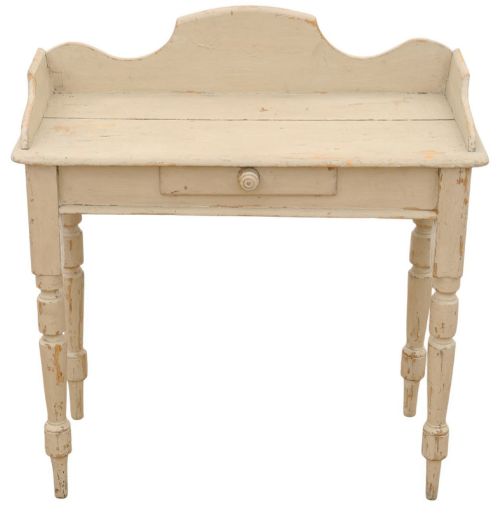
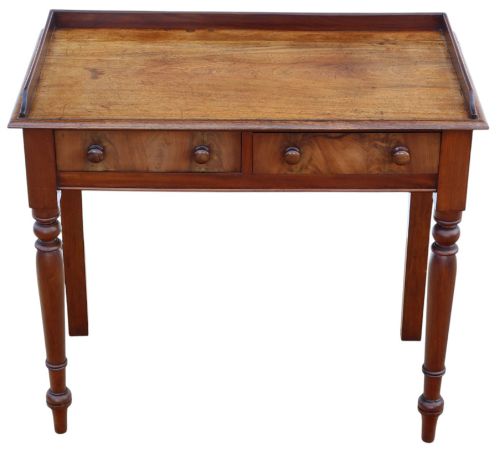
Georgian and Regency examples sit alongside Victorian and Edwardian variations constructed from traditional British hardwoods. Each item combines a surface for dressing or writing with practical compartment space.
How they were made
Cabinet makers relied primarily on solid mahogany, walnut, and oak, frequently utilising pine for secondary framing and drawer linings. Surface decoration often involved figured veneers, burr walnut, and crossbanding to enhance the visual depth of the timber.
Brass hardware such as swing handles, escutcheons, and adjusting screws were standard fittings on period drawer assemblies. Mirror glass was housed within pivoting frames supported by upright arms atop the main drawer box.
Listings feature mahogany, walnut, oak, and pine across pieces spanning the 18th, 19th, and early 20th centuries.
What varies in quality
Construction standards depend heavily on the selection of timber and the precision of the joinery used in the drawer boxes. Finer pieces display carefully matched grain patterns, hand-cut dovetails, and original brass fittings rather than later replacements.
The integrity of the mirror glass and the stability of the pivoting mechanism determine the preservation level of table mirrors. Superior examples maintain their original polished surfaces, unwarped frames, and structurally sound carcases without excessive timber shrinkage.
Heal and Son·Frank Taylor and Co·Maple and Co·George Walton
The Antique Vanity Table Drawers Glossary
- Lowboy
- A small side table with one or more rows of drawers, commonly used as a dressing table in the 18th century. It typically stands on slender cabriole or straight legs.
- Toilet Mirror
- A small mirror mounted on a pivoting frame above a box base containing one or more small drawers. These pieces sat upon chests of drawers or dedicated dressing tables.
- Kneehole
- A desk or dressing table design featuring a central recess for the user's legs, flanked by banks of small drawers. This layout became popular during the Georgian period.
- Crossbanding
- A narrow strip of veneer applied perpendicularly to the grain of the main surface to create a decorative border. It frequently frames drawer fronts on high-grade furniture.
- Dovetail
- A traditional wood joint formed by interlocking wedge-shaped fingers, prized for its tensile strength. Hand-cut dovetails indicate older cabinet-making methods.
Antique Vanity Table Drawers: Frequently Asked Questions
What is a lowboy?
A lowboy is a small occasional table fitted with drawers beneath the work surface, originating in the 18th century for personal grooming.
These versatile items often served as dressing tables or side tables before evolving into general display furniture.
How do I identify a toilet mirror?
A toilet mirror consists of a glass plate in an adjustable frame mounted upon a miniature chest or box containing drawers. They were designed to sit on top of a larger surface.
Earlier examples from the 18th century feature subtle ogee feet and box frames with fine crossbanding.
Which woods are most common?
Mahogany and walnut dominate the selection, especially in pieces dating from the Georgian and Regency periods. Oak and pine appear frequently in regional and Edwardian examples.
Cabinet makers selected these timbers for their durability and attractive grain structures when polished.
Where were these pieces used?
These items belonged in bedrooms and dressing rooms to assist with daily grooming and personal administration. They provided secure storage for cosmetics, brushes, and documents.
Today they function equally well as compact desks or decorative console tables in modern living spaces.