
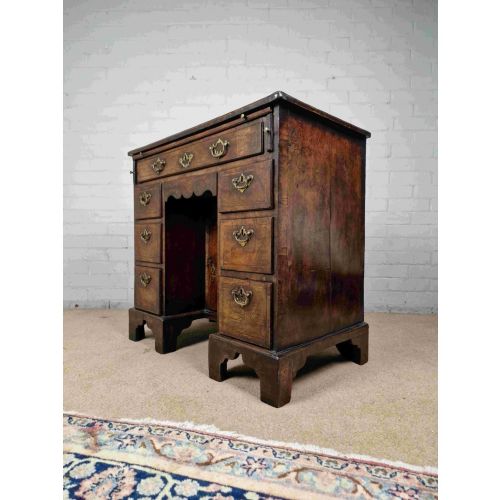
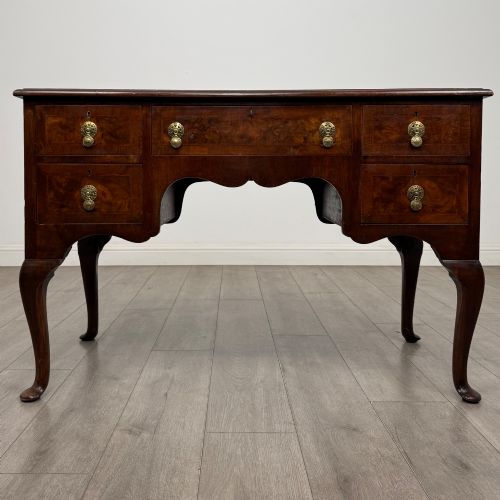
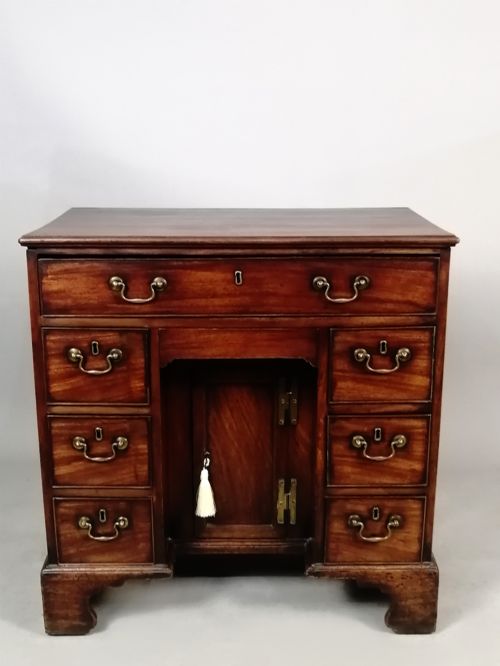
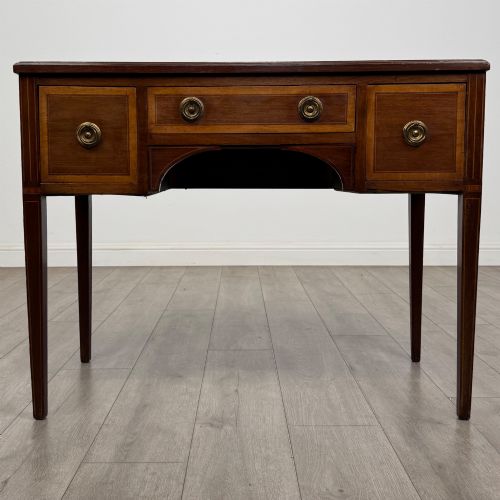
Antique Vanity Dressing Table
An antique vanity dressing table brings intimate personal history to a bedroom, offering fitted mirrors and polished woods designed for daily grooming rituals.
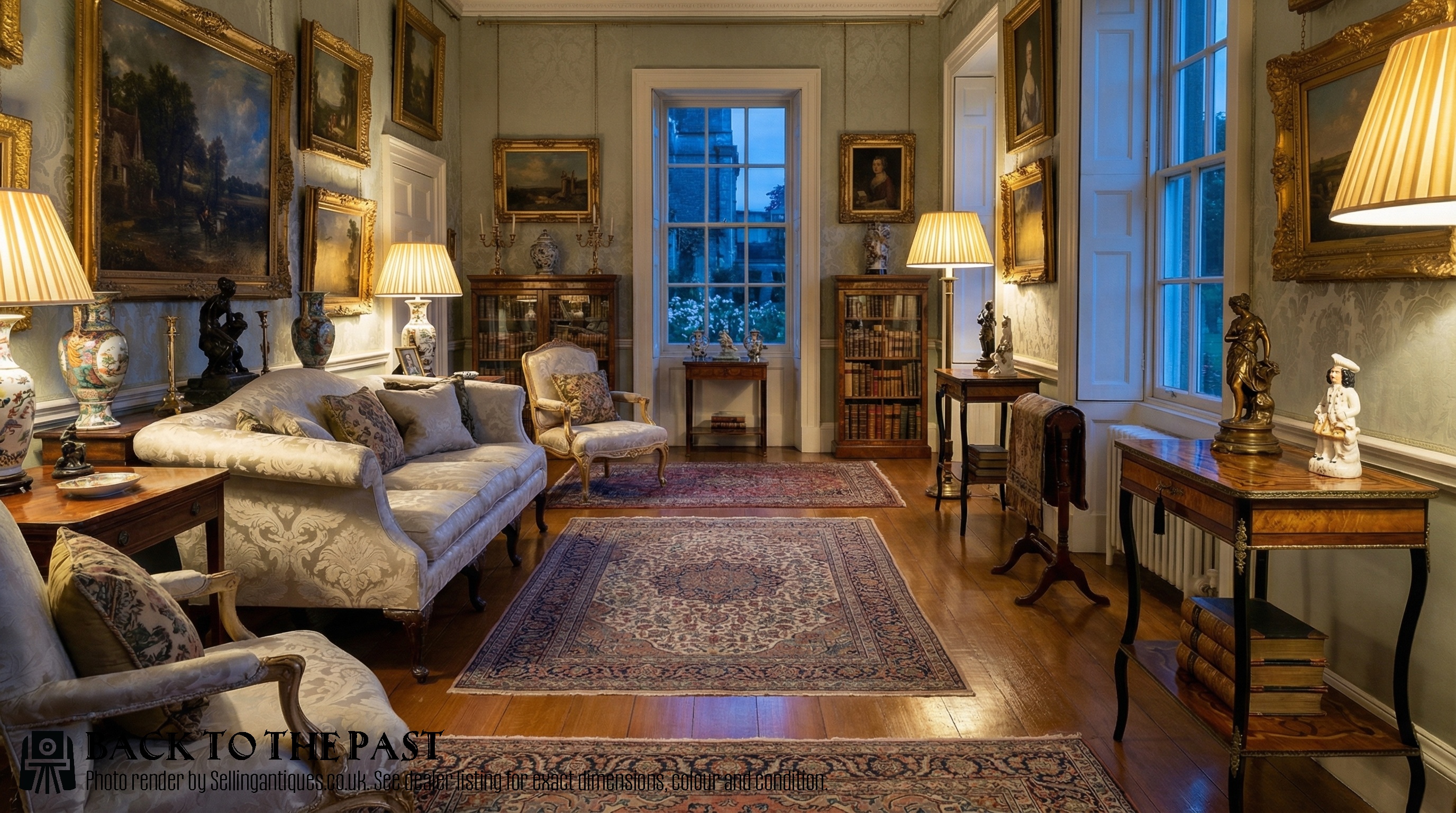
Antique Vanity Dressing Table
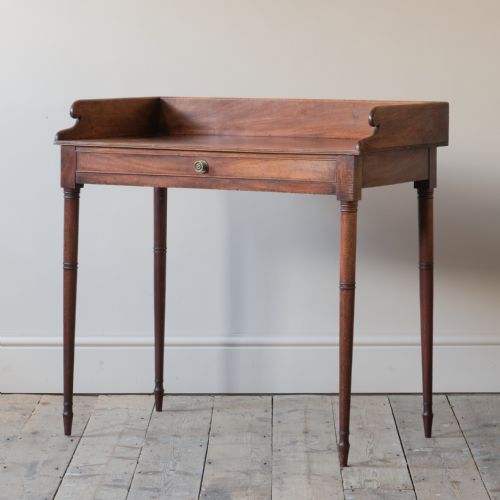
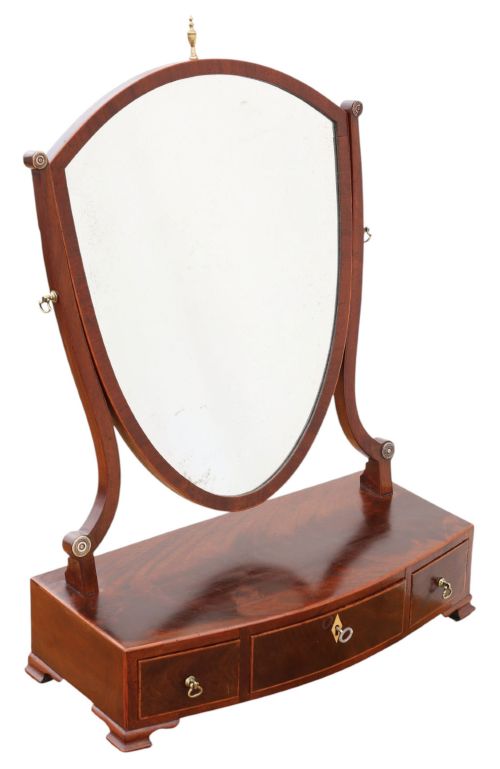
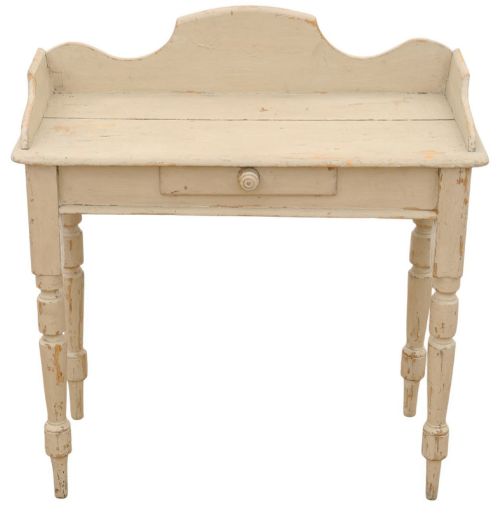
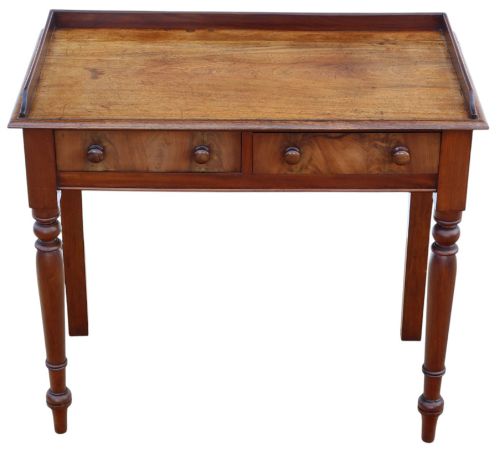
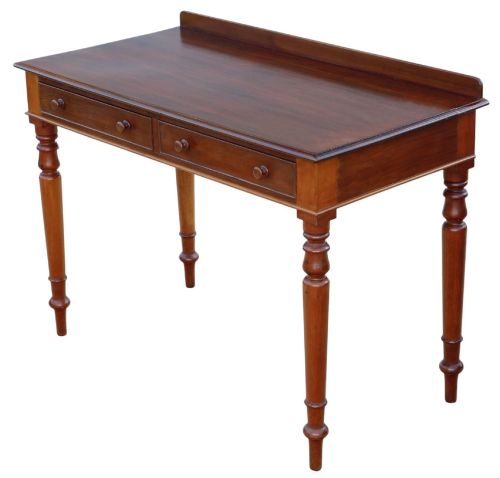
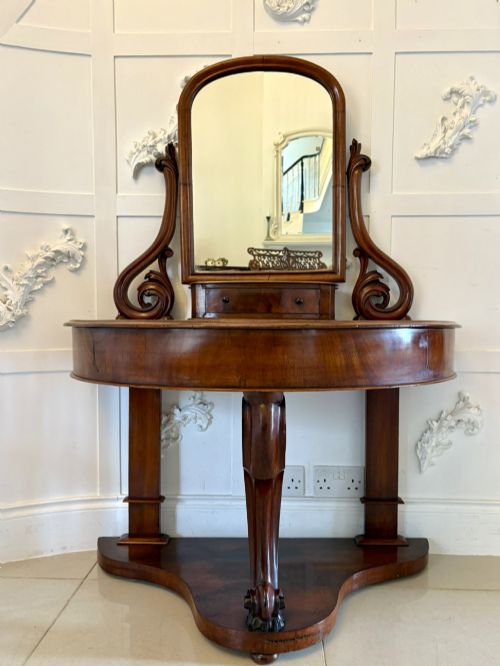
When you search for an antique vanity dressing table, you encounter a variety of forms spanning centuries of domestic life. The selection ranges from compact Georgian swing mirrors and Victorian mahogany washstands to expansive Edwardian kneehole desks and 1930s Art Deco burr walnut pedestal dressing tables.
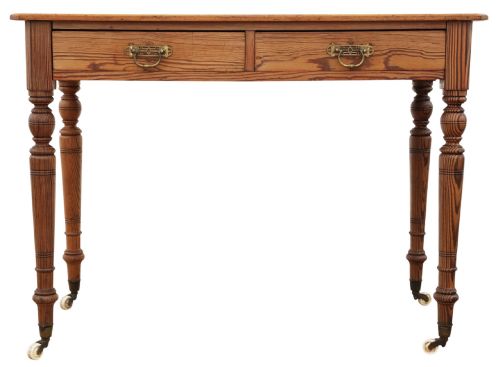
Most examples found here combine functional storage with reflective glass, often accompanied by matching stools or fitted compartments for cosmetics. The tradition extends from simple pine and pitch pine surfaces to elaborate rosewood, maple, and satinwood constructions built for private chambers.
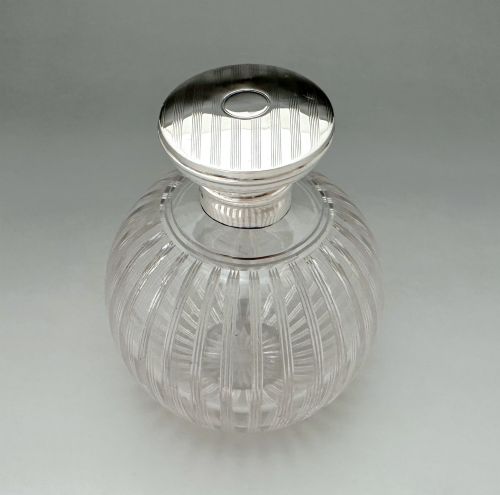
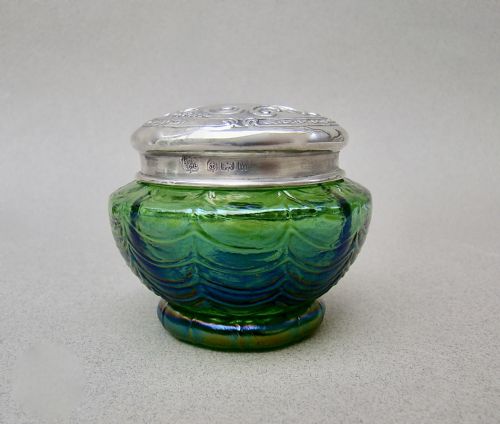
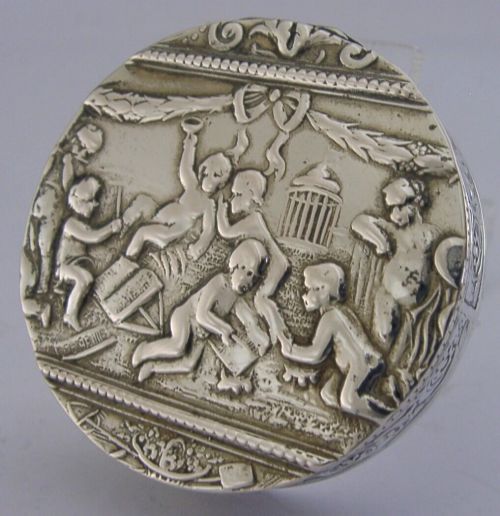
Alongside full-size pieces, the category encompasses smaller boudoir accessories designed to sit upon a surface, including silver-mounted scent bottles, guilloché enamel jars, and velvet-lined trinket boxes.
How they were made
Cabinet makers utilised dense, durable timbers such as mahogany, walnut, and oak as the foundational structure for these tables, frequently applying figured or burr veneers to visible drawer fronts and panels. Secondary woods like pine appear in internal framing and drawer linings.
Metalwork played a defining role through cast brass handles, escutcheons, and hinges, alongside sterling silver mounts and glass inserts for tabletop jars. Mirrors relied on bevelled or cut glass, supported by pivoting wooden frames or gilt bronze mounts.
Listings feature vanity furniture in mahogany, walnut, oak, and pine across Victorian, Edwardian, and Art Deco periods.
What varies in quality
The distinction between standard workshop production and master craftsmanship lies in the selection of timber veneers, the precision of dovetail joints, and the integrity of original brasses. Superior pieces exhibit book-matched burr walnut or figured mahogany that flows seamlessly across multiple drawers.
Makers known for exceptional joinery, such as Heal and Son or Maple and Co, distinguished their dressing tables through thoughtful proportions, integrated secondary compartments, and high-grade mirrors that retain their original silvering without distortion.
Heal And Son·Maple And Co·A J Pepper And Co·The Boots Company·Ollivant And Botsford·Henry Clifford Davis·Ray And Miles
The Antique Vanity Dressing Table Glossary
- Swing mirror
- A mirror suspended on pivots within a frame, allowing the glass to tilt. This mechanism is commonly mounted on tabletop boxes or directly onto the surface of dressing chests.
- Duchess dressing table
- A large Victorian vanity form featuring a large central mirror flanked by smaller drawers or trinket boxes. It offers an expansive display area for personal grooming items.
- Kneehole table
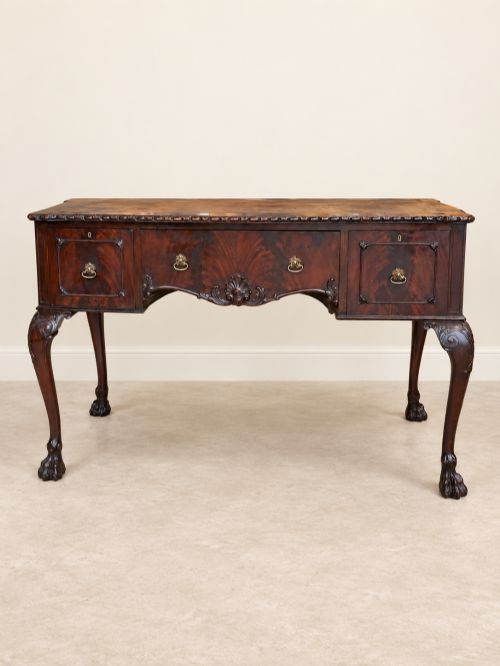
- A desk or vanity featuring a central recess for the user's knees, flanked by pedestals of small drawers. This layout maximises storage while providing comfortable seating space.
- Guilloché enamel
- A decorative technique where intricate geometric patterns are machine-engraved into metal and covered with translucent enamel. It frequently adorns Edwardian and Art Deco silver jars and cosmetic boxes.
- Cheval mirror
- A full-length plate glass mirror supported in a freestanding frame with vertical pivots. It allows the viewer to see their entire outfit.
Antique Vanity Dressing Table: Frequently Asked Questions
What is a vanity dressing table?
A vanity dressing table is a dedicated piece of bedroom furniture designed for personal grooming, typically featuring a built-in or matching mirror alongside drawers for cosmetics and accessories.
These surfaces have evolved from simple Georgian table-top swing mirrors into elaborate Victorian pedestal units and streamlined Art Deco dressing stations.
How do I date an antique dressing table?
Dating relies on examining construction methods, timber choices, and hardware styles across different periods. Georgian pieces often show hand-cut dovetails and simpler lines, while Victorian and Edwardian examples incorporate richer burr veneers and more complex mirror supports.
Maker marks, stamped silver hallmarks, and original brass fittings also provide specific decades of manufacture.
Were stools made to match dressing tables?
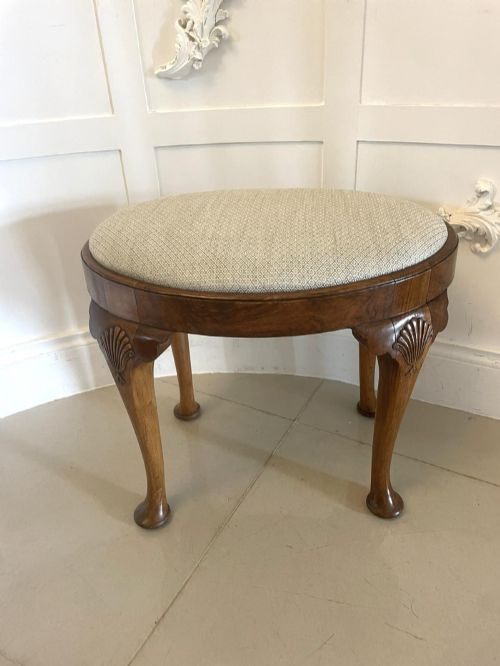
Many period dressing tables were sold alongside dedicated stools upholstered in fabrics, needlepoint, or leather to match the primary wood of the vanity. Walnut and mahogany were frequently carved with cabriole legs or Edwardian lines to mirror the design of the table.
Finding a complete matched set from the nineteenth or early twentieth century is a notable bonus for collectors.
How do I care for antique wood and glass?
Maintenance requires keeping wooden surfaces away from direct sunlight and extreme humidity changes to prevent veneer lifting or timber splitting. Gentle dusting with a soft cloth and occasional application of appropriate wax preserves the historic finish.
Original mirror glass should be cleaned with care to protect the backing, avoiding harsh chemical sprays that might seep beneath the bevel.