




Antique French Sewing Table
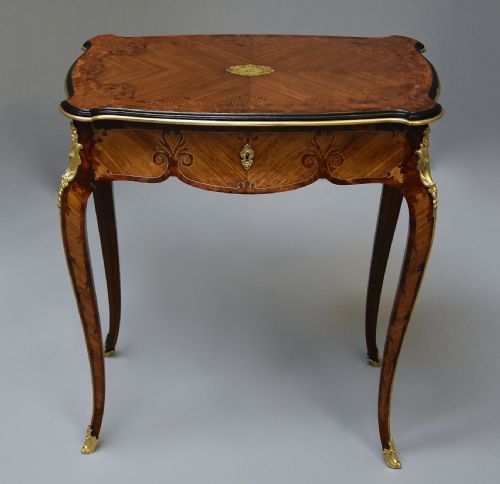
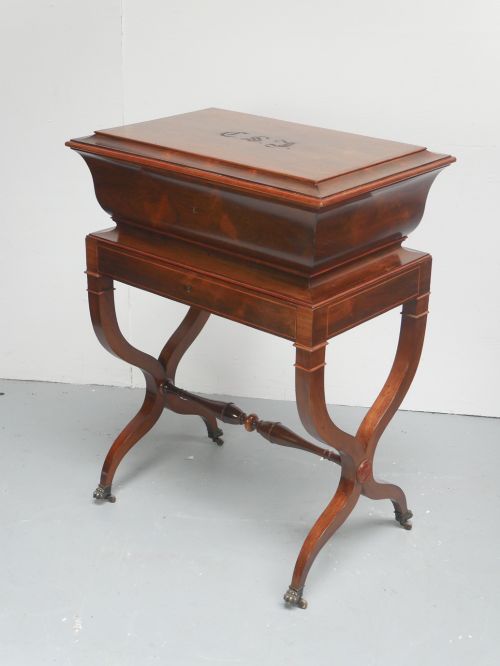
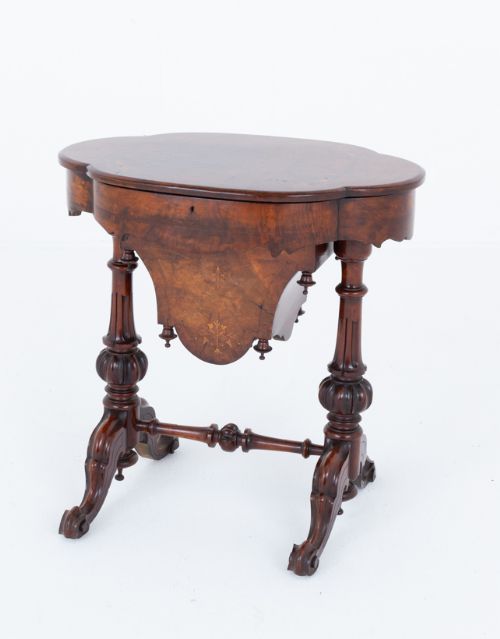
These antique french sewing table pieces combine clever compartments with rich timbers like kingwood and rosewood, offering both a functional workspace and a striking decorative accent.
Antique French Sewing Table
An antique french sewing table is a specialised piece of domestic furniture designed for needlework, correspondence, and personal grooming, often doubling as a side or occasional table. Buyers searching this phrase typically encounter nineteenth-century examples spanning the Victorian era through the late eighteen-eighties and eighteen-nineties.
The forms vary from freestanding occasional tables to dedicated work tables, dressing tables, and poudreuses equipped with internal compartments and fitted boxes. Many incorporate multi-purpose surfaces and sophisticated internal mechanisms concealed beneath marquetry or veneered lids.
Origins heavily lean towards French workshops influenced by Louis XV Revival, Louis XVI Revival, and Napoleon III aesthetics. These pieces frequently merge the practicality of a sewing box with the refined lines of a drawing-room side table.
How they were made
Cabinetmakers constructed these tables using dense hardwood carcases overlaid with decorative veneers such as kingwood, walnut, burr walnut, and rosewood. Fruitwood inlay and intricate marquetry decorated the lids and aprons, creating contrasting geometric or floral patterns.
Metal mounts in brass and ormolu reinforced corners, framed porcelain plaques, and decorated legs. Internal fittings of wood and fabric formed the compartments for threads, needles, and personal accessories.
What varies in quality
The standard of an antique french sewing table rests on the precision of its veneer work and the complexity of its internal mechanics. Examples featuring finely executed marquetry, heavy ormolu mounts, and integrated porcelain plaques represent the upper tier of execution.
Simpler constructions in fruitwood or plain walnut without intricate inlays sit at the accessible end of the scale. The fluidity of the opening mechanism and the crispness of the fruitwood inlay distinguish the finer workshop output from standard production.
Lesage
The Antique French Sewing Table Glossary
- Poudreuse
- A type of dressing table featuring a folding top that reveals a mirror and concealed compartments. It serves both grooming and writing purposes.
- Marquetry
- The art of applying decorative pieces of veneer to a structural structure to form intricate designs. Cabinetmakers used various tinted woods to achieve pictorial depth.
- Ormolu
- Gilded bronze mounts applied to furniture edges and legs. This technique adds metallic contrast to dark woods like rosewood and kingwood.
- Kingwood
- A dense, richly grained timber frequently utilised in nineteenth-century French cabinetmaking. Its contrasting dark and golden stripes suit decorative veneering.
- Etagere
- An open-shelved piece of furniture used for displaying small objects. Some sewing tables incorporate lower tiers for additional storage.
Antique French Sewing Table: Frequently Asked Questions
What is an antique french sewing table used for?
These tables were originally built to hold sewing implements, threads, and fabrics for needlework. Many also incorporated mirrors and small compartments for cosmetics and letters.
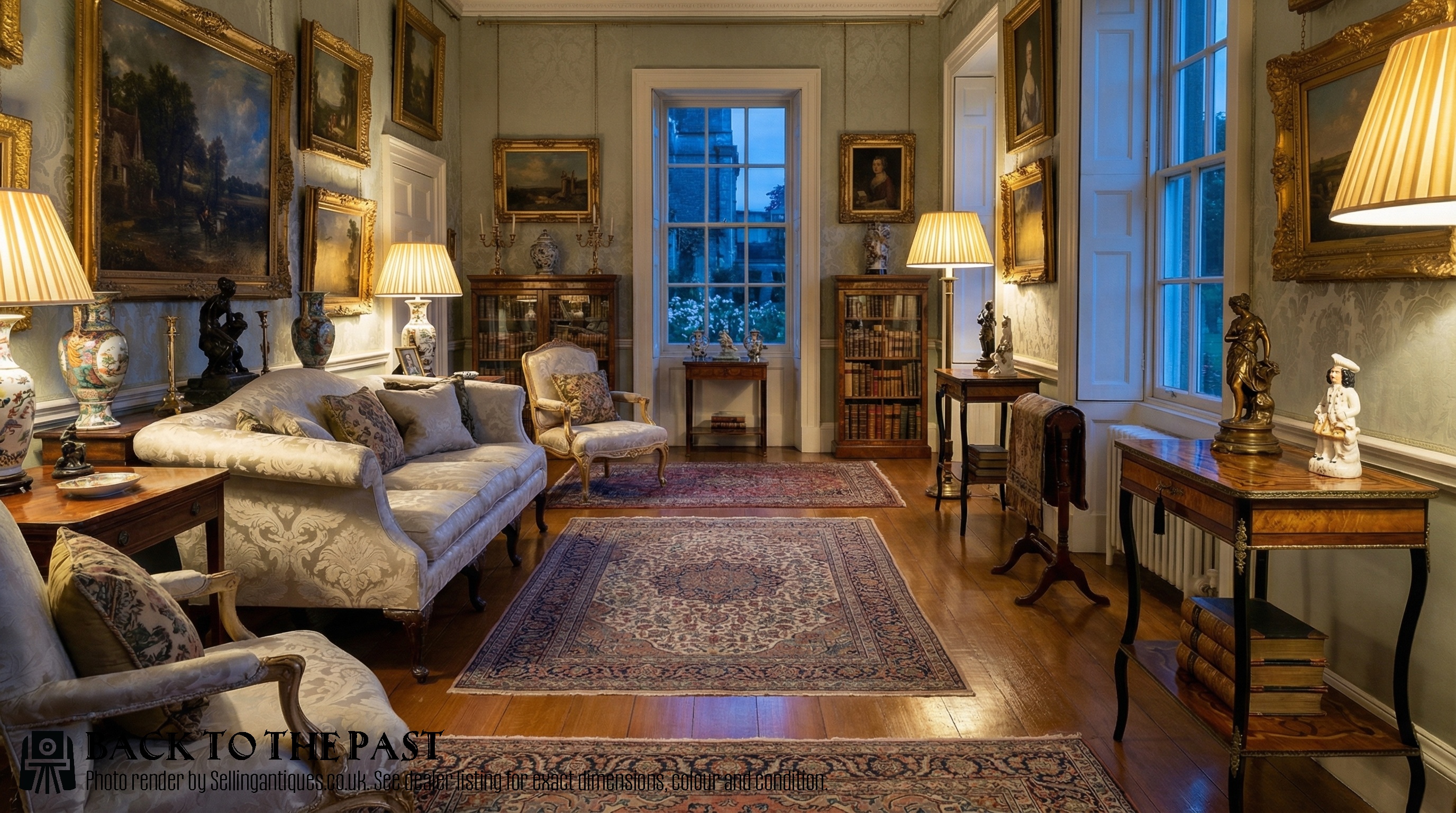
Today, they function well as decorative side tables or lamp tables in a living room, offering discreet storage beneath the lid for small household items.
How do I identify a Napoleon III sewing table?
Napoleon III pieces often feature dark ebonised wood or rich burr walnut combined with elaborate marquetry and gilt-metal mounts. They reflect a nineteenth-century eclectic revival of earlier French court styles.
Look for heavy ormolu detailing, inset porcelain plaques, and serpentine or cabriole legs that characterise this imperial period of design.
Are these tables suitable for everyday use?
While structurally sound, antique tables require gentle handling due to their delicate veneers and older internal mechanisms. Placing them away from direct sunlight and heat sources protects the timber and finish.
The hinged lids and internal compartments remain practical for storing stationery, jewellery, or modern sewing supplies.
What timber was used most often?
Makers favoured exotic and decorative timbers such as kingwood, rosewood, walnut, and burr walnut for their rich grain patterns. Fruitwood inlay provided contrast for floral and geometric marquetry.
Secondary woods formed the hidden structural carcases, while brass and ormolu supplied the exterior mounts and key escutcheons.
How do I tell a work table from a poudreuse?
A work table typically focuses on compartmentalised storage for textiles, featuring a suspended fabric bag or a deep wooden box beneath the top. A poudreuse specifically includes an integrated mirror beneath the lid alongside cosmetic compartments.
Both forms overlap frequently in nineteenth-century French design, as multi-purpose furniture became popular for domestic boudoirs.