




Antique Vanity Compact Case
These antique vanity compact case selections offer portable mirrors, cosmetics holders and dress accessories crafted mostly during the early twentieth century.
Antique Vanity Compact Case
An antique vanity compact case brings together small personal containers designed to hold loose powder, mirrors, rouge or cigarettes for daily use. The pieces appearing here lean heavily into the Art Deco aesthetic of the nineteen-twenties and nineteen-thirties, alongside Edwardian and mid-century examples.
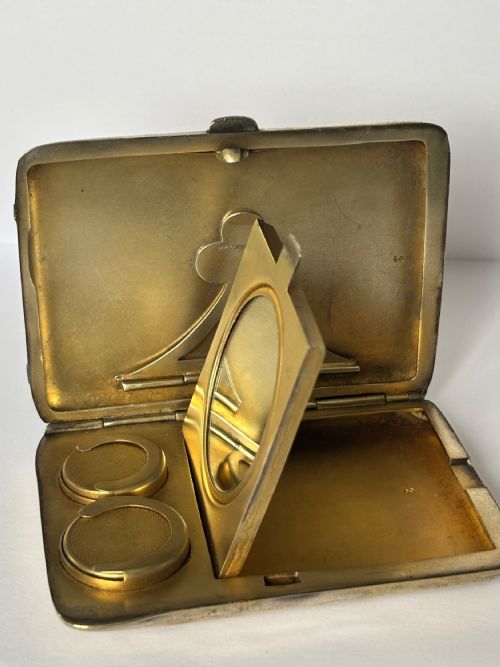
Most entries function as dedicated powder compacts, vanity cases or combination pieces equipped with internal mirrors and compartments. Formats range from round sterling silver boxes to mesh pouches and rectangular chrome frames.
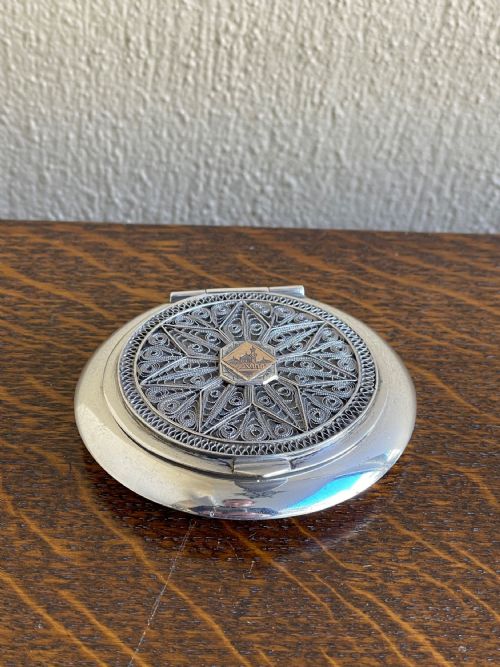
Origins span British provincial assay offices, continental European workshops and international export houses. Buyers encounter everything from simple engine-turned metal boxes to elaborate imported silver filigree.
Materials and construction methods
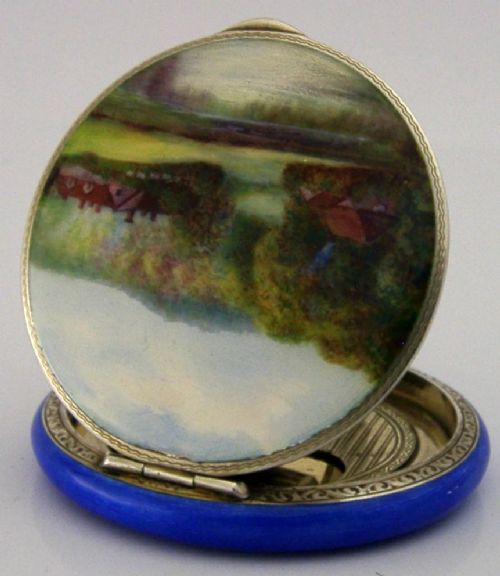
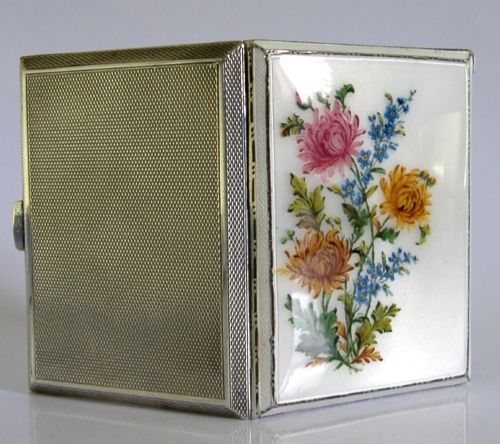
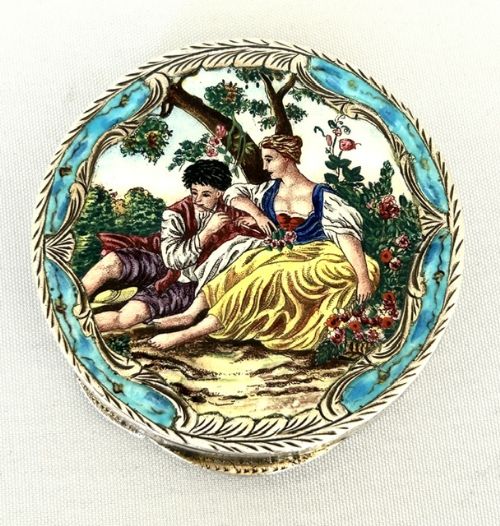
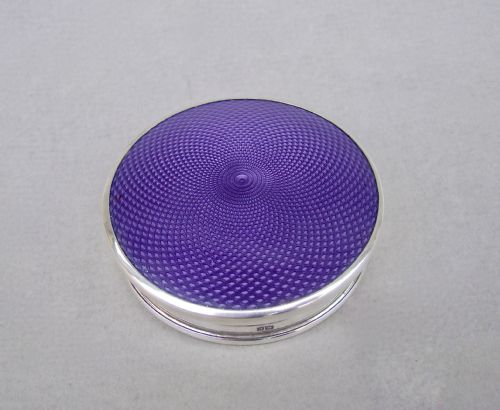
Sterling silver, silver-gilt and standard silver form the structural core of many pieces, often paired with chrome, brass or base metal frameworks. Surface decoration relies heavily on guilloche enamel, vitreous enamel and hand-painted miniature motifs.
Engine-turning creates precise geometric patterns across metal surfaces before enamel layers are applied and fired. Specialised closures, integrated lipstick holders and suede linings complete the assembly of complex combination cases.
Listings feature items spanning from nineteen hundred through to nineteen fifty, with a heavy concentration in the nineteen-twenties and nineteen-thirties.
Distinguishing quality across examples
The standard of execution in guilloche enamel and hand-painted decoration determines much of the distinction between individual items. Crispness in the underlying engine-turned metalwork shows the precision of the initial manufacturing process.
The weight of the metal and the smoothness of hinges, catches and internal mirror bezels set superior examples apart from standard production pieces. Maker marks from established silversmiths or luxury houses add documented provenance to the construction.
Henry Matthews·Henry Perkins and Sons·Van Cleef and Arpels·Cartier·Richard Hudnut·Houbigant
The Antique Vanity Compact Case Glossary
- Guilloche enamel
- A decorative technique where a precise geometric pattern is mechanically engraved into metal before translucent enamel is applied over the top. This allows the underlying pattern to show through the coloured glass layer.
- Sterling silver
- A silver alloy containing a specific proportion of pure silver and other metals to ensure durability. British pieces typically carry hallmarks indicating this standard of purity.
- Silver-gilt
- Silver objects that have been coated with a thin layer of gold over the exterior surfaces. This finish gives the metal a warm golden tone while retaining a silver base.
- Engine-turned
- A method of mechanical surface decoration that etches intricate geometric designs into metal components. It provides both visual texture and a secure grip on small objects.
Antique Vanity Compact Case: Frequently Asked Questions
What is an antique vanity compact case?
These items are small personal containers designed to hold cosmetic powder, mirrors, or smoking accessories for daily use.
Most surviving examples date from the early twentieth century, reflecting the changing social habits and fashion of the period.
How were these compacts used?
Owners carried them in handbags or pockets for quick touch-ups of powder and makeup during social outings.
Some combination pieces also housed cigarettes, lipsticks, or small watches within the same portable case.
How do I date an antique compact?
Hallmarks stamped on silver components provide official assay office symbols and specific date letters for British items.
Stylistic cues, such as geometric Art Deco motifs or Edwardian filigree work, help narrow down the period of manufacture.
What materials should I look for?
Sterling silver, silver-gilt, chrome, and brass form the structural foundations for the majority of these survival pieces.
Surface decoration frequently incorporates vitreous enamel, hand-painted details, and guilloche engraving.