


Antique Uzbek Weaving
Antique uzbek weaving brings tactile Central Asian tribal artistry into a room through hand-woven textiles, panels, and rugs.
Antique Uzbek Weaving
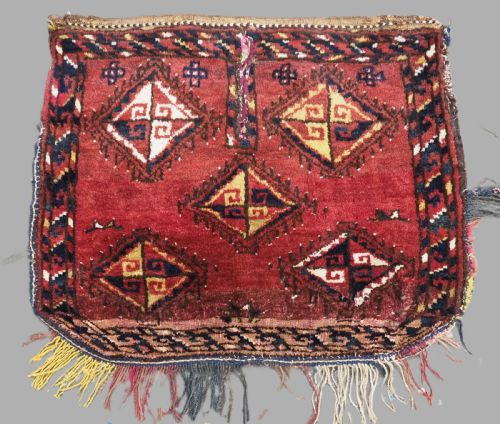
When someone searches for antique uzbek weaving, they find tribal rugs, kilims, and textile panels originating from Central Asia around the turn of the twentieth century. These items include saddle rugs, yurt rugs, dowry pieces, and fabric panels created by regional groups such as the Lakai and Karakalpak.
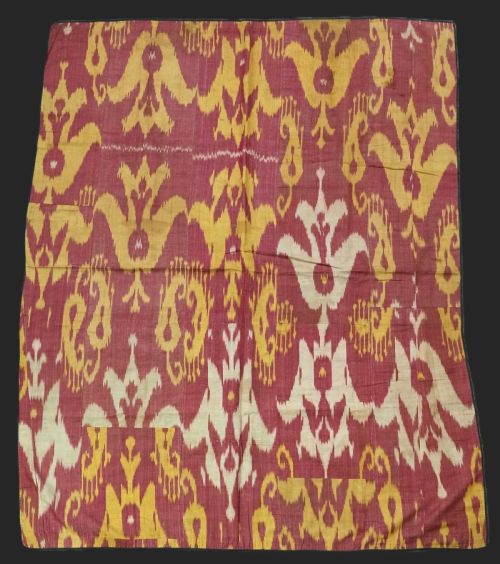
The most common examples on this page are flat-woven kilims, particularly gajeri and tartari safid types, alongside woven panels produced in multiple strips. Dating primarily from the period between eighteen ninety and nineteen twenty, these textiles reflect traditional nomadic and village production methods.
Forms range from wall hangings and small covers to larger floor coverings and bags, demonstrating the diverse utilitarian and decorative output of Uzbek weavers. Each piece serves as a physical record of Central Asian tribal design vocabulary from the late nineteenth and early twentieth centuries.
How they were made
These textiles rely on natural materials including wool, cotton, and silk, sometimes enriched with glass beads and coloured with natural dyes. Weavers frequently constructed larger panels and rugs by joining multiple narrow woven strips together side by side.
Techniques encompass flat-weaving for kilims, warp-faced or weft-work structures for bags and saddle covers, and ikat dyeing for silk and semi-silk adras fabrics. Tribal makers executed bold graphic patterns, fine banded designs, and traditional motifs such as gols using these hands-on craft methods.
Materials recorded in current items include wool, cotton, silk, natural dyes, and glass beads.
What varies in quality
Quality rests upon the crispness of the graphic design, the complexity of the strip construction, and the integrity of the natural dyes. Pieces with balanced proportions and striking visual contrast stand apart from simpler iterations.
The precision of the weave and the preservation of the original fibres determine the textural impact of each panel or rug. Fading can soften a piece pleasingly, but structural cohesion across the joined strips remains central to the integrity of the weaving.
The Antique Uzbek Weaving Glossary
- Kilim
- A flat-woven textile made without a pile, produced by tightly interlacing warp and weft threads. These form smooth, patterned surfaces often utilised for rugs and wall hangings.
- Ikat
- A dyeing technique where bundles of threads are tightly wrapped and dyed prior to weaving to create blurred, distinctive pattern outlines. Silk and semi-silk adras panels employ this method.
- Adras
- A traditional Central Asian fabric woven with a silk warp and a cotton weft. This combination yields a smooth, lustrous surface frequently seen in ikat panels and purses.
- Torba
- A small hanging bag or storage sack traditionally utilised in tribal households. Examples from groups like the Lakai exhibit distinct regional embroidery and weaving traits.
- Gol
- A traditional medallion or primary gul motif found in Central Asian tribal weaving. These repeated geometric elements often identify specific regional weaving traditions.
Antique Uzbek Weaving: Frequently Asked Questions
How were antique uzbek weavings used?
Nomadic and village households utilised these textiles as floor rugs, yurt decorations, dowry items, and storage bags.
Larger kilims and rugs covered living spaces, while specialised pieces functioned as saddle covers or wall hangings.
How do I care for an antique textile panel?
Protect the fabric from direct sunlight to prevent natural dyes from fading further over time.
Mount wall hangings securely to distribute weight evenly across the structure without stressing the original wool, cotton, or silk threads.
What is a julkyrs rug?
A julkyrs is a long-piled yurt rug originating from Central Asian makers, typically woven in multiple narrow strips.
These heavy floor coverings provided insulation and decorative warmth inside nomadic dwellings.
How can I date these weavings?
Dating relies on stylistic analysis, material examination, and structural markers pointing toward the turn of the twentieth century.
Most surviving examples date from the eighteen nineties through to the nineteen twenties, reflecting specific regional tribal traditions.