
Antique Uzbek Rug
An antique uzbek rug brings rich Central Asian textile traditions into a modern room through bold tribal motifs and dense embroidery.
Antique Uzbek Rug
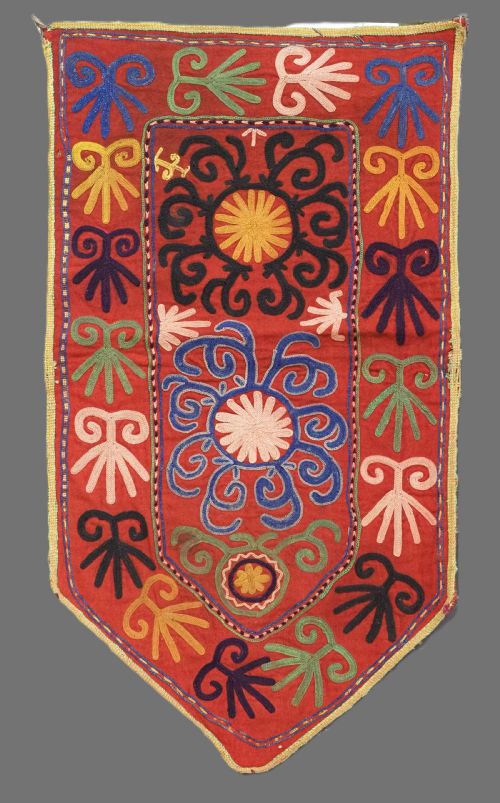
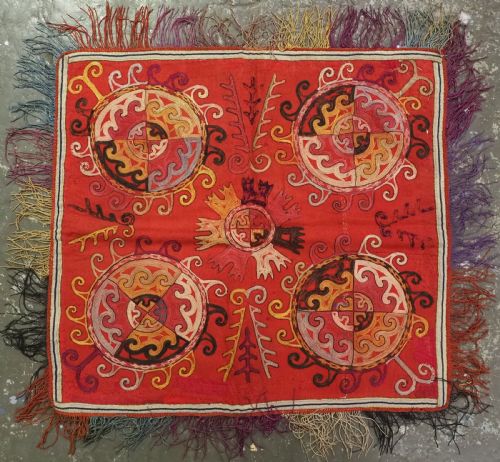
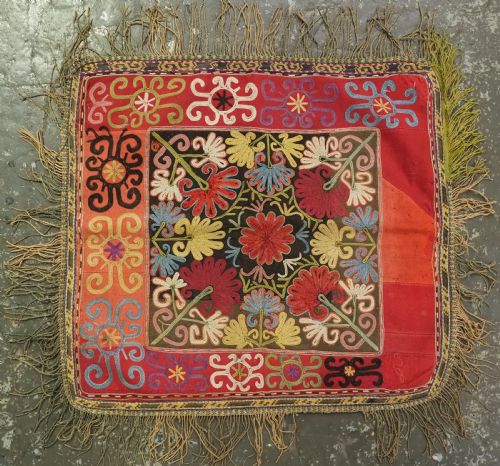
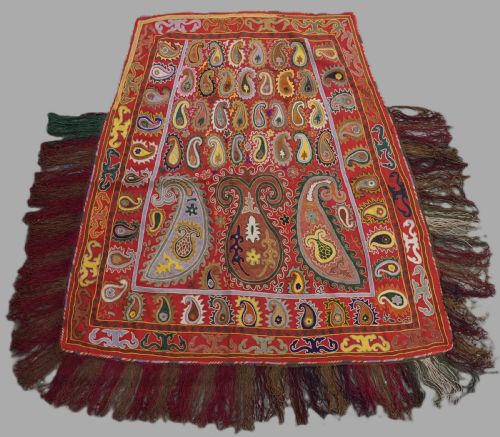
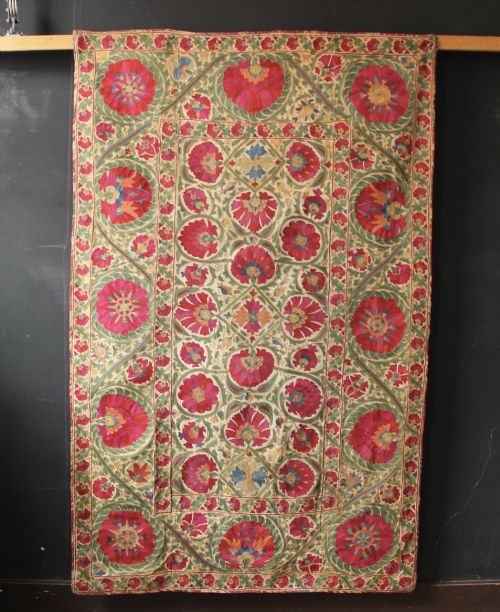
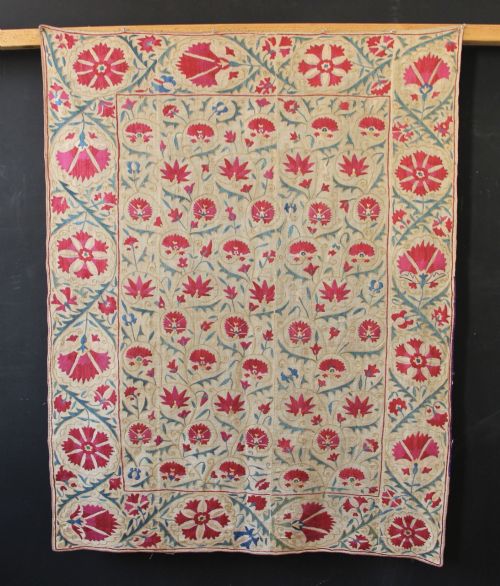
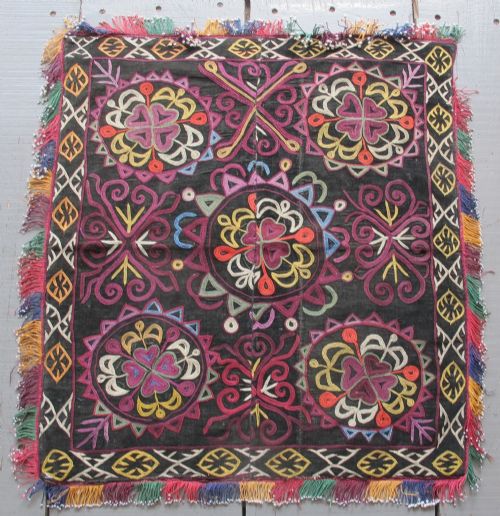
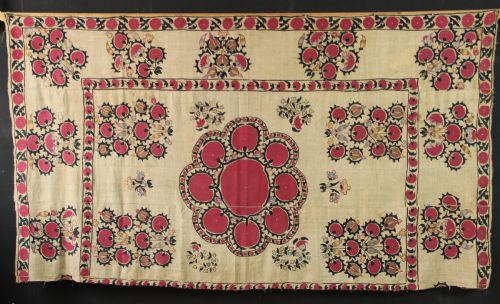
When searching for an antique uzbek rug, buyers encounter a diverse selection of Central Asian tribal textiles, including embroidered wall hangings, dowry pieces, and yurt floor coverings. These nomadic and village creations originate from nineteenth and early twentieth-century workshops across Uzbekistan, spanning traditions from Bukhara, Shakrisabz, and the Lakai tribe.
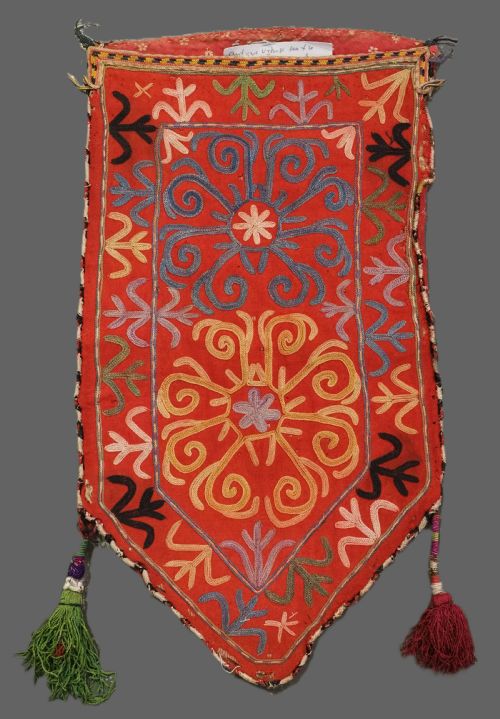
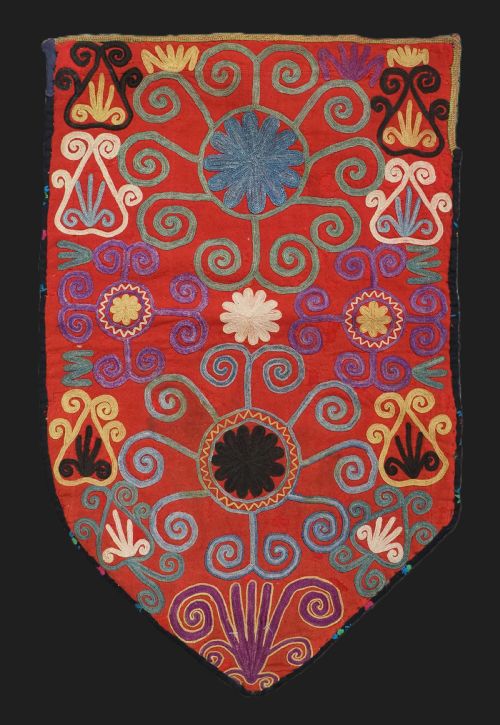
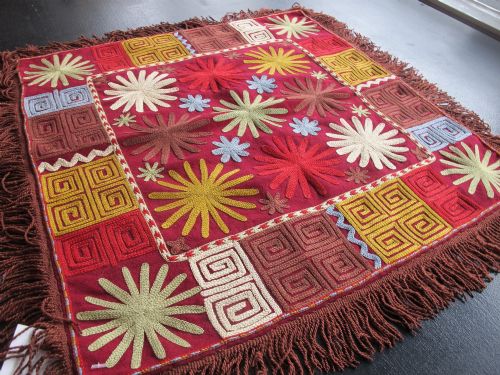
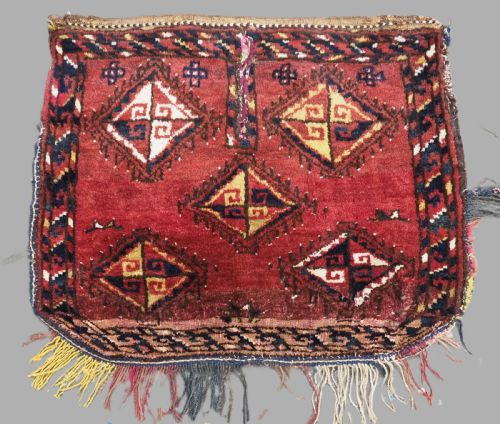
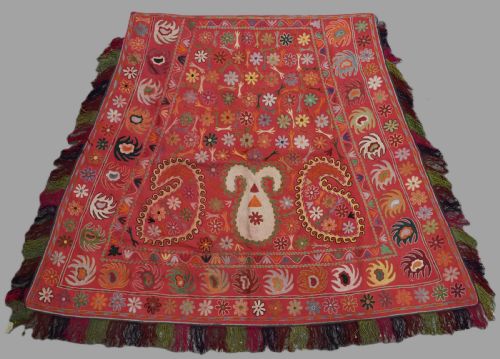
The inventory on this page ranges from ceremonial horse covers and saddle rugs to delicate silk suzanis and geometric kilim panels. Buyers most frequently meet pieces attributed to the Lakai tribe, such as embroidered ilgich wall hangings and uut kap storage bags, alongside pile-woven julkyrs rugs.
Dating across the selection generally spans from the mid-nineteenth century up to the 1920s, reflecting the enduring tribal styles and traditional motifs of Central Asia. Each textile format serves a specific domestic or ceremonial function within nomadic and settled communities alike.
Materials and construction
Materials recorded in the inventory rely heavily on natural foundations of wool, cotton, and silk, supplemented by velvet, felt, and adras semi-silk fabrics. Artisans frequently deployed silk thread for intricate surface embroidery upon wool or cotton grounds, occasionally incorporating glass beads for added texture.
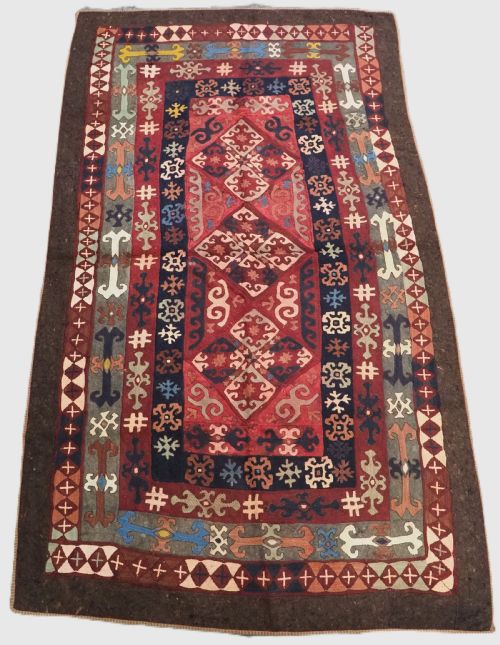
Weaving techniques vary by object type, encompassing flat-woven gajeri kilims, multi-strip pile-woven yurt rugs known as julkyrs, and heavily embroidered felt saddle covers. Textile panels and wall hangings display meticulous needlework, utilising diverse regional stitches to build complex geometric and architectural designs.
Antique Uzbek Rug Retail Price Guide 2026
Typical asking prices for uzbek rug among the pieces listed under this phrase on Sellingantiques today, from the lower quarter to the upper quarter. They describe what is for sale here now, not the wider market.
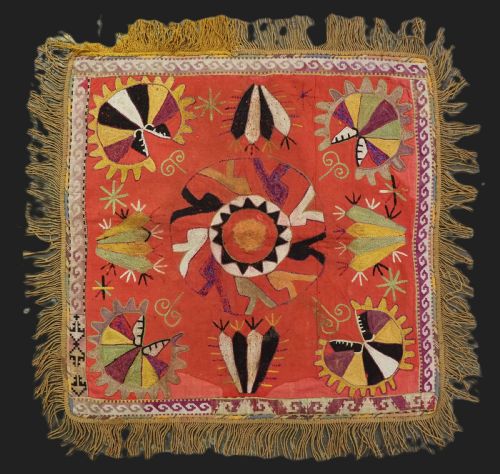
Several pieces preserve the energetic needlework of nomadic makers who clearly embroidered straight onto horse covers while sitting in a swaying yurt.
Assessing quality in Central Asian textiles
Distinctions in quality emerge through the precision of the needlework, the complexity of the tribal design, and the vibrancy of the surviving natural dyes. Pieces with tight, dense silk embroidery on wool or velvet display a superior level of handwork compared to simpler village outputs.
The choice of ground material and the integrity of the textile foundation also dictate the standard of the piece, with heavier felt or well-woven pile structures showing greater structural endurance. Furthermore, scarce formats like double-faced ilgich hangings or finely preserved ceremonial horse covers represent higher tiers of craftsmanship.
The Antique Uzbek Rug Glossary
- Suzani
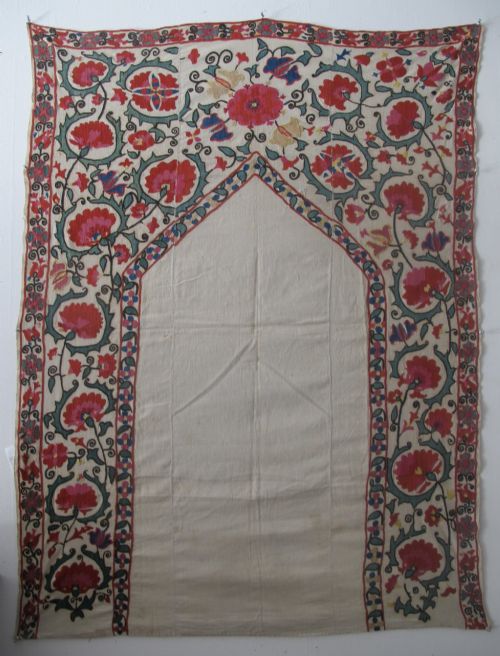
- An embroidered tribal wall hanging or textile panel originating from Central Asia, typically worked in silk on a cotton or linen ground. These large decorative pieces often feature floral or medallion motifs.
- Ilgich
- A specific type of Central Asian dowry embroidery used traditionally as a wall hanging, frequently produced by the Lakai tribe. They display bold geometric patterns executed in vibrant silk thread.
- Adras
- A traditional Central Asian semi-silk fabric woven with a cotton warp and a silk weft, commonly utilised in ikat panels. This material yields a distinctive sheen and textured drape.
- Julkyrs
- A pile-woven yurt rug from Uzbekistan, often constructed from multiple narrow strips stitched together. These floor coverings are recognised by their long, shaggy pile and bold tribal designs.
Antique Uzbek Rug: Frequently Asked Questions
What is an ilgich used for?
An ilgich functions primarily as a dowry embroidery piece created for display on interior walls within Central Asian homes. These textiles formed an essential part of a bride's trousseau and reflected the visual identity of the maker's tribe.
Nomadic families valued these embroidered wall hangings for both domestic decoration and ceremonial display during community gatherings. Surviving examples preserve traditional needlework techniques passed down through generations.
How do I distinguish Lakai embroidery?
Lakai embroidery is readily identified by its energetic, non-symmetrical geometric motifs and the use of vibrant silk threads on contrasting wool or velvet grounds. Artisans frequently employed buttonhole stitches and laid-work to build thick, tactile surfaces.
These pieces often take the form of small wall hangings, mirror covers, or saddle bags rather than large floor carpets. The dynamic composition sets them apart from the more formal floral suzanis of urban workshops.
Where were julkyrs rugs placed?
Julkyrs rugs served as floor coverings inside traditional nomadic felt tents, known as yurts, across Uzbekistan. Their thick pile provided essential insulation against cold earth during harsh winters.
Weavers constructed these distinctive rugs by producing several narrow strips on a portable loom and joining them side by side. This structural method allowed nomads to create substantial carpets while working with limited loom widths.
How do I care for an antique textile?
Antique textiles require careful mounting away from direct sunlight to prevent the fading of natural silk and wool threads. Gentle vacuuming through a protective mesh screen helps remove dust without disturbing delicate pile or embroidery.
Professional textile conservationists should handle any deep cleaning or restoration to preserve the historical integrity of the fibres. Avoiding high-humidity environments also protects organic materials like wool, felt, and cotton from degradation.