
Antique Urn Vase
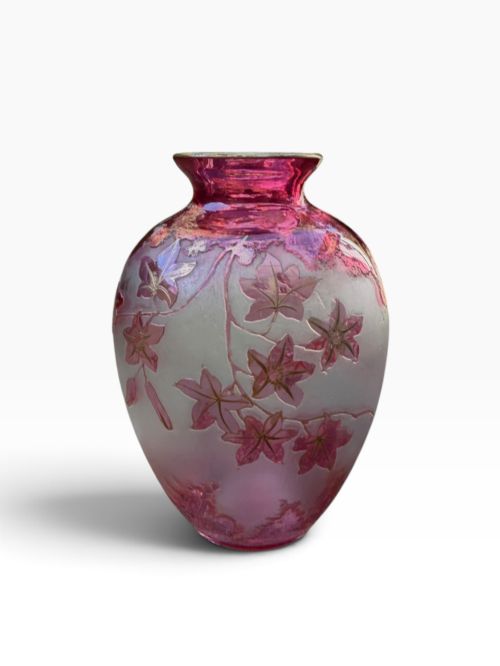
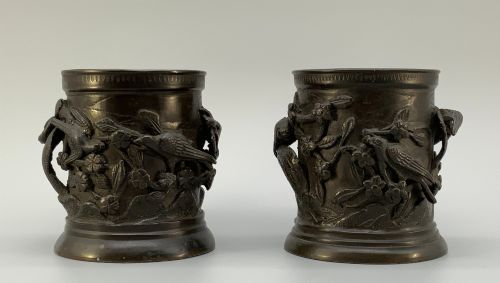
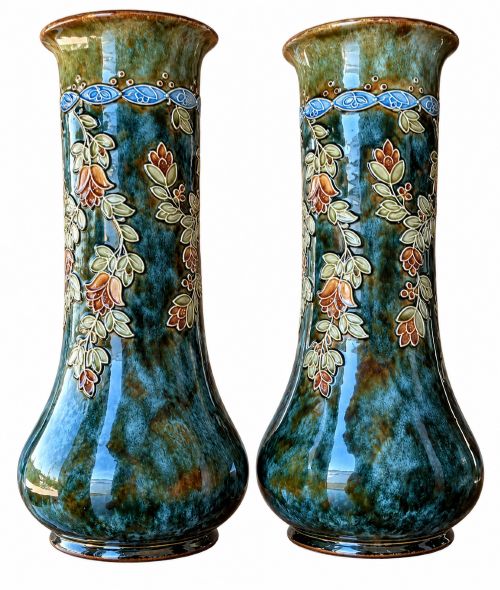
An antique urn vase brings classical proportion and decorative presence to a room, spanning delicate porcelain and cast bronze forms.
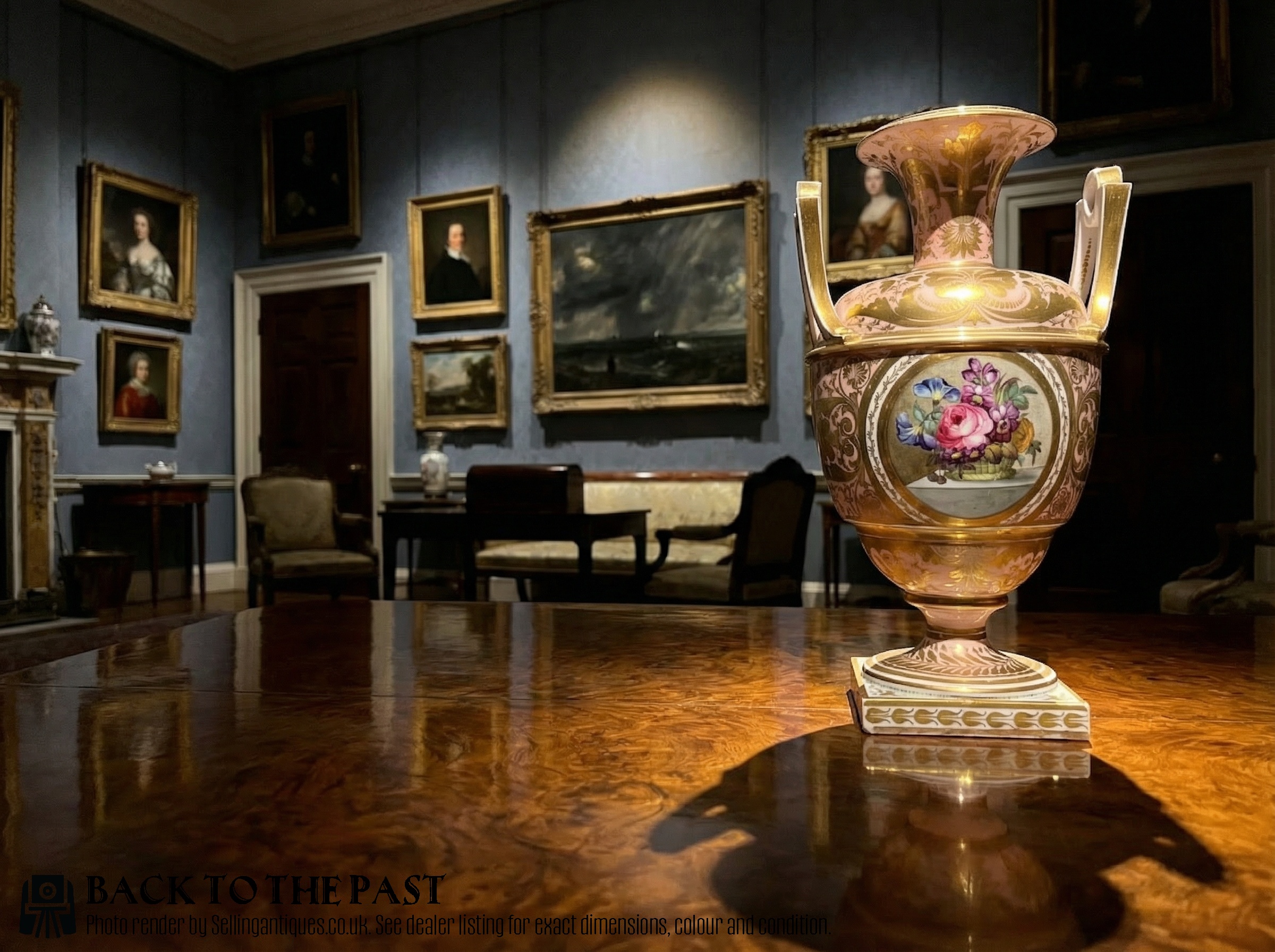
Antique Urn Vase
The search for an antique urn vase encompasses a wide variety of decorative vessels designed for display rather than utility. These pieces bridge the gap between traditional floristry containers and sculptural interior ornaments.
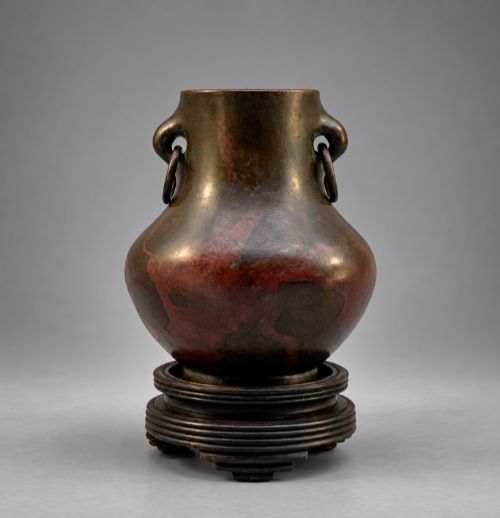
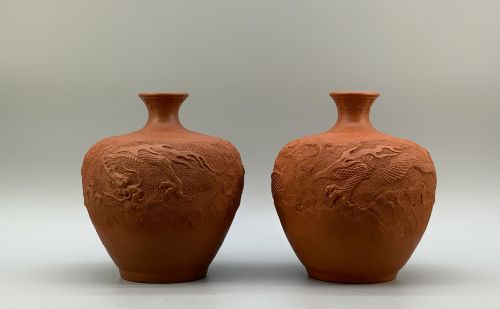
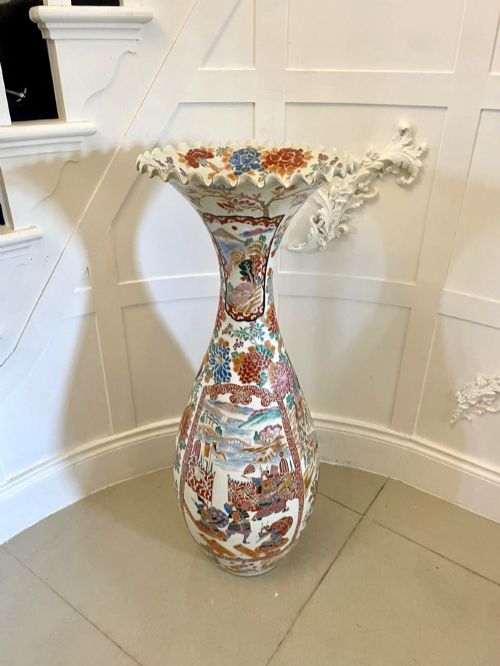
Buyers encounter numerous regional interpretations, ranging from English ceramic table wares to Japanese bronze vessels and French mantel garnitures. The selection draws heavily upon nineteenth-century production alongside earlier traditions.
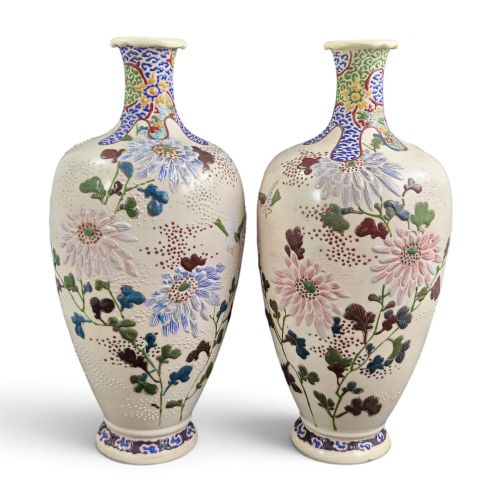
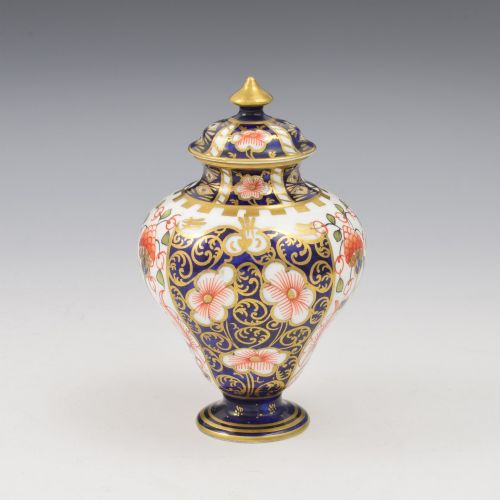
Forms include lidded potpourri jars, classical campana shapes on plinths, and slender baluster bodies suitable for mantelpieces or pedestals. Many examples survive in matched pairs originating from formal domestic settings.
Materials and Construction
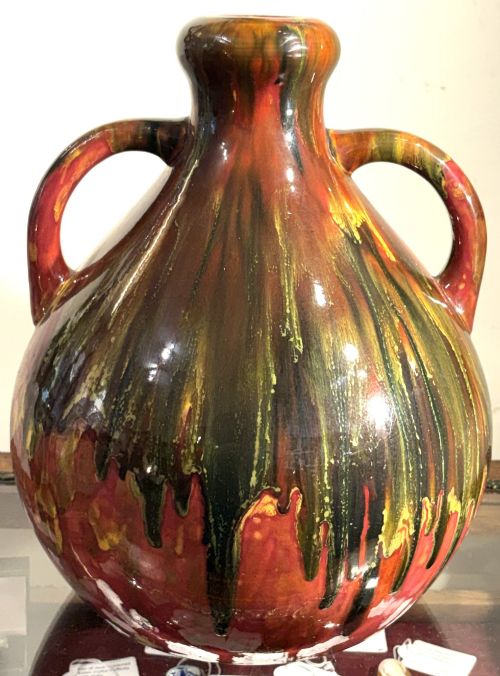
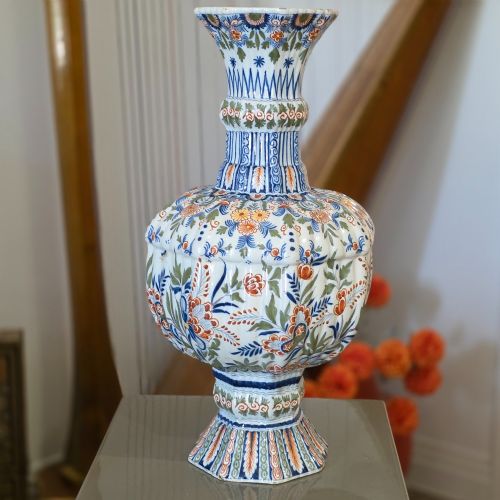
Ceramic production relies upon porcelain, earthenware, and stoneware bodies shaped by hand or mould, often finished with detailed glazes, enamel pigments, and gilt accents. Potters applied techniques such as slip trailing and hand painting to achieve intricate surface patterns.
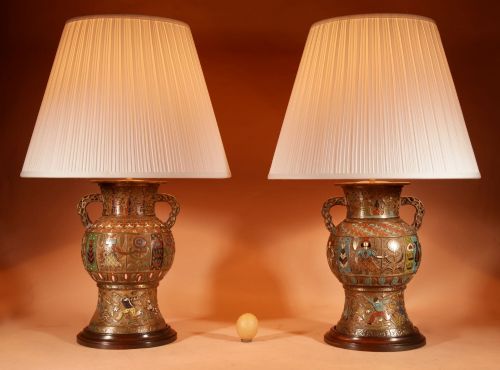
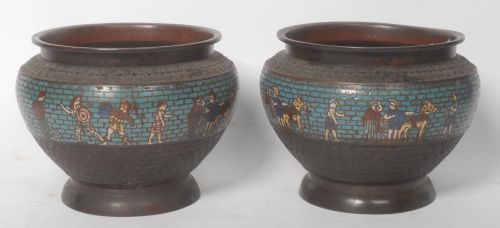
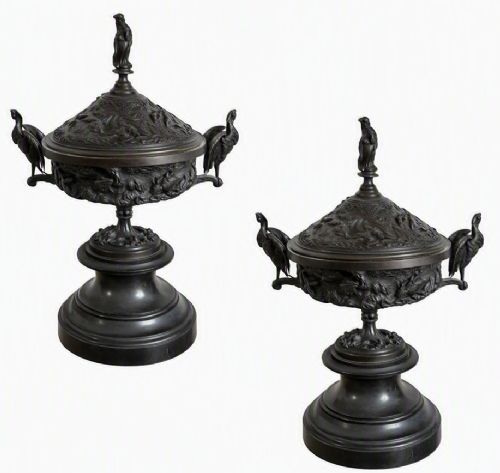
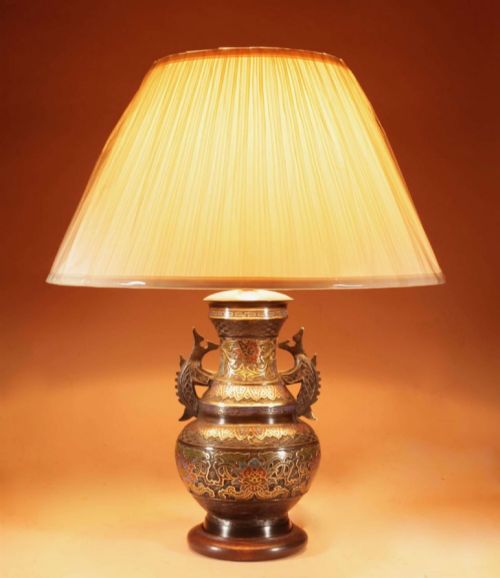
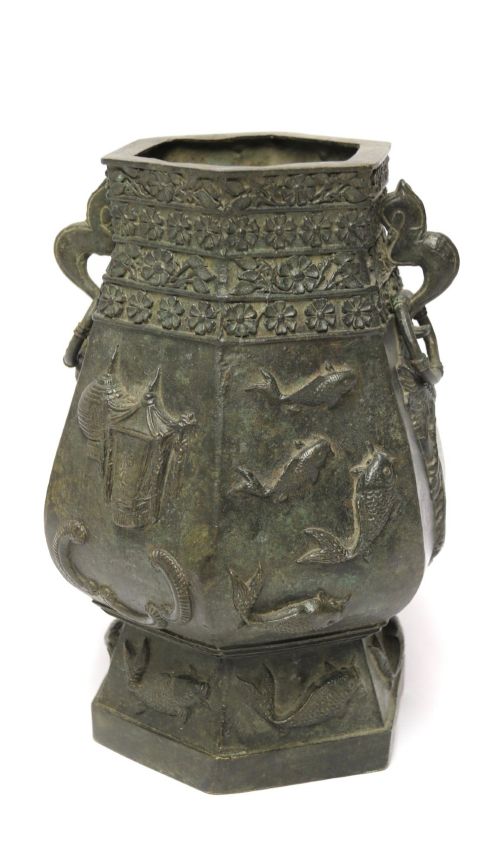
Metalworking traditions utilise bronze, brass, spelter, and silver, employing casting, chasing, and patination methods. Many bronze and brass vessels incorporate inlaid details, champleve enamel, or gilded mounts secured to marble bases.
Certain nineteenth-century ceramic urns feature amphibious handles and gargoyle sea monster masks designed to startle the eye.
Indicators of Quality
Distinction across the range rests upon the execution of surface decoration and the crispness of cast or moulded detail. Hand-painted panels, finely chased metal mounts, and well-balanced proportions separate finer artistic output from standard commercial production.
The integrity of the material structure, including the uniform application of glaze, the stability of applied handles, and the preservation of original patination or gilding, defines the enduring worth of individual vessels.
Royal Crown Derby·Royal Doulton·Flight Barr and Barr·Samson Paris·Royal Worcester·George Nathan and Ridley Hayes·Ernst Wahliss
The Antique Urn Vase Glossary
- Campana vase
- A bell-shaped vessel with an everted rim and a footed base, frequently cast in metal or formed in ceramic for garden or interior display.
- Baluster
- A vertical architectural form featuring a rounded body that tapers towards a narrow neck, commonly seen in ceramic and metal urn profiles.
- Cassolette
- A decorative vessel with a pierced or solid cover designed to alternate between a vase and an incense burner, often mounted on marble and ormolu bases.
- Champleve
- An enamelling technique where troughs are carved into a metal surface and filled with vitreous paste before firing.
- Jardinere
- A large ornamental pot or receptacle intended to hold growing plants or floral arrangements within domestic interiors.
Antique Urn Vase: Frequently Asked Questions
How were urn vases used historically?
These vessels served primarily as decorative ornaments on mantelpieces, sideboards, and pedestals within formal rooms. Many held dried botanicals, potpourri, or floral displays during social gatherings.
Larger stone and cast iron examples stood in conservatories or gardens to punctuate architectural layouts. Lidded versions often functioned as cassolettes for diffusing scents through pierced covers.
How do I distinguish between Japanese and European styles?
Japanese pieces from the Meiji period frequently display bronze patination, cloisonne work, or Satsuma earthenware decorated with motifs of nature and folklore. Forms tend to emphasise asymmetrical balance and intricate metal inlay.
European examples often draw upon classical revival styles such as Neoclassical, Empire, or Rococo, featuring symmetrical handles, gilt bronze mounts, and painted ceramic panels. Materials commonly include hard-paste porcelain, marble, and patinated spelter.
Where should I place an urn vase at home?
These pieces suit placement on flat surfaces where their height and silhouette can be appreciated without obstruction. Mantelpieces and entrance hall tables offer traditional settings for pairs.
Larger floor-standing vessels work well in corners or empty alcoves to add vertical interest to a room. Placing them away from direct foot traffic protects delicate handles and surface gilding.
How do I care for antique ceramic and metal urns?
Ceramic surfaces require gentle dusting with a dry, soft cloth to prevent moisture damage to historic glazes and enamels. Avoid using commercial liquid cleaners on painted or gilded areas.
Metal vessels benefit from occasional dusting with a soft brush to clear crevices without disturbing patination. Avoid abrasive polishes on bronzes and brasses to preserve their historic surface finish.