
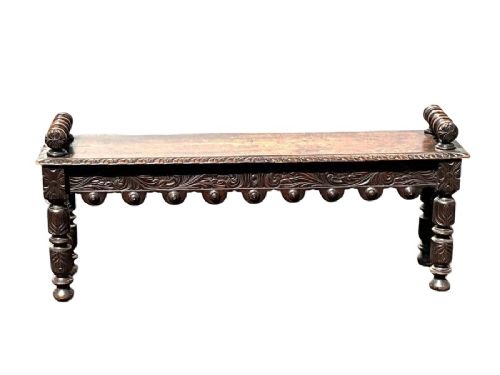


Antique Two Seat Bench
An antique two seat bench brings compact, sociable seating into a room, offering fine timber frames and upholstery suited to intimate corners.
Antique Two Seat Bench
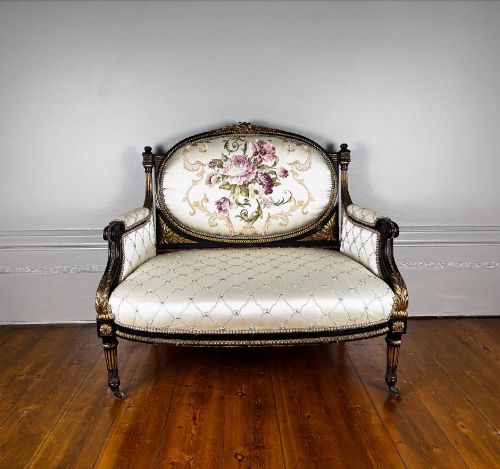
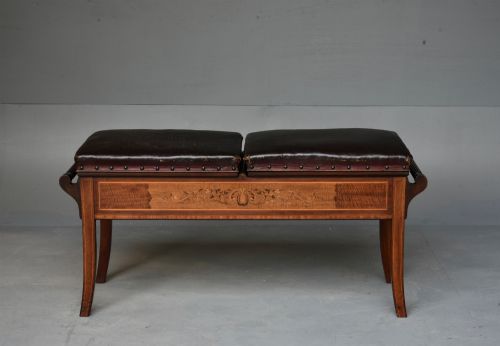
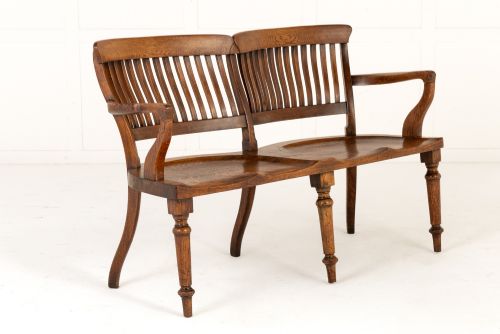
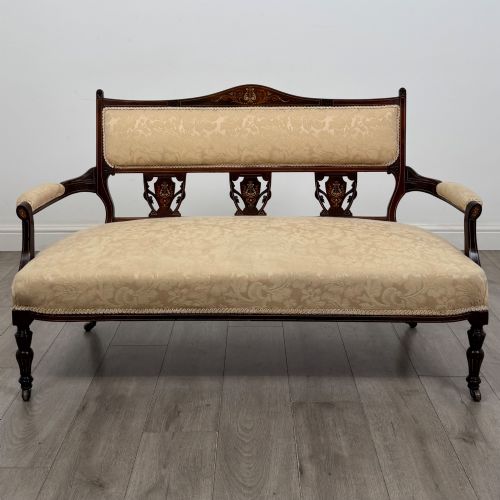
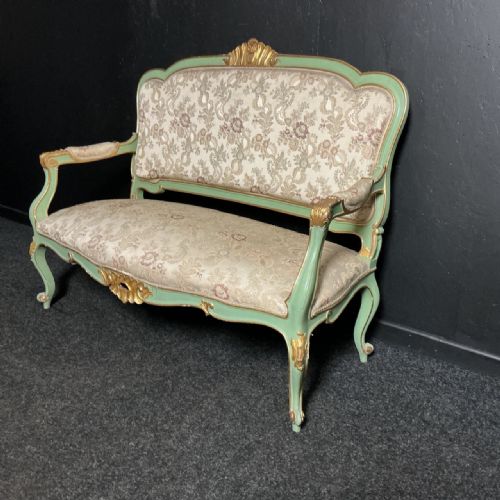
An antique two seat bench encompasses a diverse group of compact seating designed for intimate conversation, drawing rooms and window recesses. You encounter pieces spanning the Georgian, Victorian and Edwardian eras, alongside French styles and specific forms like double chair-back settees and window seats.
The materials recorded across these listings range from dense hardwoods such as mahogany, oak and walnut to lighter satinwood and ebonised finishes. Upholstery appears in silk, velvet and various woven fabrics, often complemented by cane panels and brass mounts.
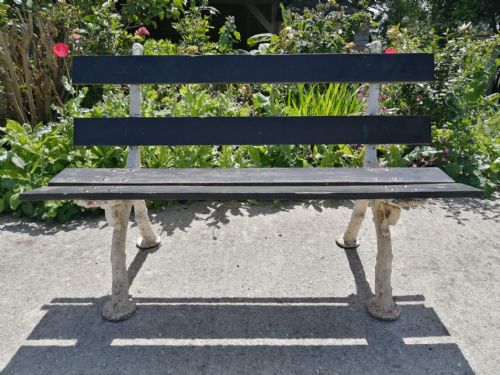
Makers and designers drew upon English country traditions, Louis XVI and Louis XV aesthetics, and Arts and Crafts simplicity. This variety ensures you find everything from robust garden benches to delicate boudoir settees.
Construction and Materials
Cabinetmakers constructed these frames primarily from solid mahogany, walnut, oak and satinwood, utilising traditional joinery such as mortise and tenon to ensure structural rigidity over centuries. Timber selection dictated the carving depth, allowing artisans to execute intricate ribbon backs, inlaid bone details and parcel gilt highlights.
Surface ornamentation involved elaborate techniques including marquetry inlay, ebonising, hand-painting and ormolu mounts applied to French revival frames. Canework was woven by hand to create flexible, breathable panels for seats and backs on lighter salon pieces.
Upholstered variants relied on traditional stuffing methods using natural fibres secured beneath silk, velvet or sturdy cotton fabrics, while garden benches utilised cast iron and weathered outdoor timber to withstand the elements.
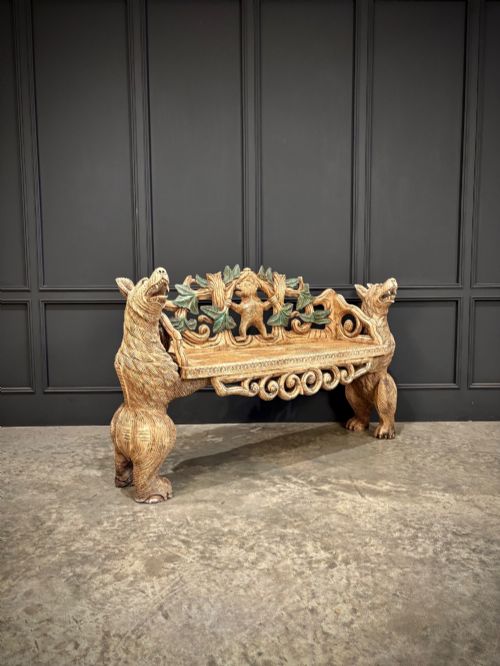
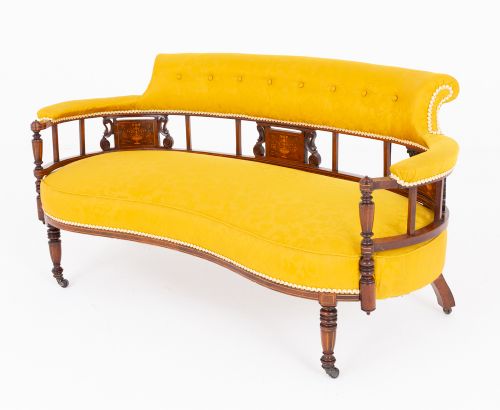
Among the seating are playful Black Forest bear benches and conversation seats designed so two people can chat face-to-face without turning their necks.
Distinctions in Craftsmanship
Quality rests upon the crispness of hand-carved details and the precision of inlaid wood or brass work. Superior pieces display seamless joinery and balanced proportions, whereas simpler examples rely on applied decoration rather than structural artistry.
The choice of primary timber and secondary framing woods signals the maker's intent, with dense figured mahogany and burr walnut indicating higher workshop standards. Original surface patination and untouched finish layers elevate a piece above those stripped and heavily restored in later decades.
The Antique Two Seat Bench Glossary
- Canework
- Woven cane or rattan utilised to form light, permeable panels on chair backs and seats. This technique was popular in French and Edwardian seating.
- Marquetry
- Decorative veneer work arranged in geometric or pictorial patterns on the surface of furniture. Craftsmen used contrasting woods to achieve this effect.
- Ormolu
- Gilded bronze mounts applied as decorative ornaments to furniture frames. It was especially favoured in French Empire and revival pieces.
- Settle
- A traditional wooden bench featuring a high solid back and enclosed arms to block drafts. Early examples often incorporated box storage beneath the seat.
Antique Two Seat Bench: Frequently Asked Questions
Where should I place a two seat bench?
These compact seats fit well in bedroom window recesses, narrow hallways or at the foot of a bed where larger sofas overwhelm the floor plan. Their modest footprint also allows them to anchor small conversational groupings in a drawing room.
Ensure you measure the depth of the room and the swing of nearby doors to maintain clear pathways around the timber frame.
How do I care for antique upholstery?
Protect delicate silks, velvets and woven fabrics by keeping the bench away from direct sunlight, which fades historic fibres over time. Gentle surface dusting with a soft brush prevents abrasive particles from settling into the weave.
For deeper cleaning, consult a specialist conservator rather than applying modern chemical sprays to antique textiles.
How do I identify Edwardian pieces?
Edwardian seating frequently showcases light satinwood inlays, painted decorations and slender proportions influenced by earlier neoclassical revivals. The timber framing tends to feel lighter and more refined compared to heavier, darker Victorian counterparts.
Look for refined craftsmanship, inlaid bone details and bright upholstery schemes typical of the early twentieth century.