


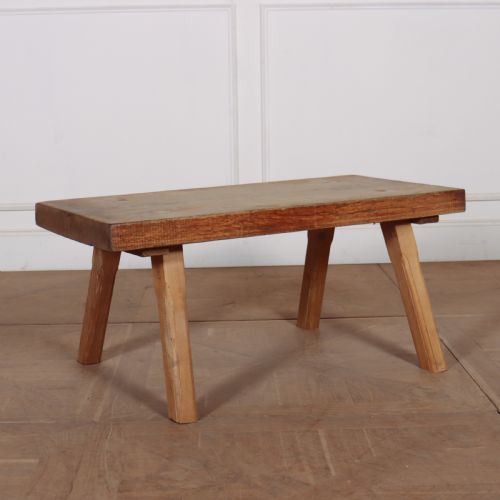

Warm Brown Oak Bench
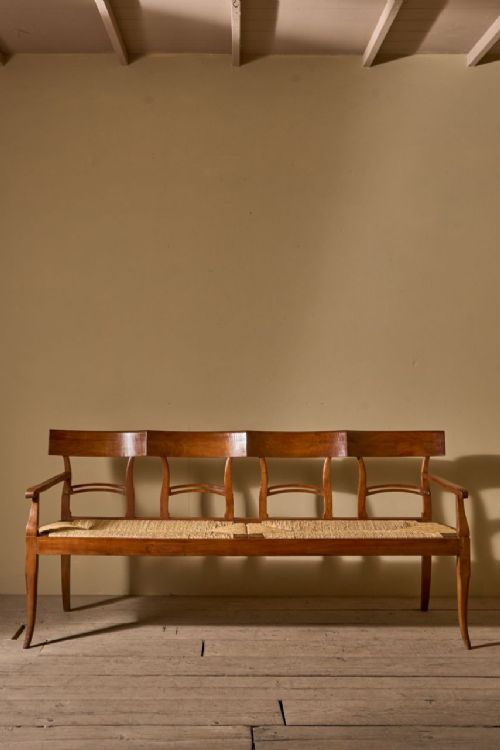
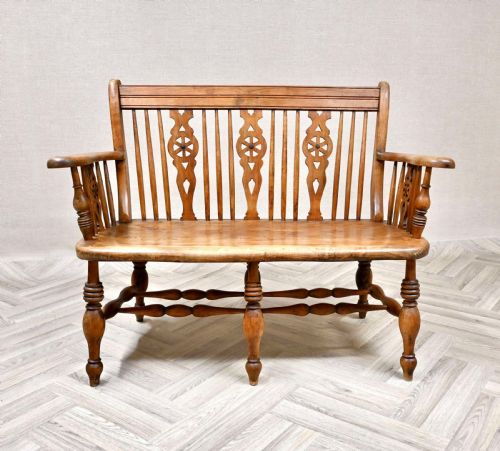
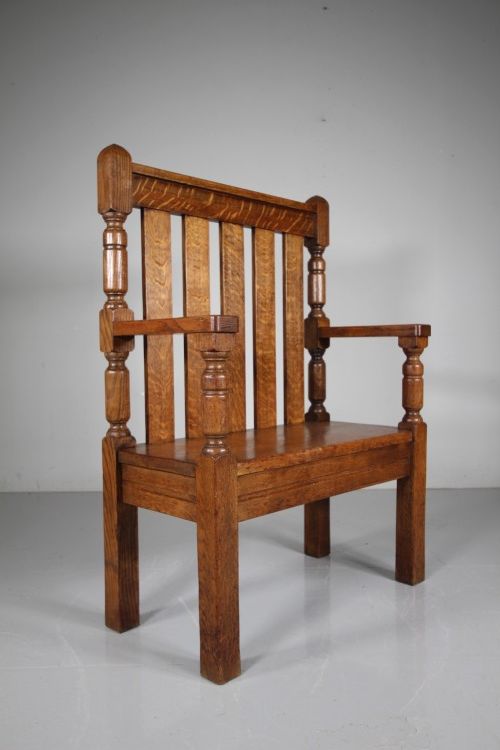
A warm brown oak bench anchors an entrance or hallway with honest timber and centuries of practical utility.
Warm Brown Oak Bench
When you search for a warm brown oak bench, you encounter sturdy seating designed for practical daily use in hallways, kitchens and public rooms. These pieces originate from various periods including the nineteenth century and the early twentieth century, showing straightforward construction built to endure.
The selections available here lean towards vernacular forms such as hall benches, seat cupboards and settles. Alongside solid oak, related listings include associated timbers like elm, cherrywood and ash, reflecting the traditional materials of country workshops.
Makers and designers range from utilitarian provincial joiners to notable firms like Liberty during the Arts and Crafts movement. Their shared characteristic is a focus on heavy timber construction rather than delicate ornamentation.
How they were made
Carpenters constructed these benches using solid native timbers, predominantly oak alongside complementary woods such as elm and ash for seats or stretchers. Joinery relied on traditional pegged mortise and tenon joints to ensure rigidity under heavy daily loading.
Surface preparation involved hand planing and scraping the timber, which left subtle tool marks across the grain. Over decades of use and waxing, the wood developed a rich patina without requiring heavy modern varnishes.
The listings span from the Georgian era through the Arts and Crafts movement, incorporating oak, elm, cherrywood and rush.
What varies in quality
Quality rests in the integrity of the original construction and the depth of the timber's aged surface. Pieces that retain their original pegged joints and untouched patination stand apart from those altered or overly stripped by later restorations.
Proportion and structural balance dictate the visual success of each form, whether a simple bench or an elaborate hall seat with a cupboard. The density of the grain and the honesty of the repairs tell the true story of a piece's working life.
Liberty
The Warm Brown Oak Bench Glossary
- Patina
- The surface sheen and warm colour acquired by timber through decades of handling, polishing and exposure to light. This creates a depth that chemical finishes cannot replicate.
- Mortise and tenon
- A traditional joint where a projecting tongue fits snugly into a corresponding cavity, secured with wooden pegs. This method provides immense structural strength without metal hardware.
- Settlement
- A high backed wooden bench often incorporating a storage box beneath the seat, designed to keep draughts away from people sitting near fires or in hallways.
- Vernacular
- Furniture made by local regional craftsmen following traditional local patterns rather than high-style metropolitan designs. These pieces emphasise utility and regional timber availability.
- Refectory
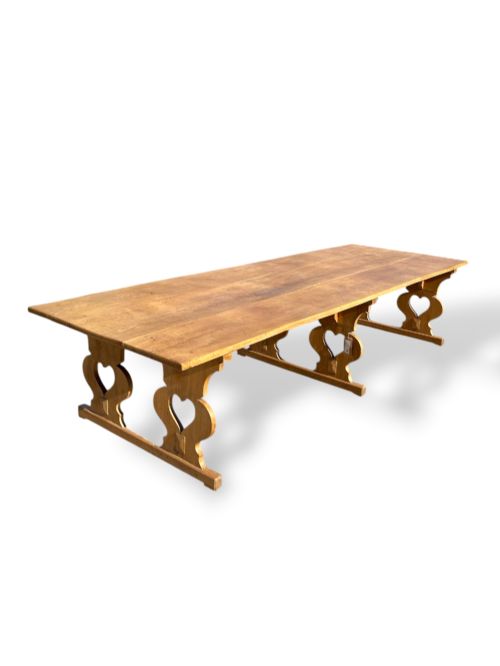
- A long, narrow table or bench originally designed for communal dining halls in monasteries or large institutions. They feature sturdy stretcher bases to prevent wobble on uneven stone floors.
Warm Brown Oak Bench: Frequently Asked Questions
Where should I place a warm brown oak bench?
These benches suit entrance halls, narrow corridors or large kitchens where sturdy seating is practical. Their solid timber construction handles high traffic areas with ease.
Position them against plain walls to let the grain and warm colour of the wood stand out without visual clutter from surrounding decor.
How do I clean an antique oak bench?
Dust the timber regularly with a soft, dry cloth to prevent grit from accumulating in the grain. Avoid modern aerosol polishes containing silicones that build up over time.
Apply a traditional beeswax sparingly once or twice a year to nourish the wood and maintain its natural lustre.
Are these benches comfortable for daily seating?
Most historic wooden benches were built for utility and brief seating rather than long lounging. You can add loose wool or linen cushions to soften the wooden surface for extended sitting.
Consider the seat height and depth of the specific piece to ensure it matches your dining or hallway requirements.
How do I tell nineteenth century oak from later copies?
Examine the undersides and joints for hand tool marks, peg construction and timber shrinkage appropriate to age. Nineteenth century pieces show irregular hand planing and natural wear patterns around footrests.
Machine sawn marks, uniform modern screws and bright chemical finishes usually indicate twentieth century reproduction work.