

Antique Twin Wall Lights
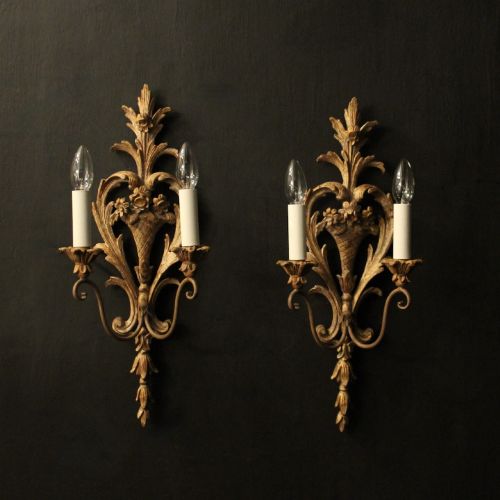
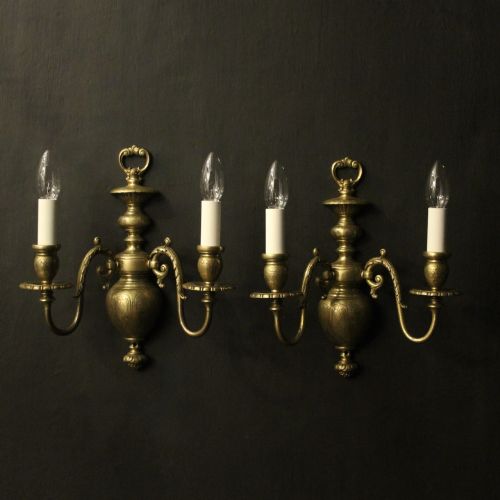
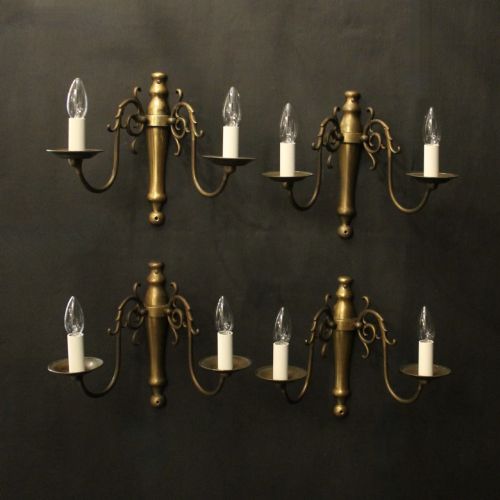
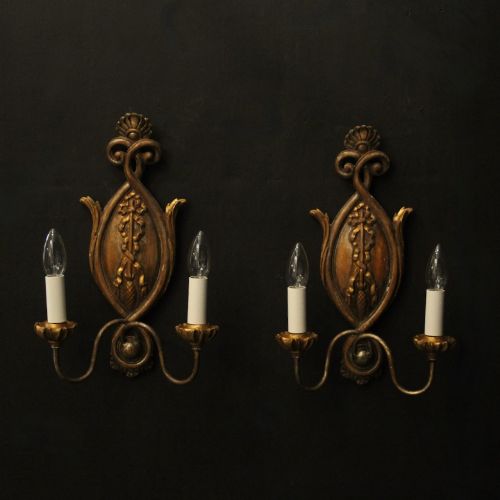
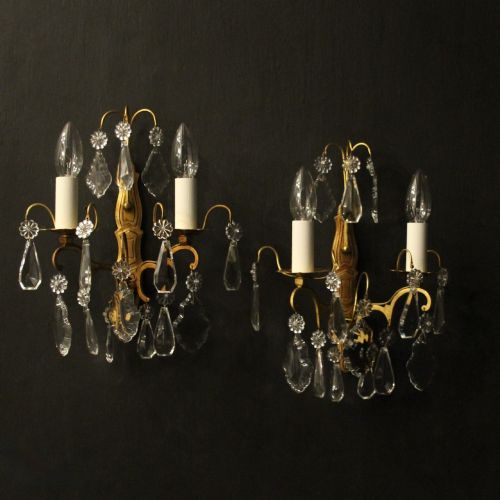
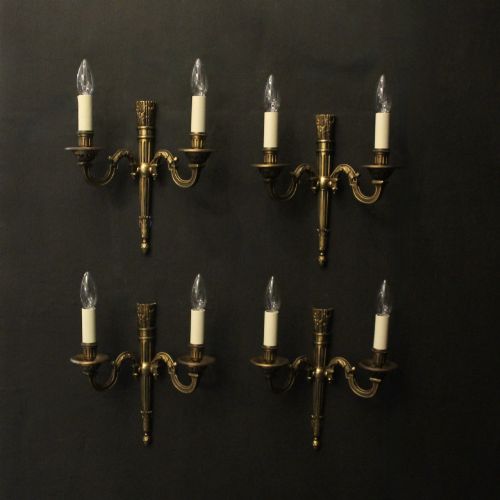
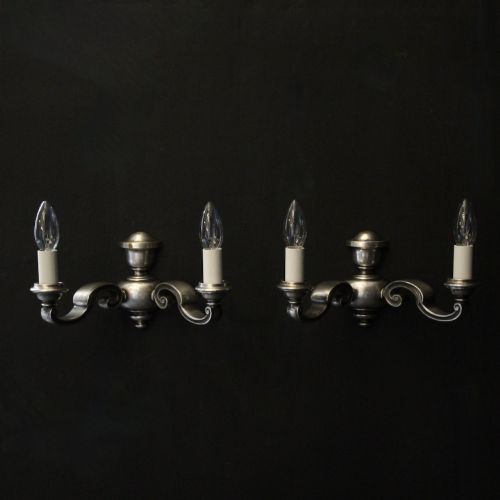
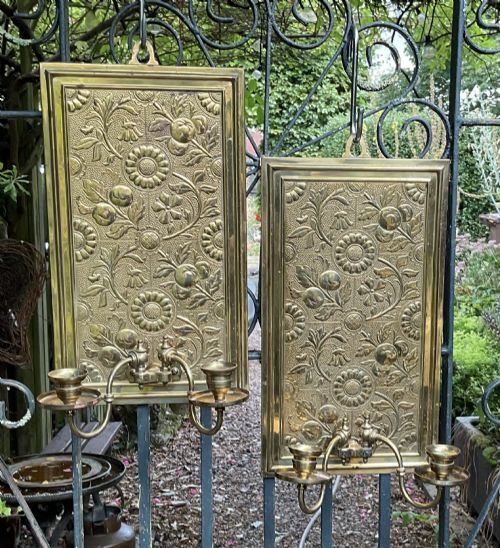
Antique twin wall lights bring paired illumination to a room, cast in bronze, brass and giltwood across French and English periods.
Antique Twin Wall Lights
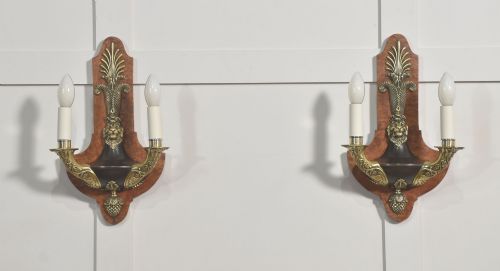
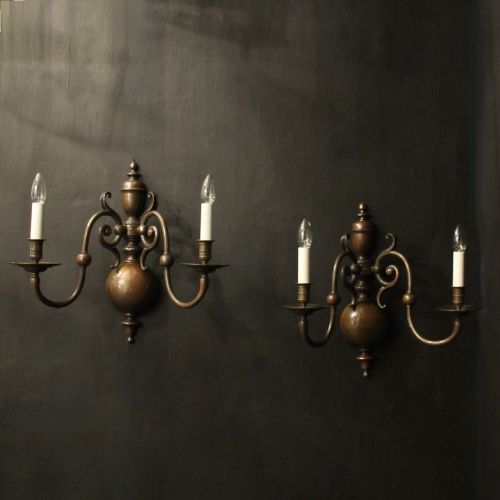
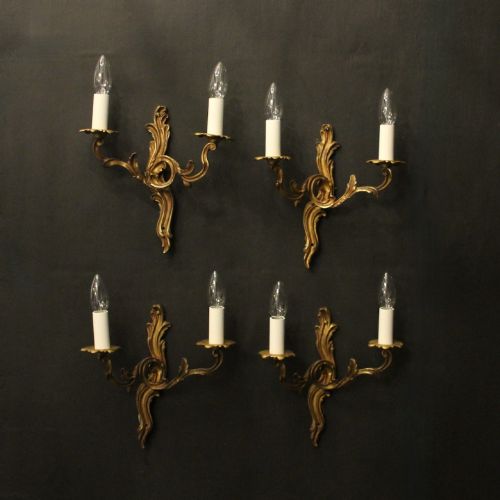
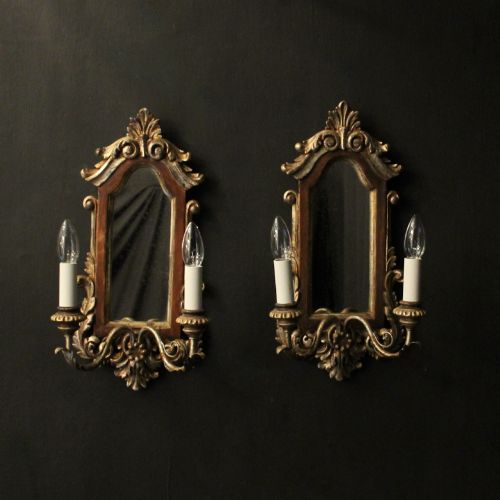
When searching for antique twin wall lights, buyers encounter pairs and sets designed to mount directly to a wall and carry two branches of light. The selections span English and French origins, encompassing forms such as wall sconces, wall lights and girandoles.
Pieces from the nineteenth century sit alongside twentieth-century items, including examples dated across the 1900s, 1910s, 1920s and 1930s. Victorian pieces appear alongside items bearing Georgian Revival, Empire, Neoclassical and Rococo stylistic influences.
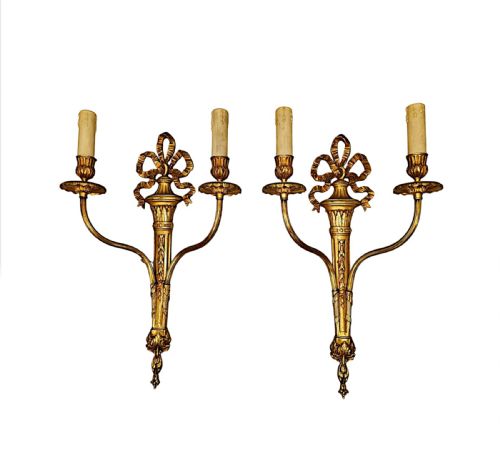
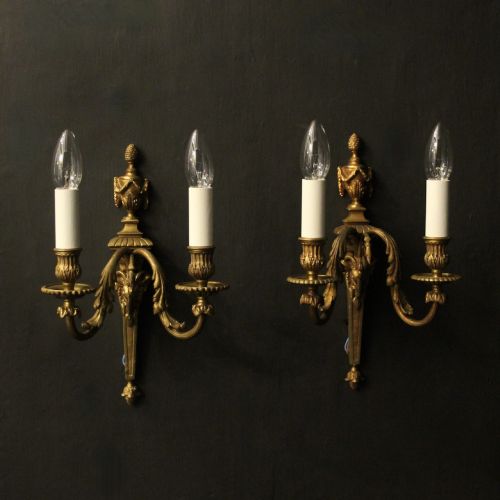
The most frequent items on this page are French and English pairs rendered in gilded brass, gilt bronze and standard bronze. These fixtures provide symmetrical candle or electric illumination for drawing rooms, hallways and parlours.
Materials and construction methods
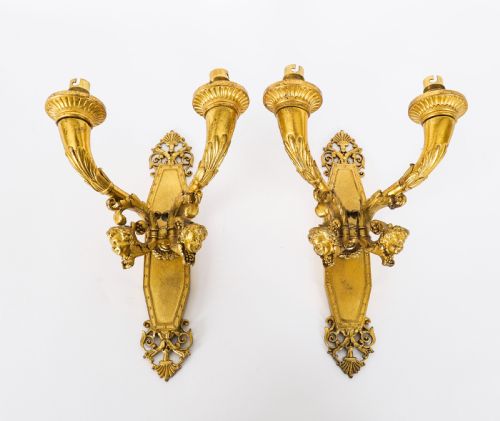
Foundry metals dominate the manufacturing evidence, utilising bronze, brass and ormolu cast into complex scrollwork and ribbon motifs. Gilded finishes are applied through the use of gold leaf on wood or fire-gilding upon metal substrates.
Assembly methods rely on heavy casting and manual chasing for metal components, while wooden girandoles depend on traditional joinery and carved relief work. Electrical conversion is evident on twentieth-century examples that once relied on candles.
Antique Twin Wall Lights Retail Price Guide 2026
Typical asking prices for twin wall lights among the pieces listed under this phrase on Sellingantiques today, from the lower quarter to the upper quarter. They describe what is for sale here now, not the wider market.
Materials documented across the inventory include solid bronze, cast brass, giltwood, burr walnut, crystal and silver plating.
Distinctions in craftsmanship and design
Quality separates sharply in the crispness of the metal chasing and the depth of the casting. Superior pieces retain sharp leaf veins and defined scroll edges, whereas lesser examples show softened contours from worn or secondary moulds.
The finishing of the gilt surface determines the upper tier of the range. Hand-applied ormolu and meticulous fire-gilding present an even, rich lustre that outlasts flat modern plating or heavy, dull paint applications.
Structural integrity of the twin arms dictates daily reliability. Rigidity in the backplates and secure branching ensure that heavy bronze and brass structures hang flush against the wall without sagging under their own weight.
Bruce Talbert·Casier
The Antique Twin Wall Lights Glossary
- Wall sconce
- A bracket fixture fixed to a wall to hold lights or candles. These units project outward to distribute illumination across a room.
- Girandole
- An ornamental branched wall light that often incorporates a mirror. The reflective glass multiplies the candle or gas light.
- Ormolu
- Finely chopped high-zinc brass applied as an amalgam of gold and mercury. This technique creates a rich golden finish on nineteenth-century mounts.
- Rococo Revival
- A nineteenth-century design movement mimicking eighteenth-century asymmetry. It utilises scrolling foliage, shell motifs and C-scrolls.
- Empire style
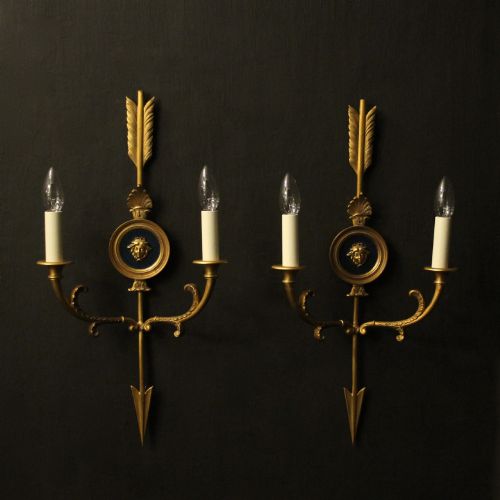
- A neoclassical design era defined by military motifs, classical symmetry and ancient Roman influences. It draws inspiration from the Napoleonic period.
Antique Twin Wall Lights: Frequently Asked Questions
How do I date an antique wall light?
Dating relies on examining the combination of materials, casting techniques and stylistic revival periods. Nineteenth-century examples often display heavier bronze casting and hand-finished chasing, while twentieth-century pieces incorporate different wiring channels and manufacturing marks.
Stylistic cues also help narrow the timeline, as Rococo Revival and Empire aesthetics point toward specific Victorian and nineteenth-century revivals. Comparing the patination of the metal against known period baselines confirms the era.
Can these wall lights be rewired for modern use?
Most antique metal wall fixtures can be adapted to current electrical standards by a qualified professional. Wiring channels are typically integrated through the backplate and arms without altering the exterior aesthetic.
It is advisable to check the internal conduits of older brass and bronze pieces during installation. Modern candle-tube covers and LED bulbs fit standard antique bobeches easily.
What is the difference between gilt bronze and ormolu?
Gilt bronze refers generally to bronze metal that has received a layer of gold leaf or chemical gilding. Ormolu specifically denotes the historical French technique of applying a mercury and gold amalgam to a bronze base.
Both materials yield a bright, golden finish designed to catch candle flame. Ormolu is typically associated with high-status French pieces from the nineteenth century and earlier.