


Antique Twin Frames
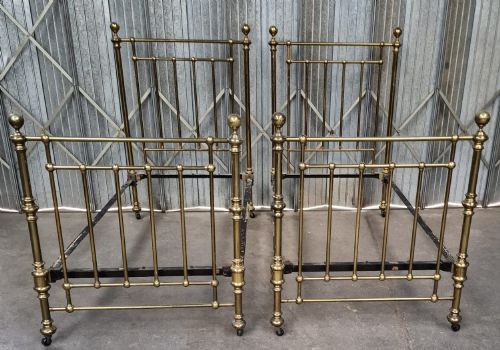
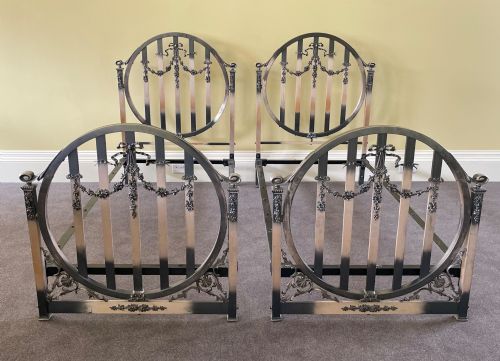
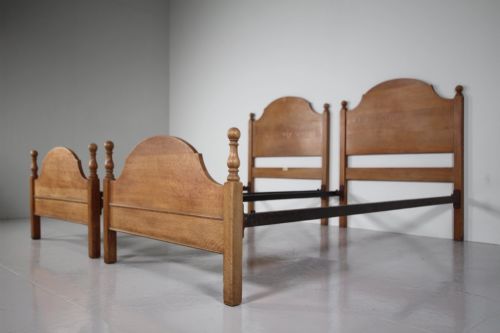
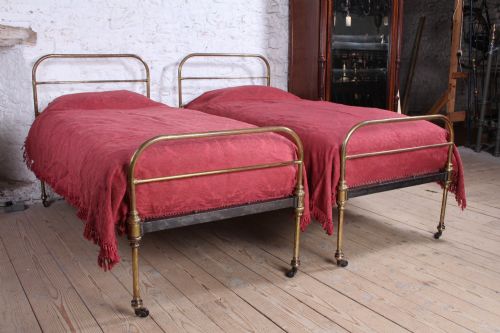
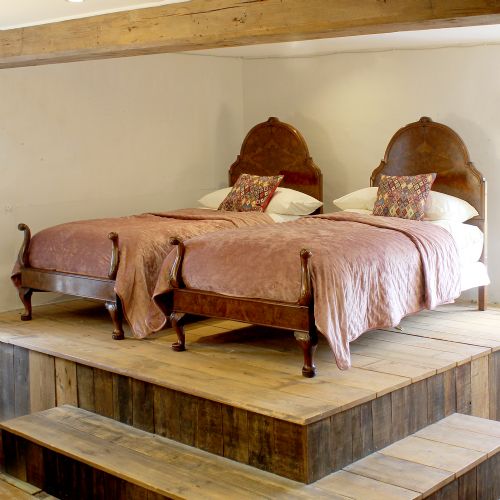
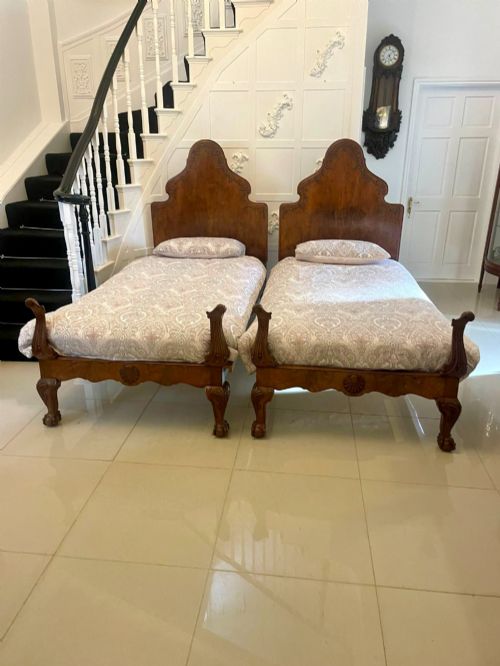
Antique twin frames offer matched sleeping quarters or decorative twin setups, spanning Victorian brass, Edwardian oak and Art Deco walnut designs.
Antique Twin Frames
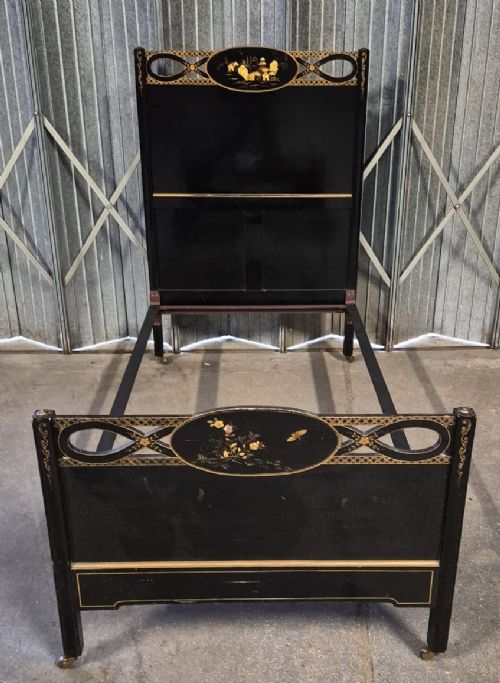
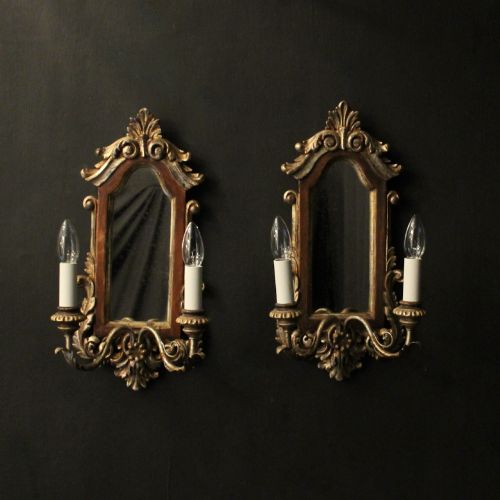
When buyers search for antique twin frames, they are looking at paired single beds, twin bedframes, and occasionally matching architectural mirror sets like girandoles that originate primarily from the nineteenth and early twentieth centuries. These pieces encompass Victorian, Edwardian, and Art Deco eras, reflecting the domestic scaling and sleeping arrangements of period homes.
The most common iterations encountered on this page are matched pairs of single beds and bedsteads constructed so they can be joined or placed together in a shared room. Materials span robust metals like brass and cast iron alongside rich timbers including oak, walnut, and burr walnut, often reflecting specific regional maker traditions from English workshops and continental French studios.
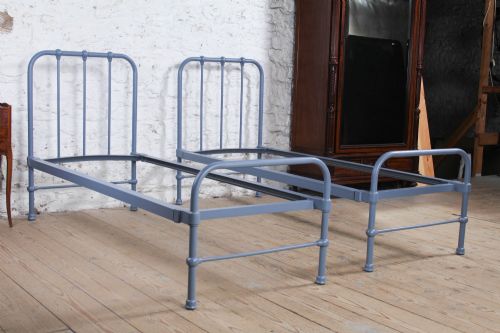
Stylistic variety runs from utilitarian cast iron frames with simple rings to ornate revival pieces drawing on Louis XVI, Queen Anne, and French Empire aesthetics. Buyers also encounter labelled workshop outputs from notable makers such as Heals, Hoskins & Sewell, and Shapland and Petter, providing clear provenance alongside decorative versatility.
Construction and Materials
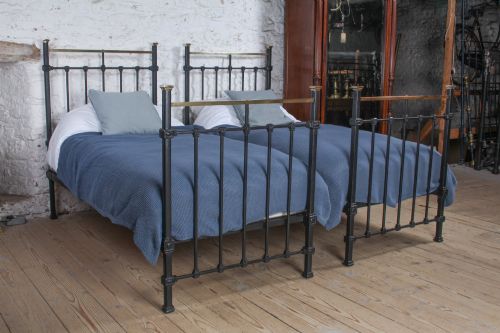
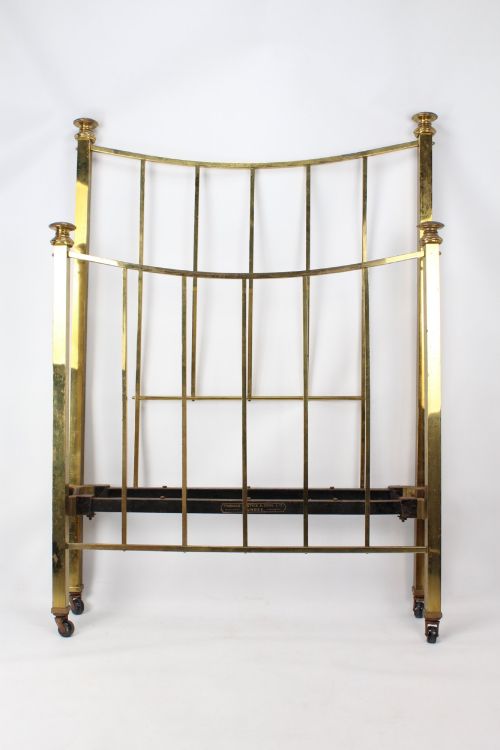
Metal frames rely on cast iron, wrought iron, and brass tubing joined with structural rigour, sometimes finished with nickel plating or applied paint. Iron components provide the essential weight and stability for daily use, while brass elements supply decorative contrast through square tubes, spindles, and decorative finials.
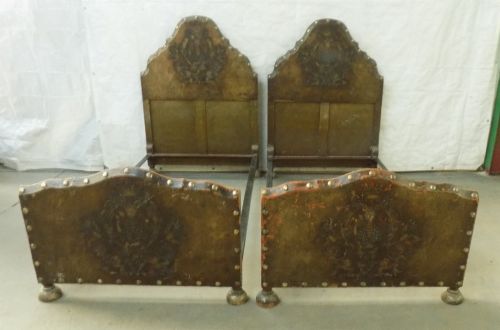
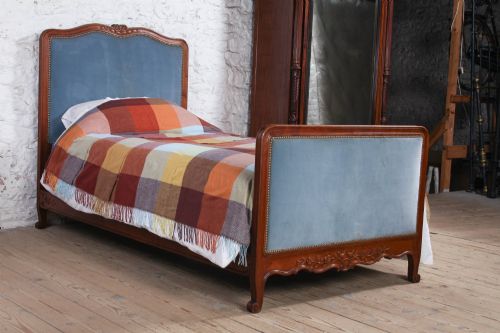
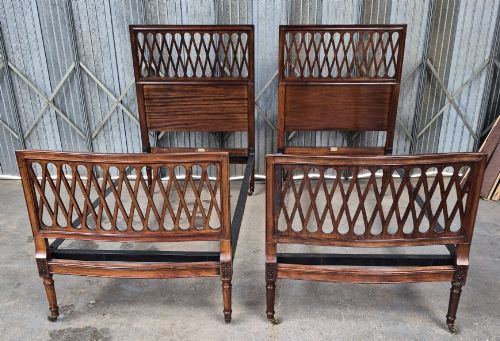
Timber frames utilise solid oak, walnut, burr walnut, and satinwood, frequently enhanced with applied carvings, inlaid veneers, and hand-painted portrait panels or leather inserts. Joinery methods of the period ensure structural integrity across headboards, footboards, and side rails designed to support standard single mattress dimensions.
Antique Twin Frames Retail Price Guide 2026
Typical asking prices for twin frames among the pieces listed under this phrase on Sellingantiques today, from the lower quarter to the upper quarter. They describe what is for sale here now, not the wider market.
Markers of Quality and Craft
Quality in these pieces is dictated by the crispness of the timber carving, the selection of figured veneers such as burr walnut, and the integrity of the original metal casting. Superior examples exhibit balanced proportions, refined surface finishing, and authentic manufacturer labels that confirm workshop origin.
Lower tiers often display simplified joinery, plain secondary timbers, or heavier replacement elements that disrupt the matching symmetry of a pair. The presence of original hardware, integrated joining brackets, and untouched surface patination separates high-grade studio output from standard commercial manufacture.
Hoskins & Sewell·Heals·Oliver Morel·Shapland and Petter·Betty Joel·R W Winfield
The Antique Twin Frames Glossary
- Bedstead
- A framework of a bed supporting the spring and mattress. It encompasses the structural head and foot boards along with the connecting side rails.
- Bergere
- A type of enclosed upholstered armchair or bed headboard featuring woven cane panels. This technique adds textural lightness to solid wood frames.
- Girandole
- An ornamental bracket wall mirror with candle sconces attached. The reflective glass multiplies candlelight across period interiors.
- Corbeille
- A French bed style featuring an incurved, basket-like shape to the head and foot boards. It envelops the sleeper in a cocoon-like silhouette.
- Satinwood
- A durable hardwood with a lustrous, golden-yellow sheen used for fine cabinetry and inlay. It provides a bright, contrasting surface on Edwardian and Victorian frames.
Antique Twin Frames: Frequently Asked Questions
Can these single beds be joined together?
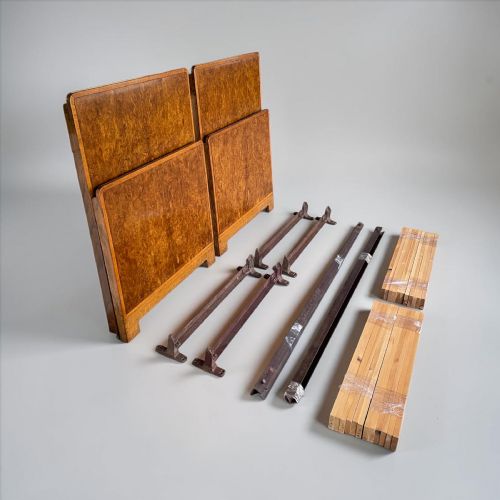
Many listings indicate that the iron and brass frames are constructed so they can be securely linked side by side. This flexibility allows pairs to function either as individual twin beds or combined into a larger sleeping platform.
Buyers should examine the specific hardware details in each listing to confirm whether joining brackets or auxiliary supports are included with the set.
What wood types appear most frequently?
Oak, walnut, and satinwood dominate the timber frames across Victorian and Edwardian examples. Burr walnut and fruitwood also appear on high-end workshop pieces from the early twentieth century.
These woods are frequently utilised alongside decorative veneers, painted finishes, and inlaid details to create cohesive bedroom suites.
How do I identify an Edwardian frame?
Edwardian pieces generally favour lighter woods like satinwood and walnut, often featuring refined inlay, bow ends, or transitional styling. They tend to step away from the heavier cast iron dominance of the mid-nineteenth century.
Maker labels from firms active during this era provide definitive confirmation of date and origin.
Are mattresses included with these beds?
Listings focus on the structural frames, headboards, footboards, and side rails rather than modern bedding accessories. Antique dimensions can occasionally differ slightly from contemporary standard sizes.
Buyers should verify internal rail measurements to ensure standard modern mattresses will fit comfortably between the antique side pieces.